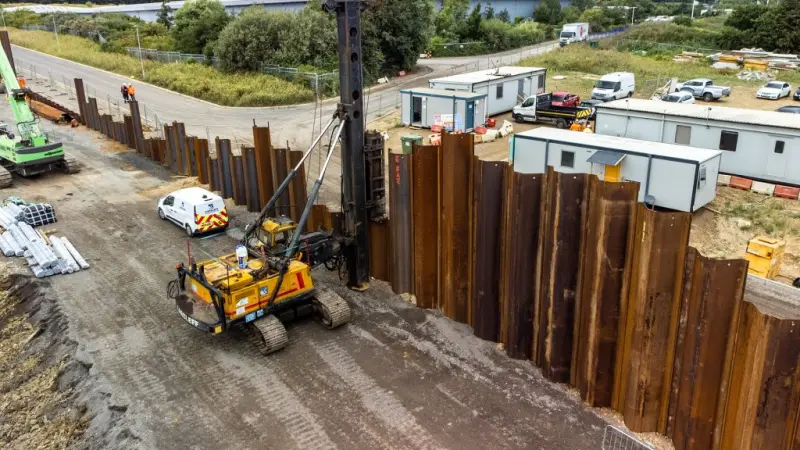
Many buyers only compare the price per ton. I think this is the biggest mistake because the cheapest sheet pile is not always the lowest-cost solution.
Steel sheet pile prices depend on steel grade, pile type, section size, length, coating, quantity, freight, and installation costs. A complete cost analysis should include both material and construction expenses.
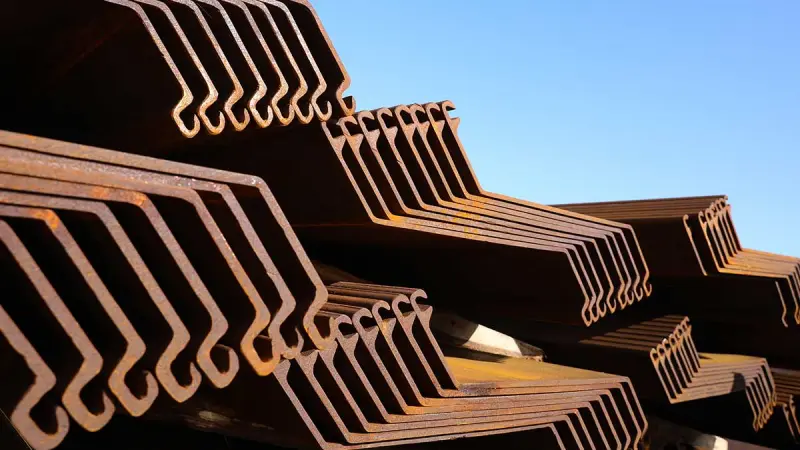
When I discuss a new project with contractors, I rarely send a quotation immediately. I first ask about the project drawings, soil report, excavation depth, and construction method. These details help me recommend the right sheet pile instead of simply offering the lowest price. I have found that a well-designed solution often saves much more money during installation than choosing the cheapest material.
How to calculate piling cost?
Many buyers ask me how to estimate piling costs before requesting a quotation. I always explain that steel cost is only one part of the total project budget.
To calculate piling cost, I include material cost, transportation, installation, equipment, labor, corrosion protection, and project management. Looking only at steel weight will not provide an accurate estimate.
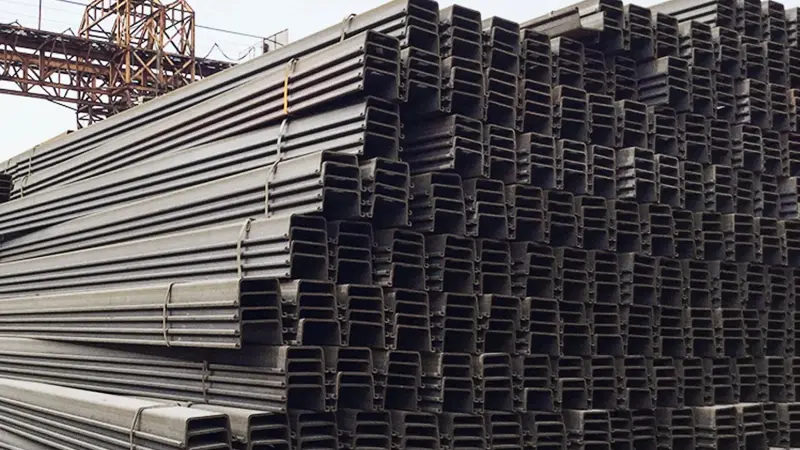
The complete piling cost formula
I usually explain piling costs with a simple formula.
Total Piling Cost = Material Cost + Transportation + Installation + Equipment + Labor + Surface Protection + Project Management + Contingency
Many contractors only compare steel prices. I think this approach creates problems because material often represents only part of the overall investment.
For example, two suppliers may offer similar steel prices, but one supplier may provide better interlocks. Better interlocks reduce installation time, improve water tightness, and lower labor costs. The total project cost becomes lower even if the steel itself costs slightly more.
Main cost components
| Cost Item | Influence on Total Cost |
|---|---|
| Steel sheet piles | Very High |
| Freight | High |
| Installation equipment | High |
| Labor | High |
| Crane operation | Medium |
| Welding and cutting | Medium |
| Corrosion protection | Medium |
| Engineering design | Medium |
| Testing and inspection | Low |
Material cost
Material cost depends on several factors.
These include:
- Steel grade
- Pile profile
- Section modulus
- Weight per meter
- Pile length
- Manufacturing method
- Quantity ordered
Hot rolled sheet piles usually cost more than cold formed sheet piles. However, they often install faster and provide better structural performance.
Installation cost
Installation can account for a large percentage of the project budget.
Factors include:
- Soil conditions
- Groundwater level
- Required driving depth
- Equipment availability
- Working hours
- Site access
- Noise restrictions
Airport projects, ports, and urban construction sites often require special equipment with lower vibration levels. This may increase equipment costs but reduce environmental impact.
For typical methods and equipment, many buyers read a sheet pile installation guide.
Transportation cost
Many international buyers overlook shipping expenses.
Transportation depends on:
- Destination country
- Shipping method
- Container availability
- Vessel schedule
- Fuel costs
- Customs charges
For overseas projects, transportation can become one of the largest expenses. To understand how freight influences wall budgets, some engineers refer to average cost estimates for steel sheet pile walls.
My experience
One contractor from Saudi Arabia requested quotations from several Chinese suppliers. The cheapest supplier appeared to offer the best deal. After reviewing the proposal, I noticed that freight, loading charges, and local handling fees were excluded.
Our quotation looked slightly higher at first. However, after comparing the complete landed cost, our solution actually reduced the customer’s total expenditure. Reports like the evaluation of cost matrix for steel sheet piling show why full cost breakdowns matter.
That project reminded me that comparing quotations without understanding every cost item often leads to incorrect decisions.
My opinion
Whenever I prepare a quotation, I focus on total project value instead of only product price. I believe this approach creates better long-term partnerships because contractors care more about completing projects on time and within budget than saving a small amount on material alone.
How much does steel sheet piling cost?
Many customers ask me for a price per ton before sharing project information. I always explain why one number cannot represent every project.
Steel sheet piling costs vary according to pile profile, steel grade, pile length, coating, quantity, destination, and market steel prices. Each project requires a customized quotation based on technical requirements.
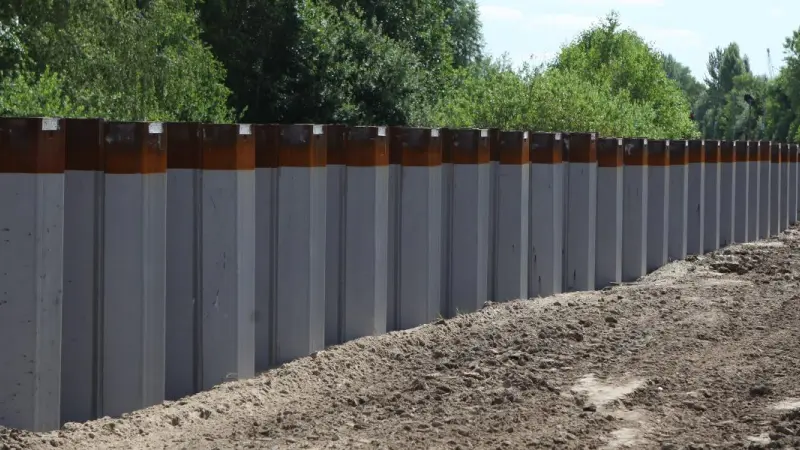
What changes the price?
Several factors affect every quotation.
| Factor | Effect on Price |
|---|---|
| Steel market price | Very High |
| Sheet pile profile | High |
| Steel grade | Medium |
| Length | High |
| Weight per meter | High |
| Surface coating | Medium |
| Quantity | High |
| Freight | High |
The international steel market changes frequently. Raw material prices can rise or fall every month. This is why quotations usually remain valid for only a limited period.
Profile selection matters
Different sheet pile profiles require different amounts of steel.
Common options include:
- U Type Sheet Piles
- Z Type Sheet Piles
- Omega Sheet Piles
- Flat Sheet Piles
- Straight Web Sheet Piles
- Hat Type Sheet Piles
Each profile offers different bending strength, section modulus, and installation efficiency.
For projects with high bending moments, Z-shaped sheet piles often provide excellent structural efficiency.
For retaining walls and flood protection, U-shaped sheet piles remain one of the most popular choices.
Quantity affects pricing
Large infrastructure projects usually receive lower unit prices.
Reasons include:
- Lower production cost
- Better mill scheduling
- Lower loading cost
- Improved shipping efficiency
Small trial orders often have higher manufacturing costs because fixed production expenses are shared across fewer tons.
Surface treatment also affects price
Additional protection increases material cost but extends service life.
Common options include:
| Surface Treatment | Typical Application |
|---|---|
| Black steel | Temporary projects |
| Painting | Mild environments |
| Epoxy coating | Chemical exposure |
| Hot-dip galvanizing | Long-term protection |
| Cathodic protection | Marine structures |
Choosing the right corrosion protection can significantly reduce maintenance costs over several decades.
My project experience
I recently worked with a contractor building a flood control structure in Southeast Asia. The customer first selected the lowest-priced sheet pile available.
After reviewing the drawings, I recommended upgrading to hot rolled U Type sheet piles with stronger interlocks.
Although the material cost increased slightly, installation became faster and fewer piles were required because of the higher structural capacity.
The contractor completed the project ahead of schedule and reduced overall construction costs.
My insight
One lesson I have learned after supplying steel sheet piles to contractors around the world is that the best quotation is rarely the cheapest quotation. I always recommend evaluating material quality, engineering performance, delivery reliability, and supplier experience一起. When these factors are balanced correctly, buyers usually achieve much greater value throughout the entire project lifecycle.
Why is piling so expensive?
Many contractors ask me why piling takes such a large share of the project budget. I always explain that the steel itself is only one part of the investment. Piling requires specialized equipment, experienced operators, engineering design, and strict quality control.
Piling is expensive because it combines material costs, heavy equipment, skilled labor, engineering design, transportation, and construction risks. The total investment reflects both the product and the installation process.
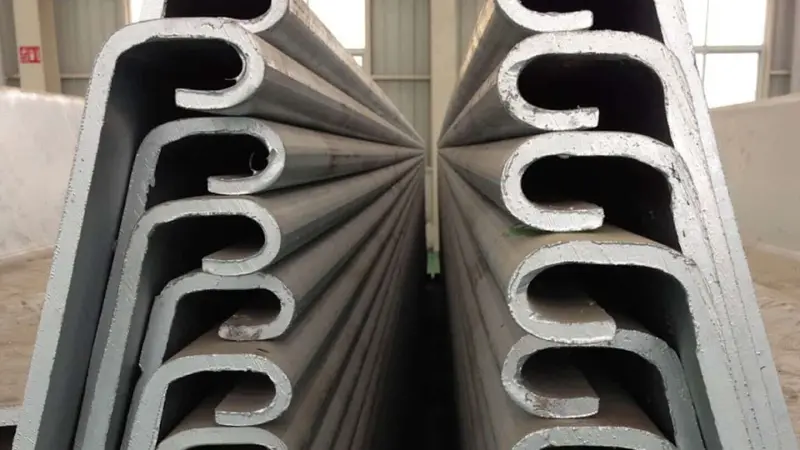
Steel is only part of the cost
When customers compare quotations, they often focus only on the price per ton. I understand why they do this because it is the easiest number to compare. However, I always encourage them to look at the entire project budget.
The final cost usually includes:
- Steel sheet piles
- Transportation
- Customs clearance
- Site unloading
- Crane rental
- Vibratory hammer or hydraulic press
- Skilled operators
- Welding and cutting
- Survey work
- Engineering supervision
- Safety management
- Site restoration
Each of these items adds value to the project. Removing one may reduce cost, but it may also increase construction risk.
Equipment plays a major role
Installing sheet piles requires powerful machinery.
Common equipment includes:
| Equipment | Purpose |
|---|---|
| Vibratory hammer | Fast installation in most soils |
| Hydraulic press | Low-noise installation |
| Crawler crane | Lifting and positioning piles |
| Diesel hammer | Hard ground driving |
| Excavator | Site preparation |
| Welding machine | Joint reinforcement |
Large equipment is expensive to purchase and maintain. Rental costs can also increase during busy construction seasons.
Ground conditions affect installation
No two construction sites are the same.
Soft clay, loose sand, dense gravel, and rock layers all require different installation methods. Difficult soil conditions increase working time and equipment wear.
For example:
| Soil Condition | Cost Impact |
|---|---|
| Soft clay | Low |
| Sand | Medium |
| Dense gravel | High |
| Weathered rock | Very High |
| Bedrock | Extremely High |
When engineers know the soil conditions early, they can choose the most efficient installation method. Many cost guides, such as piling cost breakdowns for UK and international projects, explain how ground conditions change budget ranges.
Why engineering matters
Good engineering reduces unnecessary costs.
Before recommending a sheet pile profile, I always ask for:
- Soil investigation report
- Excavation depth
- Groundwater level
- Loading requirements
- Project drawings
These documents help determine the correct section modulus and pile length.
Choosing oversized piles wastes money.
Choosing undersized piles creates safety risks.
Case study from my experience
A contractor in the Middle East contacted me after receiving several low-price quotations.
After reviewing the project documents, I discovered that one supplier had ignored the groundwater conditions.
The proposed sheet piles were too light for the design loads.
We recommended a heavier hot rolled U-shaped section with better interlocks. Although the material price increased, the contractor avoided costly delays and redesign work.
The project finished on schedule, and the owner avoided unexpected engineering changes.
My opinion
I believe piling seems expensive because many people only see the purchase price. In reality, piling creates the foundation that supports the entire structure. Spending slightly more on reliable products and professional engineering usually prevents much larger costs later.
Are sheet piles expensive?
Many first-time buyers ask me if steel sheet piles are expensive compared with other retaining systems. My answer is always the same: it depends on how you measure the cost.
Steel sheet piles may have a higher initial purchase price than some alternatives, but they often reduce overall project costs through faster installation, reusability, long service life, and lower maintenance.
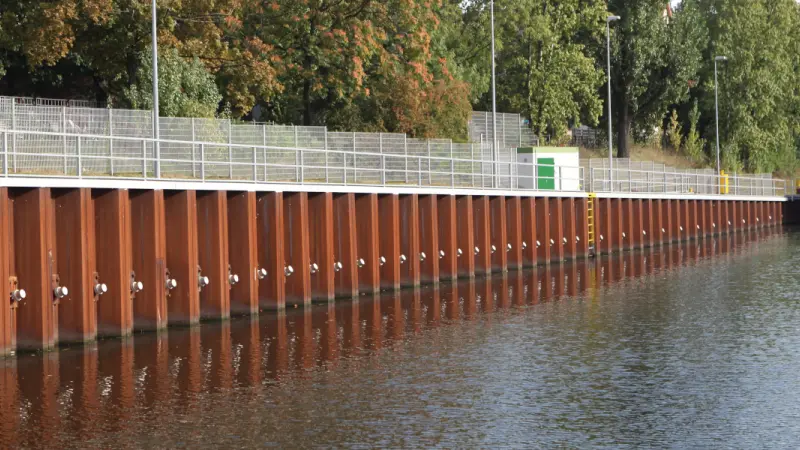
Initial cost versus life-cycle cost
Many buyers compare only the purchase price.
I think this approach misses the bigger picture.
A retaining system should be evaluated over its entire service life.
Factors include:
- Purchase price
- Transportation
- Installation
- Maintenance
- Repair
- Reuse value
- Demolition cost
Steel sheet piles perform well because they can often be reused after temporary projects. Guides that compare retaining wall systems, such as NASSPA retaining wall comparison reports, show how life-cycle costs often favour steel sheet piling when reuse and speed are included.
Comparison with other retaining systems
| Retaining System | Initial Cost | Installation Speed | Reusable | Service Life |
|---|---|---|---|---|
| Steel sheet piles | Medium to High | Very Fast | Yes | 50–100+ years |
| Reinforced concrete wall | High | Slow | No | Long |
| Soldier pile wall | Medium | Medium | Limited | Medium |
| Secant pile wall | Very High | Slow | No | Long |
Although concrete walls may appear competitive in some projects, they usually require longer construction periods.
Time is money.
A faster project often produces significant savings.
Why contractors still choose steel sheet piles
Many international contractors continue selecting steel sheet piles because they provide several economic advantages.
These include:
- Rapid installation
- Factory-controlled quality
- Easy transportation
- High structural strength
- Reusability
- Excellent water control
- Reduced excavation
- Lower labor requirements
For temporary excavation support, reused sheet piles can reduce project costs dramatically. Cost guides for sheet pile walls often highlight this reuse effect and its impact on long-term budgets.
Riverbank Protection Project
One project I remember well was our riverbank protection project in Southeast Asia.
The contractor originally considered reinforced concrete retaining walls.
After comparing both options, they selected hot rolled U Type steel sheet piles.
The reasons included:
- Faster installation
- Better interlocking performance
- Lower equipment time
- Smaller construction footprint
- Reliable long-term stability
The project finished on schedule, and the completed retaining wall continues to protect the riverbank from erosion and flooding.
My own insight
After working with contractors from Iraq, Saudi Arabia, the UAE, Pakistan, Australia, and Africa, I have learned that "expensive" is a relative term.
If a cheaper product causes delays, redesign, or maintenance problems, it becomes the most expensive option.
I prefer helping customers calculate the total ownership cost instead of only comparing the purchase price.
When the right sheet pile profile, steel grade, and installation method are selected, steel sheet piles usually provide one of the best returns on investment for retaining walls, bridge foundations, ports, flood control systems, and deep excavation projects.
In my experience, buyers who focus on life-cycle value instead of initial price almost always make better purchasing decisions.
Why is piling so expensive?
Steel sheet piling is sometimes considered expensive because the total cost includes much more than the price of the steel material. I have seen many customers focus only on the unit price of sheet piles, but the final project cost depends on many other factors. The material grade, pile length, installation method, equipment, labor, transportation, and site conditions all affect the final budget.
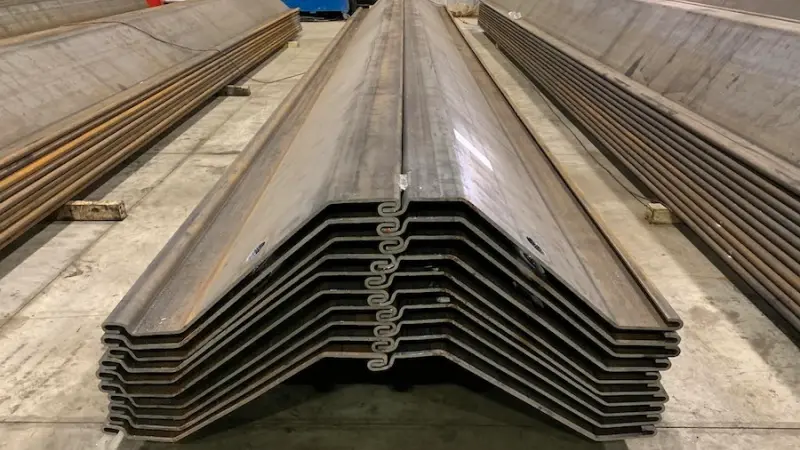
When I provide quotations for steel sheet piles, I always explain the complete cost structure to customers. A lower steel price does not always mean a lower project cost. A suitable sheet pile design can reduce installation difficulty, shorten construction time, and avoid additional expenses during the project.
Main factors that make steel sheet piling expensive
The first reason is the raw material cost. Steel sheet piles are manufactured from high-quality steel plates or steel coils. The price of steel changes based on global market conditions. When steel prices increase, sheet pile prices also increase.
Steel sheet piles are manufactured from high-quality steel plates or steel coils. The price of steel changes based on global market conditions. For general trends, many buyers read steel sheet pile price and market analysis.
The second reason is the production process. Hot rolled steel sheet piles require advanced rolling equipment and strict quality control. Manufacturers need to control the shape, thickness, mechanical properties, and interlocking accuracy. These processes add value to the final product.
The third reason is transportation. Steel sheet piles are heavy products. A small quantity of sheet piles can already create high shipping costs. International transportation also depends on the destination port, container availability, and freight market.
The fourth reason is installation. Driving steel sheet piles requires professional equipment such as vibratory hammers, hydraulic presses, or impact hammers. The equipment rental cost and operator experience can influence the project budget. Many people refer to generic sheet piling costs to understand how installation method and site conditions change the budget.
| Cost Factor | How It Affects Price |
|---|---|
| Steel material | Higher steel grades and thicker sections increase cost |
| Sheet pile type | Z type and heavy-duty profiles usually cost more |
| Length and thickness | Longer and thicker piles require more material |
| Surface treatment | Coating and corrosion protection add extra cost |
| Transportation | Heavy weight creates higher logistics costs |
| Installation | Equipment and labor influence total project expenses |
Evaluation of cost matrix for steel sheet piling
From my experience, customers should not only compare the price per ton. They should compare the complete solution. A cheap sheet pile may have lower strength or poor interlocking performance, which can create problems during installation. A higher-quality sheet pile can often save money because it reduces construction risks.
Why industrial and coastal projects need higher budgets
Some projects require special performance. Offshore engineering, port construction, and coastal protection projects face water pressure, corrosion, and difficult soil conditions. These projects often require stronger sheet piles with better corrosion resistance.
For example, a river protection project may use standard hot rolled U type sheet piles. However, a marine project may require thicker sheet piles or additional protective coating because seawater can accelerate corrosion.
However, a marine project may require thicker sheet piles or additional protective coating because seawater can accelerate corrosion. For typical corrosion behaviour and protection options, see steel sheet pile corrosion facts.
I believe the biggest mistake is only looking at the purchase price. The real value of steel sheet piles comes from their service life and project reliability. A good sheet pile system can protect structures for decades and reduce future maintenance costs.
In my business, I usually help customers select sheet piles based on their actual project requirements. I consider soil conditions, water level, design life, and installation method before recommending a product. This approach helps customers control their budget while maintaining safety.
Are sheet piles expensive?
Many customers ask me if steel sheet piles are expensive compared with other foundation and retaining solutions. My answer is that the cost depends on the project requirements. Steel sheet piles may have a higher initial material cost, but they can provide strong performance and fast installation.
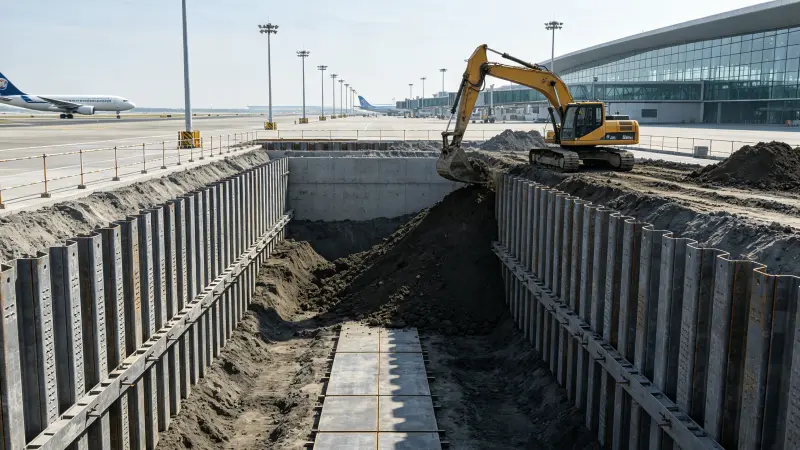
Steel sheet piles are reusable, durable, and efficient. These advantages can reduce the total project cost in many applications. The final decision should not only depend on the purchase price but also consider installation speed, maintenance requirements, and service life.
Comparing steel sheet piles with other solutions
When engineers select retaining systems, they usually compare different materials and construction methods. Each solution has advantages and limitations.
| Solution | Initial Cost | Installation Speed | Service Life |
|---|---|---|---|
| Steel sheet piles | Medium | Fast | Long with protection |
| Concrete retaining walls | High | Slow | Long |
| Timber piles | Low | Medium | Limited |
| Soil reinforcement systems | Medium | Medium | Depends on design |
Technical reports such as retaining wall cost comparison show how steel sheet piles often perform well when full life‑cycle costs are considered.
Steel sheet piles are popular because they combine strength and construction efficiency. Contractors can install them quickly with piling equipment. This advantage is important for projects that need to reduce construction time.
I have worked with customers who initially thought steel sheet piles were expensive. After comparing the complete project cost, they found that sheet piles helped them save money. Faster installation reduced labor costs. Less excavation reduced construction risks. The reusable feature also created additional value.
My view on steel sheet pile investment
From my experience, steel sheet piles are not expensive when customers select the correct product. Problems usually happen when customers choose the wrong specification. An oversized sheet pile increases unnecessary cost. An undersized sheet pile may create safety problems.
I always suggest customers focus on three points:
- Choose the correct sheet pile profile.
- Select suitable thickness according to project requirements.
- Consider the total construction cost instead of only material price.
For example, a Z type steel sheet pile may provide higher bending strength for large excavation projects. A U type steel sheet pile may be more suitable for general retaining walls and temporary works. The correct choice can improve cost efficiency. Buying guides like how to choose the right sheet pile also explain how profile choice links to cost and performance.
My company supplies different types of steel sheet piles, including U-shaped, Z-shaped, Omega-shaped, flat plate type, disc type, cap type, and straight flange type sheet piles. I work with customers to select suitable products according to their projects.
I also support OEM requirements, SGS inspection, and flexible order quantities. I understand that every project has different requirements. A professional supplier should not only provide steel products but also provide practical solutions.
Conclusion
Steel sheet pile prices depend on material, design, installation, and project conditions. I believe choosing the right sheet pile solution creates better long-term value.