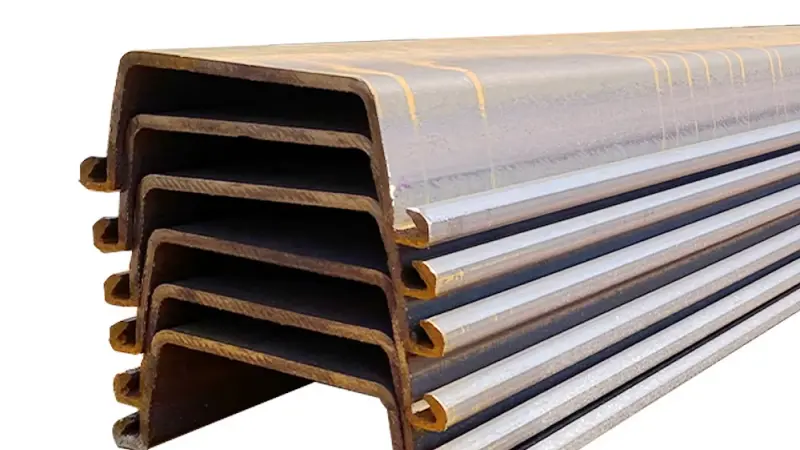
Steel sheet pile projects can become expensive when buyers only focus on the steel price. They may ignore transportation, installation, soil conditions, and project requirements.
Steel sheet pile costs usually depend on steel grade, pile type, weight per meter, project length, installation method, and local conditions. The total cost includes material, delivery, driving, and construction expenses.
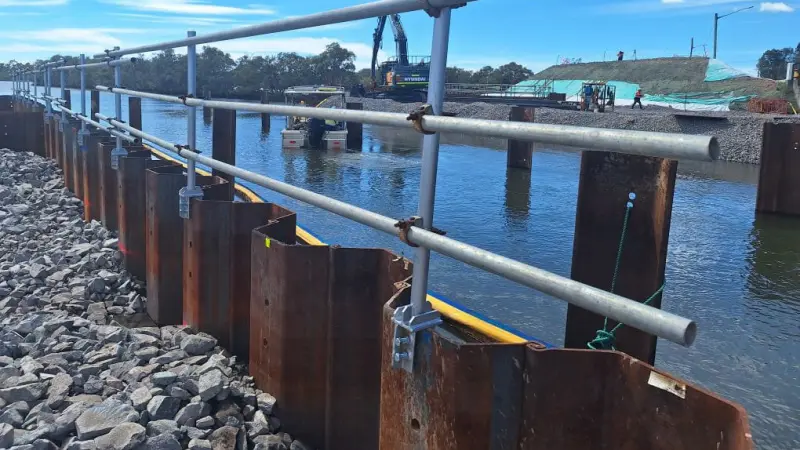
I have worked with contractors, steel distributors, and project buyers who needed reliable sheet pile solutions for excavation support, retaining walls, bridge foundations, and flood control projects. Many customers ask me one question before placing an order: "How much do steel sheet piles cost?" My answer is always the same. The steel price is only one part of the total cost. A correct calculation needs to consider the whole project.
In this article, I will explain the factors that affect steel sheet pile costs. I will share my experience from international projects and explain why the cheapest option is not always the most economical choice.
How much does sheet piling cost per metre UK?
Many buyers search for sheet piling prices by metre because they want a quick project estimate. However, the price per metre can change greatly depending on the pile specification, steel weight, and installation conditions.
In the UK, sheet piling costs per metre can commonly range from £200 to more than £1,000 per metre depending on material, installation, equipment, and project conditions. Steel sheet pile material usually represents only part of the final cost.
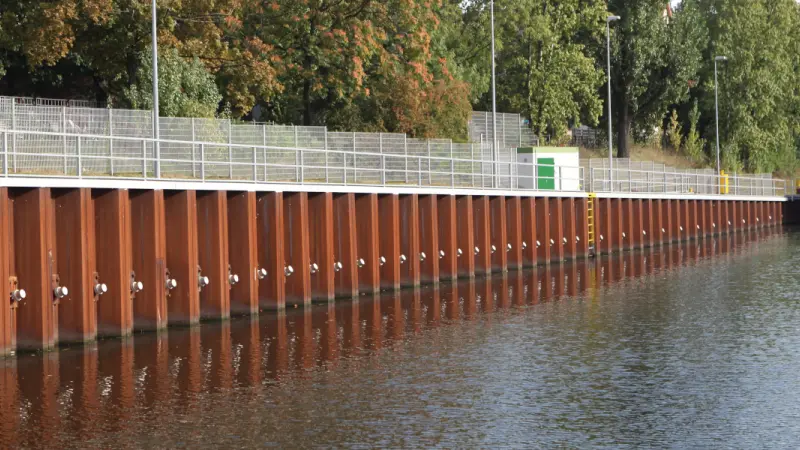
The price of sheet piling is not only decided by the length of the wall. I always tell customers that they need to understand the difference between the material price and the complete piling cost.
What factors affect sheet piling cost per metre?
When I calculate a sheet pile project, I normally check several important factors.
| Cost Factor | How It Affects Price |
|---|---|
| Sheet pile type | U type, Z type, and special profiles have different weights and prices |
| Steel grade | Higher strength steel usually increases material cost |
| Pile length | Longer piles require more steel and higher transportation costs |
| Steel thickness | Thicker sections provide higher strength but increase weight |
| Installation method | Vibratory driving and impact driving have different equipment costs |
| Soil condition | Hard soil may require stronger equipment and more working time |
| Location | Transportation distance affects the final project budget |
A customer who only compares the price per ton may misunderstand the real project cost. A lighter sheet pile may have a lower purchase price, but it may need deeper installation or additional support systems. This can increase the total construction cost.
I usually recommend that buyers compare the cost based on the completed retaining system instead of only looking at steel price.
Material cost vs installation cost
Steel sheet piles are normally sold by weight. The common calculation method is:
Total material cost = Weight per meter × Total length × Steel price per ton
For example, if a sheet pile weighs 80 kg/m and the required wall length is 1,000 meters:
- Total steel weight = 80 kg × 1,000 m = 80,000 kg
- Total steel weight = 80 tons
The buyer can then multiply the steel weight by the current steel price.
However, the project still needs other costs.
| Cost Item | Included Details |
|---|---|
| Sheet pile material | Steel pile production cost |
| Transportation | Factory to port or project site |
| Loading and unloading | Handling equipment cost |
| Installation | Driving equipment and labor |
| Engineering support | Design and technical service |
| Inspection | Third-party inspection if required |
For international projects, transportation can become an important part of the budget. For example, my company supplies steel sheet piles from Liaocheng, Shandong, China. Many overseas customers choose Chinese manufacturers because they can receive factory-direct prices and stable supply.
For large projects in the Middle East, Southeast Asia, Africa, and South America, reducing material procurement cost can create a significant advantage.
Why do UK projects have different sheet piling prices?
The UK market often has higher installation costs because labor, equipment rental, and engineering requirements are different from many other countries.
A contractor may spend more on:
- Professional piling equipment
- Site preparation
- Safety management
- Engineering inspection
- Environmental protection requirements
The material price from a Chinese manufacturer may be competitive, but the final installed price depends on local conditions.
I have seen many international buyers compare only the factory quotation. Later, they find that installation problems create additional costs. This is why I always ask customers about their application before recommending a sheet pile model.
My experience with riverbank protection projects
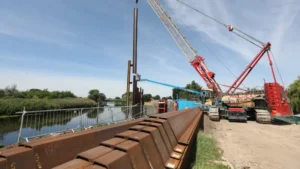
One project that impressed me was a riverbank protection project in Southeast Asia. The contractor needed a reliable retaining structure for flood control.
The project used hot rolled U type steel sheet piles. The piles were driven into the soil to create a continuous barrier along the riverbank.
The contractor selected this solution because the interlocking system provided strong connection between each section. The wall helped reduce soil erosion and improved riverbank stability.
During this project, the installation team used vibratory piling equipment. The method helped maintain the construction schedule and reduced installation time.
From my experience, I believe the right sheet pile selection can reduce the total project cost. A suitable profile can provide enough strength without unnecessary material usage.
I do not recommend customers choose sheet piles only by the lowest quotation. I recommend checking the engineering requirement first. The correct product can save money during installation and reduce future maintenance costs.
How much does a steel pile cost?
The cost of a steel pile depends on its size, steel grade, weight, and application. Steel sheet piles are usually priced by weight because different profiles have different material consumption.
A steel sheet pile can cost from hundreds to thousands of dollars per piece depending on its length, weight, steel grade, and market price. The final cost should be calculated based on total steel weight and project requirements.
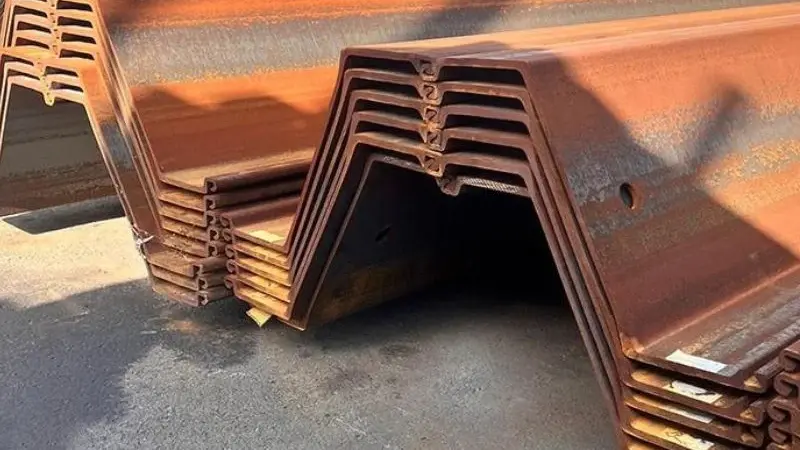
How is steel pile pricing calculated?
When I receive an inquiry from a contractor or distributor, I do not calculate the price by length only. I first check the pile specification because the weight has a direct relationship with the final cost.
The basic formula I use is:
Steel pile cost = Unit weight × Total quantity × Steel price per ton
For example, a Z type steel sheet pile with a weight of 75 kg/m will have a different cost compared with a heavier profile of 100 kg/m. Even if both products have the same length, the material consumption is different.
I usually check the following information before preparing a quotation:
| Information Required | Why It Matters |
|---|---|
| Sheet pile type | Different profiles have different structural performance |
| Length | Longer piles increase material and transportation costs |
| Thickness | Thicker steel provides higher strength but increases weight |
| Steel grade | Different grades have different mechanical properties |
| Quantity | Large orders usually reduce average cost |
| Delivery location | Shipping cost changes by destination |
Many international buyers ask me why two suppliers provide different prices for the same sheet pile size. In many cases, the reason is not only the steel price. The difference may come from:
- Different steel grades
- Different production standards
- Different manufacturing processes
- Different tolerances
- Different inspection services
For example, two suppliers may quote a U type sheet pile with the same nominal size. However, one supplier may provide a lighter section with lower steel consumption, while another supplier may provide a heavier section with stronger performance.
I believe buyers should compare technical data before comparing prices.
Why does steel grade influence sheet pile cost?
Steel grade is another important factor that affects the price.
Common sheet pile materials include:
| Steel Grade | Typical Application |
|---|---|
| Q235 | General temporary projects |
| Q345 | Common construction applications |
| S355 | Heavy-duty engineering projects |
| ASTM A572 | International infrastructure projects |
| ASTM A690 | Marine and corrosion-related applications |
Higher-strength steel can provide better performance with reduced section weight in some designs. However, the price per ton may be higher.
I often explain to customers that the cheapest steel grade is not always the best choice.
For example, a temporary excavation project may not require the same material as a permanent port structure. A marine project exposed to seawater needs stronger corrosion resistance and longer service life.
The correct steel grade depends on:
- Project duration
- Environmental conditions
- Structural load
- Design requirements
For international engineering projects, I recommend customers follow recognized design standards or local engineering specifications and combine them with supplier technical data.
Are Chinese steel sheet piles more cost-effective?
Many contractors and distributors choose Chinese steel sheet pile manufacturers because of competitive factory pricing and stable production capacity.
From my experience, Chinese manufacturers can provide advantages in several areas:
| Advantage | Benefit for Buyers |
|---|---|
| Large production capacity | Supports large project requirements |
| Factory-direct supply | Reduces middle supplier costs |
| Multiple profiles available | Helps customers choose suitable designs |
| OEM production | Supports special project requirements |
| Export experience | Makes international delivery easier |
My company works with certified mills and provides U type, Z type, Omega type, and other sheet pile profiles for international customers.
I have supplied sheet piles for customers who needed products for:
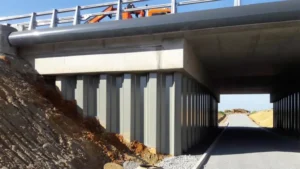
- Deep excavation support
- Bridge foundation projects
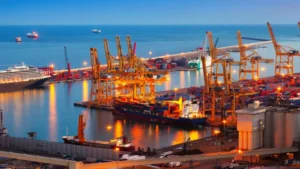
- Port construction
- Flood protection systems
- Riverbank stabilization
Many customers initially focus on the lowest purchase price. However, they later understand that reliable quality creates more value.
A low-quality sheet pile may cause problems during driving. The interlocks may not connect properly. The pile may deform during installation. These problems can increase labor costs and delay the project schedule.
I believe the real value of a supplier comes from combining price, quality, technical support, and delivery reliability.
Are sheet piles expensive?
Many people think steel sheet piles are expensive because they are large steel products used in major construction projects. However, the real cost depends on the application and the value they provide.
Sheet piles are not always expensive. They are cost-effective because they create strong retaining walls, reduce excavation risks, and can be reused in many temporary projects.
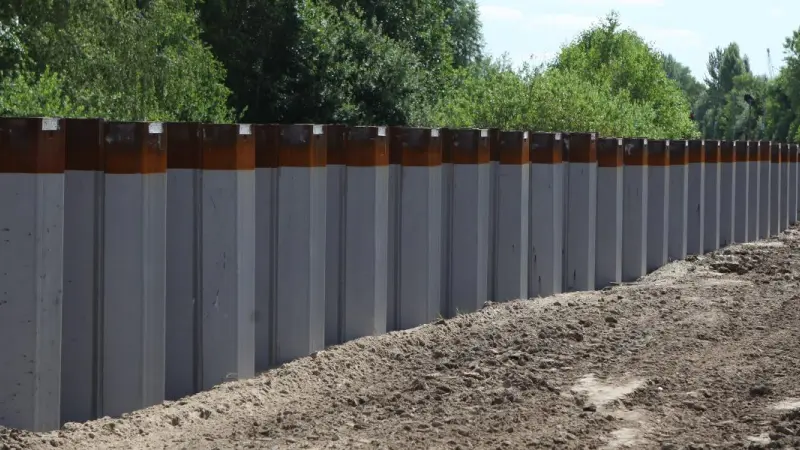
Why do sheet piles have a high initial cost?
The initial investment of steel sheet piles can appear high because the product contains a large amount of steel.
A complete sheet pile system includes:
- Steel sheet pile material
- Transportation
- Installation equipment
- Labor
- Engineering design
However, the cost should be evaluated based on the whole project life cycle.
A good sheet pile system can provide:
| Benefit | Project Value |
|---|---|
| Fast installation | Shortens construction time |
| Strong interlocking | Creates stable retaining walls |
| Reusable design | Reduces future material cost |
| Water resistance | Helps control groundwater |
| Long service life | Reduces maintenance |
I have worked with contractors who initially wanted the lowest-cost retaining solution. After comparing different options, they selected steel sheet piles because the installation speed and reliability created better overall value.
Sheet piles compared with other retaining methods
Different retaining systems have different costs.
| Retaining Method | Cost Feature |
|---|---|
| Concrete retaining wall | High labor and construction time |
| Soldier pile wall | Requires additional support systems |
| Timber retaining wall | Lower initial cost but shorter lifespan |
| Steel sheet pile wall | Higher material cost but faster installation |
Steel sheet piles are especially useful when projects require fast construction.
For example, flood control projects often need quick protection before the rainy season. A concrete solution may require more preparation and curing time. Steel sheet piles can often be installed faster.
My opinion on sheet pile cost
From my experience, I think customers should stop looking at sheet piles as only a steel product.
A sheet pile wall is a complete engineering solution.
The cheapest material does not always create the lowest project cost.
I remember a customer working on a flood protection project who originally planned to purchase the lightest sheet piles available. After reviewing the soil condition, the engineering team recommended a stronger U type hot rolled sheet pile.
The customer paid slightly more for the material, but the installation process became smoother. The wall performance also improved.
This experience showed me that the correct product selection is more important than the lowest price.
When I provide quotations, I always try to understand:
- Where will the sheet piles be used?
- Is the project temporary or permanent?
- What soil condition exists?
- Is water pressure involved?
- What installation equipment is available?
These questions help me recommend a more suitable solution.
A professional supplier should not only sell steel. A professional supplier should help customers reduce project risk.
How to calculate piling cost?
Many contractors calculate piling cost only by looking at the material quotation. This method can create inaccurate budgets because steel sheet piling projects include many other expenses.
Piling cost is calculated by adding material cost, transportation cost, installation cost, equipment cost, labor cost, and additional project expenses. The total cost depends on sheet pile specifications, site conditions, and construction methods.
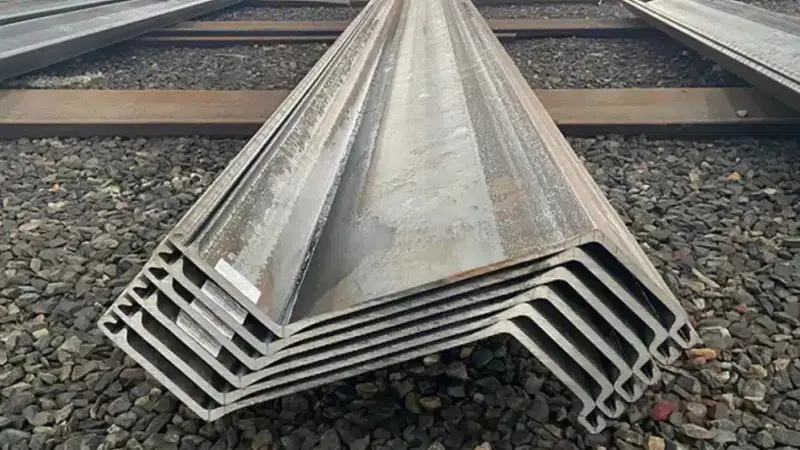
When I prepare a quotation for international customers, I always explain that the steel price is only the first step. A complete piling budget needs to consider the entire construction process.
A contractor may buy low-cost sheet piles, but if the piles are difficult to install or the specification is not suitable, the project may spend more money later.
I have seen customers save money during purchasing but lose time and budget during installation. This is why I always recommend evaluating the total project cost instead of only comparing the material price.
Main factors included in piling cost calculation
A complete piling cost calculation usually includes several parts.
| Cost Category | Details |
|---|---|
| Material cost | Steel sheet pile purchase price |
| Shipping cost | Ocean freight, inland transportation, port handling |
| Installation cost | Driving equipment, operators, labor |
| Engineering cost | Design support and technical consultation |
| Inspection cost | SGS or third-party quality inspection |
| Site preparation | Ground preparation and working platform |
Each project has different conditions. A port project, riverbank protection project, and excavation support project may use similar sheet piles, but their costs can be very different.
Step 1: Calculate steel sheet pile material cost
The first step is calculating the required steel weight.
The basic formula is:
Material Weight = Unit Weight (kg/m) × Total Pile Length (m)
For example:
A project requires:
- U type sheet piles
- Unit weight: 80 kg/m
- Total installed length: 2,000 meters
The total steel weight is:
80 kg × 2,000 m = 160,000 kg
160,000 kg = 160 tons
After calculating the total weight, the buyer can multiply it by the steel price per ton.
Material Cost = Total Weight × Steel Price per Ton
This calculation gives the basic product cost.
However, the final project cost still needs more factors.
Step 2: Add transportation cost
Transportation is an important part of international sheet pile projects.
Because steel sheet piles are heavy products, shipping costs can influence the final budget.
The transportation cost depends on:
| Factor | Impact |
|---|---|
| Shipping distance | Longer distance increases freight cost |
| Order volume | Larger shipments may reduce average cost |
| Destination port | Different ports have different charges |
| Packing method | Special packing may increase cost |
My company supplies steel sheet piles from Liaocheng, Shandong, China. We work with experienced logistics partners to help customers arrange international shipment.
Many customers from the Middle East, Southeast Asia, Africa, and South America choose Chinese manufacturers because factory-direct supply can reduce procurement costs.
Step 3: Calculate installation cost
Installation is another major part of piling cost.
The installation price depends on:
- Soil condition
- Pile length
- Driving equipment
- Working environment
- Project schedule
Common installation methods include:
| Installation Method | Application |
|---|---|
| Vibratory hammer | Common for normal soil conditions |
| Impact hammer | Used for harder ground |
| Press-in piling | Used near sensitive structures |
For example, a riverbank project with soft soil may require less driving force compared with a rocky construction area.
The equipment selection affects both cost and construction speed.
Step 4: Consider project conditions
Every construction site is different.
The same sheet pile design can have different costs in different locations.
Important conditions include:
Soil condition
Soft soil may require deeper piles.
Hard soil may require stronger installation equipment.
Water condition
Projects near rivers or oceans need to consider water pressure and corrosion protection.
Accessibility
A crowded urban project may have limited working space, which can increase installation difficulty.
Project duration
Temporary projects may use reusable sheet piles.
Permanent projects may require stronger steel grades and corrosion protection.
My experience from international sheet pile projects
I worked with a contractor on a riverbank protection project in Southeast Asia. The project required a reliable flood control system because seasonal flooding created serious erosion problems.
The contractor selected hot rolled U type steel sheet piles.
The project team installed the piles along the riverbank to create a continuous retaining wall. The interlocking system connected each pile tightly and helped improve water control.
The contractor used vibratory piling equipment during installation. This method helped maintain the construction schedule.
From my perspective, this project showed that the correct sheet pile selection can control the total cost.
The contractor did not choose the cheapest pile available. The contractor selected a product that matched the soil condition and project requirements.
The result was a stable retaining system with efficient installation.
I believe this is the most important point when calculating piling cost.
The lowest purchase price does not always mean the lowest project cost.
A good calculation considers:
- Initial material investment
- Installation efficiency
- Long-term performance
- Maintenance requirements
When I provide solutions for customers, I focus on helping them find the best balance between price and performance.
Conclusion
Steel sheet pile cost depends on material, installation, transportation, and project conditions. A complete calculation helps buyers choose the right solution.