Many contractors struggle to choose the right sheet pile profile. A wrong choice can increase project costs and reduce structural performance.
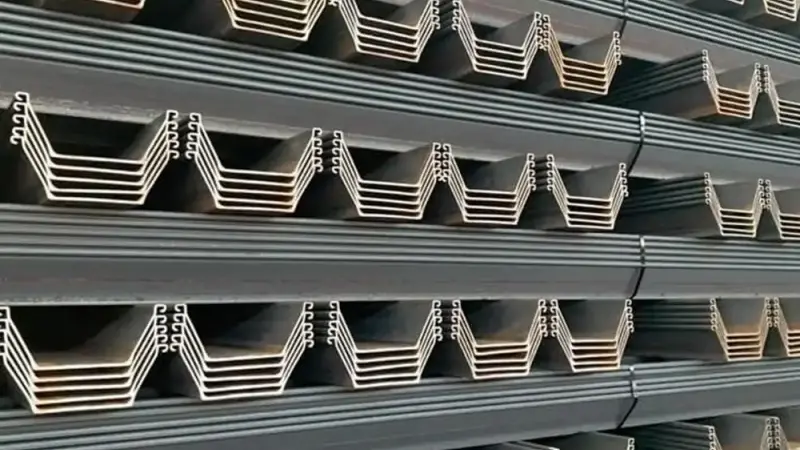
Omega sheet piles are specially shaped steel sheet piles designed to provide efficient soil retention, strong interlocking performance, and cost-effective installation. They are commonly used in retaining walls, flood protection systems, waterfront structures, and deep excavation projects.
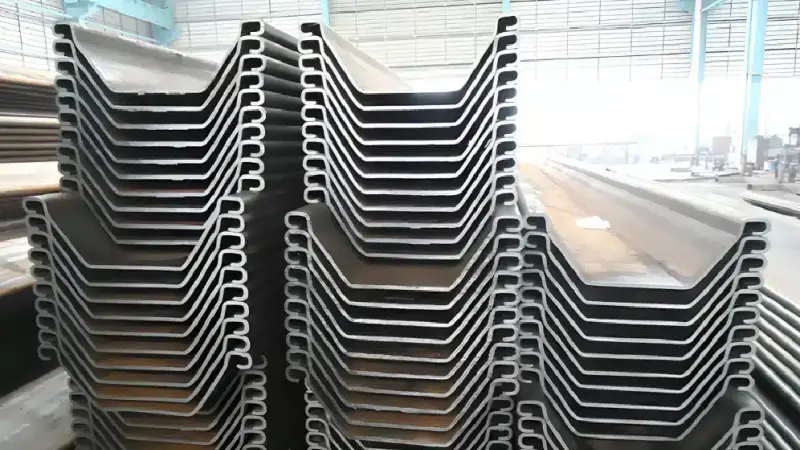
I often receive questions about Omega sheet piles from contractors and distributors. Many buyers are familiar with U type and Z type profiles but know less about Omega sections. The truth is that Omega sheet piles can offer unique advantages in certain projects. In this article, I will explain when Omega sheet piles should be used and answer several common questions that buyers ask before selecting a piling system.
For technical product reference, see ArcelorMittal cold formed sections and the ArcelorMittal temporary works page.
When to use sheet piles?
Many projects require temporary or permanent earth retention. Choosing the wrong retaining system can increase risk and delay construction.
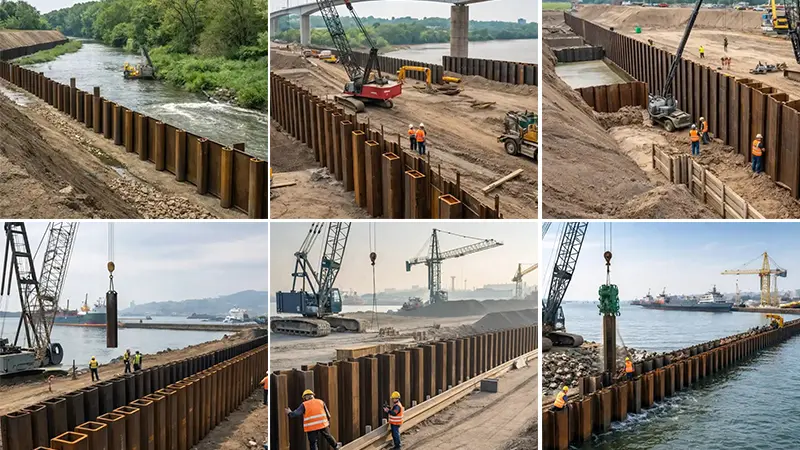
Sheet piles should be used when a project requires soil retention, excavation support, water control, erosion protection, or temporary structural barriers. They are widely used in civil engineering and marine construction.
Common Situations for Sheet Piles
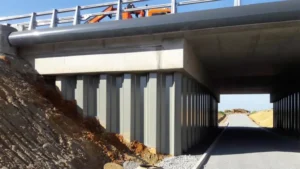
Sheet piles create continuous walls by interlocking individual sections. This allows them to resist earth pressure and control groundwater.
Typical applications include:
- Deep excavations
- Retaining walls
- Flood protection
- Cofferdams
- Riverbank stabilization
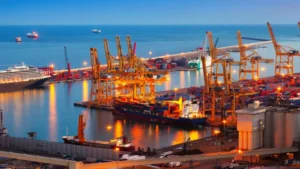
- Port construction
Why Contractors Prefer Sheet Piles
Many contractors choose sheet piles because installation is relatively fast. Modern vibratory hammers can drive piles efficiently even on large projects.
Another benefit is reusability. Temporary sheet pile walls can often be extracted and reused on future projects.
Application Comparison
| Project Type | Sheet Piles Recommended |
|---|---|
| Basement Excavation | Yes |
| Riverbank Protection | Yes |
| Bridge Foundation Support | Yes |
| Temporary Cofferdam | Yes |
| High-Rise Foundation Loads | No |
My Experience
I often work with contractors involved in infrastructure projects across the Middle East and Southeast Asia. Most buyers use sheet piles because they need a balance between speed, reliability, and cost control.
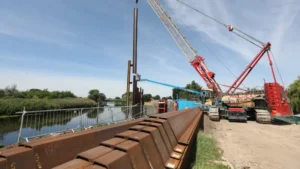
In one riverbank protection project in Southeast Asia, hot rolled U type sheet piles formed a continuous barrier that stabilized the riverbank and reduced erosion. The contractor completed installation quickly and maintained the project schedule.
My view is simple. Sheet piles work best when projects need both structural support and construction efficiency. I always recommend reviewing soil reports and excavation requirements before selecting a profile.
For temporary works and reuse guidance, see the ArcelorMittal temporary works page and the Steel Piling (UK) temporary sheet piling page.
What are the three types of piling?
Many buyers confuse piling systems because different pile types serve different engineering purposes.
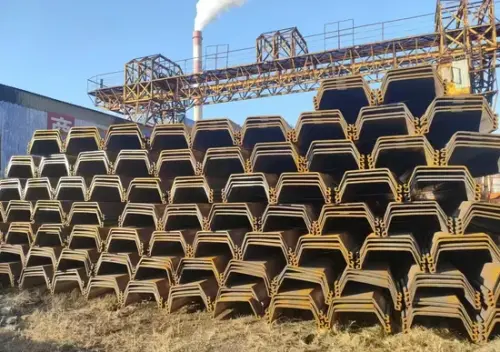
The three main types of piling are driven piles, bored piles, and sheet piles. Each type is designed for specific structural and geotechnical requirements.
Driven Piles
Driven piles are manufactured before installation and then driven into the ground.
Common materials include:
- Steel
- Concrete
- Timber
These piles transfer loads to deeper soil layers.
Bored Piles
Bored piles are constructed on-site.
Contractors drill holes and fill them with reinforced concrete.
These piles are often used in urban projects where vibration must be minimized.
Sheet Piles
Sheet piles are different because they primarily retain soil rather than carry vertical loads.
Applications include:
- Retaining walls
- Excavation support
- Flood control systems
Comparison Table
| Type | Main Purpose | Installation |
|---|---|---|
| Driven Pile | Load Bearing | Driven |
| Bored Pile | Load Bearing | Drilled |
| Sheet Pile | Soil Retention | Driven |
My Perspective
I often find that clients use the term "piling" broadly. Before providing a quotation, I ask whether they need foundation support or soil retention.
This simple question avoids misunderstandings and helps identify the correct engineering solution.
From my experience, sheet piles remain one of the most flexible piling systems available because they combine structural support, water control, and rapid installation.
For driven pile and general foundation references, see the Deep Foundations Institute and the Steel Piling Group design guidance.
When should piles be used?
Weak soil conditions can create serious challenges for construction projects. Without proper foundations, structures may settle unevenly or fail.
Piles should be used when surface soils cannot safely support structural loads or when deeper stable layers are needed to transfer loads and improve stability.
Common Reasons for Using Piles
Engineers select piles when:
- Soil bearing capacity is low
- Groundwater levels are high
- Structural loads are heavy
- Settlement risks exist
Soil Conditions Matter
Different soil conditions require different solutions.
| Soil Condition | Need for Piles |
|---|---|
| Dense Rock | Low |
| Dense Sand | Moderate |
| Soft Clay | High |
| Loose Fill | High |
Temporary and Permanent Uses
Piles are not limited to permanent structures.
Temporary applications include:
- Cofferdams
- Excavation support
- Construction access platforms
What I Usually See
Most infrastructure projects that involve ports, bridges, or deep excavations require some form of piling.
I have worked with contractors who initially planned shallow foundations but later switched to pile-supported systems after receiving geotechnical reports.
My recommendation is always the same. Soil investigation should happen before final material selection. Good design begins with understanding the ground conditions.
What are the pros and cons of sheet piles?
Every construction solution has advantages and limitations. Buyers should understand both before making procurement decisions.
Sheet piles provide fast installation, strong earth retention, and reusability. Their limitations include installation noise, vibration, corrosion concerns, and challenges in hard ground conditions.
Advantages
Sheet piles offer several important benefits.
Fast Installation
Contractors can install sheet piles quickly using modern equipment.
Reusable Materials
Temporary walls can often be removed and reused.
Water Control
Interlocking sections create continuous barriers.
Structural Reliability
Steel sheet piles provide excellent strength and flexibility.
Disadvantages
Several limitations should also be considered.
Noise and Vibration
Urban projects may face restrictions.
Corrosion Risk
Marine environments require corrosion protection.
Hard Ground Challenges
Rock and dense gravel can increase installation difficulty.
Comparison Table
| Factor | Advantage | Disadvantage |
|---|---|---|
| Installation | Fast | Noise |
| Durability | Long Life | Corrosion Risk |
| Cost | Reusable | Initial Investment |
| Water Control | Excellent | Installation Conditions Matter |
My Honest Observation
Many buyers focus only on steel prices.
I believe this is a mistake.
The true value of sheet piles comes from installation speed, project reliability, and long-term performance.
In many cases, higher-quality sheet piles reduce total project costs even if the initial material price is slightly higher.
For urban excavation support and installation considerations, see the Steel Piling (UK) excavation support solutions page and the HSE Temporary Works guidance.
How long do sheet piles last?
Durability is one of the most important factors when selecting a sheet pile system.
Steel sheet piles can last between 50 and 100 years or more depending on environmental conditions, corrosion rates, steel thickness, and protective measures.
Factors Affecting Lifespan
Several variables influence service life.
Environment
Corrosion rates vary significantly.
| Environment | Typical Lifespan |
|---|---|
| Inland Soil | 75–100+ Years |
| Freshwater | 50–75 Years |
| Marine Environment | 30–75 Years |
| Aggressive Industrial Areas | Depends on Protection |
Steel Thickness
Thicker sections provide greater corrosion allowance.
Protective Coatings
Common options include:
- Epoxy coatings
- Coal tar coatings
- Cathodic protection systems
Quality Matters
I prefer working with certified mills because consistent steel quality contributes directly to long-term performance.
My Experience
Many infrastructure clients focus on lifecycle cost rather than purchase price.
I agree with this approach.
A retaining wall designed for 75 years often provides better value than a cheaper system that requires major repairs after 20 years.
I always ask clients about environmental conditions before recommending corrosion protection measures.
For durability references and marine corrosion context, see the ArcelorMittal temporary works page and the Steel Piling Group design guidance.
How deep do sheet piles need to go?
Many people focus only on visible wall height. The buried portion is often even more important.
Sheet piles typically extend 50% to 70% of the retained height below ground, although actual embedment depth depends on soil conditions, groundwater, and structural loads.
Why Embedment Matters
The embedded section provides resistance against:
- Sliding
- Rotation
- Uplift
- Excessive deflection
Typical Rule of Thumb
| Retained Height | Typical Embedment |
|---|---|
| 3 m | 1.5–2.1 m |
| 5 m | 2.5–3.5 m |
| 8 m | 4–5.6 m |
| 10 m | 5–7 m |
Factors Affecting Depth
Soil Type
Dense soils provide greater passive resistance.
Groundwater
Water pressure increases loading requirements.
Anchored Systems
Anchors can reduce embedment requirements.
Engineering Verification
The rule of thumb is only a starting point.
Final design should always include geotechnical calculations and engineering review.
For technical guidance, engineers often refer to resources from the Deep Foundations Institute and the Steel Sheet Piling Association.
My Practical View
I have seen projects where increasing embedment depth slightly improved long-term stability significantly.
In our Southeast Asia riverbank protection project, engineers increased embedment depth after reviewing soil conditions. The additional steel cost was relatively small compared with the improved performance.
This experience reinforced a lesson I often share with buyers. The portion of the sheet pile that nobody sees is often the most important part of the entire wall.
Conclusion
Omega sheet piles offer an effective solution for many retaining structures. The best choice always depends on soil conditions, project requirements, installation methods, and long-term performance goals.