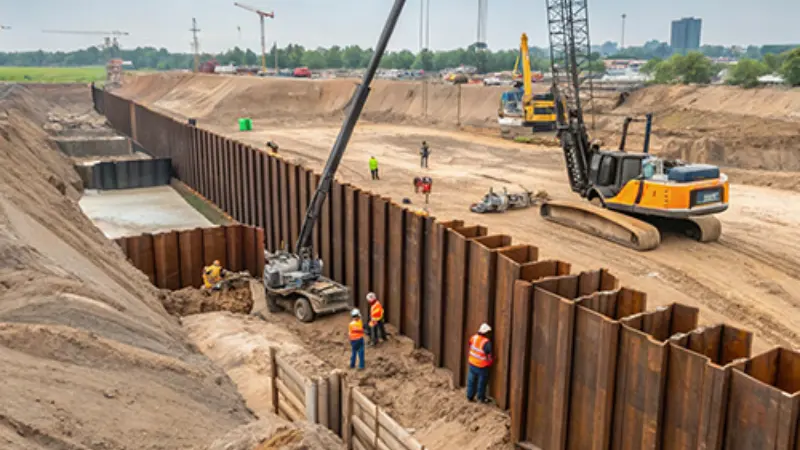
Many buyers focus only on the lowest steel price. This often leads to higher installation costs, project delays, and unnecessary engineering expenses.
The most cost effective sheet pile is usually the profile that provides the required structural performance with the lowest total project cost. In many projects, hot rolled U type sheet piles offer the best balance of price, strength, installation speed, and availability.
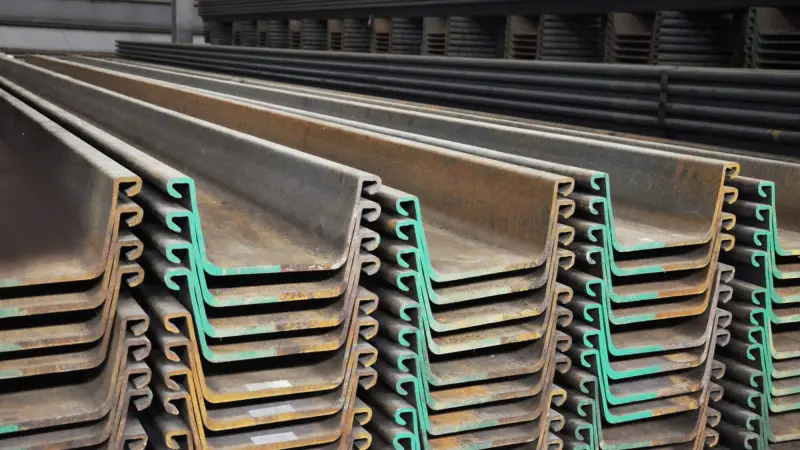
When contractors ask me about the cheapest sheet pile, I rarely answer with a specific section size. The cheapest steel is not always the most economical solution. I prefer to look at the entire project. Soil conditions, installation equipment, excavation depth, transportation costs, and wall design all affect the final budget. In this article, I will explain how I evaluate sheet pile costs and answer the most common questions buyers ask before placing an order.
For pricing context and product selection references, see the ArcelorMittal Sheet Piling homepage and the ArcelorMittal Piling Handbook.
How much does sheet piling cost per Metre UK?
Many project owners start budgeting before receiving detailed engineering drawings. This often creates unrealistic cost expectations.
In the UK, sheet piling generally costs between £250 and £1,000+ per linear metre, including materials and installation. The final cost depends on sheet pile type, wall depth, ground conditions, access restrictions, and support requirements.
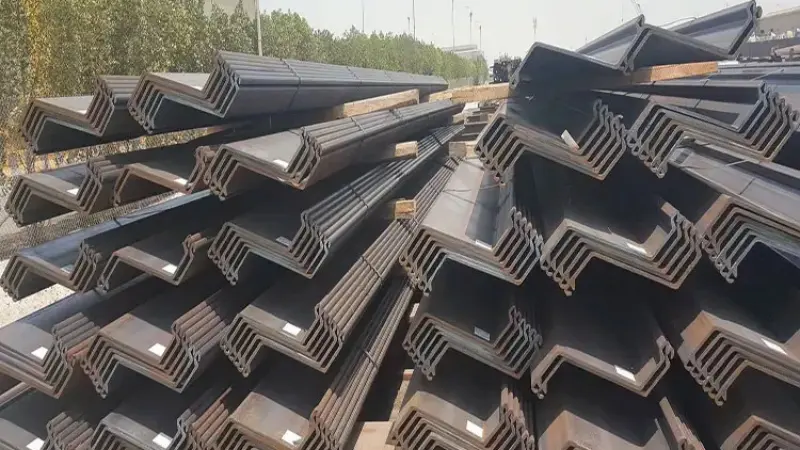
Why Prices Vary So Much
No two sheet pile projects are exactly the same.
Several factors influence cost:
- Pile length
- Steel grade
- Excavation depth
- Installation method
- Groundwater conditions
- Equipment access
Typical Cost Breakdown
| Cost Item | Approximate Share |
|---|---|
| Sheet Piles | 40%–60% |
| Installation | 20%–35% |
| Equipment Mobilization | 5%–15% |
| Engineering Design | 5%–10% |
| Ancillary Works | 5%–15% |
Urban Projects Usually Cost More
Many UK projects are located in dense urban environments.
Contractors often face:
- Noise restrictions
- Limited equipment access
- Traffic management requirements
- Existing underground utilities
These factors increase installation costs.
My View on UK Pricing
I often see buyers comparing quotations based only on steel tonnage.
I think this approach can be misleading.
A stronger profile may reduce bracing requirements and shorten installation time. This can lower the overall project cost even when the material price is higher.
When clients ask me for a quotation, I always request excavation depth, soil reports, and wall drawings first. This allows me to recommend a section that provides the best value rather than simply the lowest steel price.
For UK design and specification context, see the Steel Piling Group specifiers’ guide and the Steel Piling Group design guidance.
What is the cheapest piling method?
Many developers assume the cheapest foundation system is always the best choice. In reality, site conditions determine the true cost.
Driven steel piles are often among the most economical piling methods for many projects because installation is fast and equipment requirements are relatively simple. However, the cheapest method depends on soil conditions and project design.
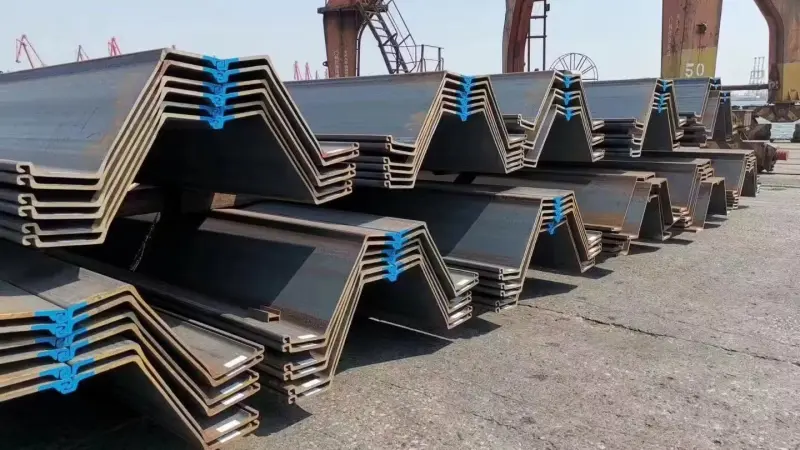
Common Piling Methods
Several piling solutions are available.
Driven Piles
Driven piles are installed using impact or vibratory equipment.
Advantages include:
- Fast installation
- Factory-controlled quality
- Lower labor requirements
Bored Piles
Bored piles require drilling and concrete placement.
Advantages include:
- Low vibration
- Good performance in urban areas
Disadvantages include:
- Longer installation time
- Higher labor costs
Screw Piles
Screw piles can be economical for light structures.
However, they are not suitable for every project.
Cost Comparison
| Pile Type | Typical Cost Level |
|---|---|
| Driven Steel Pile | Low to Medium |
| Bored Pile | Medium to High |
| Screw Pile | Low |
| Sheet Pile Wall | Medium |
What I Usually Recommend
I always remind clients that the cheapest piling method depends on the entire project.
A method that appears cheap on paper may become expensive if ground conditions are difficult.
I have seen contractors save money by selecting driven steel solutions because installation was completed much faster than alternative methods.
My opinion is simple. Project efficiency often creates bigger savings than material cost alone.
For foundation system guidance, see the Deep Foundations Institute and the Steel Piling Group design guidance.
How much do sheet pilings cost?
Many buyers expect a fixed market price for sheet piles. Unfortunately, the market does not work that way.
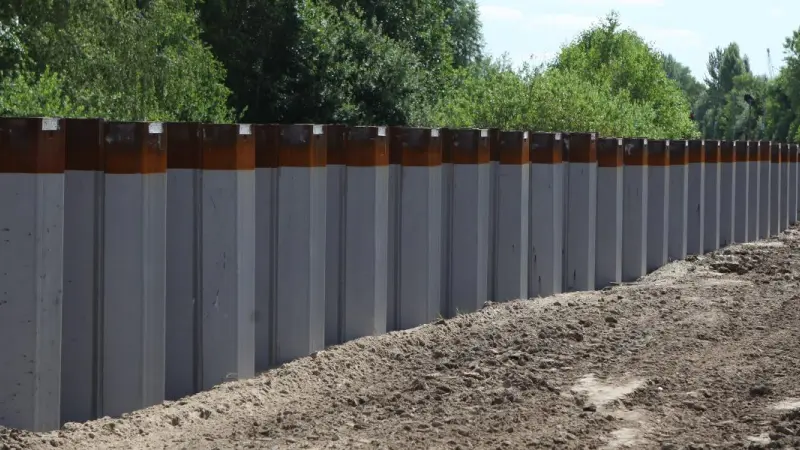
Sheet pile costs typically range from several hundred dollars to several thousand dollars per ton depending on profile type, steel grade, coating requirements, and market conditions. Installation costs are separate and can significantly affect total project budgets.
Main Cost Factors
The final cost depends on several variables.
Profile Type
Different profiles require different amounts of steel.
Examples include:
- U type sheet piles
- Z type sheet piles
- Omega sheet piles
- Straight web sheet piles
Steel Grade
Higher strength steel generally costs more.
Corrosion Protection
Additional protection measures increase project costs.
Examples include:
- Epoxy coatings
- Cathodic protection
- Increased steel thickness
Transportation
Freight costs can become significant for long piles.
Example Cost Drivers
| Factor | Cost Impact |
|---|---|
| Longer Piles | High |
| Stronger Steel Grade | Medium |
| Protective Coatings | Medium |
| Ocean Freight | Medium |
| Special Profiles | Medium |
My Experience
As a supplier working with certified mills in Liaocheng, Shandong, I often help clients optimize costs before production begins.
Many buyers initially request heavy sections.
After reviewing design loads, we sometimes identify lighter alternatives that still meet engineering requirements.
I believe early communication between suppliers, engineers, and contractors often produces the largest cost savings.
For design and handbook references, see the ArcelorMittal Sheet Piling homepage and the ArcelorMittal Piling Handbook.
What is the difference between Type 2 and Type 4 sheet piles?
Many buyers compare Type 2 and Type 4 sheet piles because both are common options for retaining walls.
Type 2 sheet piles are lighter sections designed for moderate applications, while Type 4 sheet piles are heavier and provide greater bending resistance for deeper excavations and higher earth pressures.

Structural Capacity Comparison
The biggest difference is section modulus.
Type 4 sections provide greater resistance against bending moments.
Typical Uses
| Application | Type 2 | Type 4 |
|---|---|---|
| Utility Trenches | Excellent | Good |
| Temporary Retaining Walls | Excellent | Excellent |
| Deep Excavations | Moderate | Excellent |
| Marine Structures | Moderate | Excellent |
Weight and Cost
Type 4 sections contain more steel.
This increases material cost.
However, stronger sections can reduce:
- Additional bracing
- Structural supports
- Installation risks
My Recommendation
I never recommend Type 2 or Type 4 based solely on budget.
I first review:
- Soil conditions
- Excavation depth
- Groundwater level
- Design loads
I often see contractors save money by choosing a stronger section that simplifies construction.
The cheapest section is not always the most economical solution.
For engineering guidance, see the Steel Piling Group design page and the ArcelorMittal engineering pages.
How deep do sheet piles need to go?
Many people focus only on the visible height of the wall. The buried section is often more important.
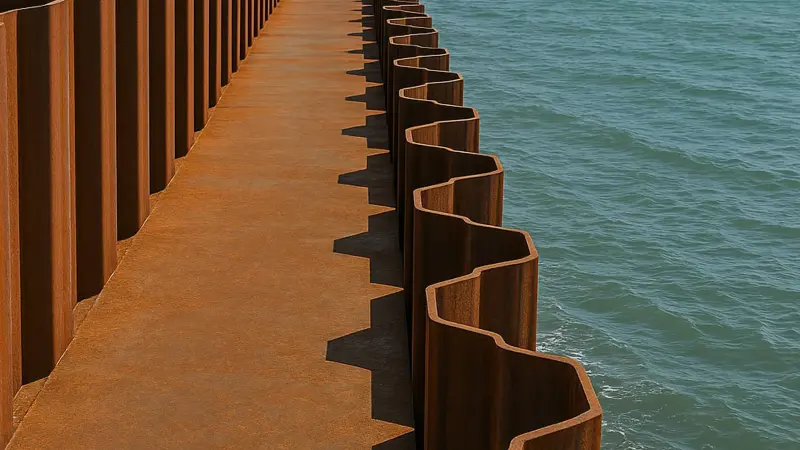
As a general guideline, sheet piles often require embedment depths equal to 50% to 70% of the retained height. Actual depth depends on soil conditions, groundwater levels, and design loads.
Why Embedment Is Critical
The embedded portion provides stability.
Without sufficient depth, the wall may:
- Rotate
- Slide
- Deflect excessively
Typical Guidelines
| Retained Height | Typical Embedment |
|---|---|
| 3 m | 1.5–2.1 m |
| 5 m | 2.5–3.5 m |
| 8 m | 4–5.6 m |
| 10 m | 5–7 m |
Factors Affecting Embedment
Soil Strength
Dense soils provide greater resistance.
Groundwater
Water pressure increases design requirements.
Anchoring Systems
Anchored walls often require less embedment than cantilever walls.
My Practical Observation
I have seen projects where a small increase in embedment depth dramatically improved stability.
In our Southeast Asia riverbank protection project, engineers increased embedment depth after reviewing soil conditions.
The additional steel cost was relatively small. The improvement in long-term performance was substantial.
This experience taught me that the portion of the pile below ground often determines the success of the entire structure.
How much does a 4×8 sheet of 1/4 steel cost?
Many buyers compare sheet pile prices with standard steel plate prices. These products serve different purposes but understanding plate costs can still help budgeting.
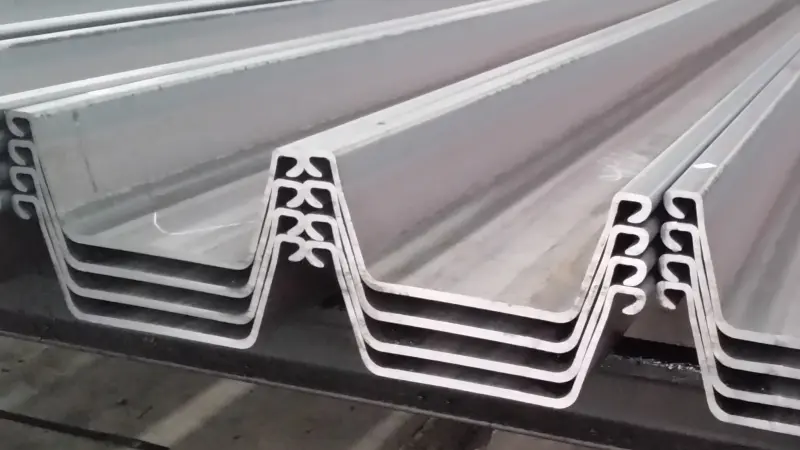
A 4×8 sheet of 1/4-inch steel plate typically costs between $300 and $800 or more depending on steel grade, market conditions, supplier location, and processing requirements.
Why Prices Fluctuate
Steel markets change regularly.
Factors include:
- Raw material costs
- Energy prices
- Shipping costs
- Regional demand
Weight Calculation
A standard 4×8 sheet of 1/4-inch carbon steel weighs approximately 326 pounds (148 kg).
Cost Drivers
| Factor | Impact |
|---|---|
| Steel Grade | High |
| Surface Treatment | Medium |
| Quantity Ordered | Medium |
| Processing Services | Medium |
| Transportation | Medium |
Comparing Steel Plate and Sheet Piles
Sheet piles undergo specialized rolling processes.
They include:
- Engineered profiles
- Interlocking systems
- Structural performance requirements
This makes direct price comparisons difficult.
My Perspective
I often see new buyers use steel plate pricing as a reference point for sheet pile budgets.
I understand the logic, but the comparison is not always useful.
Sheet piles provide structural functions that standard plates cannot perform.
When evaluating costs, I encourage clients to focus on the complete engineered solution rather than raw steel weight alone.
For technical information and design references, engineers often consult the Deep Foundations Institute and the Steel Sheet Piling Association.
Conclusion
The most cost effective sheet pile is not necessarily the cheapest profile. The best value comes from balancing material cost, installation efficiency, structural performance, and long-term durability.