Hard soil can turn a simple sheet piling job into a costly delay. Many contractors struggle with pile refusal, damaged interlocks, and slow installation when the ground is denser than expected.
To drive sheet piles in hard soil, I usually choose high-strength steel sheet piles, use vibratory or impact hammers with sufficient energy, and perform soil investigation before installation. In very hard layers, pre-drilling may be necessary to achieve the required depth.
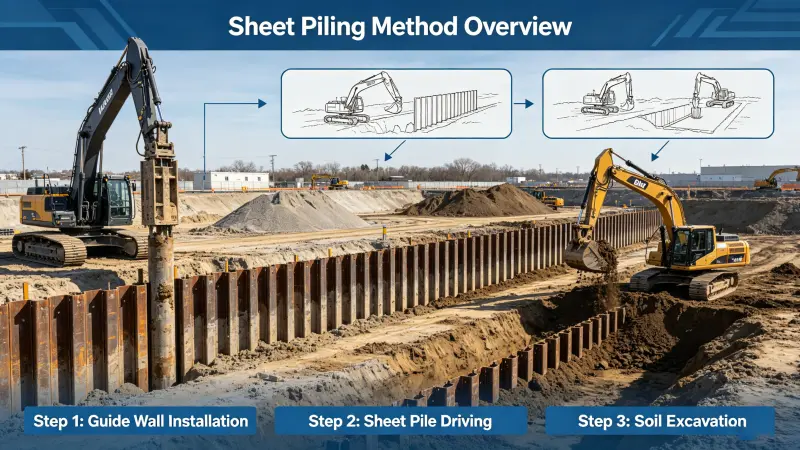
Many buyers focus only on the sheet pile profile. I think installation conditions are equally important. The strongest pile can still fail if the wrong driving method is used. In this guide, I will explain how I approach sheet pile installation in hard soil and what factors help improve project success.
Can Sheet Piles Be Driven Into Rock?
Rock layers often stop sheet pile installation completely. Many contractors discover this problem only after equipment arrives on site, which causes delays and extra costs.
Sheet piles can penetrate weathered rock, fractured rock, and soft rock formations. They generally cannot be driven directly into hard bedrock without pre-drilling or special construction techniques.
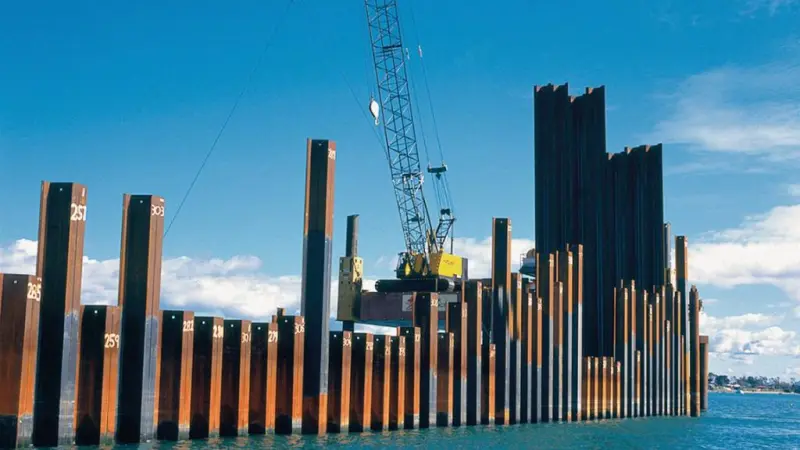
Understanding Different Rock Conditions
Not all rock behaves the same way during installation.
Soft Rock
Soft rock includes:
- Weathered shale
- Soft sandstone
- Decomposed limestone
These materials often allow pile penetration using heavy-duty vibratory or impact hammers.
Hard Rock
Hard rock includes:
- Granite
- Basalt
- Dense limestone
These formations usually prevent direct pile driving.
Common Solutions
Pre-Drilling
I often recommend pre-drilling when hard layers are present.
Benefits include:
- Reduced pile damage
- Better alignment
- Faster installation
Rock Socketing
Some projects require piles to extend into rock. Contractors may drill holes before installing the piles. For geotechnical guidance on rock socketing, see USACE Coastal Engineering Manual.
Comparison of Installation Approaches
| Ground Condition | Direct Driving | Pre-Drilling Required |
|---|---|---|
| Sand | Yes | No |
| Clay | Yes | No |
| Weathered Rock | Usually | Sometimes |
| Fractured Rock | Sometimes | Often |
| Hard Bedrock | No | Yes |
My View
I always encourage clients to perform a proper geotechnical investigation before purchasing sheet piles. I have seen projects order piles based on assumed soil conditions. Later, contractors discover rock layers and must redesign the project.
For port construction, bridge foundations, and retaining walls, understanding subsurface conditions is often more important than choosing the cheapest sheet pile. For geotechnical investigation standards, refer to ASTM D1587 Soil Investigation.
What Are Common Pile Driving Mistakes?
Small installation errors can create major structural problems. Many failures start long before the project is completed.
The most common pile driving mistakes include poor soil investigation, incorrect equipment selection, improper alignment, excessive driving force, and ignoring interlock damage during installation.
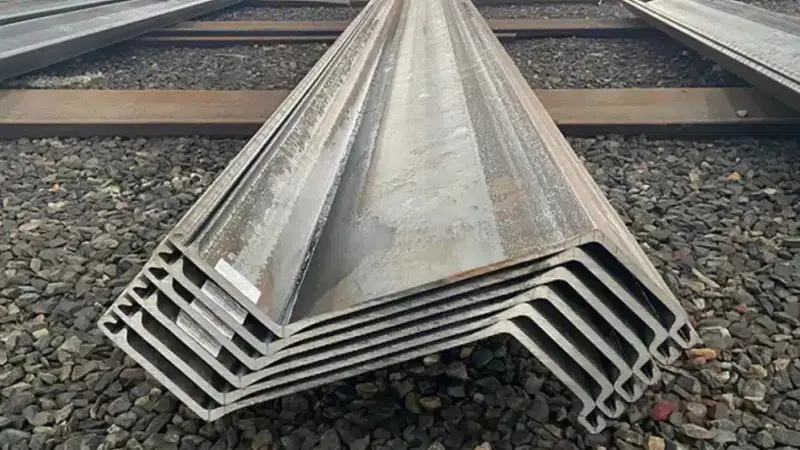
Mistake 1: Skipping Soil Investigation
Many contractors assume soil conditions are uniform.
This can lead to:
- Refusal during driving
- Wrong pile selection
- Equipment mismatch
Mistake 2: Choosing the Wrong Hammer
Different soils require different equipment.
| Soil Type | Recommended Equipment |
|---|---|
| Loose Sand | Vibratory Hammer |
| Medium Clay | Vibratory Hammer |
| Dense Soil | Impact Hammer |
| Weathered Rock | Impact Hammer + Pre-Drilling |
For pile driving equipment guidelines, see FHWA Pile Driving Guidelines.
Mistake 3: Damaging Interlocks
Sheet piles depend on proper interlock engagement.
Damaged interlocks can cause:
- Water leakage
- Alignment issues
- Reduced wall strength
Mistake 4: Excessive Driving Force
More force is not always better.
Excessive energy may cause:
- Pile deformation
- Cracked welds
- Interlock failure
Mistake 5: Ignoring Verticality
Poor alignment often creates installation difficulties later.
Practical Checklist
| Inspection Item | Importance |
|---|---|
| Soil Report | Very High |
| Hammer Capacity | Very High |
| Interlock Condition | High |
| Vertical Alignment | High |
| Driving Records | High |
My View
In my experience, most installation problems are not caused by the sheet piles themselves. They are caused by planning mistakes. I always advise contractors to inspect every pile before installation. A few minutes of inspection can save days of corrective work later.
How to Drive Sheet Piles?
Many new contractors focus on equipment operation but overlook preparation. Good preparation often determines installation success.
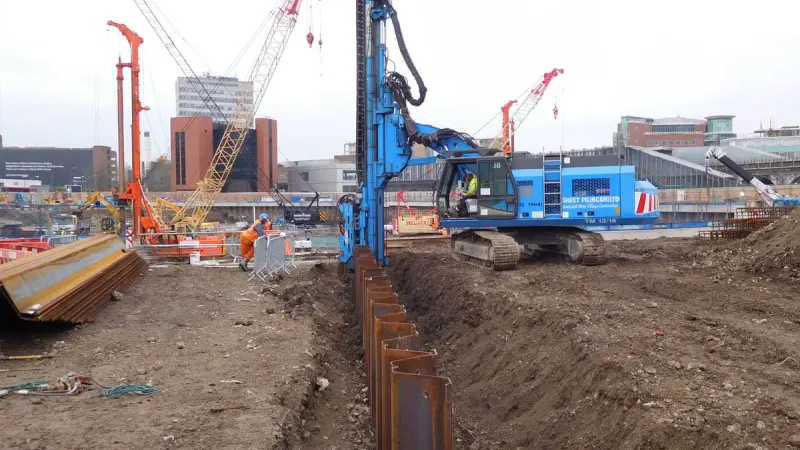
Sheet piles are typically driven by setting out the alignment, positioning guide frames, engaging interlocks, and driving the piles using vibratory, impact, or press-in equipment until the design depth is reached.
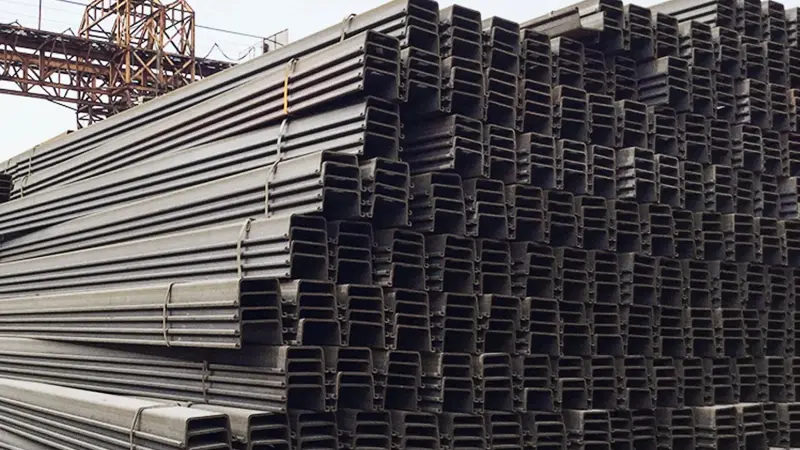
Step 1: Conduct Site Investigation
Before installation, I review:
- Soil reports
- Groundwater conditions
- Existing structures
- Utility locations
Step 2: Select the Right Sheet Pile
I usually compare:
- Section modulus
- Wall height
- Corrosion conditions
- Installation equipment
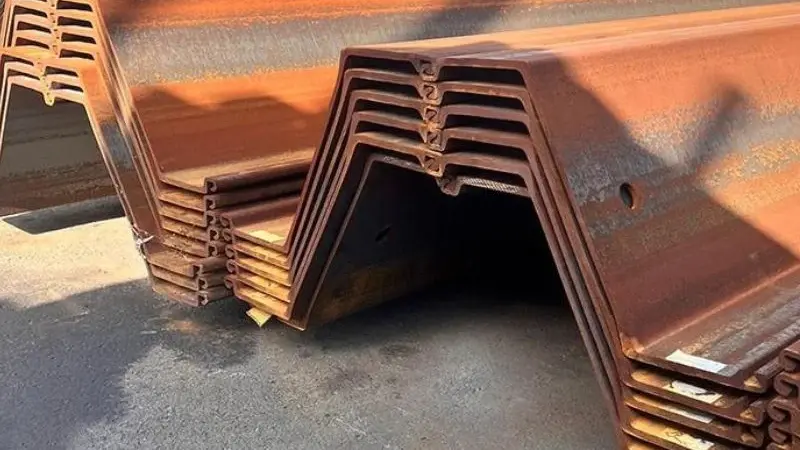
For many excavation projects, I recommend our hot rolled U type steel sheet piles because they offer reliable interlock performance and strong structural capacity.
Step 3: Install Guide Frames
Guide frames help maintain alignment.
Benefits include:
- Better accuracy
- Reduced deviation
- Faster installation
Step 4: Position the First Pile
The first pile controls the alignment of the entire wall.
Step 5: Drive the Piles
Common installation methods include:
| Method | Typical Application |
|---|---|
| Vibratory Hammer | Temporary Works |
| Impact Hammer | Dense Soil |
| Press-In Machine | Urban Projects |
| Water Jetting | Dense Sand |
For sheet pile installation methods, see Cement Association Soil Retention Systems.
Step 6: Check Alignment Continuously
Regular monitoring prevents cumulative errors.
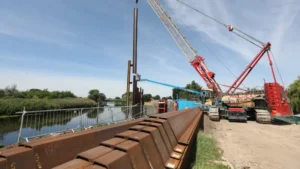
Case Study: Riverbank Protection Project
In one Southeast Asian riverbank protection project, the contractor selected our hot rolled U type steel sheet piles.
The installation team used vibratory equipment to drive the piles efficiently. The interlocking system created a continuous retaining wall that controlled erosion and stabilized the riverbank.
The contractor completed installation on schedule and achieved reliable long-term performance.
My View
I believe successful sheet piling depends on three factors:
- Accurate soil data
- Proper equipment
- Experienced installation crews
When these factors work together, even difficult ground conditions become manageable.
What Is the Driving Tolerance for Sheet Piles?
Even small alignment errors can create problems for long retaining walls. Tolerance control is essential during installation.
Sheet pile driving tolerance typically includes limits for verticality, alignment, and position. Common specifications allow deviations of about 1% to 2% of pile length, depending on project requirements.
Why Tolerances Matter
Poor tolerances may lead to:
- Misaligned walls
- Interlock separation
- Structural weakness
- Installation delays
Typical Tolerance Values
| Parameter | Typical Tolerance |
|---|---|
| Verticality | 1%–2% |
| Horizontal Position | ±50 mm |
| Wall Alignment | Project Specific |
| Top Elevation | ±25 mm |
For construction tolerance standards, see ACI Construction Tolerances.
Factors Affecting Tolerance
Soil Conditions
Hard soils often increase deviation risks.
Equipment Quality
Modern equipment improves accuracy.
Operator Experience
Experienced crews usually achieve tighter tolerances.
Monitoring Techniques
Contractors often use:
- Total stations
- GPS systems
- Laser alignment tools
- Survey instruments
Corrective Measures
If deviation exceeds limits:
- Extract and reinstall piles
- Use correction frames
- Adjust installation sequence
My View
I think tolerance control is one of the most overlooked parts of sheet pile installation. Many contractors focus on production speed. I focus on accuracy first. A wall installed correctly the first time usually saves money over the life of the project.
For large retaining walls, marine structures, and bridge foundations, strict tolerance control often determines whether the project performs as designed.
Conclusion
Hard soil installation requires proper planning, suitable equipment, accurate alignment, and reliable sheet piles. When these elements work together, contractors can achieve safe and efficient sheet pile construction.