Urban piling work often creates vibration problems. I see damage risk and complaints when control is weak. This problem can stop projects and increase cost fast.
Vibration control in sheet piling means reducing ground movement during installation. It depends on equipment choice, driving method, soil type, and monitoring. Methods include press-in systems, pre-drilling, and low-vibration hammers.
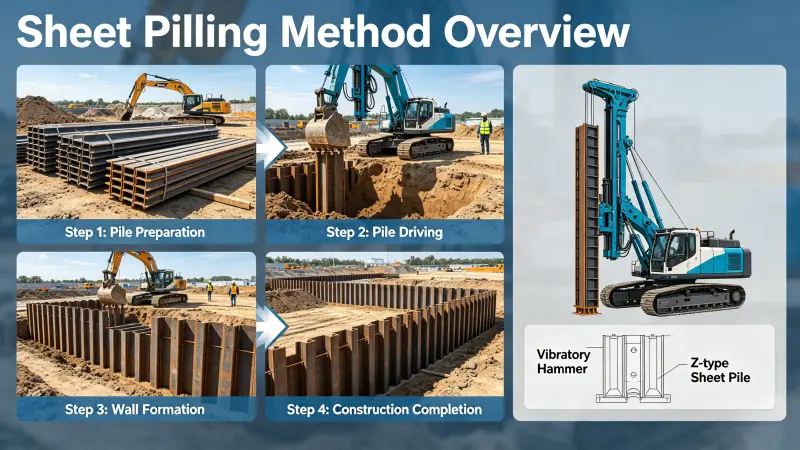
Vibration is one of the biggest problems in urban sheet piling work. I focus on control methods, limits, and practical decisions in real construction sites.
What is the vibration limit for piling?
Many projects fail because vibration exceeds limits. I see nearby buildings get cracks when limits are ignored. This creates legal and safety problems fast.
The vibration limit for piling is usually set by local building codes. It is often measured in mm/s peak particle velocity (PPV). Sensitive buildings may require limits as low as 2–5 mm/s, while normal structures may allow 10–15 mm/s. For construction vibration assessment criteria, see BS 5997 Vibration Criteria

I always treat vibration limits as a design control, not just a site measurement. Every project has different limits. The limit depends on building type, soil condition, and distance from piling point.
1. How vibration is measured
I use PPV (peak particle velocity). Engineers place sensors on nearby structures or ground. The sensor records movement in mm/s. This value decides if piling can continue or must stop.
2. What affects vibration level
| Factor | Effect on vibration |
|---|---|
| Soil type | Soft soil spreads vibration more |
| Pile type | Steel sheet piles can create higher vibration |
| Driving method | Impact hammer creates highest vibration |
| Distance | Closer buildings get stronger impact |
3. My field experience
I notice vibration spikes during hard driving in dense soil layers. I also see better control when pre-augering is used. In one riverbank project in Southeast Asia, we reduced vibration by switching from impact hammer to vibratory driving. The difference was clear. Nearby structures stayed stable and monitoring data stayed within safe limits.
What is the quietest piling method?
Noise and vibration often come together. I see urban projects stop at night because of noise complaints. Quiet methods are now very important in city work.
The quietest piling method is press-in piling. It uses hydraulic force instead of impact or vibration. It produces very low noise and almost no ground vibration compared to traditional hammer systems. For silent piling technology, see Giken Silent Piler Press-In Method
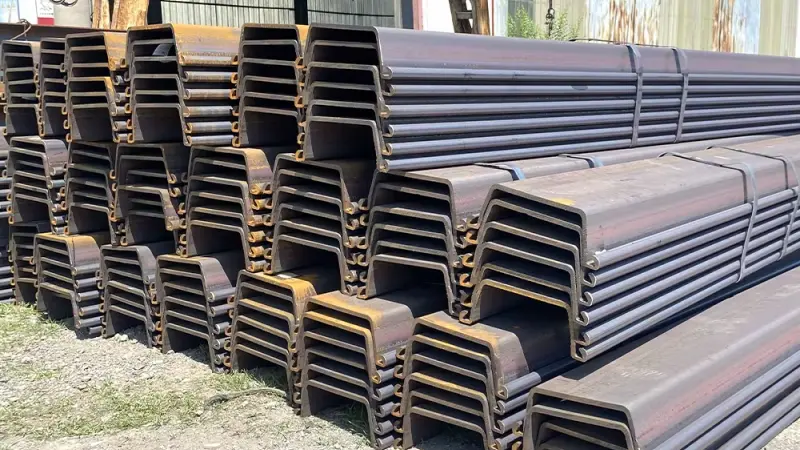
I compare piling methods based on noise, vibration, speed, and soil condition. Press-in systems are the most quiet option, but they are not always the fastest. They work best in urban areas with strict environmental rules.
1. Main piling methods
| Method | Noise level | Vibration | Speed |
|---|---|---|---|
| Impact hammer | High | High | Fast |
| Vibratory hammer | Medium | Medium | Fast |
| Press-in system | Very low | Very low | Slow |
2. When quiet method is needed
I use quiet methods near hospitals, schools, and old buildings. I also use them in dense city centers where complaints are likely.
3. My practical view
I see many contractors choose speed first, but this often causes delays later due to complaints. I prefer balanced planning. Press-in systems reduce risk, even if installation is slower. For press-in piling innovations, see Silent Piling Innovations for Urban Construction
How to control vibration during construction?
Construction vibration is not only a technical issue. I see it as a risk control issue. Poor control can stop the whole job site.
Vibration control during construction includes method selection, equipment control, soil improvement, and real-time monitoring. It aims to keep vibration below safe limits for nearby structures.
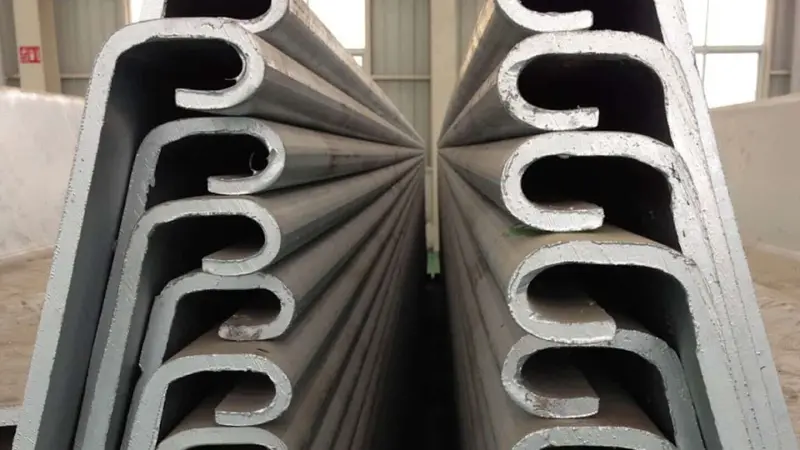
I always plan vibration control before piling starts. I do not treat it as a reaction step. Good control starts in the design stage and continues during installation.
1. Main control methods
| Method | Description |
|---|---|
| Pre-drilling | Reduces soil resistance |
| Press-in method | Removes impact force |
| Vibratory control settings | Low frequency operation |
| Monitoring system | Real-time vibration tracking |
2. Site management steps
I set exclusion zones around sensitive buildings. I also schedule piling during daytime to reduce disturbance. I use step-by-step driving instead of continuous heavy driving.
3. My experience
In one urban project, vibration exceeded limits on day one. I stopped work and changed the driving sequence. I also reduced hammer energy. After that, vibration dropped to safe levels. For construction vibration management, see FHWA Blast Vibration Guidelines
What are the methods of vibration control?
Vibration control is not one single method. I see it as a system of tools and decisions. Each project needs a different combination.
Vibration control methods include press-in piling, vibratory damping systems, pre-boring, soil stabilization, and real-time monitoring. The best method depends on soil, structure sensitivity, and project limits.

I group vibration control into four main categories: equipment-based, soil-based, process-based, and monitoring-based methods.
1. Equipment-based control
I use low-impact equipment when buildings are close. Press-in machines are the most effective. Variable-frequency vibratory hammers also help reduce peak vibration.
2. Soil-based control
I sometimes use pre-drilling or soil replacement. This reduces resistance and makes driving smoother. Less resistance means lower vibration.
3. Process-based control
I change driving sequence. I avoid continuous driving in one location. I use step driving and rest periods.
4. Monitoring-based control
I always use vibration sensors. I adjust method in real time. This is important in sensitive urban zones.
5. My view
I think vibration control is not only about tools. It is about decision timing. Early planning gives the best results. Late control always costs more.
Conclusion
I see vibration control as the key factor in urban sheet piling success. Good planning, correct method, and real monitoring reduce risk and protect nearby structures.