What Should You Know About Steel Sheet Pile MOQ, Lead Time, and Customization Options?
A delayed sheet pile shipment can idle a whole jobsite. I have watched crews stand down for weeks because nobody confirmed MOQ and lead time early.
Most steel sheet pile suppliers set the minimum order at one 20-foot container, roughly 20 to 25 tons. Standard hot-rolled U and Z sections ship in 15 to 25 days. OEM customized profiles need 30 to 45 days. Confirm section, grade, quantity, and inspection needs before you sign.
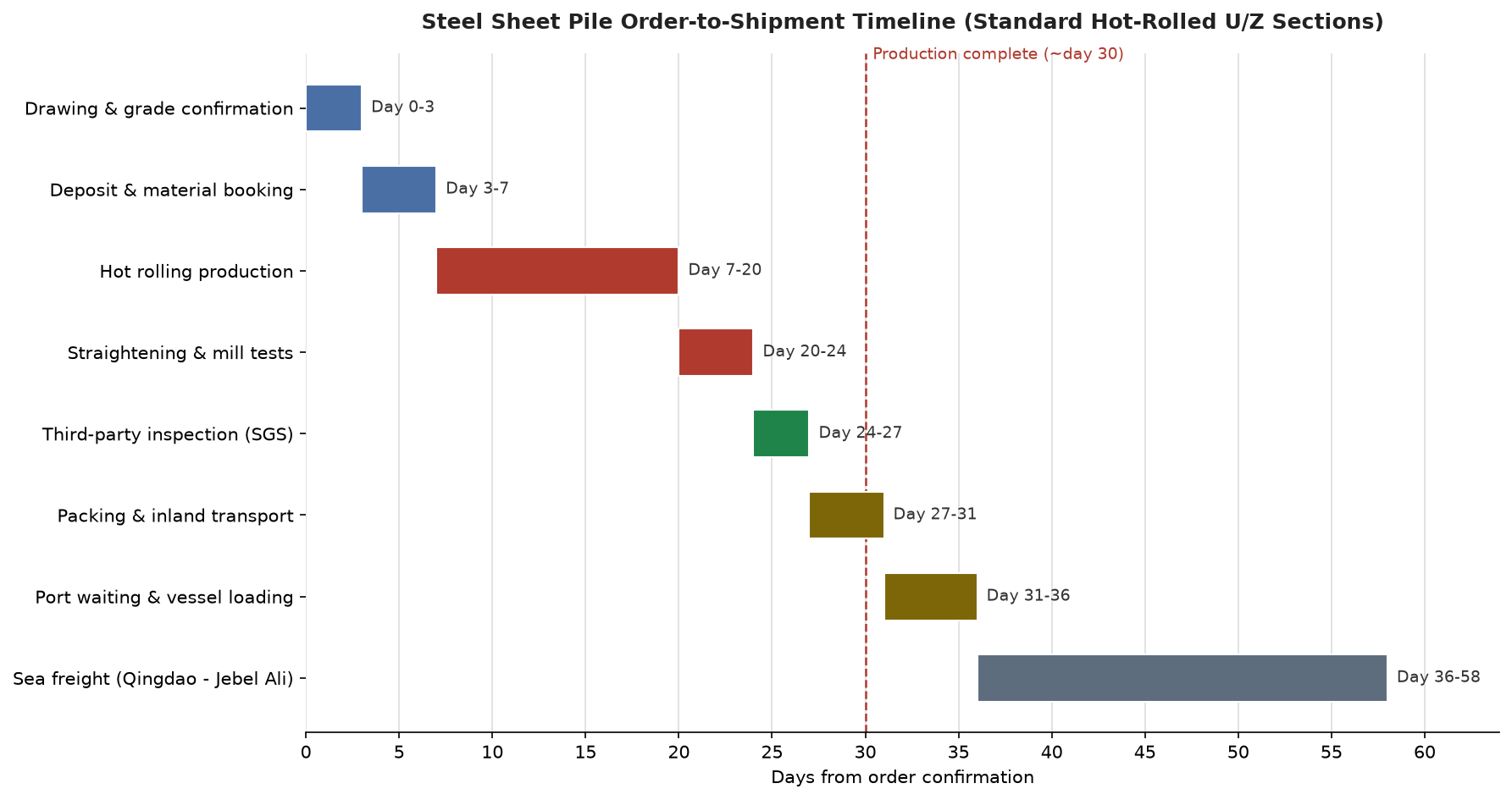
So the picture is one clear chain: order, production, inspection, packing, shipping. I export these products every week, and most schedule problems I see come from questions that were never asked at the quotation stage. In this article, I will explain how MOQ really works, what drives lead time, and which customization options are worth planning for. If you are comparing steel sheet piles suppliers right now, this will help you read every offer with sharper eyes and avoid the classic delivery traps.
What Does MOQ Really Mean When You Buy Steel Sheet Piles?
Many buyers read “MOQ: 25 tons” and stop thinking. That single number hides rules that decide whether your order is even possible.
MOQ is the smallest quantity a mill can produce or a supplier can ship profitably. For hot-rolled sheet piles it is usually one container or one rolling lot, around 20 to 25 tons. Below that, a flexible wholesale supplier covers you from ready stock.
Why a mill cannot sell you five tons
I explain this to new buyers almost every week, so let me break it down honestly. A hot rolling mill does not start its stands for a small job. Each section runs on a set of rolls, and a rolling campaign usually needs a minimum tonnage to justify the setup, the roll changes, and the trial pieces that come before good piles flow. On top of production economics, there is transport economics. A 20-foot container carries about 25 to 27 tons of steel, and ocean freight is priced per container, not per ton. Ordering 8 tons means you pay almost the same freight as for a full box, so your unit cost jumps badly. When I quote a small order, I show the buyer this math instead of hiding it. There are three honest ways down from a standard MOQ. First, ready stock: if we or our partner mill already holds your section, we can supply one or two bundles for a trial or an urgent repair. Second, mixed loading: you can combine different sections or lengths into one container and still reach the economic weight. Third, shared campaigns: when several buyers need the same section, I sometimes combine their volumes into one rolling lot. If a supplier claims “any quantity, any time” with no stock behind it, I would treat that as a warning sign and check my guide on how to evaluate a reliable steel sheet pile supplier.
| Order Size | Typical Source | What You Should Expect |
|---|---|---|
| 5–15 tons | Ready stock only | Limited sections, higher unit price |
| 20–27 tons | One full container | Standard MOQ, best freight cost |
| 50–100 tons | One rolling lot | Mill production, better prices |
| 300+ tons | Dedicated campaign | Custom terms, priority scheduling |
How Long Does It Take to Produce and Deliver Steel Sheet Piles?
Lead time is not one number. It is a stack of small windows, and each one can stretch if you look away.
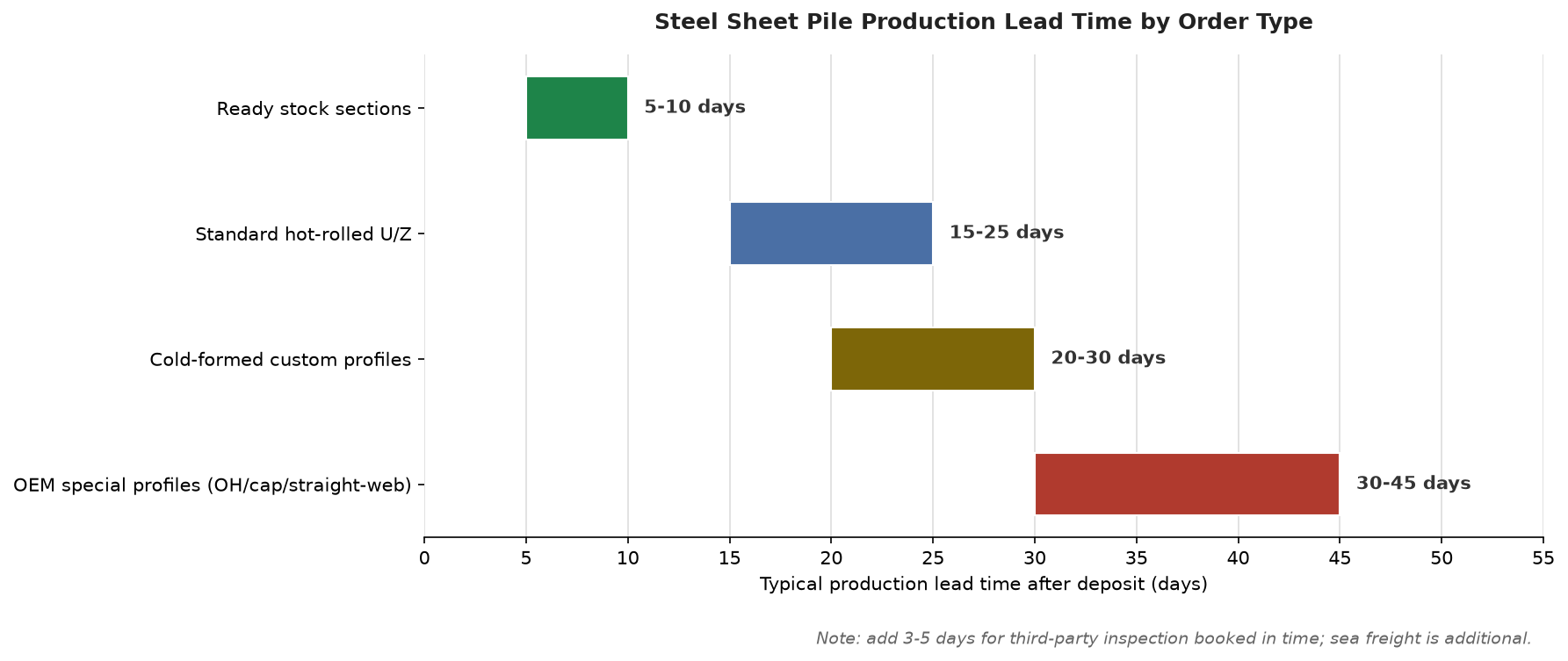
Typical production lead time is 15 to 25 days for standard hot-rolled sections after the deposit, plus 20 to 30 days of sea freight to the Middle East. Ready-stock orders can ship within 5 to 10 days, while custom profiles add 10 to 20 days for tooling and trials.
The timeline chart at the top of this article shows how I plan a normal order. Notice that production is only half the journey. The sea leg is fixed by the shipping lines, and no factory can compress it.
Where lead time actually gets lost
I keep a simple rule: every day of delay lives in a handover between stages, not inside a stage. Material booking is the first trap. If the mill has no billet or bloom in stock for your grade, you add a week before rolling even starts. Rolling itself is predictable once the campaign is scheduled, which is why I ask mills for their current rolling plan for my exact section. Testing and straightening follow, and this is also where hot rolling quality gets confirmed, not improved. If you require third-party inspection, book it during production, not after packing, or the inspector’s queue adds another week. Packing and inland transport to the port usually take three to five days, and port congestion is the last wildcard before the vessel sails. Buyers control more of this chain than they think. Confirming drawings and grades in writing, paying the deposit on time, and approving inspection dates quickly removes most of the dead days. I covered the buying steps end to end in my guide on how to buy steel sheet piles from China, including the deposit and confirmation habits that keep a schedule intact.
| Stage | Typical Duration | What Shortens It |
|---|---|---|
| Drawing and grade confirmation | 2–3 days | Written confirmation, no changes |
| Material booking | 3–5 days | Grade in mill stock |
| Hot rolling and finishing | 10–15 days | Mill campaign schedule |
| Mill tests and straightening | 3–5 days | Clear acceptance criteria |
| Third-party inspection (SGS) | 2–4 days | Booked during production |
| Packing and inland transport | 3–5 days | Pre-agreed packing plan |
| Port waiting and loading | 3–7 days | Early vessel booking |
Which Customization Options Are Available for Steel Sheet Pile Orders?
“Custom” does not always mean expensive or slow. Some options are almost free, and a few of them change the whole production plan.
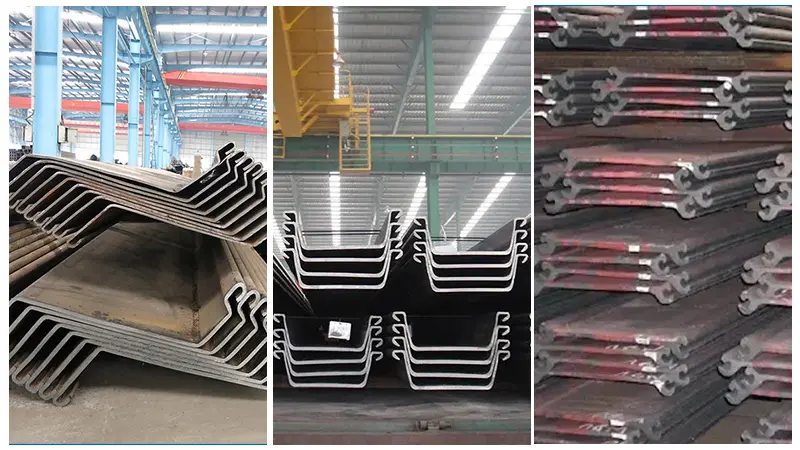
Common customization options include cut lengths, corner and closure piles, special grades, coatings, lifting holes, and fully OEM profiles. Length cuts and marking are cheap. New tooling for Ω, cap, or straight-web sections adds tooling time and a higher MOQ.
Options that rarely change your schedule
Most of what buyers call customization is just careful finishing, and our factory does it in-house. Cut lengths are the classic case. Standard piles come around 6, 9, or 12 meters, but your wall design may need 11.4 meters to fit a barge or a specific embedment calculation. Cutting to length adds one day and a small cost, nothing more. Marking every pile with your project name and heat numbers is the same story, and it helps customs and site control. Corner piles and closure piles are more interesting. Any sheet pile wall that closes on itself needs special corner sections, and these are normally fabricated by cutting and welding two standard piles at a set angle. Good fabrication shops do this with proper welding procedures, and I always order them one week before the main wall so the site never waits. Grade changes are also routine: Q235B, Q355B, S355GP, or marine grades like ASTM A690 for splash zones, which I compared in my article on common steel grades used for steel sheet piles. The real step change is a true OEM profile, where the section geometry itself is new. That means roll tooling, trial passes, and a longer conversation. I listed both worlds in the table below so you can see where your request sits.
| Customization Option | Extra Cost | Extra Lead Time | Buyer Action |
|---|---|---|---|
| Cut to length | Low | 1–2 days | Confirm final lengths early |
| Corner / closure piles | Medium | 5–7 days | Send wall layout drawing |
| Special grade | Low–medium | 2–5 days | Match grade to environment |
| Coating or galvanizing | Medium | 5–10 days | Specify system and DFT |
| Marking and lifting holes | Very low | 0–1 day | Put it in the order sheet |
| New OEM profile | High | 15–30 days | Expect tooling and trials |
How Do MOQ and Lead Time Change for Special Profiles Like Ω, Cap, and Straight-Web Piles?
Special profiles are where naive buyers lose weeks. The rules that apply to U and Z piles do not fully apply here.
Special profiles such as Ω-shaped, cap-type, and straight-web sheet piles usually need dedicated rolls or cold-forming lines. Expect a higher MOQ, often 50 to 100 tons, and lead times of 30 to 45 days, because tooling, trial passes, and section approval come before volume production.
Planning honestly for special sections
I sell these profiles to diaphragm wall heads, anchorage systems, and cellular cofferdam projects, and the first thing I tell every buyer is to plan in two phases. Phase one is profile approval. We produce a short trial length, the buyer’s engineer checks the geometry, the interlock behavior, and the bending or pull-out performance, and only then do we release the full campaign. That trial takes one to two weeks, and skipping it is how walls end up with piles that never clutch properly. Phase two is volume production, which runs faster because the tooling is already proven. The MOQ logic also changes. A new roll set for an Ω or cap profile is a real investment for the mill, so the mill wants enough tonnage to spread that cost, hence 50 to 100 tons instead of one container. Straight-web piles for circular cellular structures are a special case of their own, because the interlock strength matters more than the bending moment, and rolling tolerances are tighter. If your tonnage cannot justify new tooling, ask about cold-formed alternatives. Cold-formed sections are bent from strip steel at room temperature, so tooling is cheaper and MOQs are lower, with some trade-offs in thickness and interlock performance that I weighed in my article on steel sheet pile interlock types and their performance advantages. In my own quotes I never promise a special profile lead time before the mill confirms its roll schedule in writing, because vague promises there are the fastest way to destroy a project program.
| Profile Type | Process | Typical MOQ | Typical Lead Time |
|---|---|---|---|
| U / Z hot-rolled | Universal mill | 20–27 tons | 15–25 days |
| Ω-shaped | Dedicated rolls | 50–100 tons | 30–45 days |
| Cap type | Dedicated rolls | 50–100 tons | 30–45 days |
| Straight-web | Hot rolling, tight tolerances | 80–150 tons | 35–50 days |
| Cold-formed profiles | Cold bending line | 25–50 tons | 20–30 days |
How Should You Plan Payment, Inspection, and Shipping Around Your Lead Time?
A clean schedule is a contract habit, not luck. The buyer controls half of the calendar whether they know it or not.
Lock the schedule with a staged payment plan, book third-party inspection during production, and agree Incoterms and documents before the deposit. Inspection in week two and packing photos before loading prevent most disputes at destination.
The habit list that keeps delivery dates honest
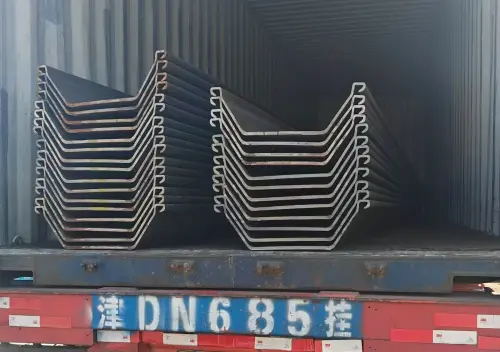
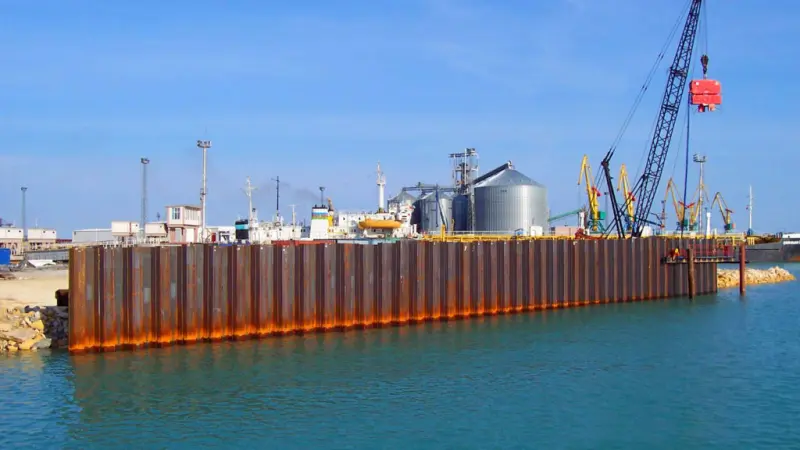
Over the years I have reduced this to a short habit list, and I share it with every serious buyer. First, payment structure. Our standard terms are 30 percent deposit and 70 percent against the copy of the bill of lading. The deposit triggers material booking, so every day it is late moves the whole chain. Some buyers open a letter of credit instead, which is fine, but the LC must be opened before production, not after, or the bank documents become the new bottleneck. Second, inspection timing. If you want SGS or another third party, we book them to visit during production, when they can witness testing, check dimensions against the standard, and tag the bundles. Waiting until everything is packed turns inspection into a rubber stamp or a delay. Third, trade terms and documents. Most of my clients buy FOB Qingdao or CIF to Jebel Ali, Khalifa bin Port, or Chittagong, and the choice of Incoterms decides who books the vessel and who carries the risk at each point. The mill test certificates, packing list, and bill of lading then tie the whole shipment together, a chain I explained in my guide to common certifications for steel sheet pile export projects. Fourth, packing confirmation. I send loading photos and bundle layouts before the container leaves the factory, because a bent clutch discovered in Iraq costs twenty times more than a five-minute photo check. The port photo above is the last happy picture in the chain, and I want it to stay happy. My full packing logic is described in packaging, loading, and transportation of steel sheet piles.
| Step | Timing | Key Document |
|---|---|---|
| Deposit payment | At contract | Proforma invoice |
| Inspection booking | Week 1–2 | Inspection request |
| Loading supervision | Before gate-in | Loading photos, tally |
| Shipping documents | After sailing | B/L, MTC, packing list |
| Balance payment | Against B/L copy | Commercial invoice |
My Take on MOQ, Lead Time, and Customization
After ten years in this trade, my view is simple: MOQ and lead time are not obstacles, they are information. A supplier who quotes you 22 days without asking your section, grade, quantity, and port is guessing, and you will pay for that guess. I would rather spend one extra day at quotation, asking boring questions, than send apology emails in week four. Buyers should treat the first order as a small test of the whole system: one container, clear inspection, honest dates. If that goes well, scale up with confidence and negotiate campaign-level pricing. And never shop on delivery promises alone; check who actually holds the stock and the rolls.
Conclusion
MOQ, lead time, and customization are three sides of the same deal. Ask early, confirm in writing, and your piles will arrive when the excavator does.
Tags: steel sheet pile MOQ, sheet pile lead time, OEM steel sheet piles, customized sheet pile profiles, steel sheet pile wholesale supplier