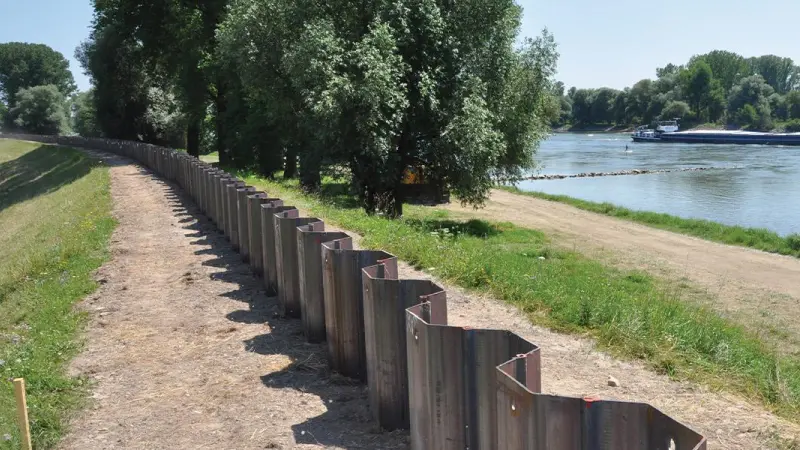
Many projects fail because people do not understand how sheet piles actually work. Wrong method or wrong design leads to delay, leakage, and high cost.
Steel sheet piles1 work by interlocking steel sections driven into the ground to form a continuous wall that resists soil and water pressure, ensuring structural stability in construction projects.
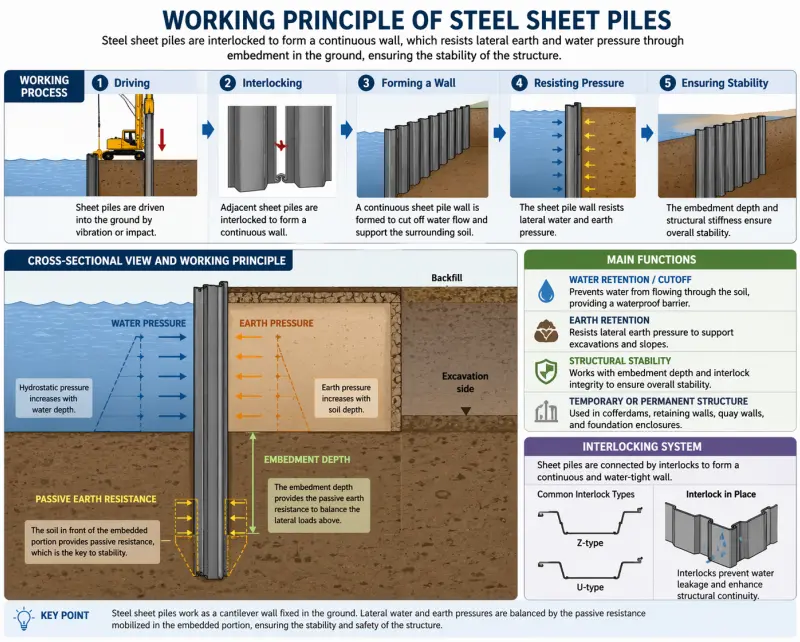
I have worked with many contractors and project buyers. I often see that they know the product but not the system. So I want to explain how sheet piles work in real construction, not only in theory.
Sheet piling method?
Many people think installation is simple. They assume you just drive piles into the ground. This is not correct.
Sheet piling methods include vibratory driving, impact hammering, and press-in systems, each chosen based on soil condition, environment, and project requirements.
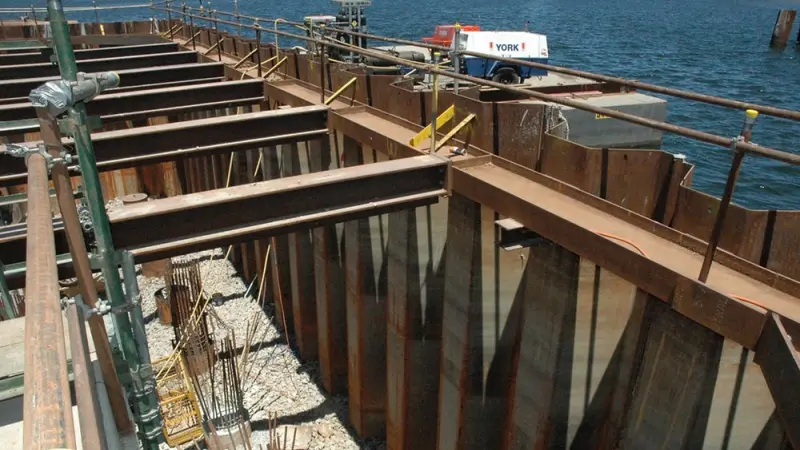
Common Installation Methods
Vibratory Driving2
This method uses vibration to reduce soil resistance. It is fast and widely used.
Impact Hammer3
This method uses force to drive piles. It works well in hard soil.
Press-In Method4
This method uses hydraulic force. It is quiet and used in urban areas.
| Method | Speed | Noise | Soil Type |
|---|---|---|---|
| Vibratory | Fast | Medium | Sand |
| Impact | Medium | High | Hard soil |
| Press-In | Slow | Low | Urban |
Key Factors in Method Selection
I always consider three factors before choosing a method:
- Soil condition
- Site environment
- Equipment availability
My Insight
I once worked with a contractor who chose the wrong method. The piles could not reach the required depth. The project stopped for days. After changing the method, everything improved. So I always say method selection is not optional. It is critical.
Steel sheet piling retaining wall5?
Many people do not understand how a sheet pile wall holds soil. They think it is just a barrier.
A steel sheet piling retaining wall works by resisting lateral earth pressure through embedded depth and interlocking structure.
How the Wall Works
Embedded Depth6
The deeper the pile goes, the more resistance it provides.
Interlock System7
The interlocks connect piles into a continuous wall.
Soil Pressure Balance
The wall balances active and passive soil pressure.
| Element | Function |
|---|---|
| Depth | Stability |
| Interlock | Sealing |
| Soil pressure | Load |
Wall Types
- Cantilever wall
- Anchored wall
Real Project Example
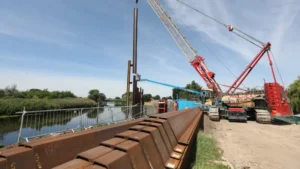
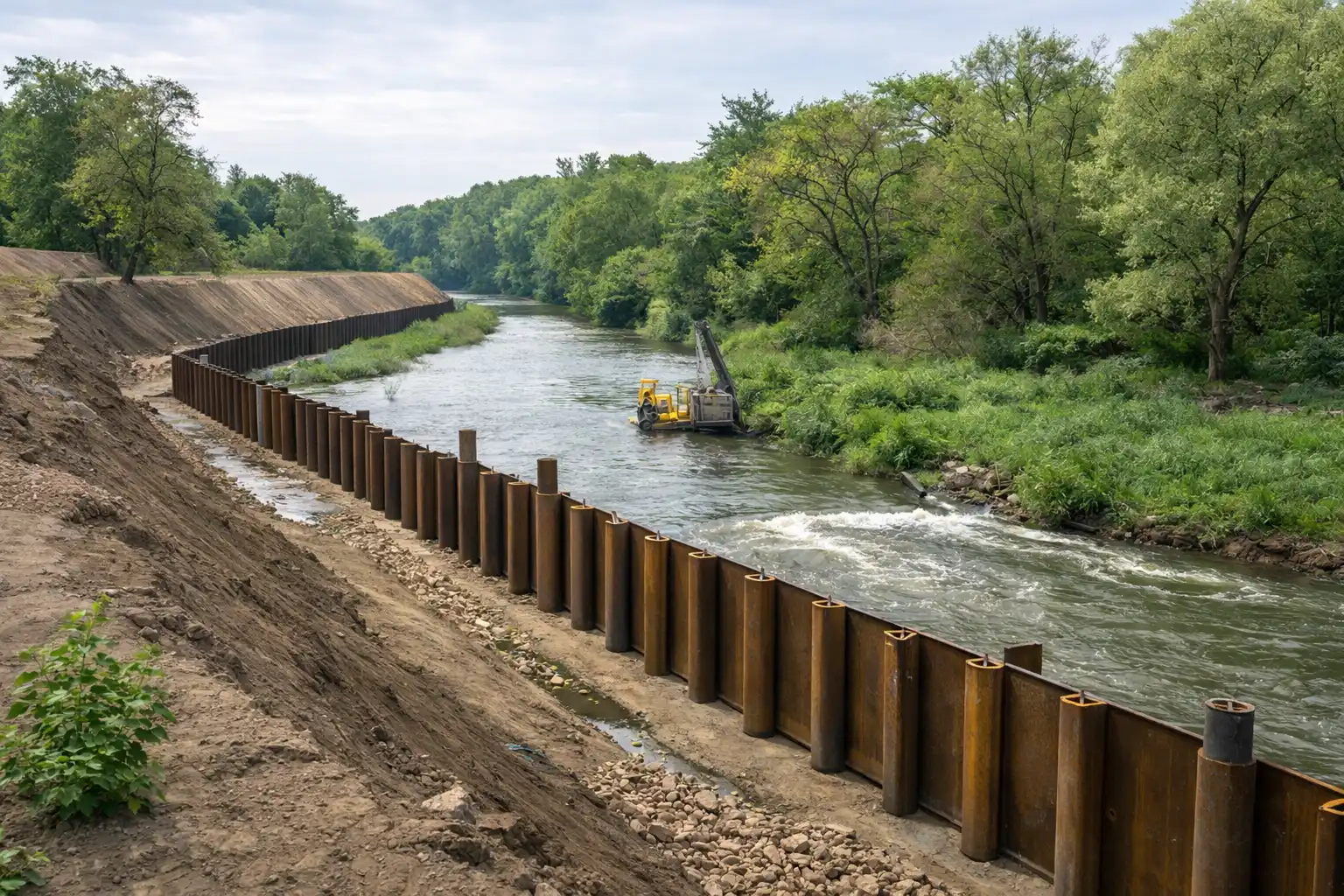
In a riverbank project in Southeast Asia, we used U type sheet piles. The piles formed a continuous wall. The wall stopped erosion and controlled water. The installation was fast and stable. This result showed how proper design and correct understanding make a difference.
Sheet piling contractors?
Many buyers focus only on product price. They ignore the contractor. This is a mistake.
Sheet piling contractors8 handle installation, alignment, and project execution, which directly affect performance and safety.
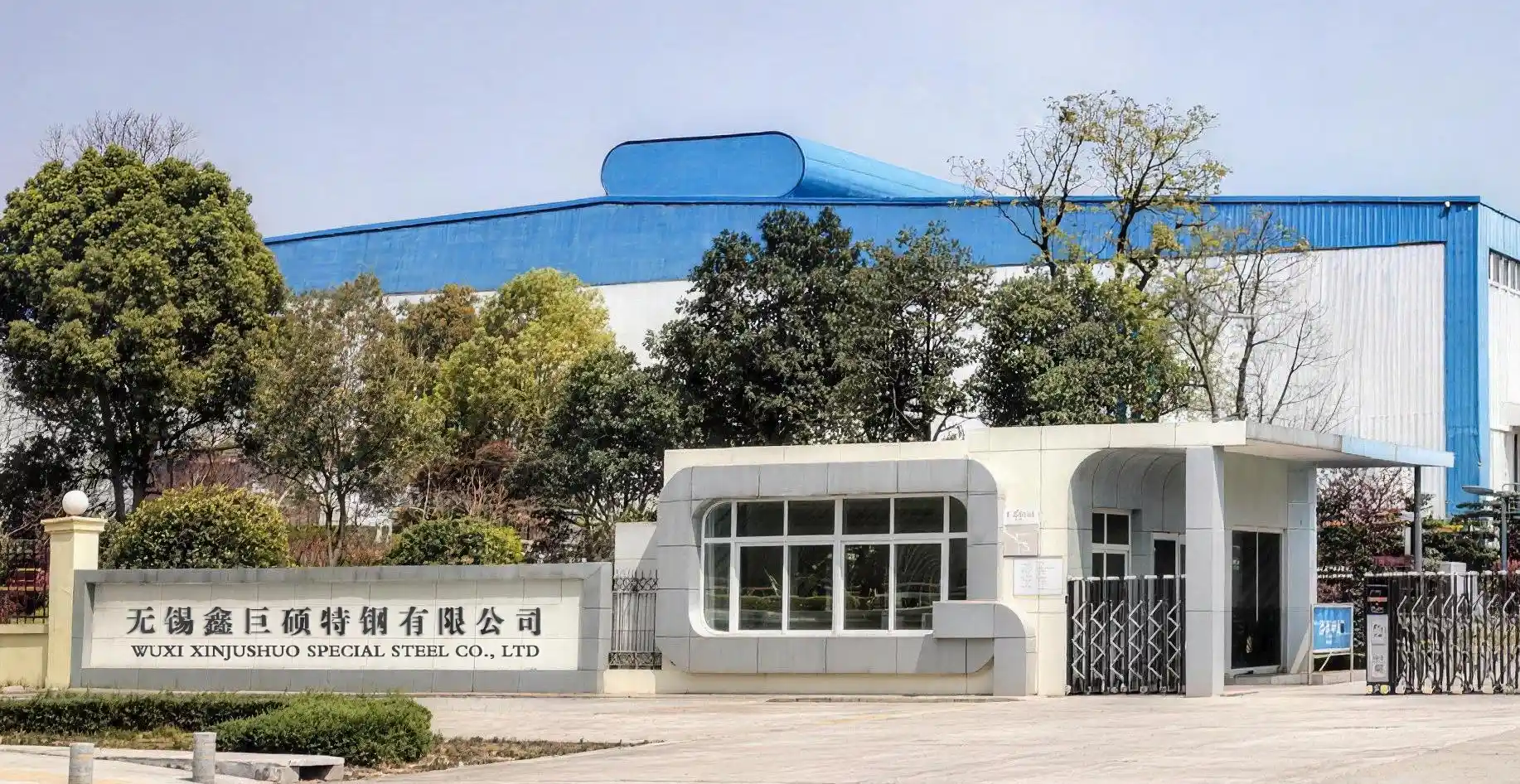
What Makes a Good Contractor
Experience
Experienced contractors understand soil behavior.
Equipment
Modern machines improve accuracy and speed.
Communication
Clear communication avoids mistakes.
| Factor | Importance |
|---|---|
| Experience | High |
| Equipment | High |
| Price | Medium |
My Experience
I worked with a client who chose a low-cost contractor. The piles were misaligned. The wall leaked. They had to redo part of the project. This cost more than choosing a better contractor at the start. I always suggest choosing quality over low price.
Types of sheet piling?
Many buyers think all sheet piles are similar. This is not true.
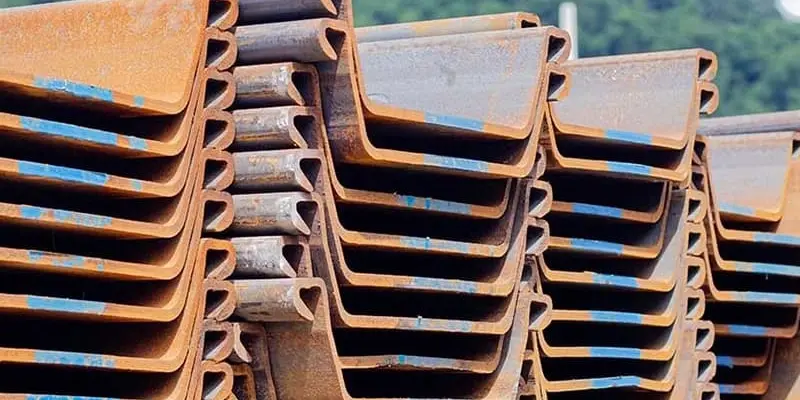
Types of sheet piling9 include U type, Z type, straight web, and special profiles, each designed for different engineering needs.
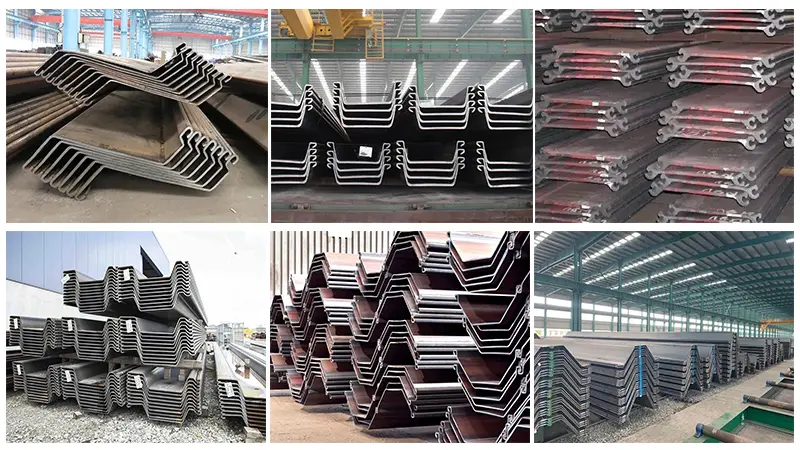
Main Types
U Type
Flexible and easy to install.
Z Type
High strength and better load distribution.
Straight Web
Used mainly for sealing.
| Type | Strength | Use |
|---|---|---|
| U Type | Medium | Excavation |
| Z Type | High | Marine |
| Straight | Low | Cut-off wall |
My View
I often recommend U type for temporary work. I suggest Z type for marine projects. This is based on real feedback from contractors and engineers.
Sheet piles for sale?
Many buyers search for sheet piles for sale without knowing what to check.
When buying sheet piles, you must check specifications, steel grade, production quality, and supplier reliability.
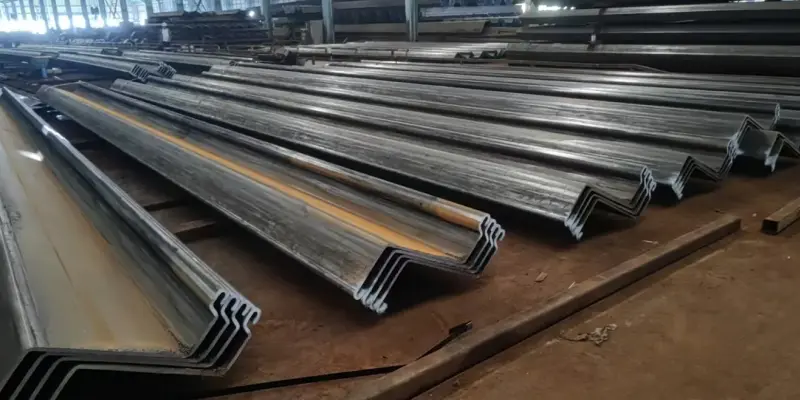
Key Buying Factors
Steel Grade10
S355 and ASTM A690 are common.
Profile Type
Choose based on load requirement.
Certification
SGS inspection ensures quality.
| Factor | Why It Matters |
|---|---|
| Grade | Strength |
| Profile | Design |
| Inspection | Quality |
My Insight
I always suggest asking for mill certificates and inspection reports. This reduces risk. I learned this after seeing quality issues in early projects.
Sheet piling in excavation11?
Excavation projects are risky without proper support. Soil collapse is a real danger.
Sheet piling in excavation11 provides lateral support, prevents soil collapse, and controls groundwater.
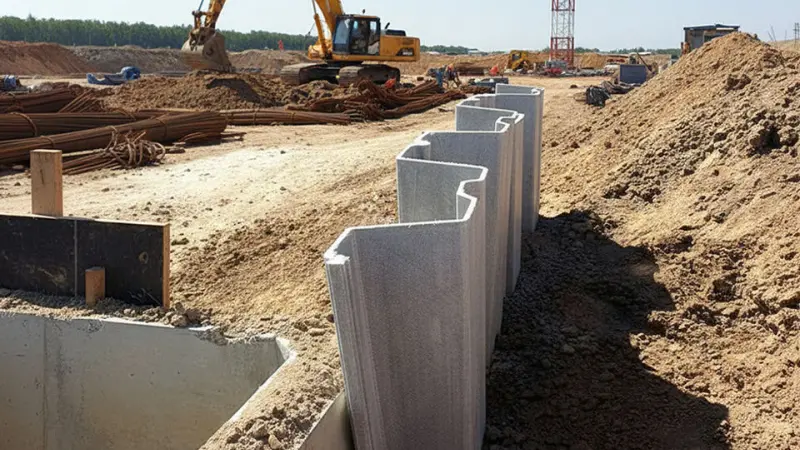
Functions in Excavation
Soil Retention
Keeps soil in place.
Water Control
Blocks groundwater.
Safety
Protects workers and equipment.
Common Applications
- Basement construction
- Underground parking
- Subway projects
My Experience
I have seen excavation projects fail without proper support. Sheet piling creates a controlled environment. It allows safe and efficient construction.
Concrete sheet piles12?
Some buyers consider concrete as an alternative. But they do not fully understand the difference.
Concrete sheet piles12 are rigid and permanent structures, while steel sheet piles offer flexibility and reusability.
Comparison
| Feature | Steel | Concrete |
|---|---|---|
| Strength | High | Medium |
| Reuse | Yes | No |
| Installation | Fast | Slow |
My Opinion
Concrete works in simple conditions. Steel works in complex and fast projects. I usually recommend steel because it gives more control.
Conclusion
Steel sheet piles1 work through structure, depth, and interlock. Understanding the system helps reduce risk and improve project success.
-
Explore the advantages of steel sheet piles for structural stability and cost-effectiveness in construction projects. ↩ ↩
-
Discover how Vibratory Driving enhances installation speed and efficiency in sheet piling. ↩
-
Understand the Impact Hammer method and its effectiveness in driving piles into hard soil. ↩
-
Find out why the Press-In Method is preferred for urban construction due to its quiet operation. ↩
-
Explore the mechanics of steel sheet piling retaining walls and their role in soil retention. ↩
-
Learn how the depth of sheet piles contributes to their stability and resistance against soil pressure. ↩
-
Discover how the interlock system enhances the strength and integrity of sheet pile walls. ↩
-
Get insights on selecting the right contractor for successful sheet piling installation. ↩
-
Understand the various types of sheet piling and their specific applications in construction. ↩
-
Learn why steel grade is crucial for ensuring the strength and durability of sheet piles. ↩
-
Explore how sheet piling prevents soil collapse and ensures safety during excavation. ↩ ↩
-
Understand the pros and cons of steel versus concrete sheet piles for your construction needs. ↩ ↩