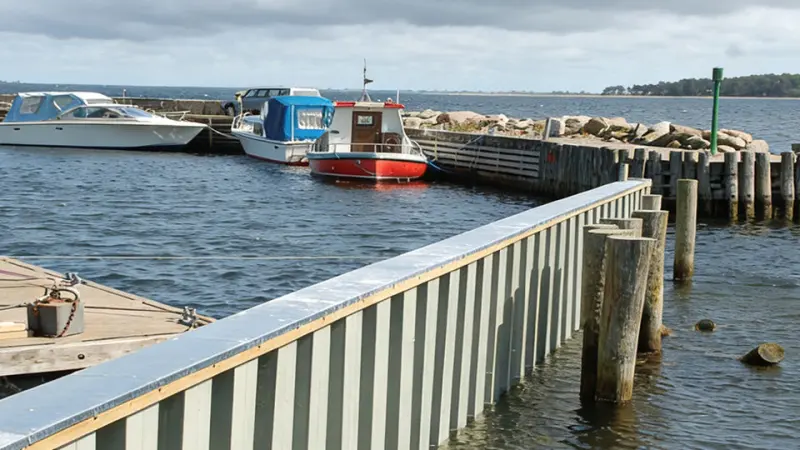
Steel sheet piles are widely used in construction, but many projects still fail due to wrong selection or poor understanding of their function. This often leads to structural risk, water leakage, and project delays.
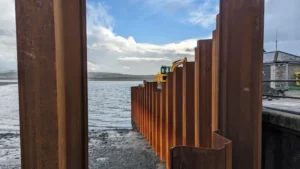
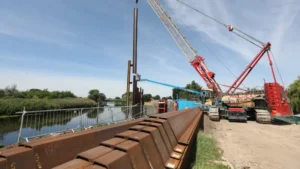
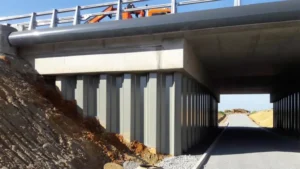
Steel sheet piles are interlocking steel sections used to create continuous retaining walls. They are mainly used for Ports & Harbors1, Cofferdam & Deep Excavation2, Bridge Foundation Piling3, and River Bank Protection4, Marine Engineering5in modern civil engineering projects.
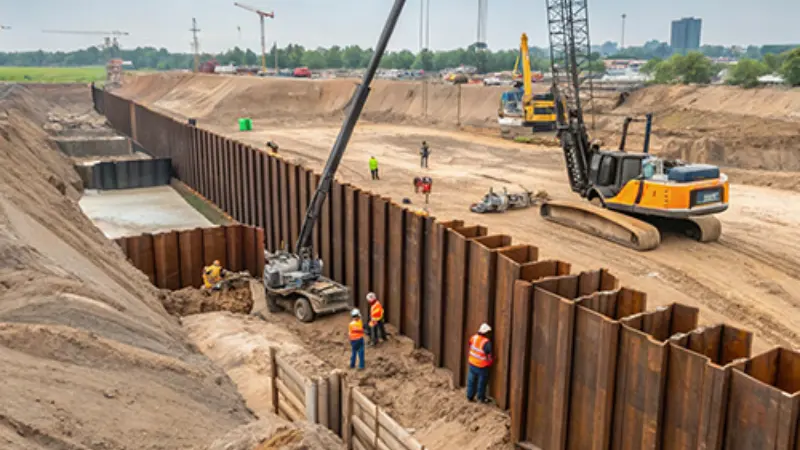
I often see engineers underestimate how important sheet piles are in early-stage ground control. Once the soil moves or water pressure increases, fixing the problem becomes very expensive and slow. That is why understanding their real function is critical before design starts.
What is the purpose of steel sheet piles5?
Steel sheet piles are often misunderstood as simple retaining materials. But in real engineering, they act as both structural support and a water barrier6. If they fail, the whole system can become unstable.
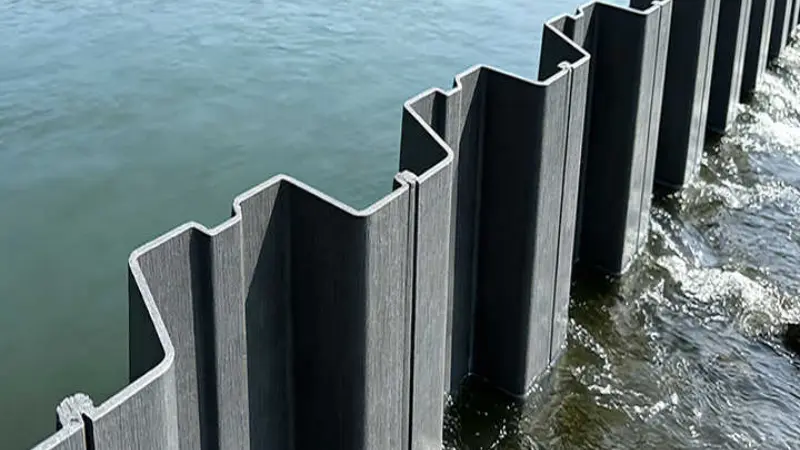
Steel sheet piles are used to retain soil, block water, and stabilize excavation zones. They form continuous interlocked walls that resist lateral earth pressure and reduce ground movement in construction sites.
1. Soil Retention Function
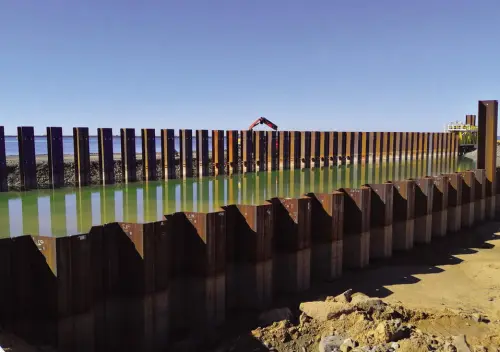
Steel sheet piles hold back soil during deep excavation7. I have seen many basement projects where excavation would collapse without them. They create a vertical boundary that keeps soil in place.
2. Water Sealing Function
Sheet piles reduce water flow from rivers, groundwater, or seawater. This is very important in coastal engineering. I once worked on a river project where seepage control was the main design issue.
3. Structural Support Function
Sheet piles can also transfer loads to deeper soil layers. They act as temporary or permanent structural elements depending on project design.
| Function | Description | Importance |
|---|---|---|
| Soil Retention | Prevents collapse during excavation | Very High |
| Water Barrier | Blocks groundwater and seawater | High |
| Structural Support | Transfers lateral loads | Medium to High |
In my view, the purpose of steel sheet piles is not only support. It is about controlling risk in unstable soil conditions.
What is the lifespan of a pile?
Pile lifespan depends on material, environment, and protection method.
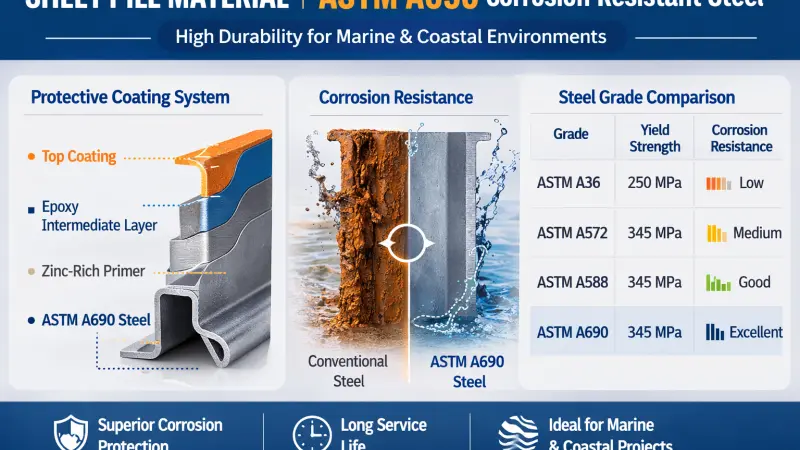
The lifespan of piles ranges from 25 years to over 100 years depending on material type, corrosion protection8, soil conditions, and maintenance level during service life.
Steel Piles
Steel piles can last 40–80 years with proper coating or cathodic protection.
Concrete Piles
They often last longer, up to 100 years, but depend on crack control.
Environmental Impact
Marine environments reduce lifespan due to corrosion. I have seen steel piles fail early in saltwater zones without protection.
| Material | Average Lifespan | Key Risk |
|---|---|---|
| Steel | 40–80 years | Corrosion |
| Concrete | 60–100 years | Cracking |
| Composite | 50–100 years | Interface failure |
In my experience, maintenance strategy9 is more important than initial material choice.
What are the disadvantages of using piles?
Piles are effective but not perfect. They also have limitations.
The main disadvantages of piles include high installation cost, noise and vibration during driving, soil displacement, and difficulty in removal or modification after installation.
Cost Issue
Pile foundations require heavy equipment and skilled labor.
Construction Impact
Driving piles creates noise and vibration. This is a major issue in urban areas.
Soil Disturbance
Soil displacement can affect nearby structures.
| Disadvantage | Impact |
|---|---|
| High Cost | Budget increase |
| Noise | Urban limitation |
| Vibration | Structural risk |
| Limited Flexibility | Hard to modify |
I believe these disadvantages should be evaluated early in design, not during construction.
Can sheet piles be permanent?
Sheet piles can be either temporary or permanent depending on design requirements.
Yes, sheet piles can be permanent when properly coated or designed for long-term exposure, especially in marine, retaining wall, and flood protection2 structures.
Temporary Use
Used in excavation support1 and removed after construction.
Permanent Use
Used in seawalls, river walls, and basements.
Protection Methods
Coating, galvanization, and cathodic protection improve durability.
| Usage Type | Description |
|---|---|
| Temporary | Excavation support |
| Permanent | Retaining structures |
| Protected | Anti-corrosion systems |
From my experience, permanent sheet piles are becoming more common in infrastructure projects.
How deep should a pile be?
Pile depth is one of the most critical design decisions in foundation engineering.
- Pile depth depends on soil strength, load requirement, and structure type, and it is usually designed to reach stable soil layers or rock strata for safe load transfer10.
-
contentReference[oaicite:0]{index=0}
Soil Condition Factor
Soft soil requires deeper piles. Strong soil reduces depth requirement.
Load Requirement
Heavier structures need deeper foundations.
Engineering Design
Engineers calculate depth based on bearing capacity and safety factor.
| Factor | Influence on Depth |
|---|---|
| Soil Strength | Weak soil increases depth |
| Load | Higher load increases depth |
| Water Table | High water level increases depth |
In my view, pile depth should never be estimated roughly. It must be calculated based on real geotechnical data[^15].
Conclusion
Steel sheet piles are essential for soil control, water protection, and stable infrastructure development in modern engineering systems.