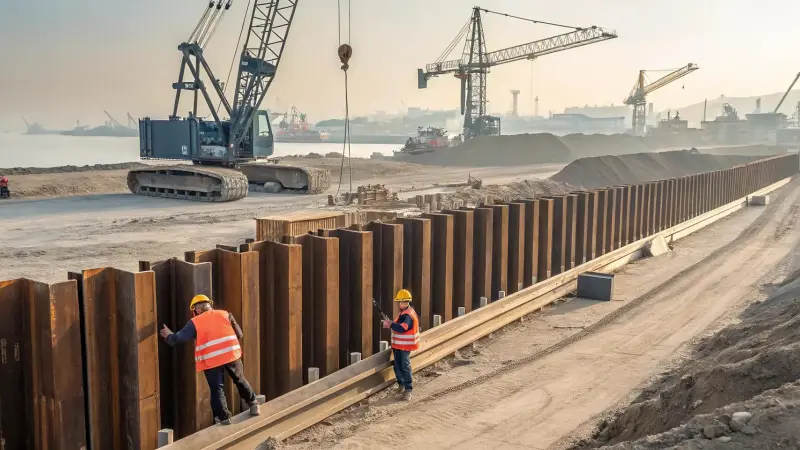
Many people see steel sheet piles on site but do not understand how they work. This gap often leads to wrong choices and project risks.
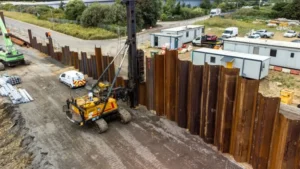
Steel sheet piling is a construction method1 that uses interlocking steel sections2 driven into the ground to retain soil and water. It is widely used in excavation3, marine works, and foundation support.
I have worked with many contractors and buyers. I often see the same issue. They know the product name, but they do not understand the system. So I want to explain everything step by step, in a simple and practical way.
What is steel sheet piling4 complete beginner guide pdf?
Many beginners search for a PDF guide. They want one clear answer. But most PDF files are too simple or too academic.
Steel sheet piling is a system where steel sections with interlocks are driven into soil to form a continuous wall that holds earth and water.
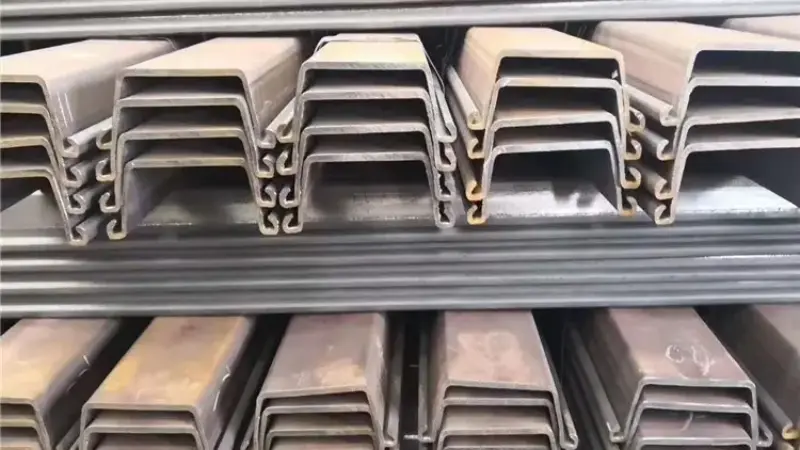
What a Beginner Must Know First
I always tell new clients to focus on three basics:
Structure
Steel sheet piles have a profile shape and interlocks. These interlocks connect each pile tightly.
Function
The system resists soil pressure5 and water pressure6. It creates a barrier.
Application
It is used in ports, riverbanks, excavation3, and underground works.
| Key Element | Description | Why It Matters |
|---|---|---|
| Profile | U or Z shape | Defines strength |
| Interlock | Connection system | Controls leakage |
| Length | Custom size | Affects depth |
My Practical Insight
Many beginners download a PDF and think they understand. But real projects are not simple. Soil conditions, water level, and load all change the result. I always suggest talking with engineers before making decisions. This is something I learned after seeing projects fail due to wrong early assumptions.
Steel sheet piling retaining wall7?
Many people confuse sheet piling with general piles. This confusion causes design errors.
A steel sheet piling4 retaining wall7 is a continuous wall formed by interlocked steel piles to retain soil or water.
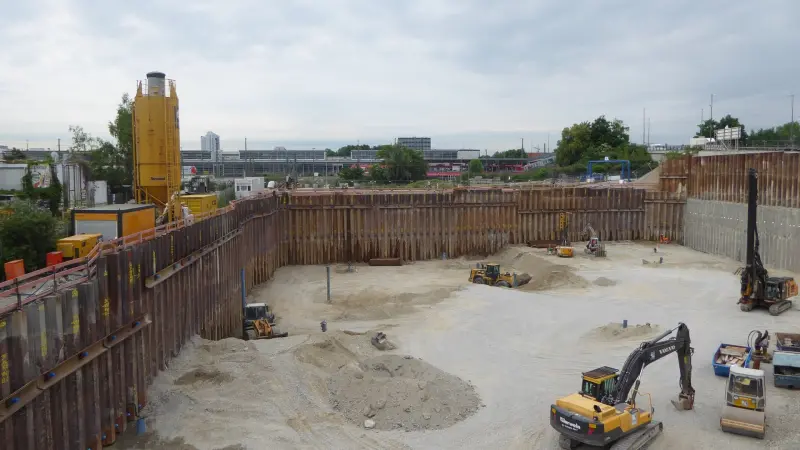
How Retaining Walls Work
The wall resists lateral pressure. The deeper the pile goes, the stronger the resistance.
Cantilever Wall
Used for shallow excavation3. No anchors needed.
Anchored Wall
Used for deeper projects. Tie rods and anchors are added.
| Wall Type | Depth | Cost | Use Case |
|---|---|---|---|
| Cantilever | Shallow | Low | Temporary works |
| Anchored | Deep | Higher | Marine projects |
Case Insight
In one riverbank project in Southeast Asia, we supplied U type sheet piles8. The contractor used them to build a retaining wall7. The interlocks created a tight barrier. The structure stopped soil erosion. The installation was fast. This result came from correct design, not just product supply.
Types of sheet piling?
Many buyers think all sheet piles are the same. This is a common mistake.
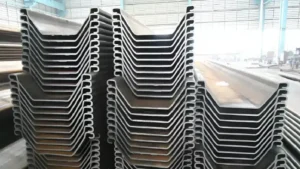
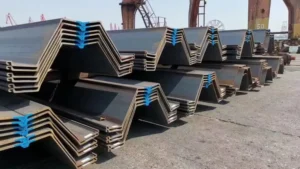
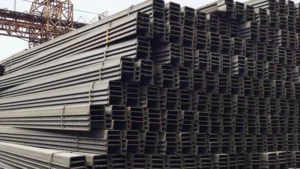
Sheet piling types include U type, Z type, straight web, and special profiles.
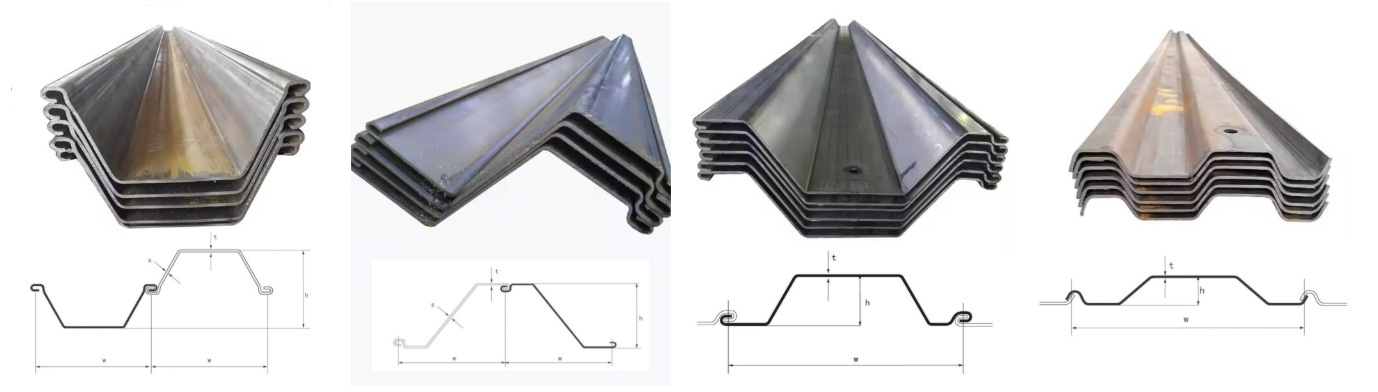
Main Types Explained
U Type Sheet Piles
These are common. They are easy to install and align.
Z Type Sheet Piles
These provide higher strength. They are used in heavy load projects.
Straight Web Sheet Piles
These are used for cut-off walls. They focus on sealing.
| Type | Strength | Application |
|---|---|---|
| U Type | Medium | Excavation |
| Z Type | High | Ports |
| Straight | Low | Water sealing |
My View
I often recommend U type for temporary work. I suggest Z type for marine projects. This is based on real project feedback. Choosing the wrong type can increase cost later.
Sheet piling diagram?
Many beginners need a visual diagram to understand the system.
A sheet piling diagram9 shows how piles are driven into the ground and connected to form a wall.
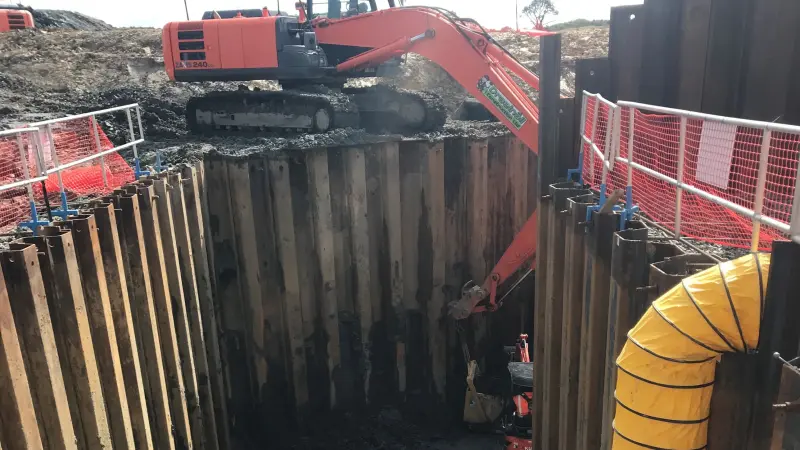
Key Elements in a Diagram
Ground Line
Shows the soil level.
Embedded Depth
Shows how deep the pile goes.
Water Level
Important for marine design.
Anchor System
Used in anchored walls.
| Element | Role |
|---|---|
| Ground | Reference level |
| Depth | Stability |
| Water | Pressure factor |
| Anchor | Extra support |
Practical Understanding
I always use diagrams when explaining to clients. Many clients understand faster with images than text. This improves communication and reduces mistakes.
Sheet piling cost per m2?
Cost is always a key concern. But many buyers only look at price per ton.
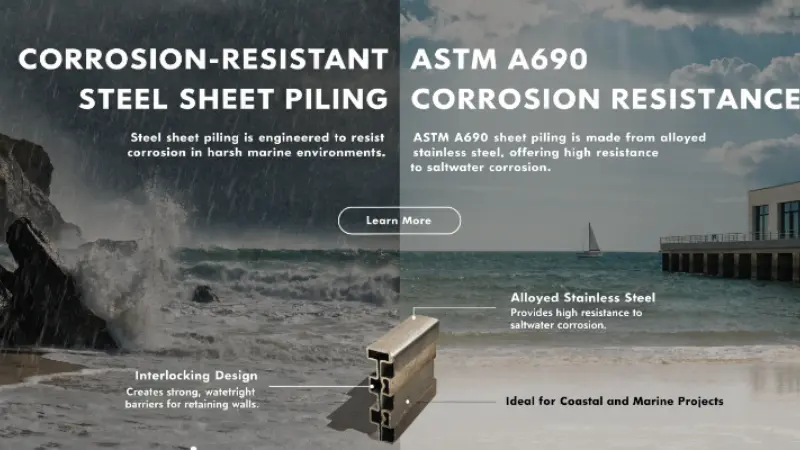
Sheet piling cost per m2 depends on material, installation, depth, and project conditions.
Cost Factors
Material Cost
Steel grade and profile type affect price.
Installation Cost
Equipment and labor cost vary by location.
Project Conditions
Soil and water level increase difficulty.
| Factor | Impact |
|---|---|
| Steel grade | High |
| Depth | High |
| Equipment | Medium |
My Experience
Some clients choose cheaper piles. Later, they face higher installation cost. I always suggest looking at total project cost, not only material price.
Sheet piling in excavation3?
Sheet piling is widely used in excavation3. It provides safety and stability.
Sheet piling in excavation3 supports soil and prevents collapse during digging.
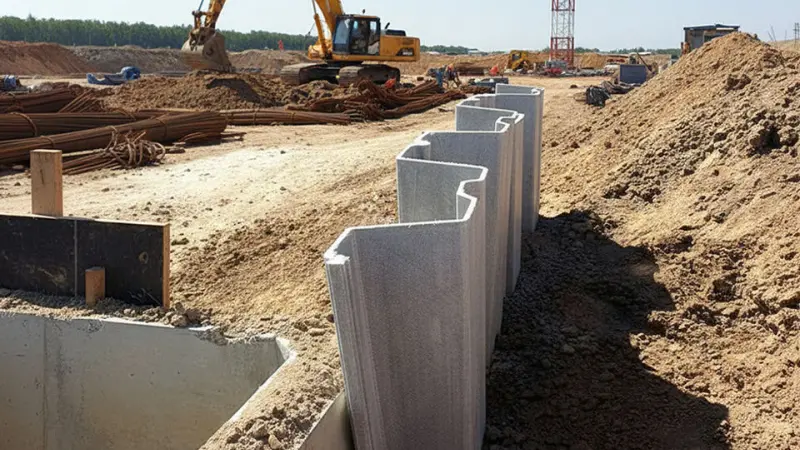
Role in Excavation
Soil Retention
Prevents soil collapse.
Water Control
Blocks groundwater.
Safety Support
Protects workers.
Application Types
- Basement construction
- Underground parking
- Subway projects
My Insight
In urban projects, sheet piles reduce risk. They allow controlled excavation3. I have seen projects delayed because of poor soil support. Sheet piling solves this problem.
Sheet piling contractors?
Choosing the right contractor is critical. Many problems come from poor installation.
Sheet piling contractors handle installation, equipment, and site management.
What to Look For
Experience
Past project experience is key.
Equipment
Modern machines improve accuracy.
Communication
Clear communication avoids delays.
| Criteria | Importance |
|---|---|
| Experience | High |
| Equipment | High |
| Price | Medium |
My View
I always suggest working with contractors who understand sheet piles deeply. Good installation can save cost and time.
Sheet piling sizes?
Size selection is one of the most important steps. Wrong size leads to failure.
Sheet piling sizes include width, thickness, and length, which define strength and application.
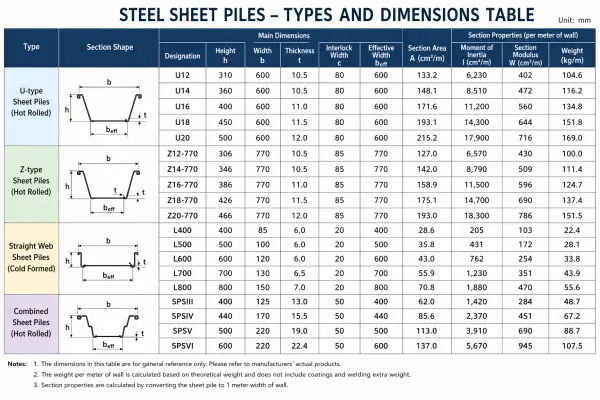
Key Size Parameters
Width
Defines coverage area.
Thickness
Defines strength.
Length
Defines depth and stability.
| Parameter | Function |
|---|---|
| Width | Coverage |
| Thickness | Strength |
| Length | Depth |
My Insight
Many clients choose standard sizes without calculation. This is risky. I always suggest matching size with design requirements. This reduces future problems.
Conclusion
Steel sheet piling is simple in concept but complex in practice. Clear understanding helps reduce risk and improve project success.
-
Exploring various construction methods can enhance project efficiency and safety. ↩
-
Learn how interlocking designs contribute to structural integrity in construction. ↩
-
Learn how sheet piling enhances safety and stability during excavation. ↩ ↩ ↩ ↩ ↩ ↩ ↩
-
Understanding steel sheet piling is crucial for construction projects, ensuring effective soil and water retention. ↩ ↩
-
Understanding soil pressure is vital for designing safe and effective structures. ↩
-
Explore how water pressure impacts construction design and material selection. ↩
-
Discover the importance of retaining walls in preventing soil erosion and managing water. ↩ ↩ ↩
-
Learn about U type sheet piles and their suitability for various construction scenarios. ↩
-
Visual aids like diagrams can significantly enhance understanding of construction methods. ↩