What Materials Are Steel Sheet Piles Made Of?
Many buyers think all sheet piles are the same steel. This mistake leads to wrong selection, short lifespan, and higher cost in real projects.
Steel sheet piles are mainly made from carbon steel, alloy steel, or high-strength structural steel, with added elements to improve strength, corrosion resistance, and durability in different environments.
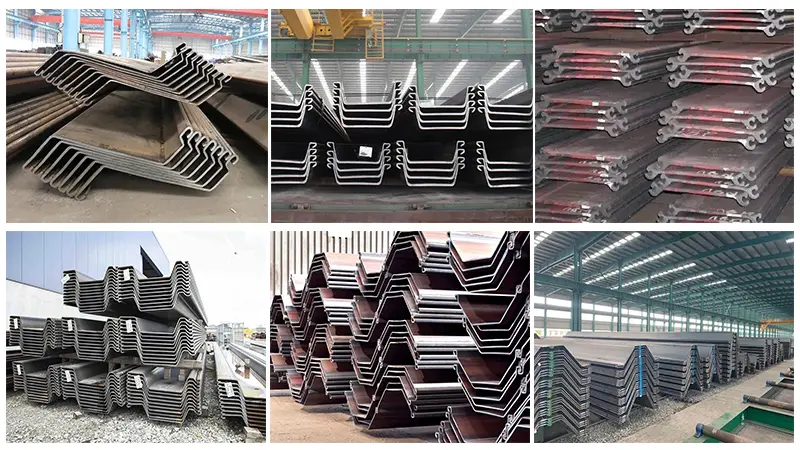
I often see clients focus only on price. They ignore material composition. Later, they face corrosion, bending failure, or interlock issues. So I always explain materials first before quoting.
What Types of Steel Are Used in Sheet Pile Manufacturing?
Many buyers do not know that steel grade directly affects performance. Choosing the wrong steel type can cause early failure under load or in harsh environments.
Steel sheet piles are made from carbon steel, high-strength low-alloy steel, and sometimes special alloy steel, depending on strength, flexibility, and corrosion resistance requirements.
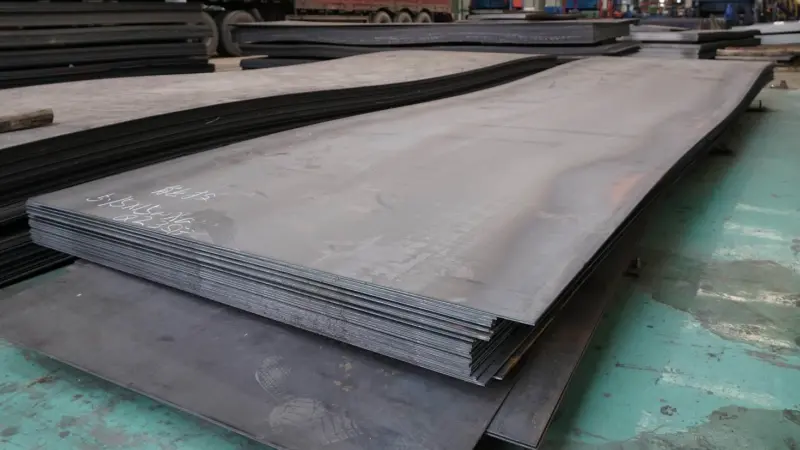
Carbon Steel
I use carbon steel in many standard projects. It is cost-effective and easy to process. Most common grades include Q235, Q345, and ASTM A572.
Carbon stee l offers good balance between strength and price. But it has limited corrosion resistance. It needs coating in wet or marine environments.
High-Strength Low-Alloy Steel (HSLA)
I recommend HSLA steel when the project requires higher strength with lower weight. This steel includes small amounts of elements like manganese, vanadium, and niobium.
HSLA improves yield strength and reduces section thickness. It helps reduce material cost in large projects.
Alloy Steel
Alloy steel is less common but useful in special conditions. It can include chromium, nickel, or molybdenum. These elements improve corrosion resistance and toughness.
I usually see alloy steel used in offshore or chemical environments.
Steel Grade Comparison Table
| Steel Type | Common Grades | Strength Level | Cost | Application |
|---|---|---|---|---|
| Carbon Steel | Q235, Q345 | Medium | Low | General construction |
| HSLA Steel | ASTM A572 | High | Medium | Heavy load projects |
| Alloy Steel | Custom grades | Very High | High | Marine and special use |
From my experience, most projects do not need the highest grade. But choosing too low grade creates risk. I always balance cost and safety.
How Does Material Composition Affect Sheet Pile Performance?
Many engineers focus only on thickness and size. But chemical composition plays a bigger role in long-term performance.
Material composition affects sheet pile strength, flexibility, corrosion resistance, and weldability, which directly impact structural safety and service life.
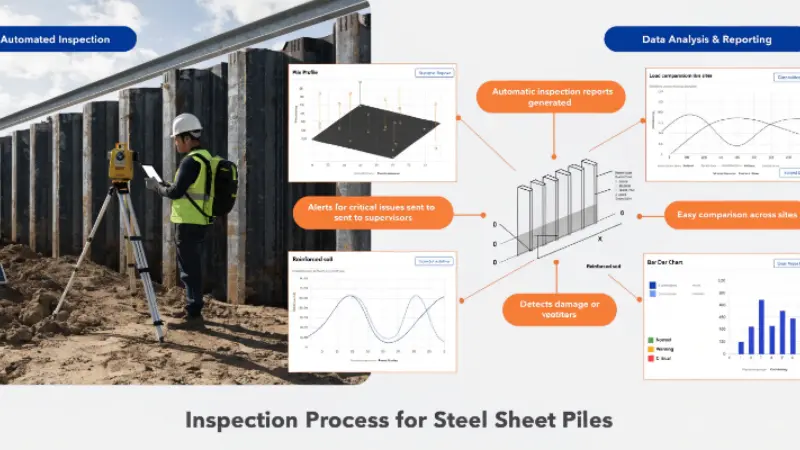
Strength and Yield Capacity
Carbon content increases strength. But too much carbon reduces flexibility. I always check the balance between strength and ductility.
For example, higher carbon steel can carry more load. But it may crack under impact.
Corrosion Resistance
Elements like chromium and copper improve corrosion resistance. This is critical in marine or river projects.
In one riverbank project I handled, we used coated steel. But the base material still mattered. Poor composition led to faster rust.
Weldability
Low carbon steel is easier to weld. High alloy steel requires special welding processes. This affects installation cost.
Toughness and Durability
Elements like nickel improve toughness. This helps sheet piles resist impact during driving.
Composition Impact Table
| Element | Effect | Risk if Unbalanced |
|---|---|---|
| Carbon | Strength increase | Brittleness |
| Manganese | Strength and toughness | Hard processing |
| Chromium | Corrosion resistance | Cost increase |
| Nickel | Impact resistance | High cost |
From my view, material composition is often ignored in early stages. But it controls long-term performance more than thickness alone.
What Are the Differences Between Hot Rolled and Cold Formed Steel Sheet Piles?
Many clients ask me why prices differ between suppliers. The answer often lies in the production method, not just the material.
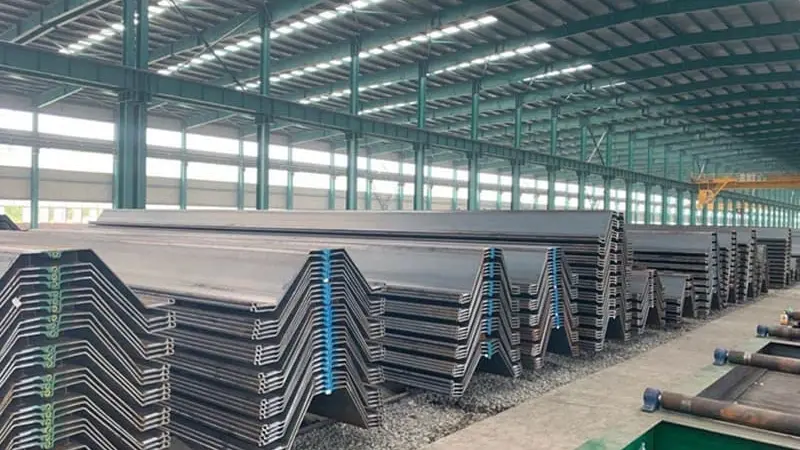
Hot rolled sheet piles are formed at high temperatures for better strength and interlock performance, while cold formed sheet piles are shaped at room temperature with lower cost but reduced strength.
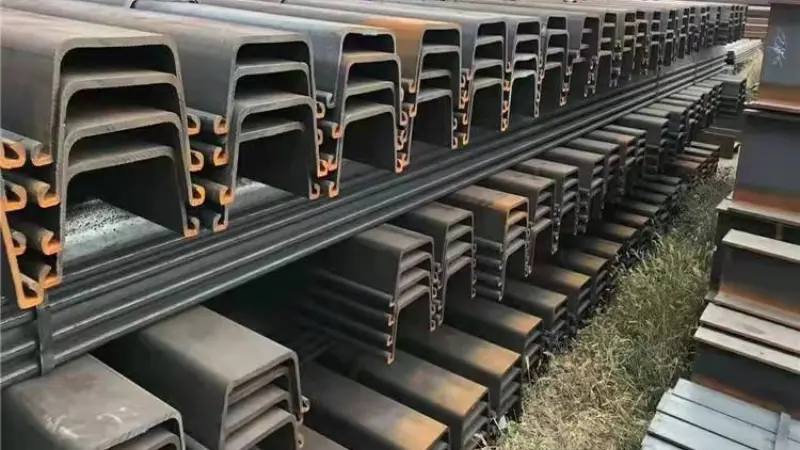
Hot Rolled Sheet Piles
Hot rolling happens at high temperature. This process improves steel structure and reduces internal stress.
Hot rolled piles have stronger interlocks. They perform better in deep excavation and marine projects.
I often recommend hot rolled piles for large infrastructure projects.
Cold Formed Sheet Piles
Cold forming uses bending and shaping at room temperature. This method is faster and cheaper.
Cold formed piles are suitable for light-duty applications. But their interlock strength is weaker.
Key Differences Table
| Feature | Hot Rolled | Cold Formed |
|---|---|---|
| Strength | High | Medium |
| Interlock Quality | Strong | Moderate |
| Cost | Higher | Lower |
| Application | Heavy duty | Light duty |
Practical Selection Advice
I always tell my clients to match the method with project demand. If the project involves deep excavation or water pressure, hot rolled is safer.
If the project is temporary or shallow, cold formed can save cost.
How Do Coatings and Treatments Improve Steel Sheet Pile Durability?
Many failures I see are not due to steel strength. They are due to corrosion. Protection methods are often underestimated.
Coatings and treatments improve sheet pile durability by protecting steel from corrosion, extending service life, and reducing maintenance costs in harsh environments.
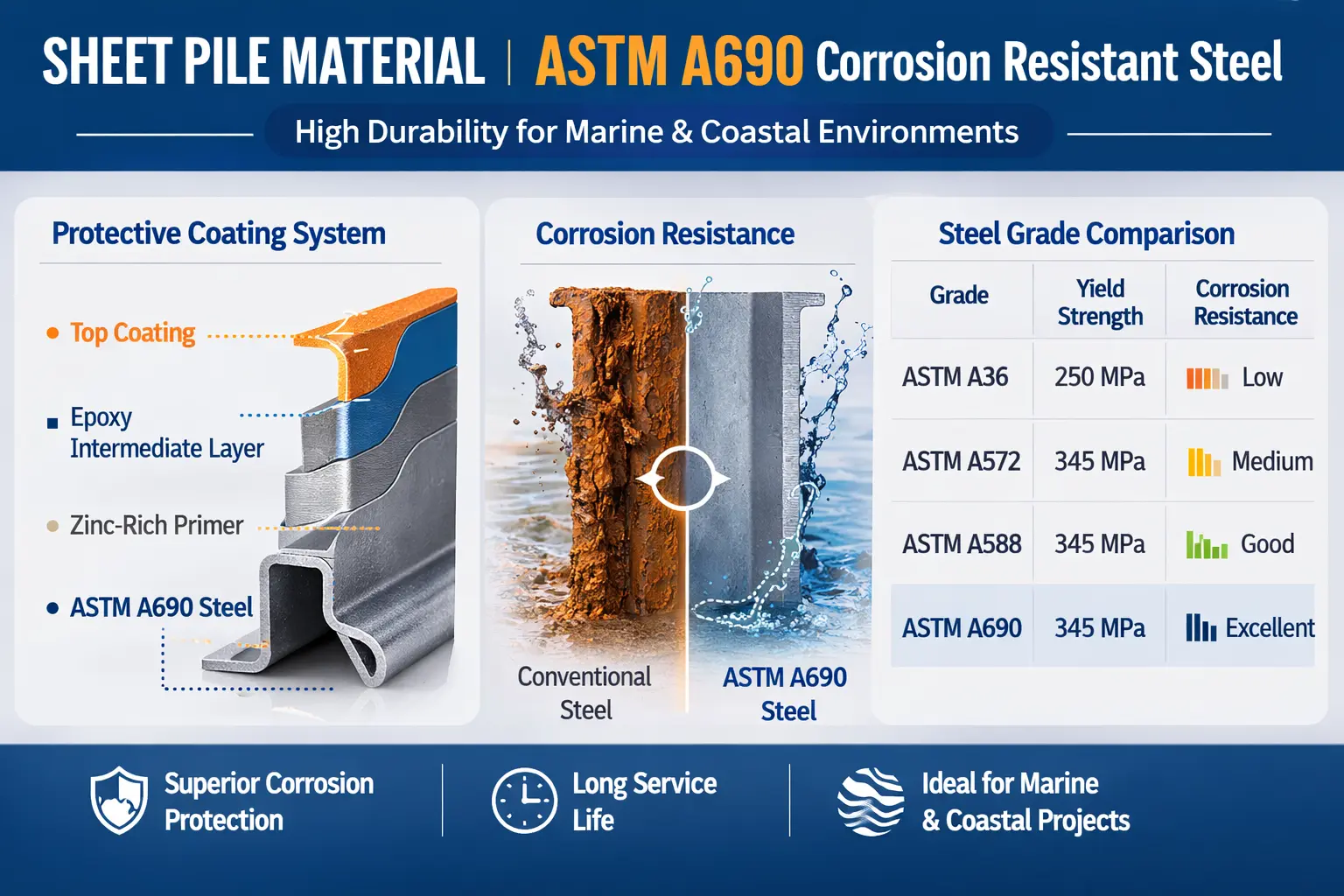
Common Coating Types
I often use bitumen coating for temporary projects. It is simple and cost-effective.
For long-term use, epoxy coating provides better protection.
Galvanization adds a zinc layer. It protects steel from rust.
Cathodic Protection
This method uses electrical current to reduce corrosion. It is common in marine structures.
It requires monitoring but offers long-term protection.
Surface Treatment Methods
| Method | Protection Level | Cost | Application |
|---|---|---|---|
| Bitumen | Low | Low | Temporary use |
| Epoxy | Medium | Medium | General projects |
| Galvanized | High | High | Marine environment |
| Cathodic | Very High | High | Offshore structures |
Real Case Insight
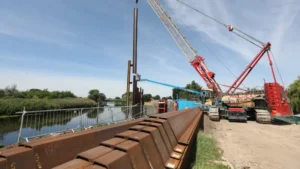
In my riverbank protection project, we used hot rolled U type sheet piles with coating. The interlock system worked well. The coating helped reduce water damage.
The installation was fast. The structure remained stable over time.
From my experience, coating is not optional. It is part of the system design.
Conclusion
Steel sheet pile materials and treatments directly affect strength, durability, and project safety. I always suggest choosing based on real conditions, not only price.