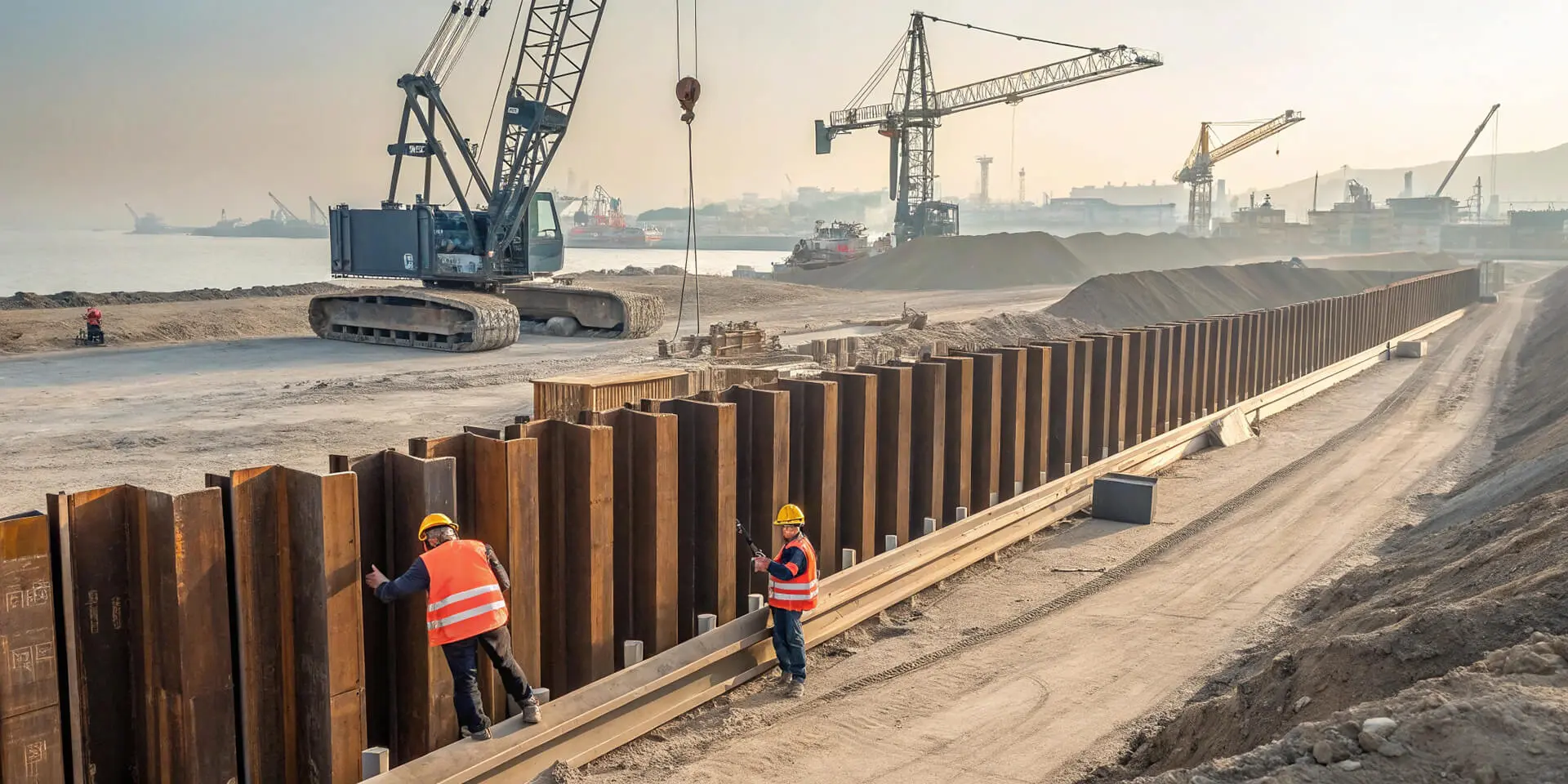
Our Solutions
Engineered Sheet Pile Systems for Marine Engineering
Marine engineering sheet pile solutions typically use Z-type piles or combined wall systems, selected based on water depth, wave loads, corrosion exposure, and design life. Materials such as S355 or ASTM A690 with coating or corrosion allowance are commonly applied for long-term durability.
We support marine structures including quay walls, seawalls, jetties, and offshore retaining systems with:
👉 :Solutions are aligned with structural demand, exposure conditions, and service life requirements.
- Z sheet piles and U sheet piles for standard marine retaining
- Tubular / HZ combined walls for high-load and deep-water conditions
- Marine-grade steel (S355, ASTM A690)
- Corrosion solutions: coatings, galvanizing, or thickness allowance
Our Solutions
Engineered Sheet Pile Systems for Marine Engineering
Marine engineering sheet pile solutions typically use Z-type piles or combined wall systems, selected based on water depth, wave loads, corrosion exposure, and design life. Materials such as S355 or ASTM A690 with coating or corrosion allowance are commonly applied for long-term durability.
We support marine structures including quay walls, seawalls, jetties, and offshore retaining systems with:
👉 :Solutions are aligned with structural demand, exposure conditions, and service life requirements.
- Z sheet piles and U sheet piles for standard marine retaining
- Tubular / HZ combined walls for high-load and deep-water conditions
- Marine-grade steel (S355, ASTM A690)
- Corrosion solutions: coatings, galvanizing, or thickness allowance
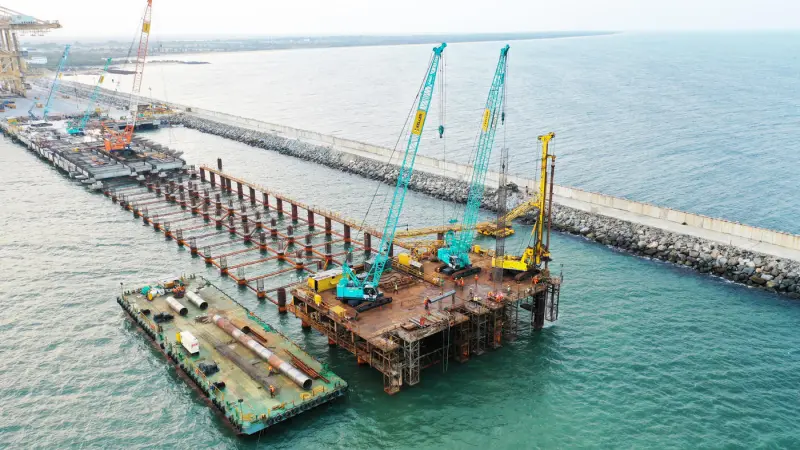
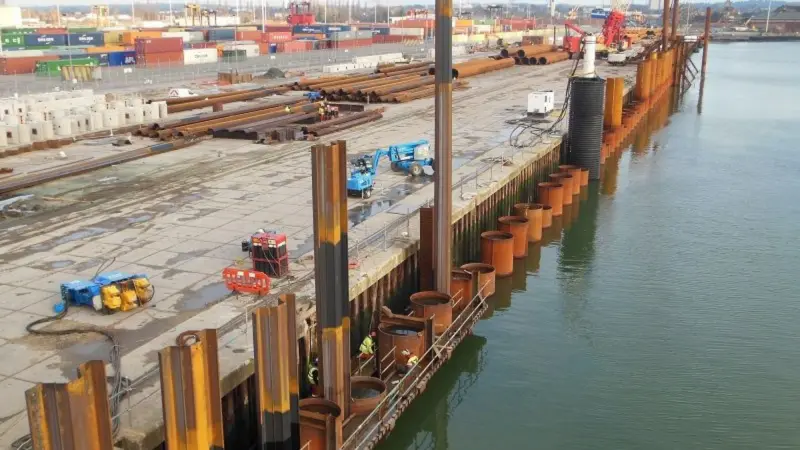
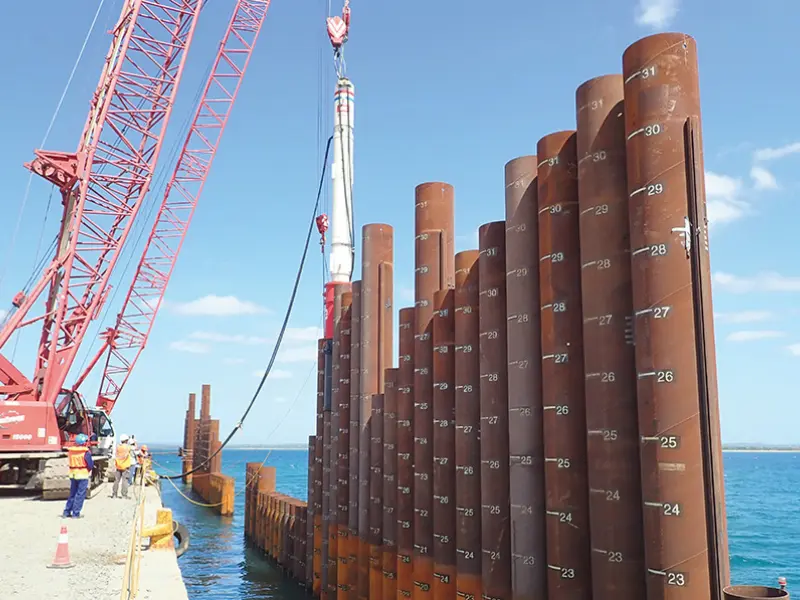
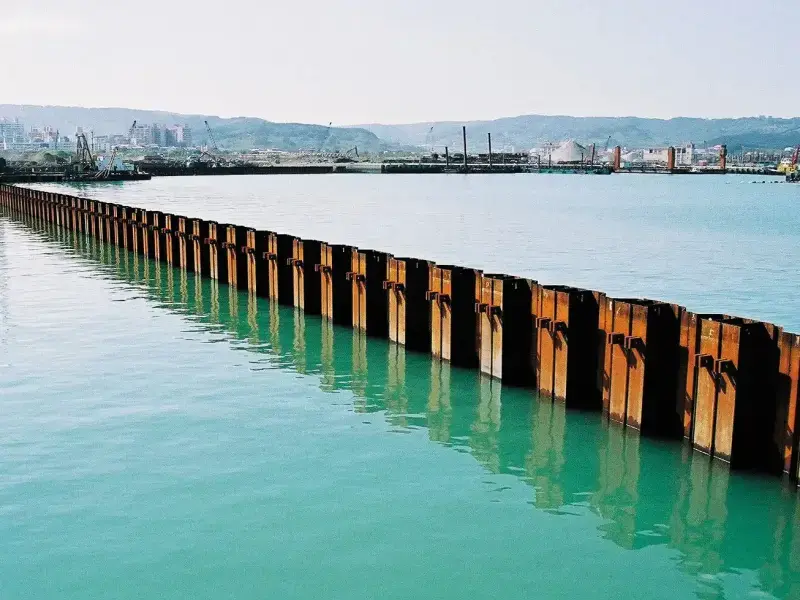
What Are Sheet Pile Systems in Marine Engineering?
Steel sheet piles are widely used in marine engineering to form retaining and protective structures in coastal and offshore environments.
They are typically applied in:
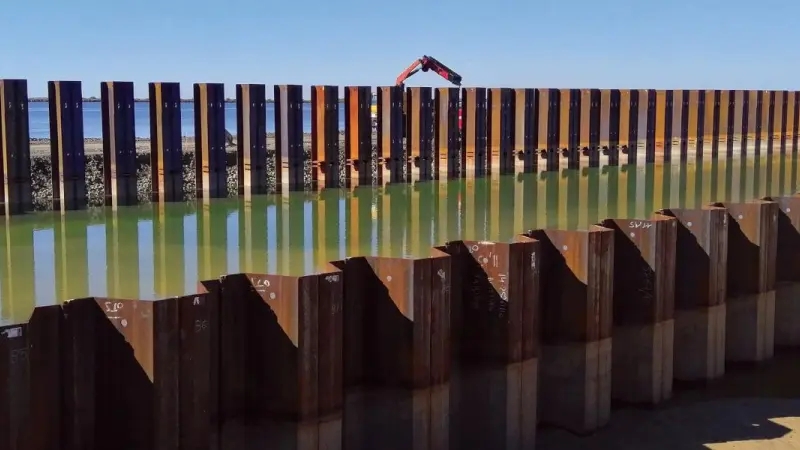
- Seawalls and coastal defenses
- Quay walls and berthing structures
- Jetties and offshore platforms
- Harbor and port infrastructure
👉 :In marine projects, sheet piles function as both structural barriers and coastal protection systems.
Typical Marine Applications:
- Seawall construction
- Coastal protection systems
- Port and harbor infrastructure
- Offshore retaining walls
- Jetty and dock structures
What Are Sheet Pile Systems in Marine Engineering?
Steel sheet piles are widely used in marine engineering to form retaining and protective structures in coastal and offshore environments.
They are typically applied in:
- Seawalls and coastal defenses
- Quay walls and berthing structures
- Jetties and offshore platforms
- Harbor and port infrastructure
👉 :In marine projects, sheet piles function as both structural barriers and coastal protection systems.
Typical Marine Applications:
- Seawall construction
- Coastal protection systems
- Port and harbor infrastructure
- Offshore retaining walls
- Jetty and dock structures
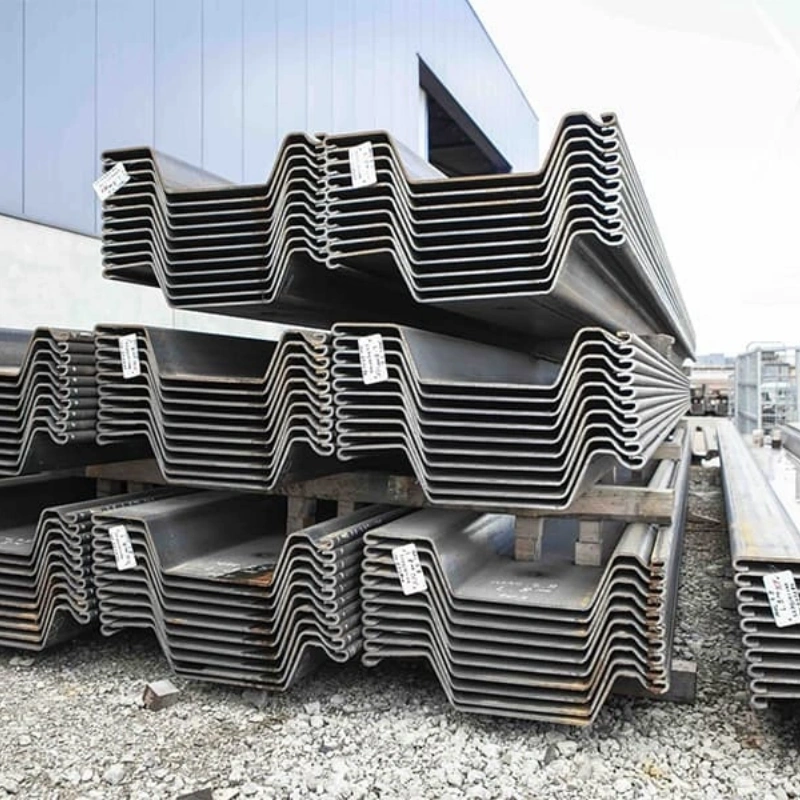
Recommended Sheet Pile Systems for Marine Engineering
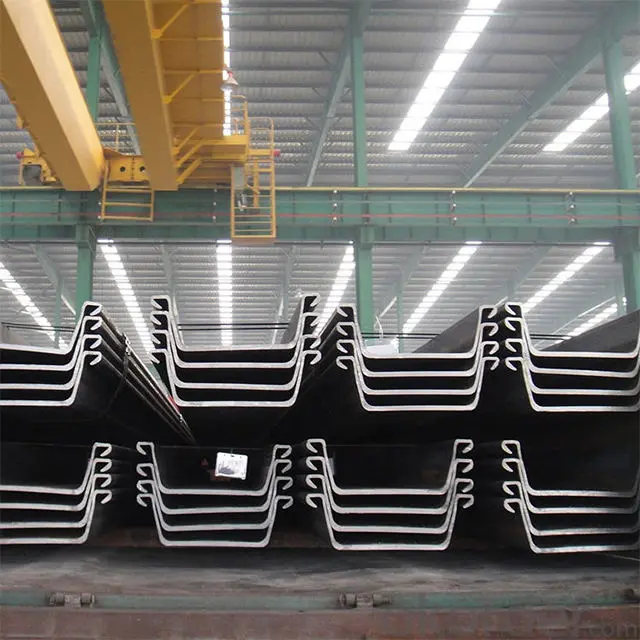
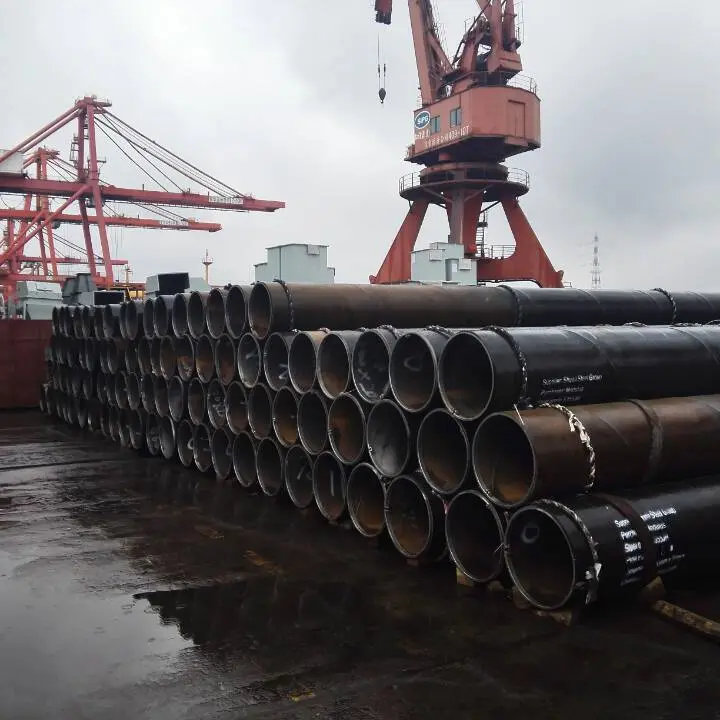
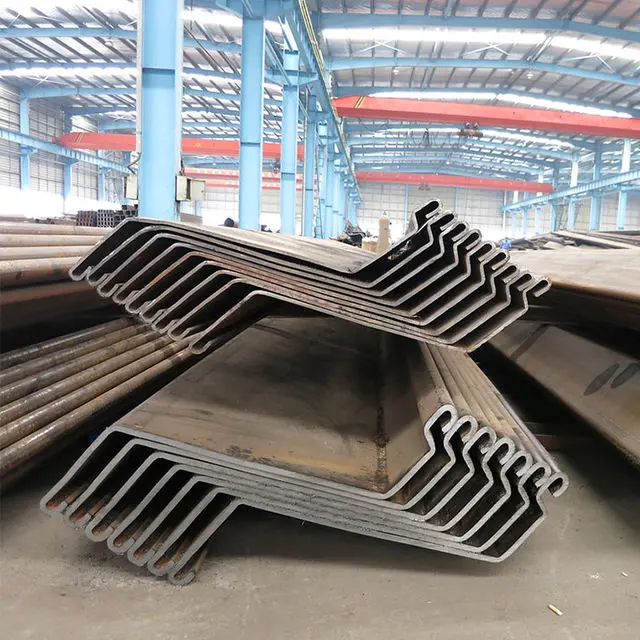
| System Type | Application | Key Advantage |
|---|---|---|
| U Sheet Piles | Standard seawalls | Flexible and cost-effective |
| Z Sheet Piles | Marine retaining walls | Higher structural efficiency |
| Tubular Combined Wall | Deep water / heavy loads | High bending resistance |
| HZ Combined Wall | Large infrastructure | Maximum stiffness |
Key Engineering Considerations
Marine engineering projects require careful evaluation of:
- Water depth and retained height
- Wave and impact loads
- Soil and seabed conditions
- Corrosion exposure (saltwater, tidal zones)
- Design life (typically 25–50+ years)
👉 :Marine sheet pile selection depends on structural loads, environmental exposure, and long-term durability requirements.
Corrosion Protection Strategy
Marine environments are highly aggressive due to saltwater and tidal conditions.
Common protection methods include:
- Epoxy or bitumen coatings
- Hot-dip galvanizing
- Increased steel thickness (corrosion allowance)
- Marine-grade steel such as ASTM A690
👉 :Corrosion protection strategy directly impacts service life and maintenance cost.
Key Engineering Considerations
Marine engineering projects require careful evaluation of:
- Water depth and retained height
- Wave and impact loads
- Soil and seabed conditions
- Corrosion exposure (saltwater, tidal zones)
- Design life (typically 25–50+ years)
👉 :Marine sheet pile selection depends on structural loads, environmental exposure, and long-term durability requirements.
Corrosion Protection Strategy
Marine environments are highly aggressive due to saltwater and tidal conditions.
Common protection methods include:
- Epoxy or bitumen coatings
- Hot-dip galvanizing
- Increased steel thickness (corrosion allowance)
- Marine-grade steel such as ASTM A690
👉 :Corrosion protection strategy directly impacts service life and maintenance cost.
Project Supply Scope
We support complete marine retaining systems, including:
- Steel sheet piles (U / Z types)
- Tubular and HZ combined walls
- Pipe piles for offshore foundations
- Tie rods and anchoring systems
- Waling beams and connection components
- Corrosion-adapted material options
👉 :All components can be supplied as a coordinated system to ensure compatibility and simplify procurement.
Project Supply Scope
Marine engineering projects require more than standard material supply. We support complete retaining system solutions, ensuring all components are aligned with structural design, environmental exposure, and installation requirements. Our supply approach focuses on system compatibility, durability, and project efficiency, helping contractors and project teams reduce coordination complexity.
1. Steel Sheet Piles
2. Combined Wall Systems
3. Pipe Piles
4. Tie Rod & Anchoring Systems
5. Waling Beams & Connections
6. Corrosion-Adapted Options
Why Our Marine Sheet Pile Solutions Work?
- Application-based selection (not just product supply)
- Experience in marine and coastal conditions
- Flexible solutions for temporary and permanent structures
- Support for corrosion and long service life design
- Export-ready supply and documentation
- Efficient communication with engineering teams
👉:We support project decisions, not just material supply.
Why Our Marine Sheet Pile Solutions Work
We support project decisions, not just material supply.
Application-based selection (not just product supply)
Experience in marine and coastal conditions
Flexible solutions for temporary and permanent structures
Support for corrosion and long service life design
Export-ready supply and documentation
Efficient communication with engineering teams
How to Choose the Right System for Marine Projects?
The selection depends on:
- Required bending resistance
- Environmental exposure
- Installation constraints
- Cost vs design life balance
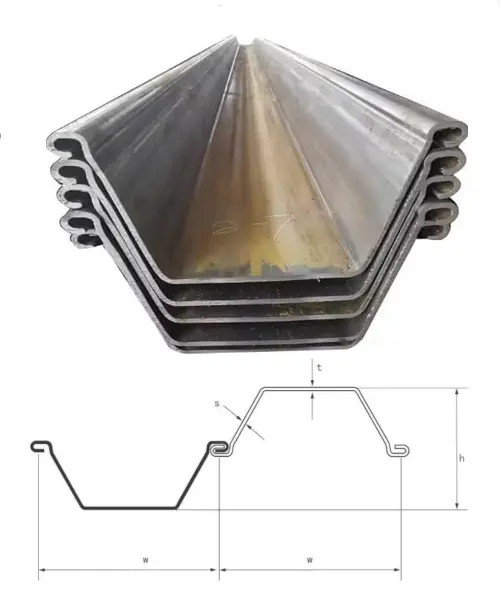
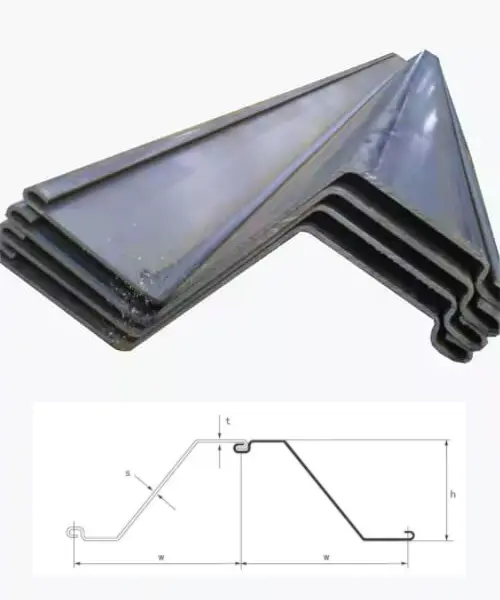
U vs Z vs Combined Wall
- U Sheet Piles → general-purpose, flexible
- Z Sheet Piles → higher efficiency, less steel consumption
- Combined Walls → heavy-duty marine structures
👉 :For high-load or deep-water projects, combined wall systems are often more suitable than standard sheet piles.
How to Choose the Right System for Marine Projects?
The selection depends on:
- Required bending resistance
- Environmental exposure
- Installation constraints
- Cost vs design life balance
U vs Z vs Combined Wall
- U Sheet Piles → general-purpose, flexible
- Z Sheet Piles → higher efficiency, less steel consumption
- Combined Walls → heavy-duty marine structures
👉 :For high-load or deep-water projects, combined wall systems are often more suitable than standard sheet piles.
FAQ
Q1: What type of sheet pile system is most suitable for marine engineering projects?
Z sheet piles and combined wall systems are typically preferred due to their higher section modulus and bending resistance. For deep water or heavy load conditions, tubular or HZ combined walls are often required to meet structural performance demands.
Q2: What factors determine the selection of sheet piles in marine environments?
Selection depends on water depth, retained height, wave and berthing loads, soil conditions, corrosion exposure, and required design life. These factors define the required section modulus, system type, and material specification.
Q3: How is corrosion addressed in marine sheet pile structures?
Marine corrosion is managed through protective coatings, galvanizing, corrosion allowance (increased thickness), or the use of marine-grade steel such as ASTM A690. The chosen method depends on exposure conditions and design life requirements.
Q4: When should combined wall systems be used instead of standard sheet piles?
Combined wall systems are used when higher bending stiffness and load capacity are required, such as in deep-water quay walls, offshore structures, or projects with significant surcharge loads.
Q5: Can steel sheet piles be used for long-term marine structures?
Yes. With proper design, material selection, and corrosion protection, sheet piles are widely used in permanent marine structures such as seawalls, quay walls, and bulkheads with service life exceeding 25–50 years.
Q6: What components are included in a complete marine sheet pile system?
A complete system may include sheet piles, pipe piles, combined wall elements, tie rods, anchoring systems, waling beams, and connection components, all designed to work together structurally.
Tell Us Your Marine Project Requirements
Whether for seawalls, coastal protection, or offshore structures, we help match the right sheet pile solution.