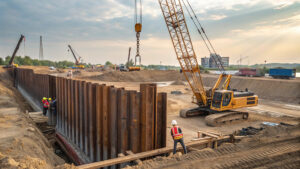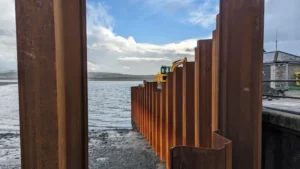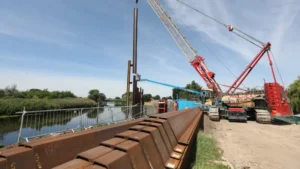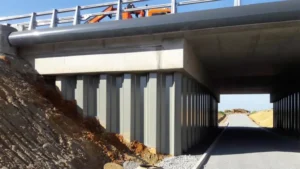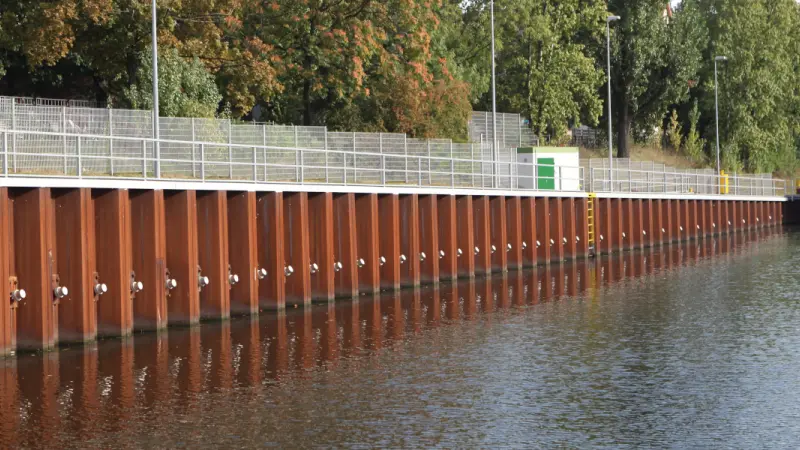
Many riverbank projects fail because engineers choose the wrong sheet pile type. This leads to erosion, wall movement, and long-term instability.
The best sheet pile type for riverbanks is usually hot rolled U-type or Z-type steel sheet piles. U-type piles are easier to install and flexible, while Z-type piles provide higher strength and are better for deep water and high soil pressure conditions.
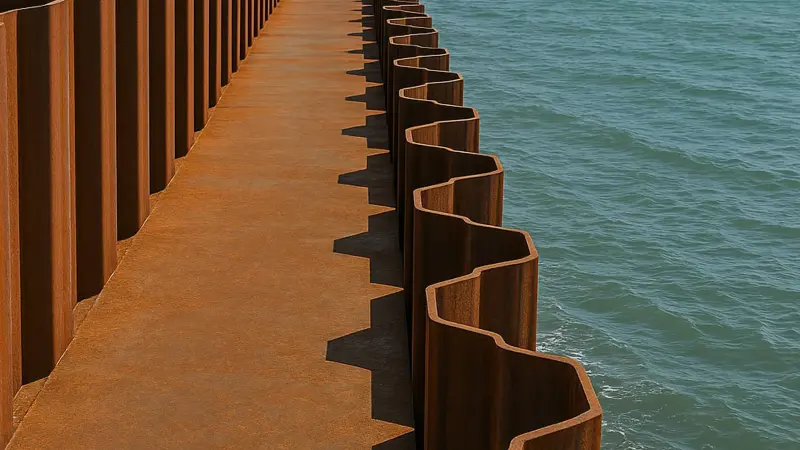
I often see riverbank protection projects start with low-cost decisions. This creates problems later when water levels rise or soil becomes soft. In my experience, riverbank engineering must focus on long-term stability, not only installation speed or material price. River systems change over time, so the structure must adapt to pressure, erosion, and seasonal flow changes.
What is the difference between U-type and Z-type sheet piles?
Many buyers see U-type and Z-type sheet piles but do not fully understand how they perform in riverbank environments.
U-type sheet piles have a simple shape and good flexibility for installation, while Z-type sheet piles have higher section modulus and better strength, making them more suitable for deep riverbanks and high lateral soil pressure conditions.
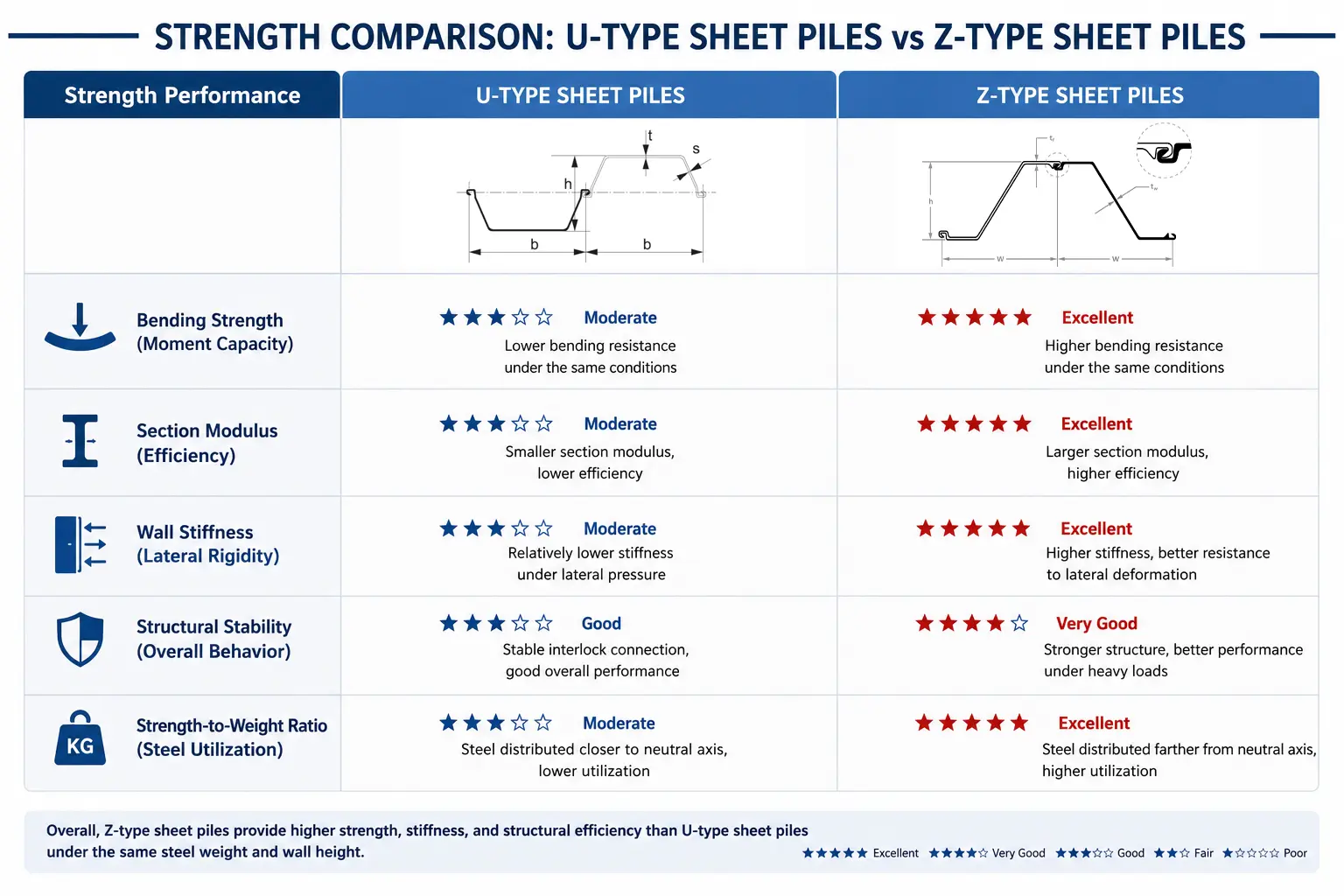
Structural Shape Difference
U-type sheet piles:
- Rounded interlock system
- Flexible design
- Easy driving into soil
Z-type sheet piles:
- Z-shaped geometry
- Higher stiffness
- Stronger bending resistance
The shape directly affects performance.
Load Resistance Comparison
| Feature | U-Type | Z-Type |
|---|---|---|
| Strength | Medium | High |
| Flexibility | High | Medium |
| Installation | Easy | Moderate |
| Cost | Lower | Higher |
Z-type performs better under high bending stress.
Riverbank Application
Riverbanks face:
- Water pressure
- Flow erosion
- Soil movement
U-type works well in small rivers.
Z-type works better in:
- Deep rivers
- High flow velocity areas
- Permanent retaining walls
My Field Experience
I worked on a riverbank protection project in Southeast Asia.
The original design used U-type sheet piles. Later, the water flow increased during rainy season.
The wall showed slight movement.
After redesign, we used Z-type piles.
The structure became stable.
My view is simple. U-type is for flexibility. Z-type is for strength. Riverbanks often need strength more than flexibility.
What is the difference between Type 2 and Type 4 sheet pile?
Many engineers confuse Type 2 and Type 4 sections in design drawings.
Type 2 sheet piles are lighter sections with lower bending capacity, while Type 4 sheet piles are heavier and stronger sections designed for deeper excavation and higher soil pressure conditions.
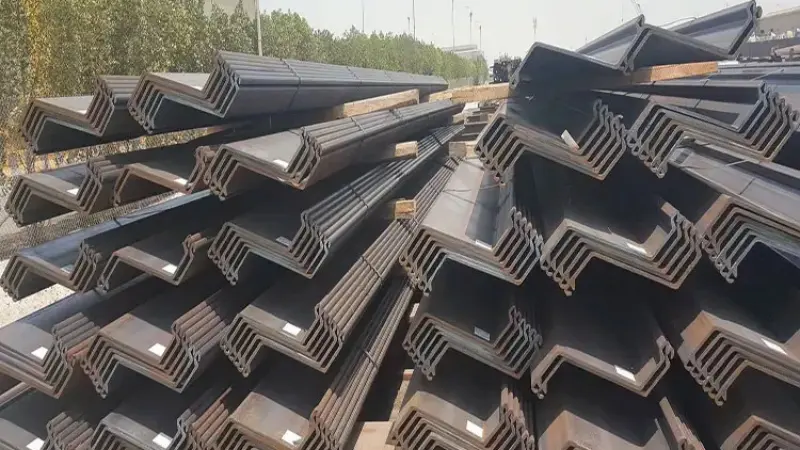
Section Strength Difference
Type 2:
- Lower section modulus
- Light weight
- Limited depth use
Type 4:
- Higher section modulus
- Heavy weight
- Deep excavation use
Soil Pressure Effect
Riverbank soil pressure increases with:
- Depth
- Water saturation
- Soil density
Type 2 can deform under high pressure.
Type 4 resists bending better.
Structural Use Cases
| Type | Application |
|---|---|
| Type 2 | Shallow riverbanks |
| Type 4 | Deep retaining walls |
Installation Consideration
Type 2 is easier to install.
Type 4 requires stronger equipment.
My Engineering View
I often see Type 2 used in projects where Type 4 is actually needed.
This leads to wall deformation after one rainy season.
My opinion is that Type selection must follow soil pressure, not cost.
What are the disadvantages of using sheet piles?
Sheet piles are widely used in riverbank projects, but they also have limitations.
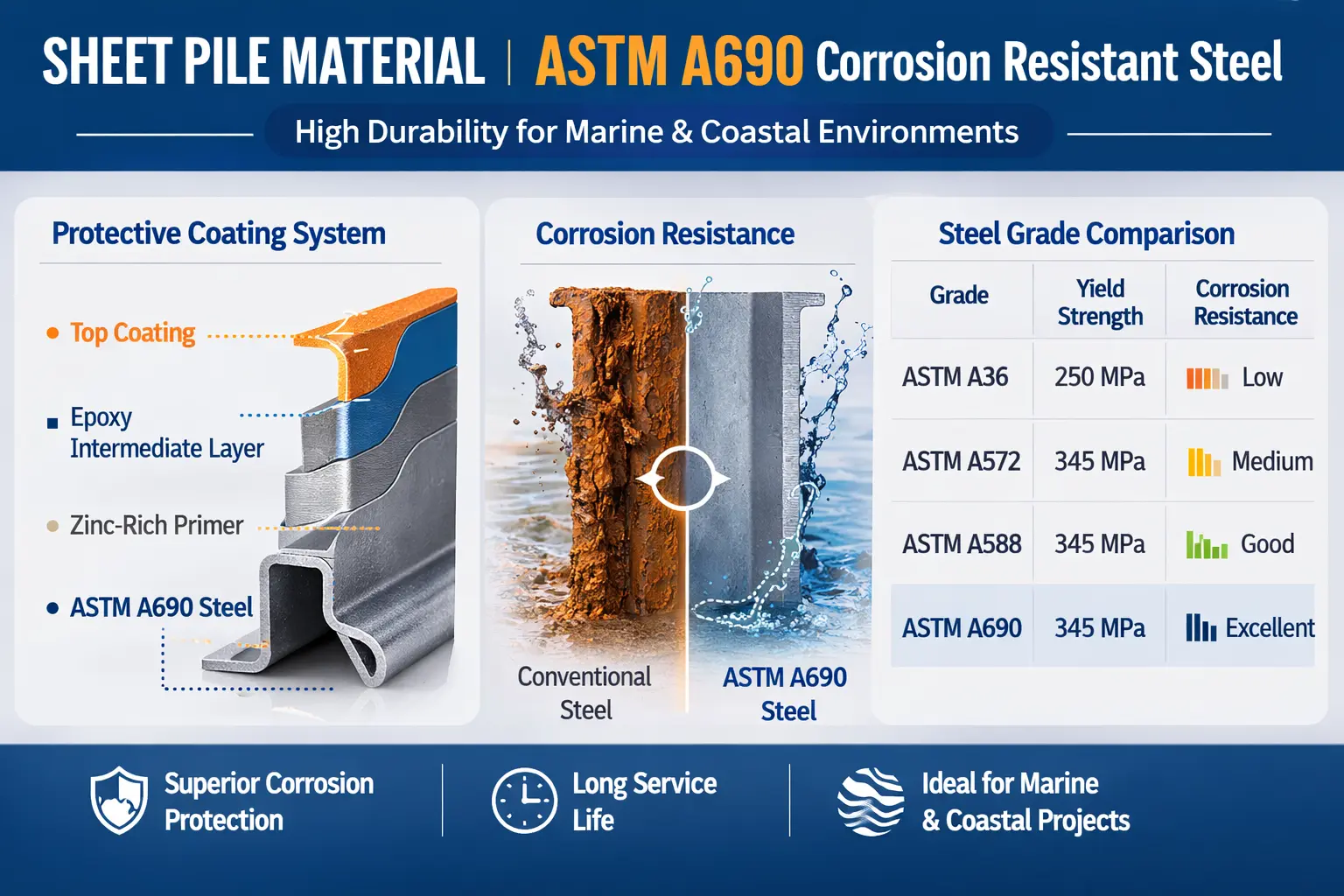
The disadvantages of sheet piles include corrosion risk, noise during installation, limited performance in very hard soil, and potential long-term deformation under high lateral loads if not properly designed.
Corrosion Problem
River environments contain:
- Water
- Oxygen
- Chemicals
Steel can corrode over time.
Protection methods include:
- Coatings
- Cathodic protection
- Galvanization
More details can be found at American Galvanizers Association.
Noise and Vibration
Installation methods like vibratory hammers create:
- Noise
- Ground vibration
This can affect nearby structures.
Soil Limitation
Sheet piles do not perform well in:
- Very hard rock
- Mixed boulder soil
Driving becomes difficult.
Long-Term Deformation
If design is weak:
- Wall bends
- Interlocks loosen
- Leakage appears
My Field Experience
I have seen sheet pile walls perform well for years.
But I have also seen failures when corrosion protection was ignored.
My view is simple. Sheet piles are strong, but only when environment and design are correctly matched.
What is the best material for sheet piling?
Material selection is one of the most important decisions in riverbank engineering.
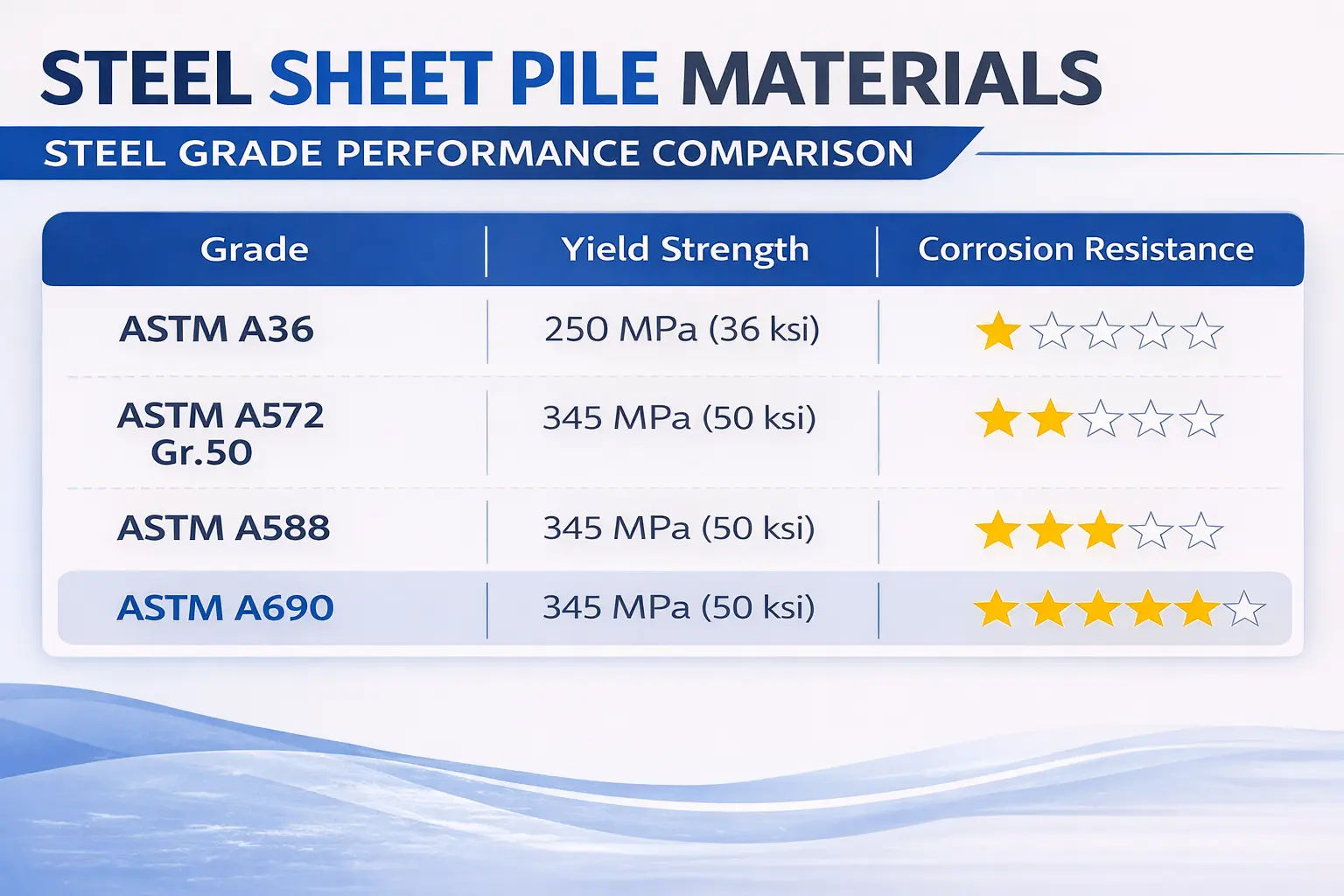
The best material for sheet piling is hot rolled structural steel such as S355 or ASTM A690, because these materials provide high strength, good weldability, and improved corrosion resistance for marine and river environments.
Common Materials
| Material | Use |
|---|---|
| S235 | Temporary works |
| S355 | General riverbank projects |
| ASTM A690 | Marine and high corrosion zones |
| Q355 | Infrastructure works |
Why Steel Is Preferred
Steel sheet piles offer:
- High strength
- Easy installation
- Reusable sections
- Strong interlock system
Corrosion Resistance
River environments increase corrosion risk.
Protection methods:
- Coatings
- Sacrificial thickness
- Cathodic systems
Alternative Materials
Other materials include:
- Concrete piles
- Vinyl sheet piles
But they have limitations in strength or installation flexibility.
My Practical Insight
I have supplied steel sheet piles for many riverbank projects in Asia and the Middle East.
Steel performs best when corrosion protection is applied correctly.
My opinion is that S355 steel is the most balanced choice for most riverbank projects.
Conclusion
Riverbank sheet pile selection depends on type, strength, and material, with Z-type and S355 steel being the most reliable for long-term protection.