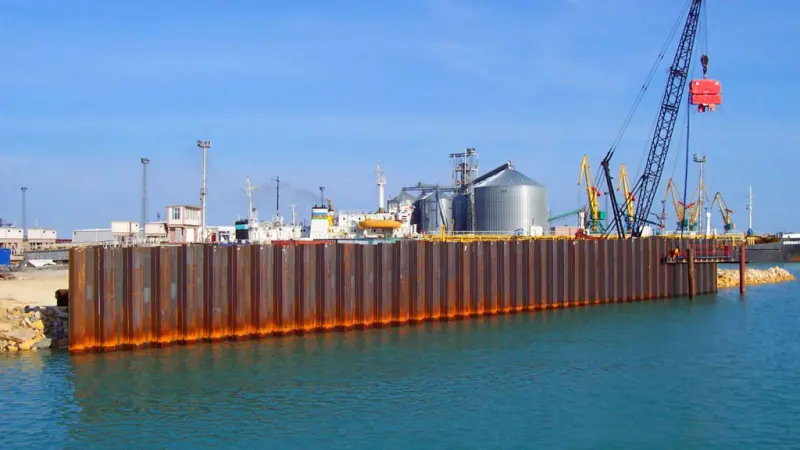
Many temporary excavation projects face delays because the wrong sheet piles are selected. This can cause wall movement, safety risks, and unnecessary costs.
To select sheet piles for temporary works, I focus on excavation depth, soil conditions, groundwater level, and project duration. Most temporary projects use reusable steel sheet piles such as Type 2 or Type 4 sections, depending on the required strength and embedment depth.
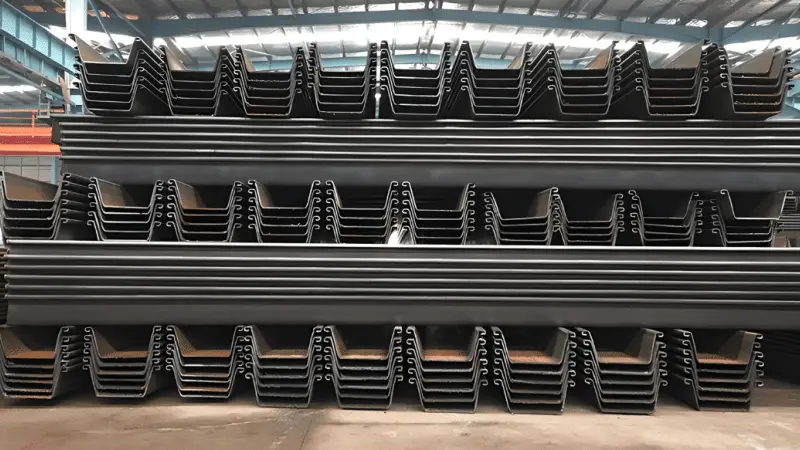
I often notice that contractors spend a lot of time comparing steel grades while ignoring soil pressure and excavation depth. In temporary works, the goal is not only structural safety but also cost efficiency and reusability. The right sheet pile can reduce installation time, lower material costs, and simplify removal after project completion.
For more information on temporary works design, construction, and safety management requirements, please refer toFor more information on temporary works design, construction, and safety management requirements, please refer to HSE Temporary Works。
Is sheet piling temporary work?
Many people associate sheet piles with permanent retaining walls. In reality, a large percentage of sheet pile applications are temporary.
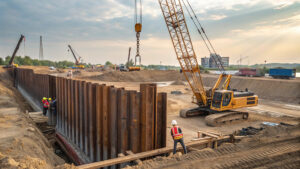
Sheet piling can be temporary or permanent. Temporary sheet piling is commonly used for excavation support, trench protection, bridge construction, and foundation works. After the project is completed, the sheet piles are usually extracted and reused.
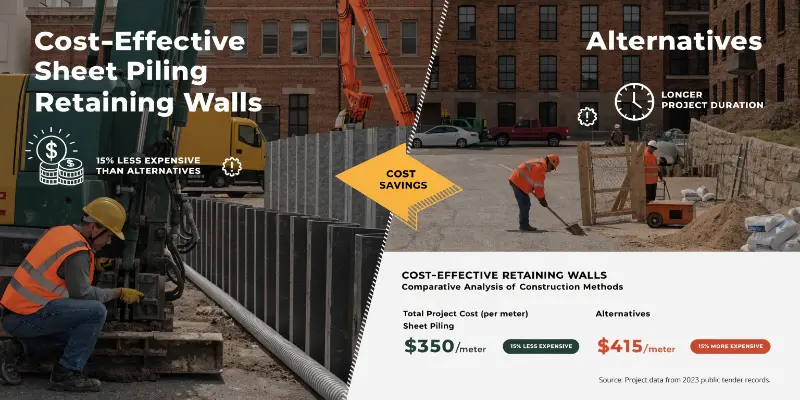
Why Temporary Sheet Piling Is Popular
Temporary sheet piles provide fast support for construction activities.
Common applications include:
- Basement excavation
- Utility trench protection
- Cofferdam construction
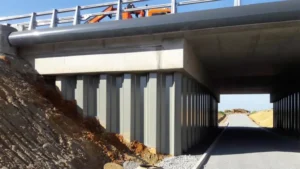
- Bridge foundation support
Unlike permanent retaining walls, temporary systems are designed for shorter service periods.
Benefits of Temporary Sheet Piles
| Benefit | Description |
|---|---|
| Reusable | Can be used on multiple projects |
| Fast Installation | Reduces construction time |
| Easy Removal | Extracted after project completion |
| Cost Effective | Lower lifecycle cost |
This makes steel sheet piles a preferred solution for contractors.
Design Considerations
Even temporary structures require engineering calculations.
I always review:
- Soil conditions
- Groundwater level
- Excavation depth
- Adjacent structures
A temporary wall failure can cause the same consequences as a permanent wall failure.
My Experience
I worked with a contractor in the Middle East who used hot rolled U-type sheet piles for a temporary bridge foundation project. After construction, the piles were removed and reused on another site.
This reduced material waste and improved project profitability.
My Perspective
I believe temporary sheet piling is one of the most efficient construction solutions available today. The ability to reuse steel sheet piles provides both economic and environmental benefits.
Temporary sheet piles can typically be removed and reused after completion, which is one of the key reasons for their relatively low lifecycle cost. ArcelorMittal: Temporary works。
What is the difference between Type 2 and Type 4 sheet piles?
Many contractors struggle to determine whether Type 2 or Type 4 sheet piles are suitable for temporary works.
Type 2 sheet piles are lighter sections designed for moderate soil pressure, while Type 4 sheet piles offer higher section modulus and greater bending resistance for deeper excavations and heavier loads.
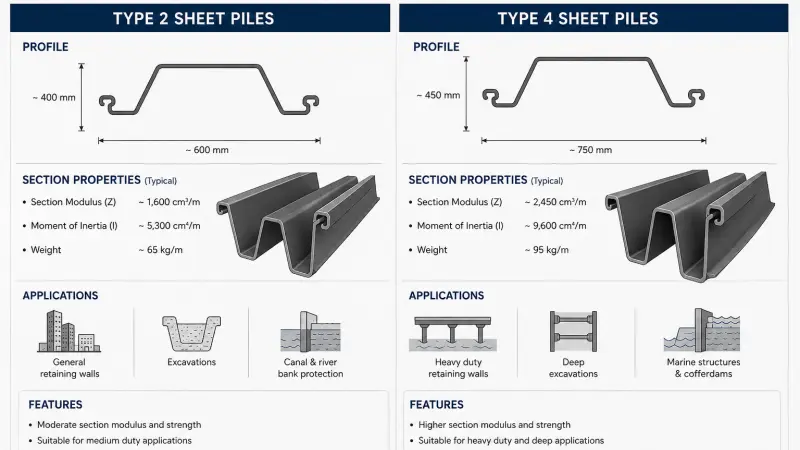
Understanding Structural Capacity
The main difference lies in section modulus.
Higher section modulus means:
- Higher bending resistance
- Greater excavation depth capability
- Better performance under soil pressure
Comparison Table
| Property | Type 2 | Type 4 |
|---|---|---|
| Weight | Lower | Higher |
| Strength | Moderate | High |
| Cost | Lower | Higher |
| Excavation Depth | Shallow to Medium | Medium to Deep |
Soil Conditions Matter
Type 2 often works well in:
- Dense sand
- Stable soil
- Shallow excavations
Type 4 is preferred for:
- Soft clay
- High groundwater
- Deep excavations
Cost vs Safety
Many buyers focus on reducing material costs.
However, selecting a lighter section than required may result in:
- Excessive deflection
- Installation problems
- Safety concerns
My Engineering Insight
I have seen contractors save money by choosing Type 2 piles. Later they had to redesign the support system because soil pressure exceeded expectations.
My view is simple. The cheapest section is not always the most economical solution.
Regarding the section form of steel sheet piles, the design concept, and the application of different models in terms of bending resistance and construction, please refer to ArcelorMittal: Design of steel sheet piles。
Are sheet piles temporary or permanent?
Many project owners ask whether sheet piles should remain in the ground or be removed after construction.
Sheet piles can serve as both temporary and permanent structures. The decision depends on project requirements, design life, environmental exposure, and economic considerations.
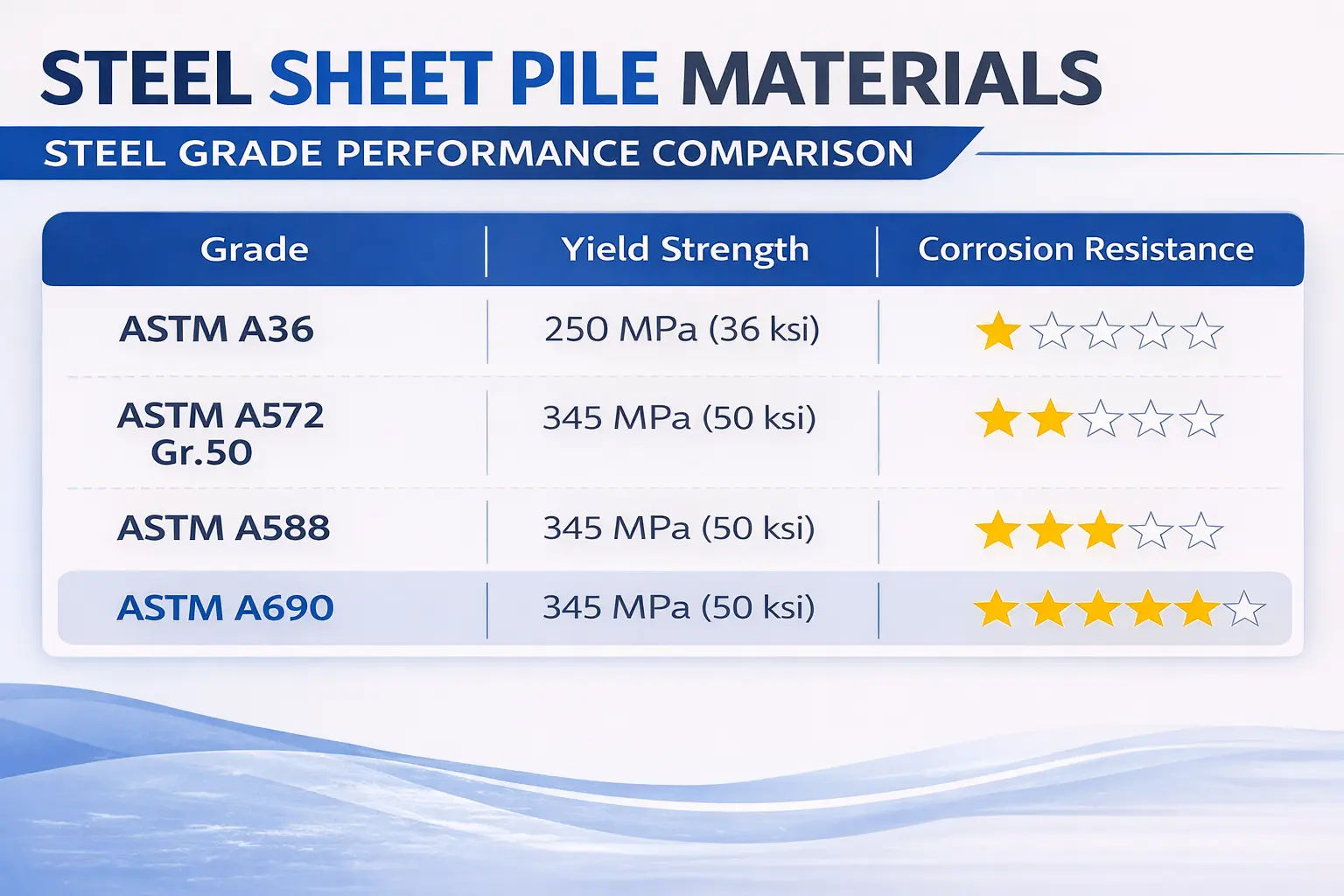
Temporary Applications
Typical temporary uses include:
- Excavation support
- Cofferdams
- Utility installation
- Foundation works
The piles are removed after use.
Permanent Applications
Permanent sheet pile structures include:
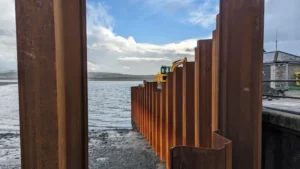
- Riverbank protection
- Port facilities
- Flood walls
- Retaining structures
These installations remain in place for decades.
Comparison
| Feature | Temporary | Permanent |
|---|---|---|
| Service Life | Months | Decades |
| Corrosion Protection | Basic | Enhanced |
| Reuse | Yes | No |
| Design Requirements | Moderate | Higher |
Corrosion Considerations
Permanent applications require corrosion analysis.
Resources from the American Galvanizers Association provide useful information regarding steel durability.
My Experience
Our Southeast Asia riverbank project used hot rolled U-type sheet piles as a permanent retaining structure. The strong interlocking system created a durable barrier against erosion and flooding.
My Perspective
I often tell clients that steel sheet piles are unique because they can serve both temporary and permanent purposes. This flexibility makes them attractive for many civil engineering projects.
What is the rule of thumb for sheet pile depth?
Many contractors want a quick guideline before detailed engineering calculations begin.
A common rule of thumb is that sheet pile embedment depth should be approximately one-third to one-half of the retained height, depending on soil strength and groundwater conditions.
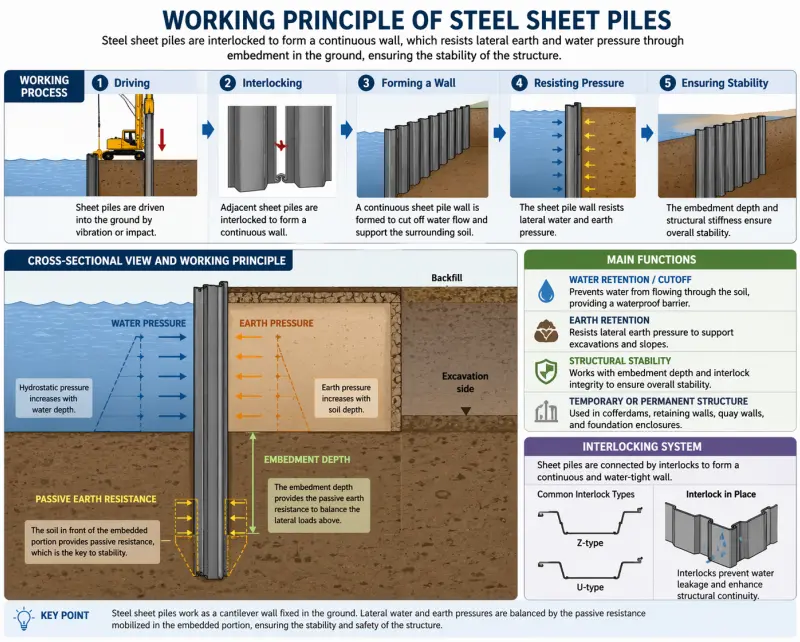
Why Embedment Matters
The embedded portion provides resistance against:
- Overturning
- Sliding
- Soil pressure
Without adequate embedment, wall stability decreases significantly.
Typical Ratios
| Soil Condition | Embedment Ratio |
|---|---|
| Dense Sand | 0.3H |
| Medium Soil | 0.4H |
| Soft Clay | 0.5H or More |
H represents retained wall height.
Groundwater Influence
High groundwater levels increase lateral pressure.
This often requires:
- Greater embedment depth
- Stronger sheet pile sections
Limitations of Rules of Thumb
These ratios are only preliminary guidelines.
Final design should include:
- Geotechnical investigation
- Structural calculations
- Safety factors
My Practical View
I often use these ratios during early project discussions. They help estimate material requirements before detailed engineering begins.
How to decide pile depth?
Pile depth is one of the most important factors affecting temporary support performance.
Pile depth is determined by soil conditions, excavation depth, surcharge loads, groundwater pressure, and required safety factors. Engineers use geotechnical data and structural calculations to establish the final depth.
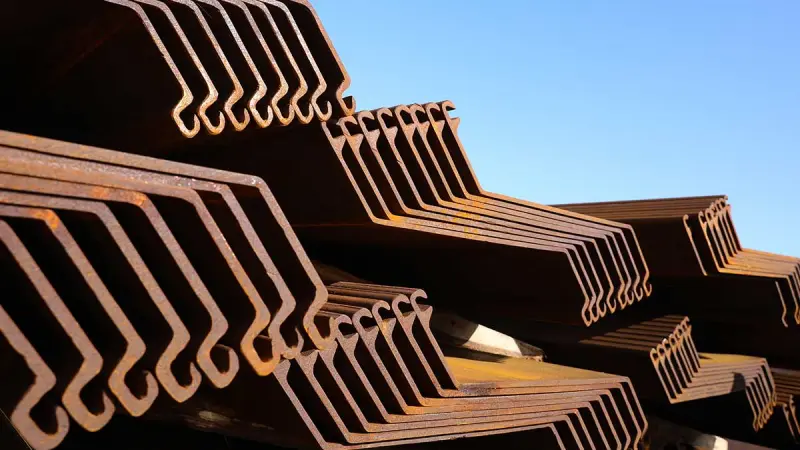
Step 1: Review Soil Reports
A soil investigation identifies:
- Soil layers
- Bearing capacity
- Groundwater level
Without this information, depth selection becomes unreliable.
Step 2: Determine Loading
Engineers evaluate:
- Soil pressure
- Equipment loads
- Traffic loads
- Building loads
Step 3: Calculate Stability
The wall must resist:
- Sliding
- Overturning
- Excessive bending
Example Depth Selection
| Excavation Depth | Typical Pile Length |
|---|---|
| 3 m | 5–6 m |
| 5 m | 8–10 m |
| 8 m | 12–15 m |
Actual values depend on site conditions.
My Observation
I have seen projects where contractors underestimated pile depth to save costs. This often resulted in wall movement and redesign.
My opinion is that sufficient embedment is one of the best investments in temporary works.
How deep should sheet piles be?
Many buyers ask for a simple answer regarding sheet pile depth. Unfortunately, there is no single depth that works for every project.
Sheet piles should be deep enough to resist soil and water pressure while maintaining wall stability. Most temporary excavation projects require sheet pile lengths between 6 and 15 meters, depending on site conditions.
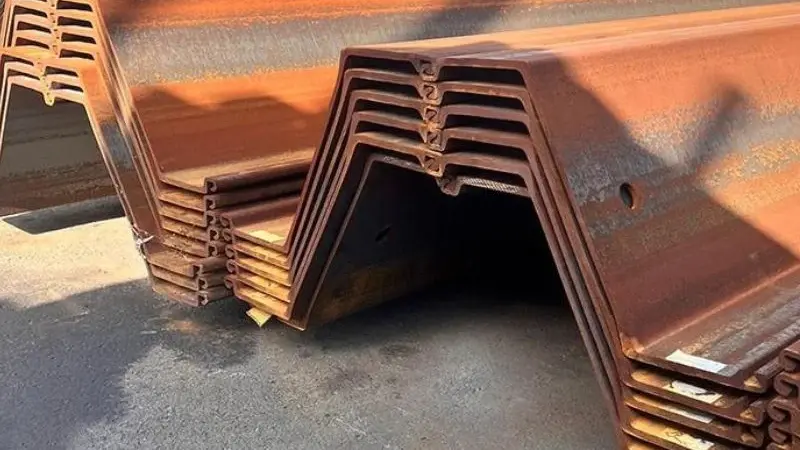
Factors Affecting Depth
The most important factors include:
- Soil strength
- Excavation depth
- Water table
- Surcharge loading
Common Project Examples
| Project Type | Typical Length |
|---|---|
| Utility Trench | 6–8 m |
| Basement Excavation | 8–12 m |
| Cofferdam | 10–18 m |
| Bridge Foundation | 12–20 m |
Importance of Geotechnical Analysis
Organizations such as the Federal Highway Administration provide valuable guidance on earth retention systems and foundation engineering.
A proper soil report reduces uncertainty and improves safety.
Case Study: Riverbank Protection Project
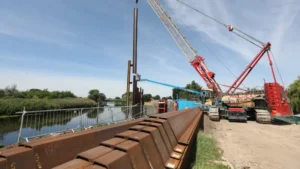
In our Southeast Asia riverbank protection project, hot rolled U-type sheet piles were driven deep into the soil to create a continuous retaining wall. The interlocking system provided strong structural support and helped control erosion and water movement.
The installation was completed efficiently using vibratory piling equipment. The final structure delivered long-term stability and flood protection.
My Perspective
I believe the correct sheet pile depth is always determined by engineering requirements rather than standard lengths. Every project deserves its own analysis.
Conclusion
Successful temporary sheet pile selection depends on soil conditions, excavation depth, embedment requirements, and structural demands. Proper planning improves safety, efficiency, and cost control.