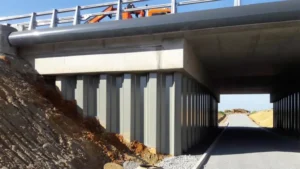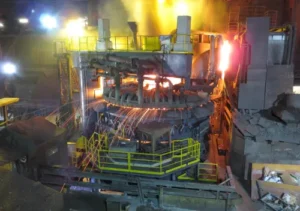
Many buyers choose sheet piles based on price alone. This can lead to corrosion issues, low strength, or costly project delays.
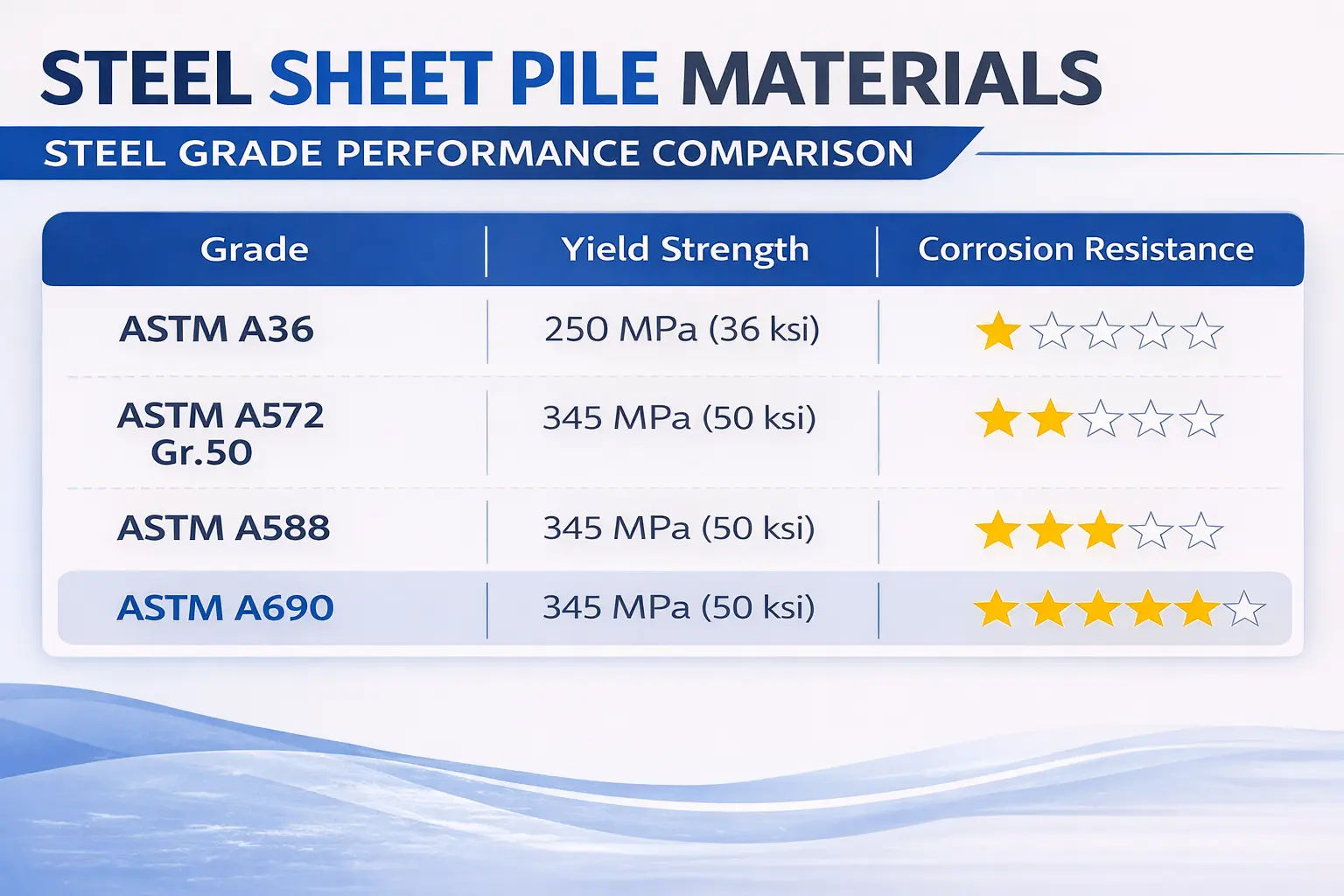
The best steel grade for sheet piles depends on the project environment, load requirements, and service life. In most construction projects, high-strength low-alloy grades such as S355, ASTM A572 Grade 50, and equivalent sheet pile steels provide an ideal balance of strength, durability, and cost.
Choosing the right steel grade is not only about meeting design requirements. It also affects installation efficiency, long-term maintenance costs, and project safety. In my experience supplying steel sheet piles to contractors and distributors across the Middle East, Asia, Africa, and other regions, selecting the proper steel grade often creates more value than simply choosing the lowest-priced option.
What Grade of Steel Is Used in Sheet Piles?
Many project owners focus on pile dimensions and forget that steel grade directly affects performance. This often creates problems when piles face high loads or corrosive environments.
Most sheet piles are manufactured from structural steel grades such as S235, S275, S355, ASTM A328, ASTM A572 Grade 50, and other equivalent high-strength low-alloy steels. The exact grade depends on engineering requirements, soil conditions, and local standards.
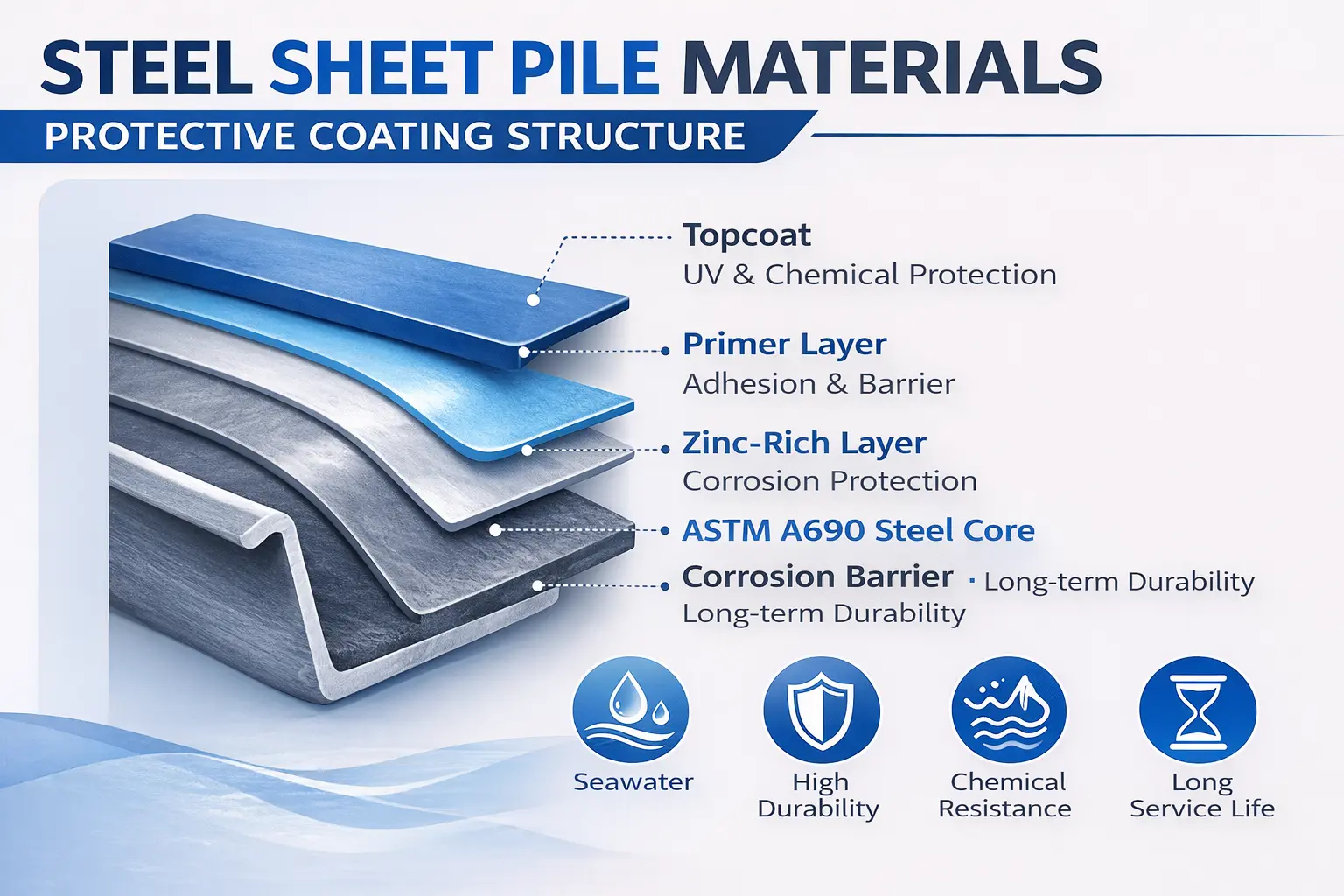
Common Steel Grades Used for Sheet Piles
When I discuss sheet pile requirements with contractors, I usually start with steel grade selection. Different grades provide different yield strengths, tensile strengths, and durability levels.
| Steel Grade | Standard | Yield Strength (MPa) | Typical Application |
|---|---|---|---|
| S235 | EN 10248 | 235 | Temporary retaining walls |
| S275 | EN 10248 | 275 | Light civil works |
| S355 | EN 10248 | 355 | Permanent structures |
| ASTM A572 Grade 50 | ASTM | 345 | Infrastructure projects |
| ASTM A690 | ASTM | 345 | Marine environments |
Why S355 Is Commonly Preferred
I often recommend S355 for many permanent sheet piling projects. It offers a good balance between strength and cost. Contractors can reduce steel consumption while maintaining structural performance.
The higher yield strength allows engineers to optimize wall design. This often reduces overall material usage. The savings in steel weight can offset the slightly higher material cost.
The Impact of Environmental Conditions
Steel grade selection should always consider exposure conditions.
For example:
These environments expose steel to moisture, chlorides, and oxygen. In such cases, corrosion resistance becomes very important.
A useful reference for structural steel standards can be found at the European Committee for Standardization EN 10248 Standard.
My Perspective from Real Projects
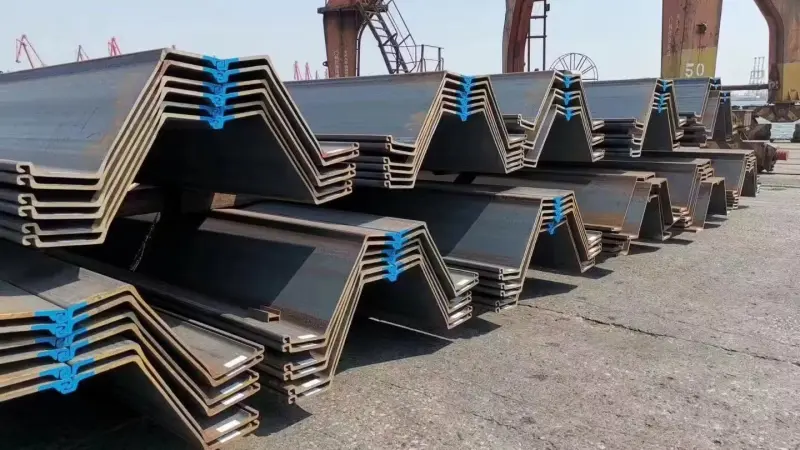
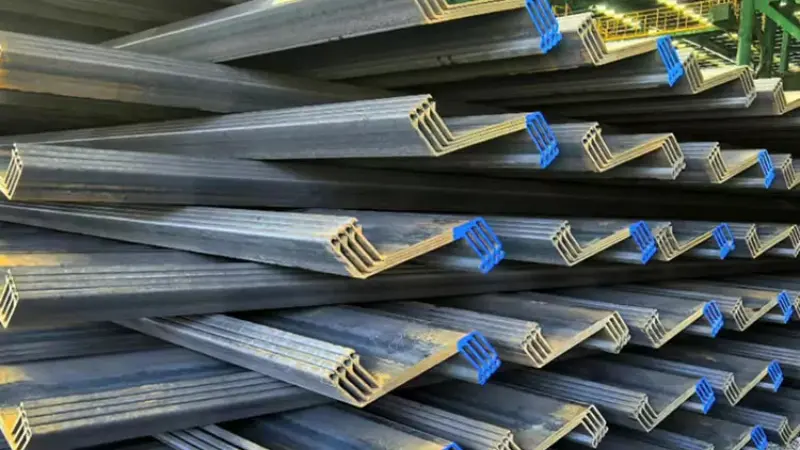
One project that stands out involved riverbank protection in Southeast Asia. The contractor selected hot rolled U type steel sheet piles manufactured from high-strength structural steel.
The piles formed a continuous retaining wall system. The strong interlocks created excellent water control. Installation proceeded quickly using vibratory hammers. The project remained on schedule and achieved long-term bank stabilization.
From my perspective, steel grade selection should never be separated from project conditions. A lower-grade steel may work perfectly for temporary excavation support, while permanent marine structures usually require stronger and more corrosion-resistant alternatives.
What Is the Best Material for Sheet Piling?
Many buyers assume all sheet piles use the same material. This assumption can lead to poor performance and unnecessary maintenance costs.
Steel remains the best material for sheet piling in most applications because it offers high strength, reliable interlocks, excellent load-bearing capacity, and efficient installation. Alternative materials such as vinyl, composite, and concrete sheet piles serve specific niche applications.
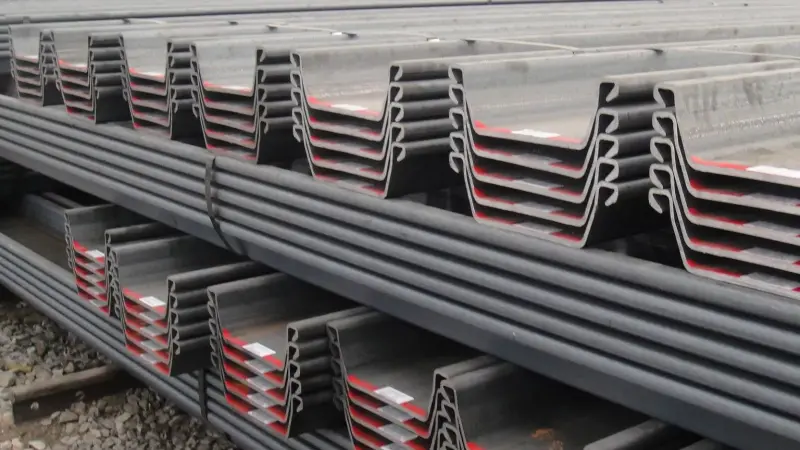
Comparing Sheet Pile Materials
Several materials are available in the market.
| Material | Strength | Durability | Installation Speed | Cost Efficiency |
|---|---|---|---|---|
| Steel | Excellent | Excellent | Excellent | High |
| Vinyl | Low | Good | Good | Moderate |
| Composite | Moderate | Good | Good | Low |
| Concrete | High | Excellent | Slow | Moderate |
Why Steel Dominates the Market
Steel sheet piles remain the preferred solution because they provide:
- High structural capacity
- Strong interlocking systems
- Reusability
- Fast installation
- Wide availability
These advantages explain why steel is commonly used in deep excavation support, bridge foundations, ports, and flood protection systems.
Environmental Considerations
Many people believe steel is less environmentally friendly than alternative materials. In reality, steel is one of the most recycled construction materials in the world.
Information from the World Steel Association shows that steel can be recycled repeatedly without significant loss of quality.
This characteristic supports sustainability goals while reducing resource consumption.
Cost Versus Performance
Vinyl sheet piles may perform well in light-duty waterfront applications. However, they cannot match steel’s structural capacity.
Concrete sheet piles offer durability but require heavier equipment and longer installation times.
Composite piles fill certain niche markets but remain more expensive than steel in many cases.
My View Based on Export Experience
I have supplied steel sheet piles to contractors in Iraq, Saudi Arabia, Jordan, Pakistan, and many other countries. Most customers eventually choose steel because it delivers predictable performance under challenging site conditions.
In my view, steel remains the best overall material because it combines strength, durability, installation efficiency, and long-term value. The exact steel grade may vary, but steel itself remains the industry benchmark.
What Is 250 Grade Low Carbon Steel Used For?
Many buyers encounter Grade 250 steel in specifications but are unsure where it fits within construction projects.
250 grade low carbon steel is commonly used for structural applications that require moderate strength, good weldability, and easy fabrication. It is often used in general construction, light structural members, platforms, and secondary steel components.
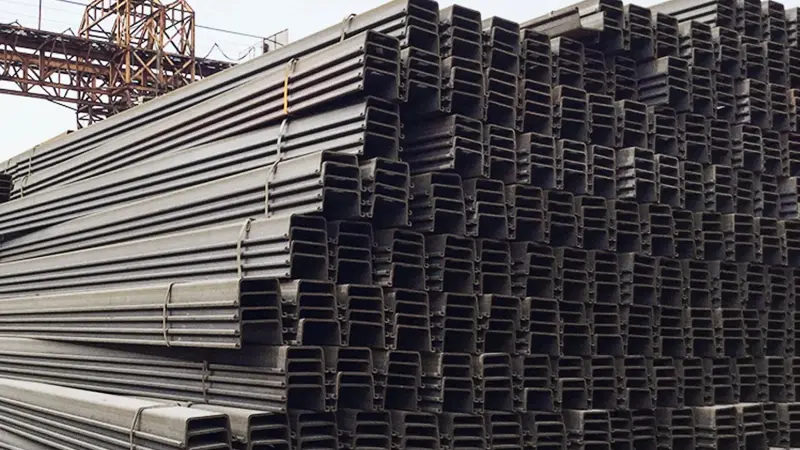
Understanding Grade 250 Steel
Grade 250 steel typically refers to structural steel with a minimum yield strength of approximately 250 MPa.
Its low carbon content offers several advantages:
- Easy welding
- Good formability
- Reliable fabrication
- Affordable cost
Mechanical Properties
| Property | Grade 250 Steel |
|---|---|
| Yield Strength | 250 MPa |
| Tensile Strength | 410-550 MPa |
| Weldability | Excellent |
| Ductility | Good |
Applications in Construction
Grade 250 steel appears in many structural applications.
Examples include:
- Beams
- Columns
- Platforms
- Walkways
- Light retaining structures
However, engineers usually prefer higher grades for demanding sheet pile applications.
Limitations in Sheet Pile Projects
While Grade 250 steel can be used in temporary retaining systems, it may not be suitable for heavily loaded projects.
Higher-strength steels provide:
- Better bending resistance
- Lower section requirements
- Improved structural efficiency
My Practical Observation
I occasionally receive inquiries for Grade 250 sheet piles. Most of these projects involve temporary excavation support.
When projects require permanent retaining walls, deep foundations, or waterfront structures, engineers usually move toward S355 or equivalent grades.
My recommendation is simple. Grade 250 steel works well when loads remain moderate and cost control is critical. For long-term infrastructure, higher-strength grades generally provide better value over the life of the project.
What Is 450 Grade Steel?
Some buyers see 450 grade steel listed in specifications and immediately assume it refers to ordinary structural steel. This assumption often creates confusion.
450 grade steel generally refers to high-strength steel with approximately 450 MPa yield strength. It is commonly used in heavy equipment, mining machinery, wear-resistant components, and demanding structural applications requiring superior strength.
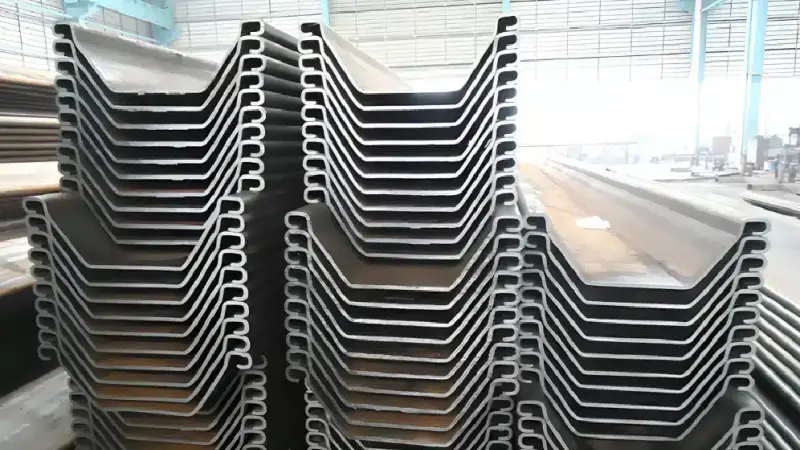
Understanding High-Strength 450 Grade Steel
The exact definition varies by standard and manufacturer.
Generally, 450 grade steel offers:
- High yield strength
- Improved toughness
- Better wear resistance
- Longer service life
Performance Comparison
| Steel Grade | Yield Strength (MPa) |
|---|---|
| Grade 250 | 250 |
| S355 | 355 |
| Grade 450 | 450 |
Benefits of Higher Strength
The primary advantage of Grade 450 steel is its ability to withstand higher loads while reducing material thickness.
Benefits include:
- Reduced structural weight
- Improved efficiency
- Better fatigue resistance
- Longer service life
Applications Beyond Sheet Piles
Grade 450 steel is often found in:
- Mining equipment
- Dump truck bodies
- Excavator buckets
- Wear plates
- Heavy industrial machinery
The manufacturer SSAB provides extensive information about high-strength and wear-resistant steel grades.
Can Grade 450 Steel Be Used for Sheet Piles?
Technically, yes. However, sheet pile manufacturing requires more than high strength.
Engineers must also consider:
- Formability
- Weldability
- Interlock performance
- Availability
Many sheet pile producers therefore use optimized structural grades rather than extremely high-strength wear-resistant steels.
My Opinion
I often see buyers focusing only on yield strength. Strength matters, but it is not the only factor.
For sheet piling, balanced performance usually delivers better results than pursuing the highest possible strength. The best solution often combines adequate strength, reliable interlocks, reasonable fabrication costs, and corrosion resistance.
What Is the Difference Between Hardox 400 and 450?
Many people compare Hardox 400 and Hardox 450 because both are popular wear-resistant steels. The differences are important when selecting materials for demanding environments.
Hardox 450 provides higher hardness and improved wear resistance compared to Hardox 400. Hardox 400 offers slightly better impact toughness and easier fabrication, while Hardox 450 generally delivers longer service life in abrasive conditions.
Overview of Hardox Wear Plate Steels
Hardox steels are engineered wear-resistant products manufactured by SSAB.
They are widely used in:
- Mining
- Quarrying
- Agriculture
- Material handling
Hardness Comparison
| Grade | Nominal Hardness (HBW) |
|---|---|
| Hardox 400 | 400 |
| Hardox 450 | 450 |
The higher hardness of Hardox 450 improves resistance to abrasion and sliding wear.
Wear Resistance Differences
Hardox 450 generally lasts longer in highly abrasive environments.
Examples include:
- Rock handling
- Sand transport
- Mining operations
- Aggregate processing
The additional hardness slows material loss over time.
Fabrication Considerations
Hardox 400 offers certain manufacturing advantages.
It typically provides:
- Easier bending
- Simpler forming
- Better impact performance
Hardox 450 requires slightly more attention during fabrication because of its higher hardness.
Detailed technical information can be found on the official Hardox Wear Plate website.
Relevance to Sheet Piles
This comparison often appears in sheet pile discussions, but Hardox products are not typical sheet pile materials.
Sheet piles require:
- Structural strength
- Interlock precision
- Driving performance
- Weldability
Wear-resistant plate steels solve different engineering problems.
My Professional Take
When customers ask about Hardox 400 and 450 for sheet piling, I explain that hardness alone does not determine suitability.
A successful sheet pile project depends on the entire system. The steel grade must support fabrication, installation, structural performance, and long-term durability.
For most retaining walls, bridge foundations, ports, and excavation support systems, specialized structural sheet pile steels remain the better choice. Hardox products excel in wear applications, but sheet piling typically requires a different balance of properties.
Conclusion
The best sheet pile steel grade depends on project demands, but high-strength structural grades like S355 usually provide the strongest balance of strength, durability, corrosion resistance, and cost.