Many buyers think steel sheet piles are perfect. This is not true. I have seen projects fail because people ignored real limitations.
Steel sheet piling has disadvantages such as corrosion risk, noise during installation, higher initial cost, limits in hard ground, and possible leakage issues if not properly designed and installed.
I have worked with many contractors and distributors. I have seen both success and failure cases. I want to explain these disadvantages clearly, so you can avoid common mistakes and make better decisions.
Why Can Steel Sheet Piles Be Prone to Corrosion in Certain Environments?
Many clients worry about corrosion, especially in marine or chemical environments. This concern is real and should not be ignored.
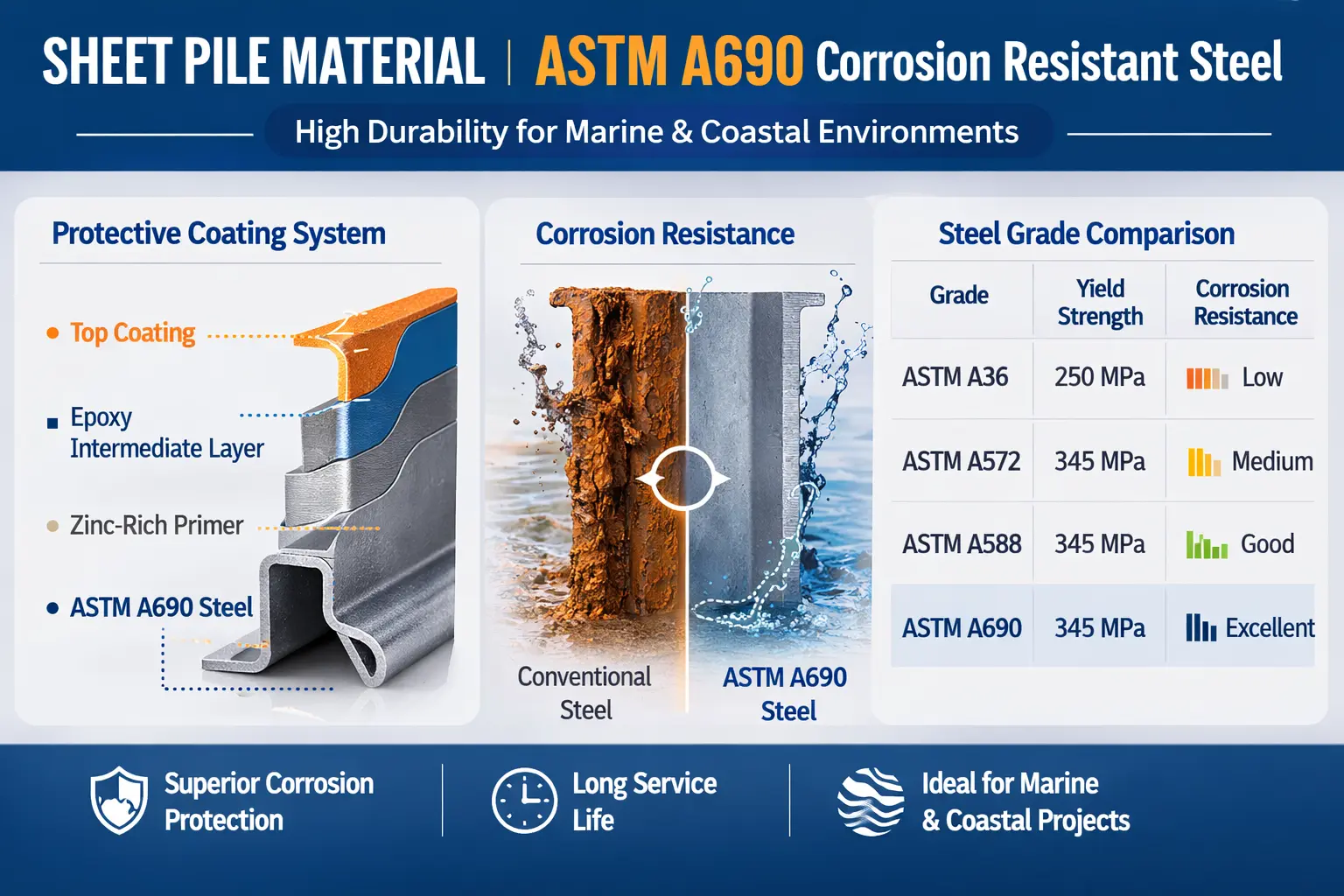
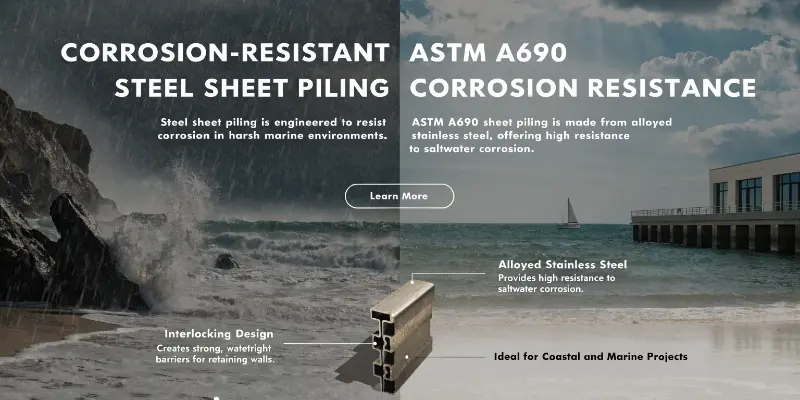
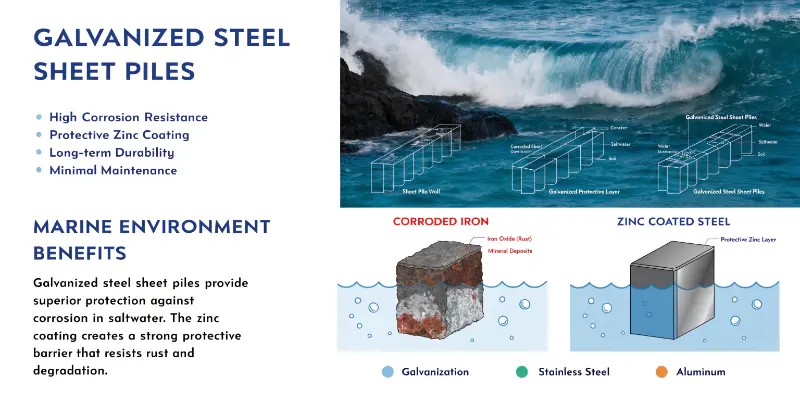
Steel sheet piles can corrode when exposed to seawater, oxygen, and aggressive soil conditions, which reduces service life if no protection is applied. Proper corrosion protection solutions are essential.
What Causes Corrosion?
Exposure to Seawater
Saltwater accelerates corrosion in marine engineering applications.
Soil Chemistry
Acidic or contaminated soil damages steel.
Oxygen and Moisture
These elements drive oxidation.
| Factor | Impact Level | Description |
|---|---|---|
| Seawater | High | Fast corrosion |
| Acidic soil | High | Material loss |
| Moisture | Medium | Surface rust |
How to Control Corrosion
I always recommend protection methods based on environment:
Coating Systems
Epoxy and bitumen coatings protect the surface.
Galvanization
Hot dip galvanizing provides a zinc layer.
Cathodic Protection
Used in marine projects for long-term protection.
| Method | Cost | Effectiveness |
|---|---|---|
| Coating | Medium | Good |
| Galvanizing | High | Very good |
| Cathodic | High | Excellent |
My Insight
I have seen projects fail because corrosion was ignored. I also have seen projects last over 20 years with proper protection. I always tell clients that corrosion is not a problem if you plan for it early and choose the right steel sheet piles supplier.
What Noise and Vibration Issues Are Caused by Sheet Pile Installation?
Installation is not always smooth. Noise and vibration can create serious problems, especially in cities.
During sheet piling installation, noise and vibration can affect nearby structures and residents.
Sources of Noise and Vibration
Impact Hammer
Creates strong noise and shock.
Vibratory Hammer
Produces continuous vibration.
Soil Resistance
Hard soil increases vibration level.
| Method | Noise Level | Vibration |
|---|---|---|
| Impact | High | High |
| Vibratory | Medium | Medium |
| Press-In | Low | Low |
Risks Involved
- Damage to nearby buildings
- Complaints from residents
- Project restrictions
Solutions
Use Press-In Method
This reduces vibration.
Monitor Site Conditions
Sensors help control impact.
Choose Proper Equipment
Match machine with soil type.
My Experience
In urban projects, I always suggest low-noise methods. I have seen projects stopped because of complaints. This is a real risk that many buyers do not consider early when planning excavation support systems.
Why Are Initial Costs of Steel Sheet Piling Sometimes Higher?
Some clients hesitate because of price. They compare only material cost. This creates confusion.
Steel sheet piling may have higher initial cost due to material quality, manufacturing process, and transportation.
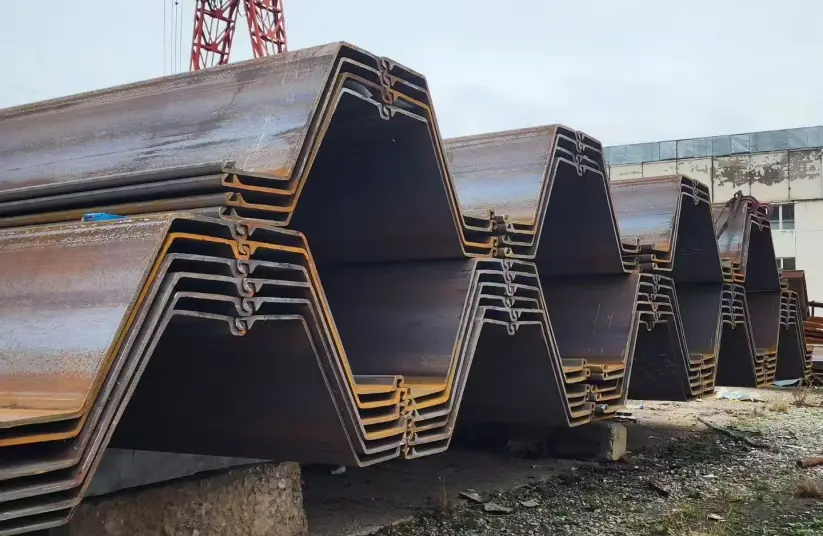
Cost Breakdown
Material Cost
High-grade steel such as U type steel sheet piles increases price.
Manufacturing
Hot rolled piles cost more than cold formed.
Logistics
Heavy weight increases shipping cost.
| Cost Element | Impact |
|---|---|
| Steel grade | High |
| Production | Medium |
| Transport | Medium |
Hidden Cost Comparison
| Aspect | Steel Sheet Piles | Alternative |
|---|---|---|
| Installation speed | Fast | Slow |
| Labor cost | Low | High |
| Reuse | Yes | No |
My Insight
I always explain total project cost, not just purchase price. Many clients understand later that steel sheet piles for sale can be reused and save money in future projects.
What Limitations Do Steel Sheet Piles Have in Hard Soil or Rock Conditions?
Not all ground conditions are suitable. Hard soil and rock create challenges.
Steel sheet piles have limitations in very dense soil or rock, where driving becomes difficult or impossible.
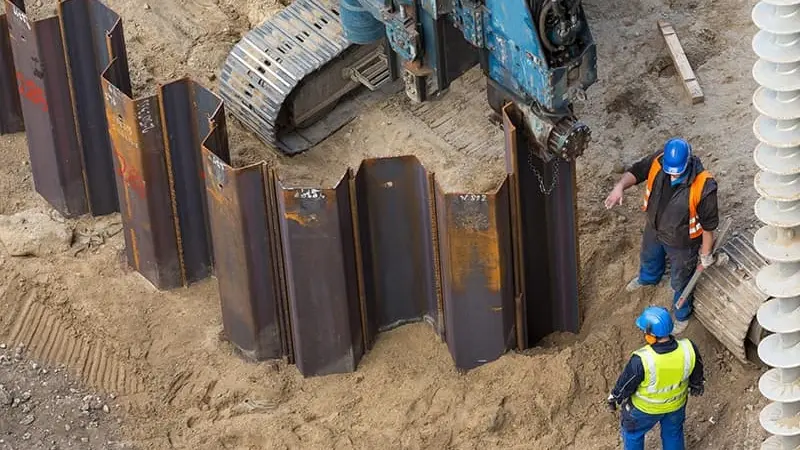
Challenges in Hard Ground
High Resistance
Soil resists penetration.
Equipment Limitation
Standard machines may not work.
Risk of Damage
Pile deformation may occur.
| Condition | Difficulty Level |
|---|---|
| Soft soil | Low |
| Dense sand | Medium |
| Rock | Very high |
Solutions
Pre-Drilling
Reduces resistance.
Use Stronger Equipment
Heavy-duty machines help.
Alternative Systems
Use bored piles or concrete systems.
My Experience
I worked on a project where piles could not enter the ground. The contractor had to stop work. After switching to pre-drilling, the problem was solved. This is why I always suggest checking soil conditions before choosing sheet pile design methods.
Can Steel Sheet Piles Have Leakage or Sealing Problems?
Many people assume sheet piles are fully waterproof. This is not always true.
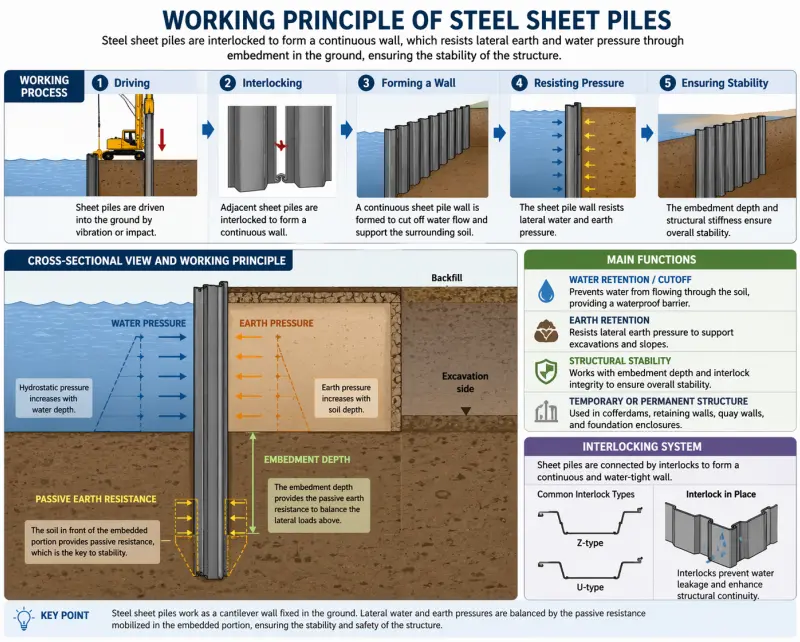
Steel sheet piles can have leakage issues at interlocks if not properly installed or sealed.
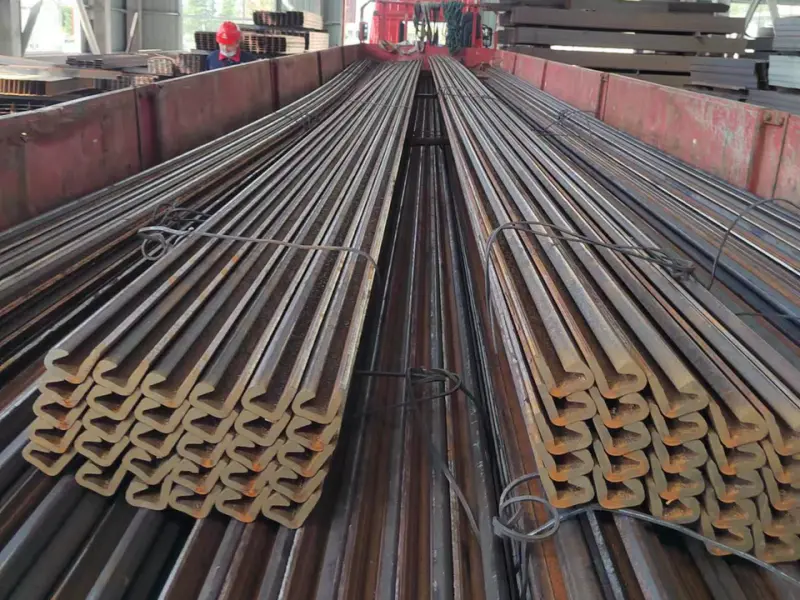
Causes of Leakage
Poor Interlock Connection
Gaps allow water flow.
Installation Error
Misalignment creates openings.
Wear and Damage
Old piles may not seal well.
| Cause | Impact |
|---|---|
| Misalignment | High |
| Damage | Medium |
| Poor sealing | High |
Solutions
Sealants
Use bitumen or special sealants.
Proper Alignment
Ensure correct installation.
Quality Control
Check interlock condition before use.
My Insight
I have seen leakage problems in early projects. After improving installation control and using sealants, the issue was solved. I always remind clients that sealing depends on both product quality and proper **sheet pile installation methods.
Conclusion
Steel sheet piles have limitations, but proper planning, design, and supplier choice can turn these risks into controllable factors.