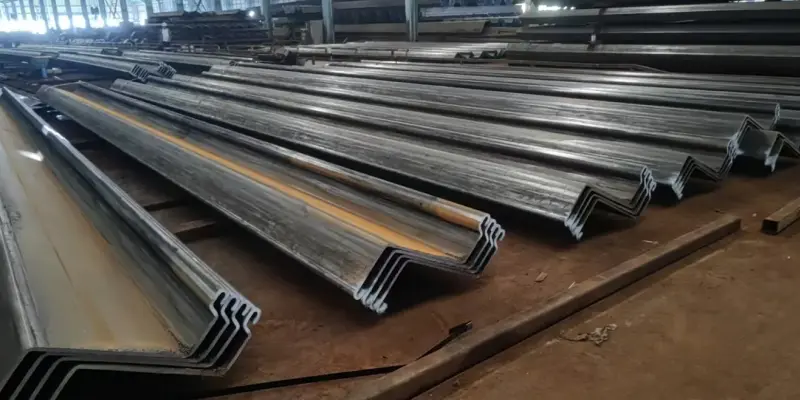
Many buyers feel confused. They do not know if sheet piles are temporary or permanent. This can lead to wrong design decisions.
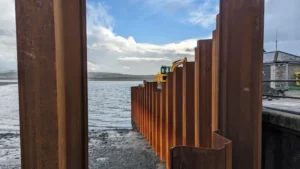
Steel sheet piles can be both permanent and temporary. Their function depends on design, material protection, and project requirements. Proper selection and installation decide their service life and performance.
Sheet piles are suitable for both temporary and permanent support
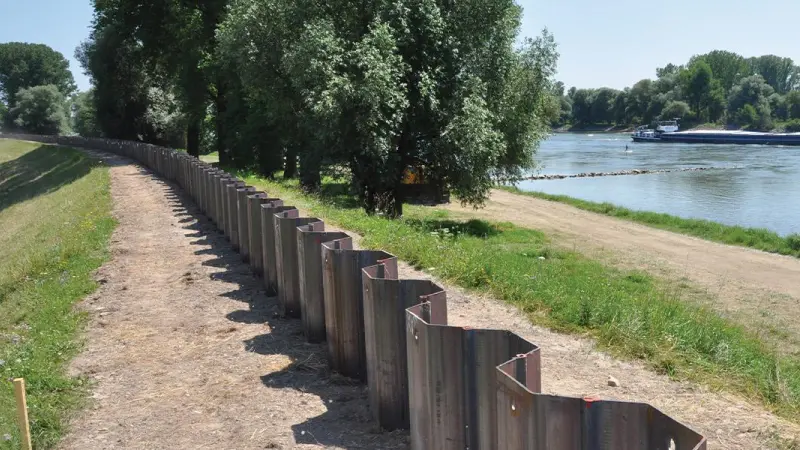
I often get this question from clients. Some want a short-term excavation solution. Some want a long-term marine structure. I always explain that steel sheet piles are flexible. They can serve both purposes if planned correctly.
Can sheet piles be permanent?
Many engineers think sheet piles are only temporary. This is not always true.
Steel sheet piles can be permanent when properly designed, protected, and installed.
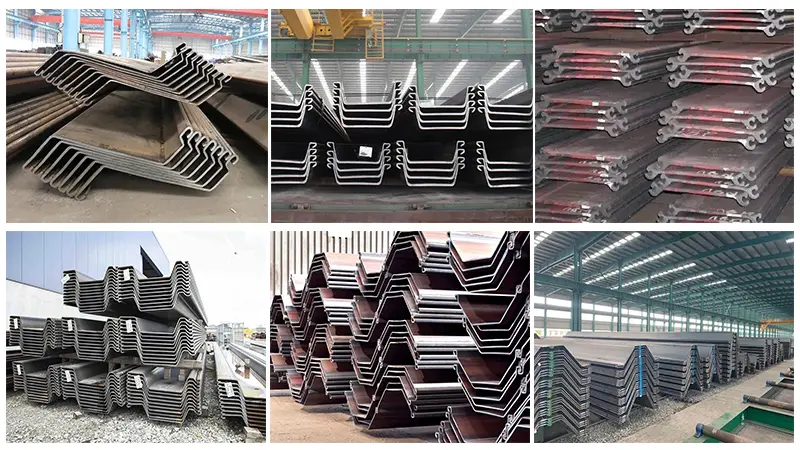
What Makes Sheet Piles Permanent?
Material Quality
High-grade steel like S355 improves durability.
Corrosion Protection
Coatings, galvanizing, or cathodic systems extend life up to 100+ years.
Proper Design
Correct embedment depth and structural calculation ensure stability.
| Factor | Importance | Impact |
|---|---|---|
| Steel grade | High | Strength and durability [web:12] |
| Coating | High | Corrosion resistance [web:16] |
| Design | High | Structural safety [web:18] |
Typical Permanent Applications
- Marine structures – quay walls and port facilities
- Port retaining walls
- Flood protection systems – design life 50-120 years
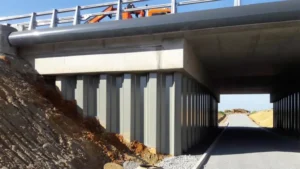
- Bridge foundations
My Insight
I worked on a riverbank project in Southeast Asia. The client first planned a temporary system. Later they upgraded to a permanent solution. After adding coating and increasing thickness, the structure became long-term. I always say the difference is not the product. It is the design thinking.
How long does steel sheet piling last?
Many clients want a clear lifespan. But the answer depends on conditions.
Steel sheet piles can last 40–75 years, and with protective measures can exceed 100 years.
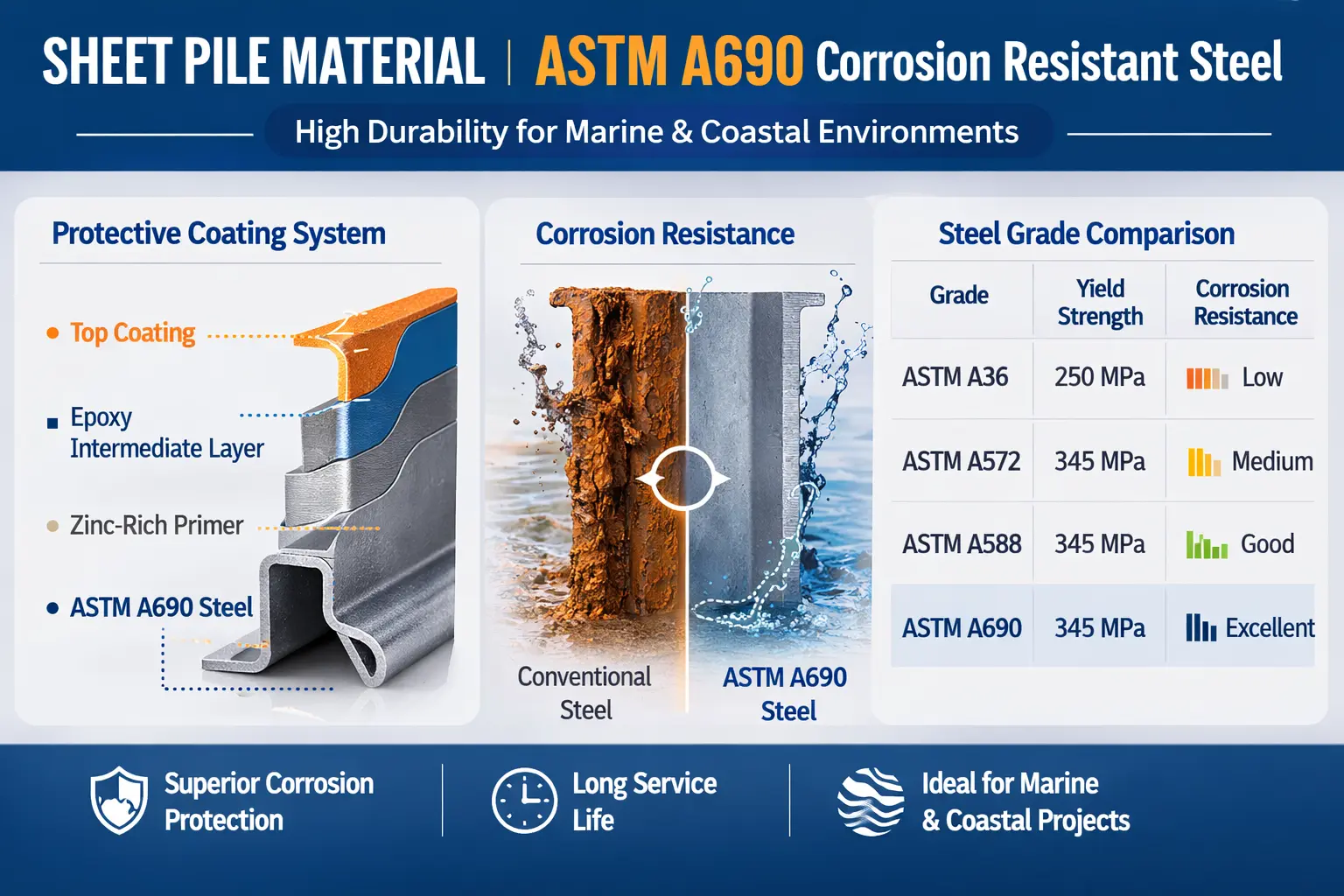
Factors Affecting Lifespan
Environment
Marine environments reduce lifespan to 20-30 years without protection.
Protection Method
Coating and cathodic systems increase durability significantly.
Maintenance
Inspection and repair extend service life.
| Condition | Estimated Lifespan |
|---|---|
| Dry soil | 40–50 years [web:16] |
| Freshwater | 30–40 years [web:5] |
| Marine | 15–30 years [web:5] |
Engineering Measures
Increase Thickness
Extra steel allows corrosion allowance for permanent works.
Apply Coatings
Reduces direct exposure – can extend life to 100+ years.
Regular Inspection
Detects early damage – anodes need replacement every 5-20 years.
My Insight
I always tell clients not to ask only "how long." I suggest asking "under what condition." I have seen the same pile last 20 years in seawater and over 40 years inland. Environment changes everything.
Is sheet piling temporary?
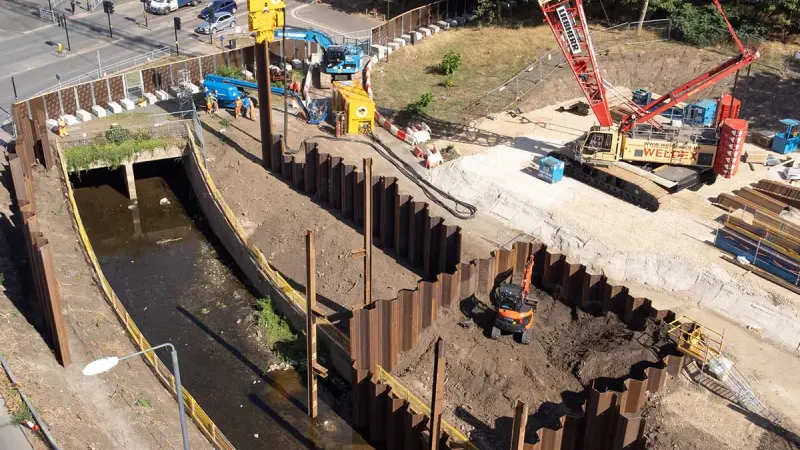
Many contractors use sheet piles for temporary works. This is very common.
Temporary Use Cases
Excavation Support
Used during basement or foundation work – typically weeks to months.
Cofferdams
Used to block water during construction – short term applications.
Shoring Systems
Supports soil temporarily during construction.
| Application | Duration |
|---|---|
| Excavation | Weeks to months [web:14] |
| Cofferdam | Short term [web:14] |
| Shoring | Project duration [web:11] |
Advantages of Temporary Use
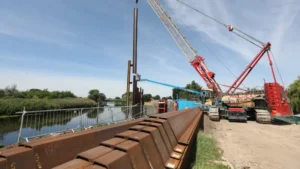
- Fast installation – vibratory hammers or press-in rigs
- Easy removal – designed for extraction
- Reusable materials – reduces cost and environmental impact
My Insight
Many of my clients buy sheet piles for temporary use. After project completion, they reuse them. This reduces cost significantly. I see this as one of the biggest advantages of steel sheet piles.
What are the disadvantages of using sheet piles?
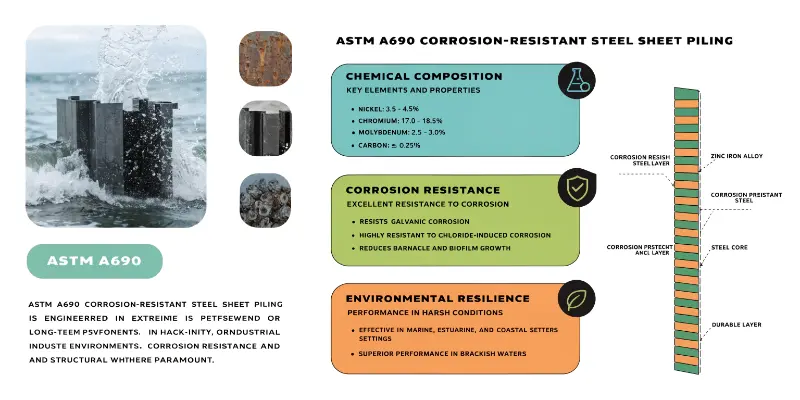
No material is perfect. Steel sheet piles also have limitations.
Key Disadvantages
Corrosion Risk
Steel reacts with water and chemicals – marine zones have highest corrosion.
Noise and Vibration
Installation may disturb surroundings – impact hammers produce high noise.
Cost
Initial investment can be high – but lifecycle cost may be lower.
Ground Limitations
Hard soil reduces efficiency – may require pre-drilling.
| Issue | Impact Level |
|---|---|
| Corrosion | High [web:5] |
| Noise | Medium [web:14] |
| Cost | Medium [web:14] |
| Soil condition | High [web:13] |
Solutions
Use Protection Systems
Coatings and galvanizing reduce corrosion – extend life 50+ years.
Choose Proper Method
Press-in reduces vibration and noise significantly.
Plan Budget
Consider lifecycle cost – permanent piles designed for 50-120 years.
My Insight
I always explain disadvantages clearly to clients. This builds trust. I also explain solutions. I believe problems are not risks if you understand them early.
Which is better PVC or steel sheet piles?
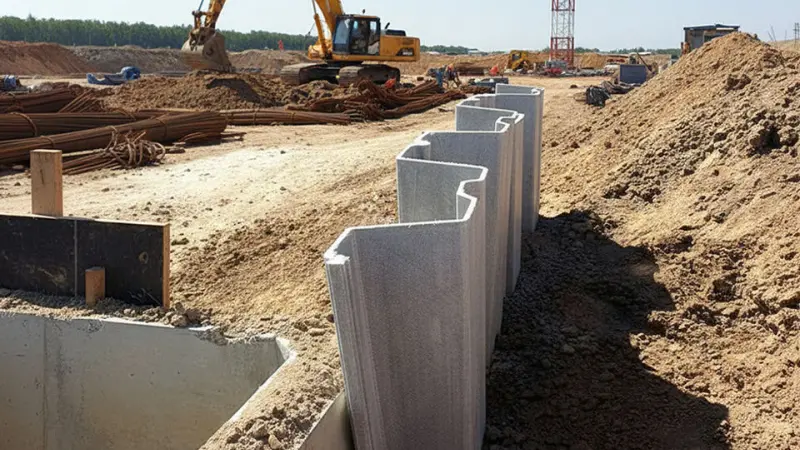
Some clients compare PVC and vinyl sheet piles. Each has its own use.
Comparison
| Feature | Steel | PVC |
|---|---|---|
| Strength | High [web:28] | Low [web:26] |
| Durability | High [web:16] | Medium [web:26] |
| Cost | Higher [web:27] | Lower [web:27] |
| Corrosion resistance | Needs protection [web:26] | Naturally resistant [web:25] |
Application Difference
Steel Sheet Piles
Used in ports, bridges, deep excavation – heavy civil engineering.
PVC Sheet Piles
Used in light-duty retaining walls, landscaping, riverbanks.
My Insight
I always recommend steel for structural projects. I only suggest PVC when load is low and budget is tight. Steel has yield strength 248-345 MPa while vinyl is far lower. Wrong selection can lead to failure.
How deep do sheet piles need to go?
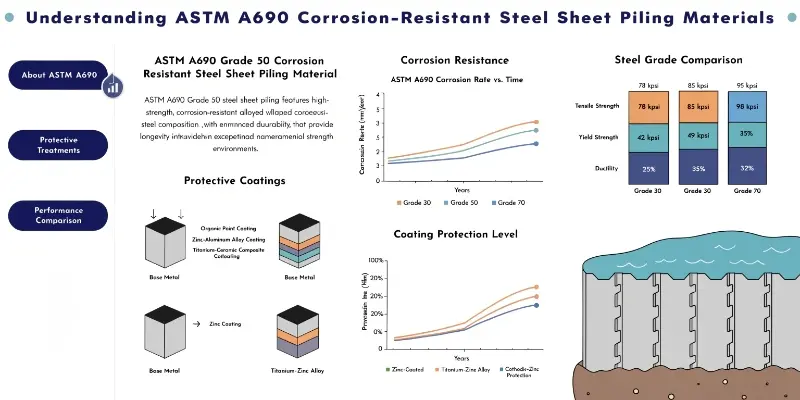
Depth is a key design factor. Many clients underestimate this.
Factors Affecting Depth
Soil Type
Soft soil requires deeper embedment for stability.
Water Pressure
Higher water level increases depth requirement.
Load Condition
Heavy loads require deeper penetration.
| Factor | Effect |
|---|---|
| Soft soil | Increase depth [web:19] |
| Water pressure | Increase depth [web:18] |
| Load | Increase depth [web:12] |
Typical Depth Rule
- Embedment depth is often 1.5 to 2 times exposed height for stable walls
- Detailed design requires engineering calculation per EN1993-5
My Insight
I have seen projects fail due to shallow installation. I always suggest proper design calculation before installation. Depth is not a guess. It is a technical decision.
Conclusion
Steel sheet piles can be temporary or permanent. The key is design, environment, and correct engineering decisions.