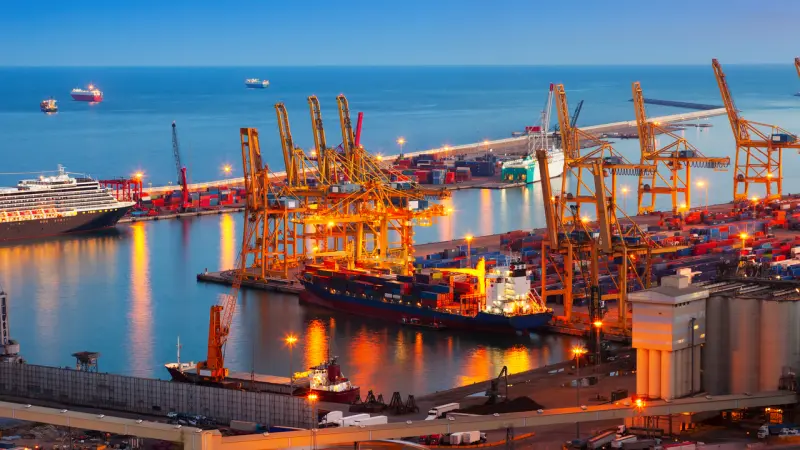
Port projects often fail when sheet piles are selected without proper engineering review. This leads to corrosion, instability, and high maintenance costs.
Sheet piles for port projects must be selected based on water depth, soil conditions, corrosion exposure, and structural load requirements. Marine environments usually require high-strength, corrosion-resistant steel grades such as S355 or ASTM A690 with suitable interlock performance.
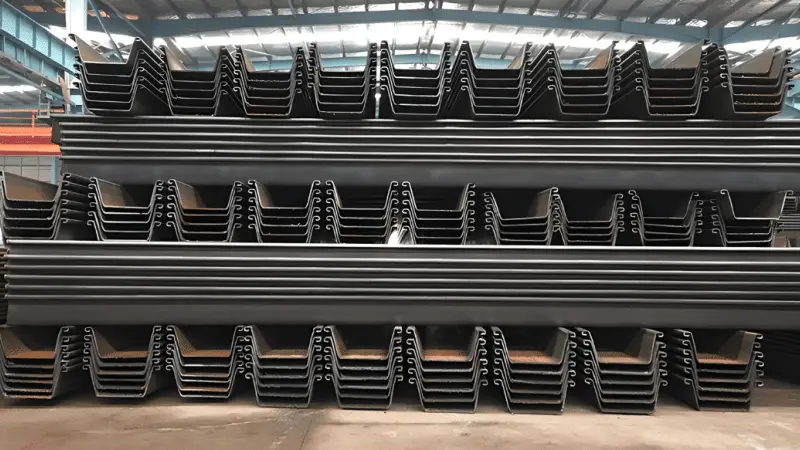
I often see buyers focus only on price or steel grade without studying real marine conditions. In port engineering, this approach creates long-term risks. A port structure must survive waves, saltwater, tidal changes, and heavy loading. So sheet pile selection is not a simple material decision. It is a full engineering decision that affects safety and service life.
How to Choose the Right Sheet Piles for Port Construction Projects?
Many port projects start with incomplete material selection. This creates design changes later and increases project cost.
The right sheet piles for port construction projects are selected by analyzing structural loads, corrosion conditions, soil type, water depth, and installation method. Engineers usually prefer high-strength steel such as S355 or ASTM A690 combined with U-type or Z-type sheet pile profiles for marine durability.
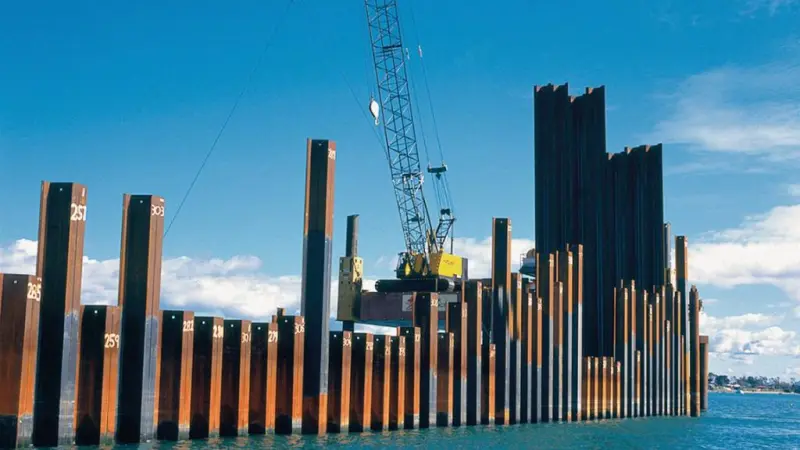
Understanding Port Load Conditions
Port structures face constant dynamic forces. These forces include:
- Wave pressure
- Soil lateral pressure
- Vessel impact loads
- Tidal movement
Each force affects sheet pile design. I always ask engineers about water level changes and wave intensity before recommending a steel grade.
Steel Grade Selection for Ports
Most port projects use:
| Steel Grade | Application |
|---|---|
| S355 | General port structures |
| ASTM A690 | Marine corrosion environments |
| Q355 | Coastal infrastructure |
| S460 | Heavy-duty marine projects |
ASTM A690 is often used in aggressive saltwater conditions because it improves corrosion resistance performance compared to standard structural steels.
You can read more about marine structural steel concepts from the World Steel Association.
Sheet Pile Profile Selection
Profile shape also matters.
- U-type sheet piles → easier installation
- Z-type sheet piles → higher bending resistance
- Straight web piles → special deep wall systems
Z-type is widely used in port quay walls because it reduces material usage while improving structural efficiency.
My Experience in Port Projects
I worked with a contractor in the Middle East on a harbor expansion project. The initial design used standard structural steel. Later the consulting engineer changed the requirement to corrosion-resistant sheet piles.
We switched to S355 with marine coating systems. This improved service life and reduced maintenance planning.
My view is simple. Port projects should always prioritize lifecycle performance, not just initial cost.
What Type of Sheet Piles Are Best for Marine and Port Structures?
Many buyers think all sheet piles perform the same in water environments. This is not correct.
The best sheet piles for marine and port structures are hot rolled steel sheet piles made from corrosion-resistant grades such as S355 or ASTM A690. Z-type and U-type profiles are most commonly used due to their strength, interlock reliability, and installation efficiency.
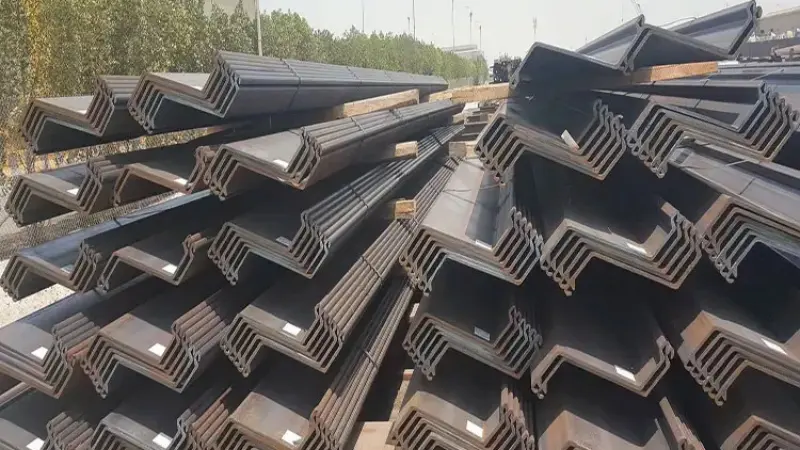
Why Steel Sheet Piles Dominate Marine Projects
Steel sheet piles are widely used in ports because they provide:
- High structural strength
- Strong interlocking system
- Fast installation
- Deep penetration capability
These advantages are important for marine environments where soil is weak and water pressure is high.
Corrosion Resistance in Marine Environment
Saltwater is the biggest challenge.
Corrosion depends on:
- Chloride exposure
- Oxygen level
- Tidal movement
To improve durability, engineers use:
- Epoxy coatings
- Bituminous coatings
- Cathodic protection systems
Technical guidance on corrosion protection can be found at the American Galvanizers Association.
Comparison of Marine Sheet Pile Types
| Type | Strength | Marine Suitability |
|---|---|---|
| U-type | Medium | Good |
| Z-type | High | Excellent |
| Flat sheet pile | Low | Limited |
| Composite pile | Medium | Specialized use |
Z-type sheet piles often perform better in long quay walls because they reduce steel weight per meter while improving section modulus.
Installation Method in Ports
Most marine sheet piles are installed using:
- Vibratory hammers
- Hydraulic impact hammers
- Cranes with guiding frames
Installation speed is important in port projects because downtime affects shipping operations.
My Field Observation
In a Southeast Asia river-to-sea transition project, hot rolled U-type sheet piles were used for riverbank protection and port expansion.
The interlock system created a continuous wall. The contractor used vibratory equipment. The installation was fast and stable.
My opinion is that marine sheet pile selection must always combine steel grade, profile design, and corrosion protection system together. One factor alone is not enough.
Sheet Pile Selection Guide for Port and Harbor Engineering
Many engineers face confusion when selecting sheet piles for large harbor systems. The design requirements are often complex and multi-layered.
Sheet pile selection for port and harbor engineering must consider structural load capacity, soil conditions, water depth, corrosion environment, installation equipment, and long-term maintenance strategy. A full system approach is required instead of focusing on steel grade alone.
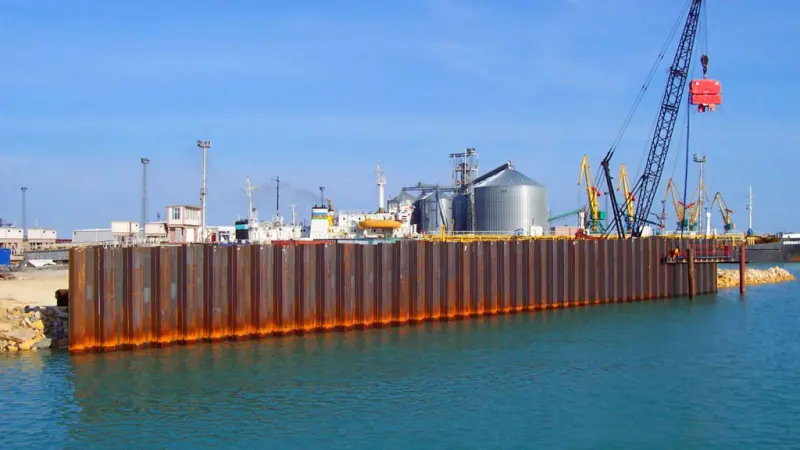
Step 1: Analyze Soil and Water Conditions
Soil type determines pile penetration behavior.
Common conditions include:
- Soft clay
- Sandy soil
- Mixed seabed layers
Soft soil requires deeper penetration and stronger interlock stability.
Step 2: Determine Structural Load Requirements
Loads in harbor systems include:
- Docking forces
- Container handling loads
- Wave impact pressure
- Retaining earth pressure
Engineers calculate bending moments and lateral forces before choosing pile sections.
Step 3: Choose Steel Grade
Typical choices:
| Condition | Recommended Steel |
|---|---|
| Normal coastal | S355 |
| High corrosion zone | ASTM A690 |
| Heavy industrial port | S460 |
Steel grade must match design life expectations.
Step 4: Select Sheet Pile Type
Common types:
- U-type → flexible and easy to install
- Z-type → high strength and efficient
- Straight web → special deep walls
Z-type is widely used in modern ports due to better structural efficiency.
Step 5: Consider Corrosion Protection
Corrosion control is critical in harbor environments.
Methods include:
- Protective coating systems
- Cathodic protection
- Sacrificial thickness design
Reference data can be found at the ISO corrosion protection standards.
Step 6: Installation Equipment Planning
Selection must match available equipment:
- Vibratory hammers for fast installation
- Impact hammers for dense soil
- Hydraulic rigs for controlled environments
Improper equipment selection often causes delays and deformation.
My Engineering Insight
In my experience, the biggest mistake in harbor projects is treating sheet pile selection as only a material choice.
A real project must combine:
- Structural engineering
- Marine environment analysis
- Construction method planning
When all three are aligned, the project becomes stable and cost-efficient.
I always recommend early communication between supplier, engineer, and contractor. This reduces redesign and avoids delays during installation.
Conclusion
Sheet pile selection for port projects depends on environment, load, and corrosion control, with S355 and ASTM A690 being the most reliable choices for marine structures.