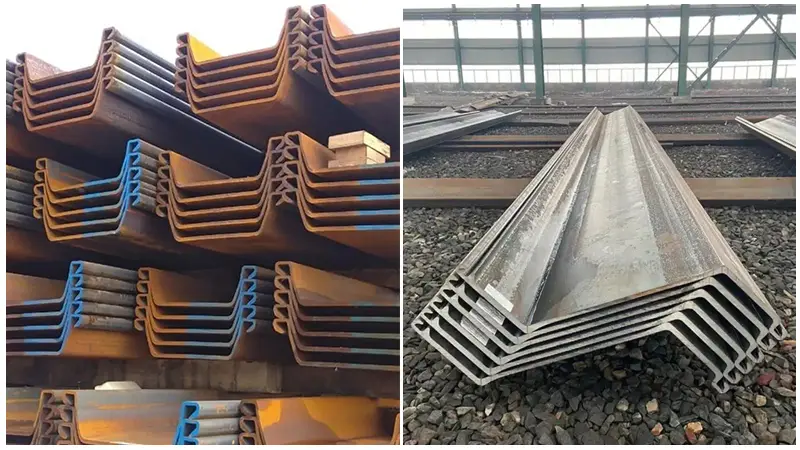
Choosing the wrong sheet pile profile can increase project costs and reduce structural efficiency. Many contractors struggle to compare U type and Z type systems correctly.
U type sheet piles offer balanced performance and easier installation, while Z type sheet piles provide higher bending resistance and better efficiency for large marine and deep excavation projects.
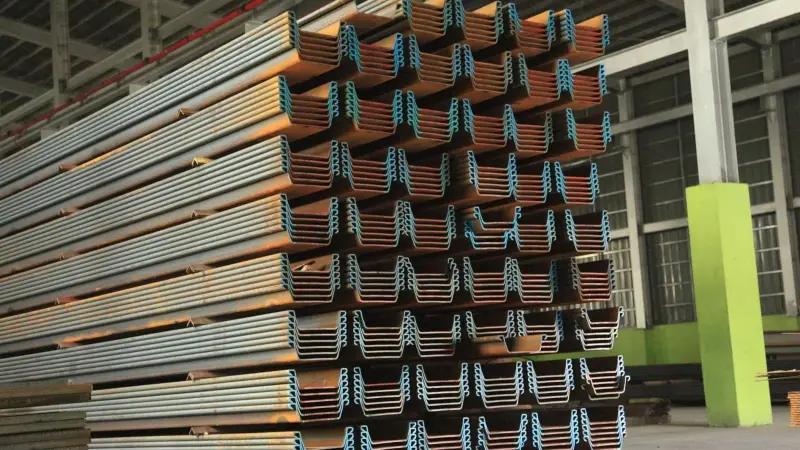
I often discuss this topic with contractors and distributors from the Middle East and Southeast Asia. Both profiles are excellent, but the right choice depends on project conditions, wall depth, and budget planning.
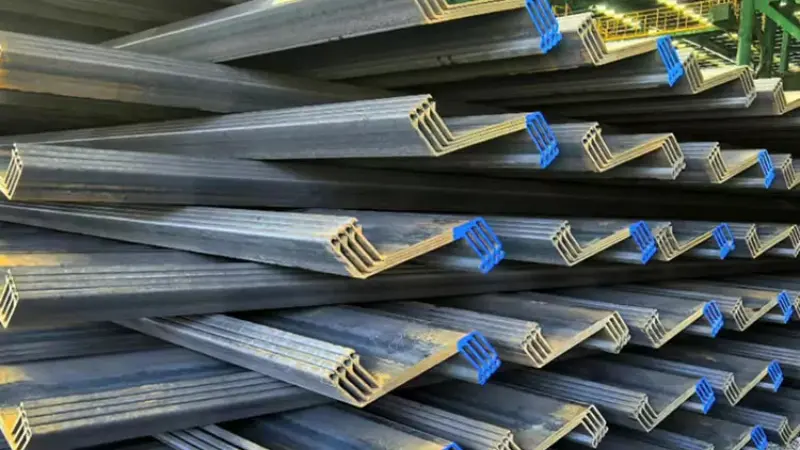
What Are the Cost Differences Between U Type and Z Type Sheet Piles?
Many buyers only compare unit prices and ignore long-term structural efficiency. This can create unexpected costs later.
U type sheet piles often have lower initial purchasing costs, while Z type sheet piles can reduce overall steel consumption because of their higher structural efficiency.
I once worked with a contractor in the UAE who initially selected U type piles because the material price looked cheaper. After engineering calculations, the project switched to Z type piles because fewer sections were required for the same wall performance.
Initial Material Cost
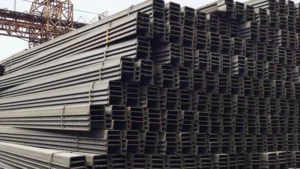
U type sheet piles are widely available in global markets. Production volumes are large, especially in Asia and the Middle East. This often lowers the initial material cost.
Z type sheet piles usually require more advanced rolling technology and tighter tolerances. Their unit price may appear higher at first. Still, their structural efficiency can offset this difference.
Steel Consumption Efficiency
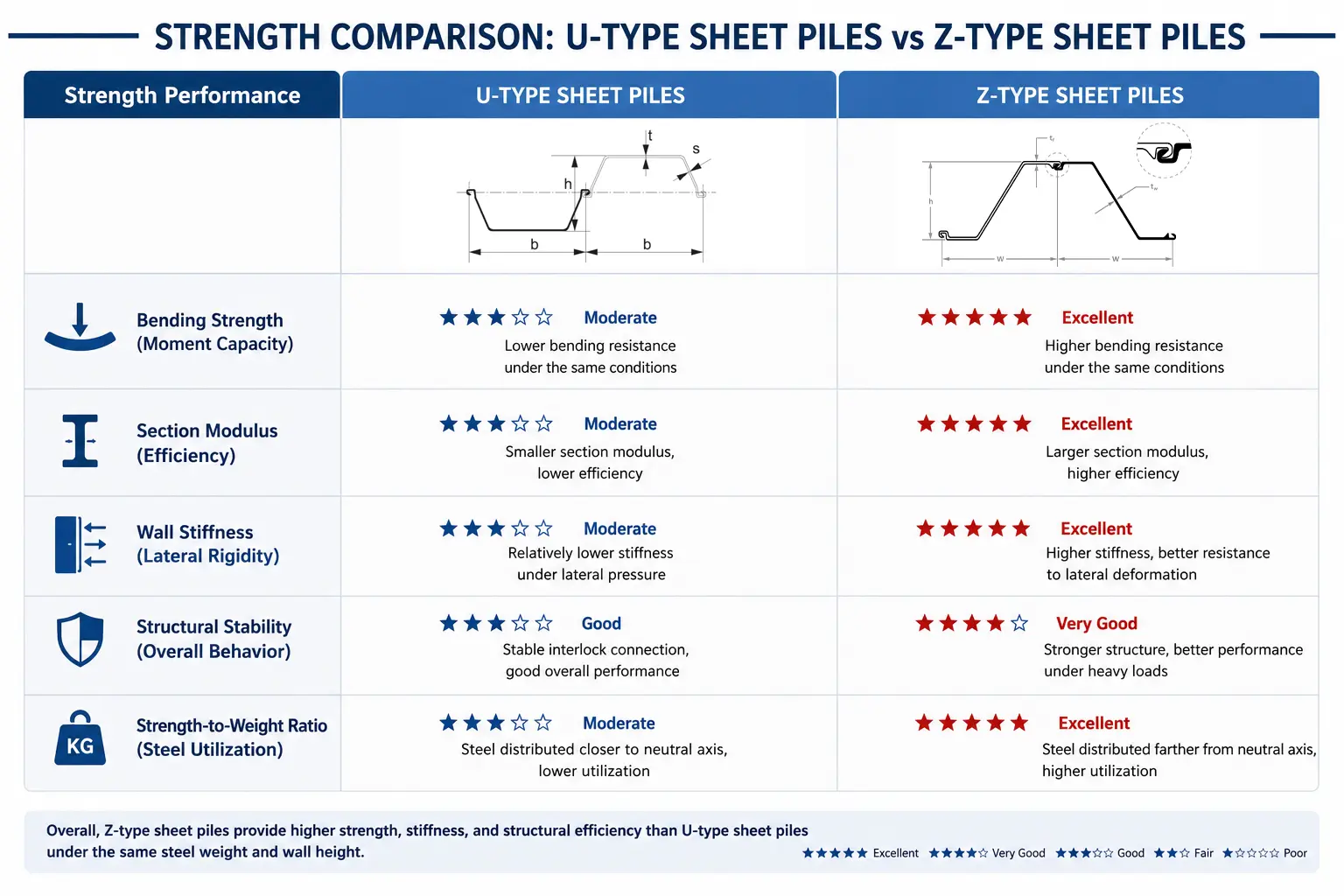
Z type profiles distribute steel farther from the neutral axis. This increases the section modulus and reduces the total amount of steel needed for some projects.
Cost Comparison Table
| Cost Factor | U Type Sheet Piles | Z Type Sheet Piles |
|---|---|---|
| Initial Purchase Price | Lower | Higher |
| Structural Efficiency | Moderate | High |
| Steel Consumption | Higher | Lower |
| Transportation Weight | Heavier overall | More optimized |
| Long Wall Economy | Moderate | Better |
Transportation and Installation Costs
Transportation also affects the total budget. Large projects may require hundreds of tons of material. Efficient profile design can reduce shipping weight significantly.
Installation cost depends on equipment, wall alignment, and project conditions. U type piles are often easier for crews with limited installation experience. Z type piles may require more careful alignment but improve wall efficiency in large projects.
I believe buyers should compare total project value instead of only checking the material price per ton. A lower unit price does not always create the lowest final project cost.
For many large marine projects, Z type sheet piles provide better economic performance over long retaining walls. For temporary works or medium-sized flood protection systems, U type piles often remain the more practical solution.
For engineering calculations and profile standards, I sometimes refer clients to the Steel Sheet Piling Design Manual for technical guidance.
Which Sheet Pile Type Is Easier to Install on Construction Sites?
Installation problems can delay projects and increase labor costs. Profile geometry changes the entire installation process.
U type sheet piles are generally easier to align and install because of their symmetrical structure, while Z type piles require more precise positioning during driving operations.
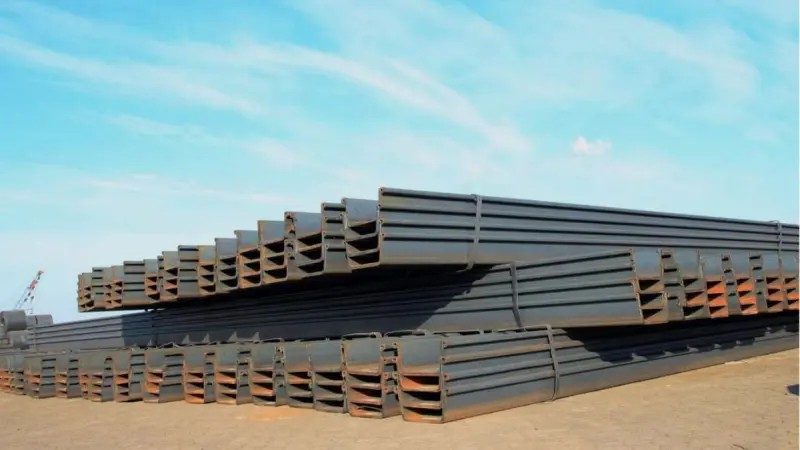
I have supervised both U pile and Z pile installations. Crew experience and soil conditions often determine how smoothly the work progresses.
U Type Installation Advantages
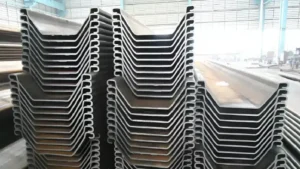
U type piles have symmetrical interlocks positioned along the center axis. This structure helps workers align the piles more easily during driving operations.
Contractors often prefer U type piles for:
- Temporary retaining walls
- Flood control systems
- Riverbank protection
- Medium-depth excavations
The interlocking process is more forgiving, especially in soft soil conditions. This reduces alignment errors during installation.
Z Type Installation Characteristics
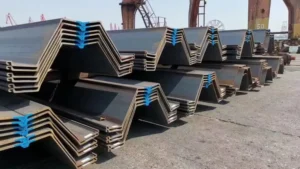
Z type sheet piles provide high structural efficiency, but installation requires greater precision. Their interlocks sit on the outer edges, which changes wall geometry during driving.
Contractors usually need:
- More accurate alignment control
- Skilled crane operators
- Better driving equipment monitoring
Installation Comparison Table
| Installation Factor | U Type | Z Type |
|---|---|---|
| Alignment Simplicity | Easier | More Complex |
| Driving Stability | High | High |
| Crew Training Requirement | Moderate | Higher |
| Installation Speed | Fast | Moderate |
| Suitability for Difficult Soil | Good | Excellent |
Soil Conditions and Equipment
Soil conditions strongly influence installation performance. Dense clay, gravel, or rocky ground may require vibratory hammers or impact hammers regardless of profile type.
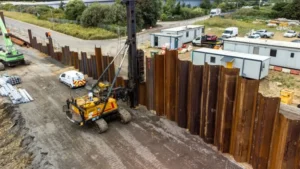
In one Southeast Asian riverbank project, we used hot rolled U type sheet piles because installation speed was critical. The contractor completed the retaining wall efficiently using vibratory piling equipment. The symmetrical design helped maintain wall alignment during long driving sequences.
For large marine structures, I often see Z type piles used with advanced monitoring systems because wall straightness becomes more important over long distances.
I think installation planning is often underestimated during early project discussions. The best structural profile still needs experienced crews and proper equipment to perform correctly onsite.
For installation methods and technical practices, I sometimes review information from the Deep Foundations Institute because it provides useful engineering references for piling systems.
How Do U Type and Z Type Sheet Piles Perform in Marine Environments?
Marine environments create constant pressure from saltwater, waves, and soil movement. Material performance becomes critical.
Both U type and Z type sheet piles perform well in marine environments, but Z type profiles are often preferred for large port structures because of their higher bending strength and structural efficiency.
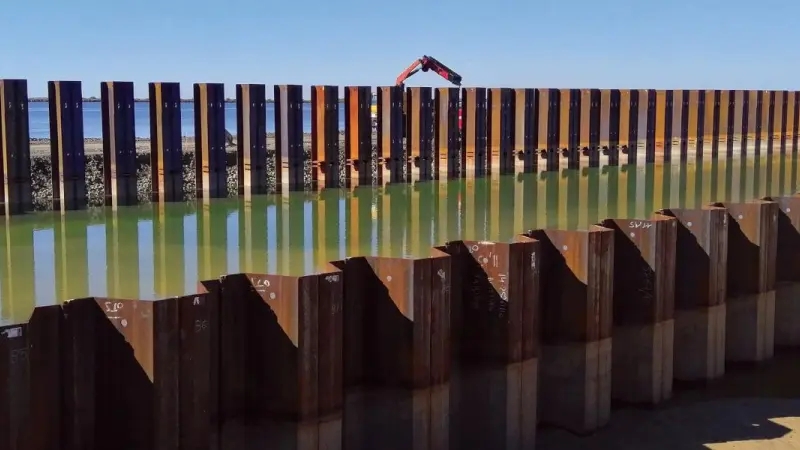
I have supplied sheet piles for contractors handling seawalls, quay walls, and coastal flood barriers. Marine conditions always require careful profile selection.
Challenges in Marine Construction
Marine structures face several problems:
- Saltwater corrosion
- Tidal movement
- Wave impact
- Heavy lateral soil pressure
- Vessel collision risk
Sheet pile walls must resist these conditions for decades. Engineers normally focus on strength, corrosion protection, and long-term maintenance.
U Type Marine Performance
U type sheet piles create stable retaining walls with strong interlocking performance. Their symmetrical structure performs very well in flood barriers and riverbank stabilization systems.
Advantages include:
| Marine Factor | U Type Performance |
|---|---|
| Water Tightness | Excellent |
| Flood Protection | Strong |
| Riverbank Stability | Reliable |
| Installation Simplicity | High |
Z Type Marine Performance
Z type piles dominate large marine infrastructure because their structural efficiency supports heavier loads. Ports and industrial seawalls often require deeper retaining systems with higher bending resistance.
Why Z Type Is Popular in Ports
The higher section modulus of Z piles improves resistance against:
- Deep water pressure
- Heavy ship loading
- Long retaining wall stress
- Large excavation depth
This makes them common in:
- Container terminals
- Offshore platforms
- Industrial docks
- Large quay walls
Corrosion Protection
Both profiles require proper corrosion protection in marine environments. Common solutions include:
- Hot-dip galvanizing
- Epoxy coatings
- Cathodic protection systems
I always recommend corrosion planning during the early design stage. Marine environments can destroy unprotected steel quickly.
In my experience, U type piles remain excellent for flood control and medium marine retaining systems. Z type piles become more efficient for large commercial ports and heavy industrial waterfront projects.
For corrosion standards and marine durability, many engineers also review guidance from the World Steel Association when evaluating long-term steel performance.
Which Sheet Pile Profile Offers Better Water Tightness and Interlocking Performance?
Water leakage can weaken retaining walls and damage nearby structures. Interlock quality directly affects wall sealing performance.
Both U type and Z type sheet piles provide strong interlocking systems, but U type profiles are often considered slightly better for continuous water-tight retaining walls because of their symmetrical interlock arrangement.
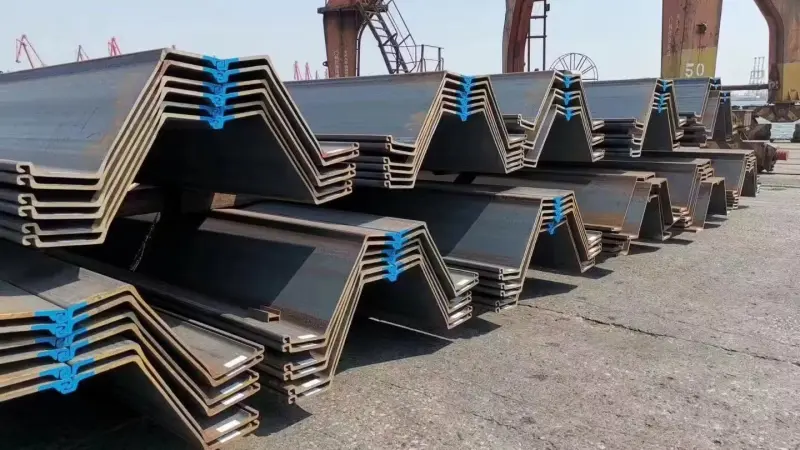
I have inspected retaining systems where poor interlock engagement caused leakage problems. Proper installation matters just as much as profile selection.
How Interlocks Work
Sheet pile walls rely on interlocking joints to create continuous barriers. These interlocks connect adjacent sections and transfer structural loads across the wall.
The interlocking system also helps reduce water penetration in:
- Flood barriers
- Riverbank walls
- Marine retaining systems
U Type Interlock Characteristics
U type sheet piles position interlocks along the center axis. This creates balanced stress distribution and reliable sealing performance.
Advantages include:
| Interlock Factor | U Type |
|---|---|
| Alignment Stability | High |
| Water Tightness | Excellent |
| Installation Simplicity | Strong |
| Leakage Resistance | Reliable |
Z Type Interlock Characteristics
Z type piles also provide strong interlocking performance. Their edge-positioned interlocks improve structural efficiency but require more precise alignment during installation.
If alignment errors occur, water leakage risk may increase slightly. Skilled installation crews usually prevent this problem.
Improving Water Tightness
Contractors often use sealants or welding methods to improve wall sealing performance. Common sealing solutions include:
- Bituminous sealants
- Swelling compounds
- Welded interlocks
- Combined wall systems
I believe interlock quality is one of the most important but overlooked parts of sheet pile wall construction. Even the strongest steel profile can fail if the joints are not properly aligned.
For temporary excavation systems and flood barriers, many contractors still prefer U type piles because their symmetrical interlocks simplify installation and reduce leakage risk. For heavy marine structures, Z type piles continue to perform extremely well when installed correctly.
I always encourage buyers to evaluate both structural strength and interlocking reliability before selecting a profile for water-retaining applications.
Conclusion
U type and Z type sheet piles both offer strong retaining performance, but the better choice depends on project depth, installation needs, marine conditions, and budget efficiency.