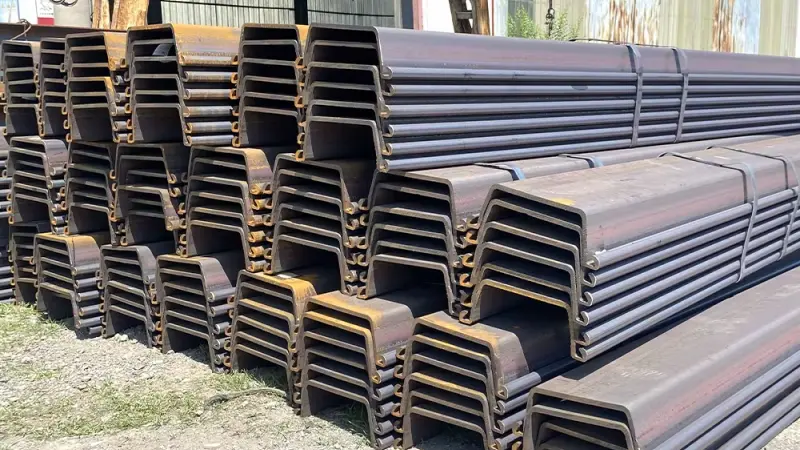
Construction delays and weak retaining systems can create serious safety and cost problems. I often see buyers struggle when choosing between hot rolled and cold formed sheet piles for demanding projects.
Hot rolled sheet piles and cold formed sheet piles differ in manufacturing process, structural performance, durability, water tightness, and project suitability. Hot rolled piles provide higher strength and better interlock performance, while cold formed piles offer lower cost and flexible production options.
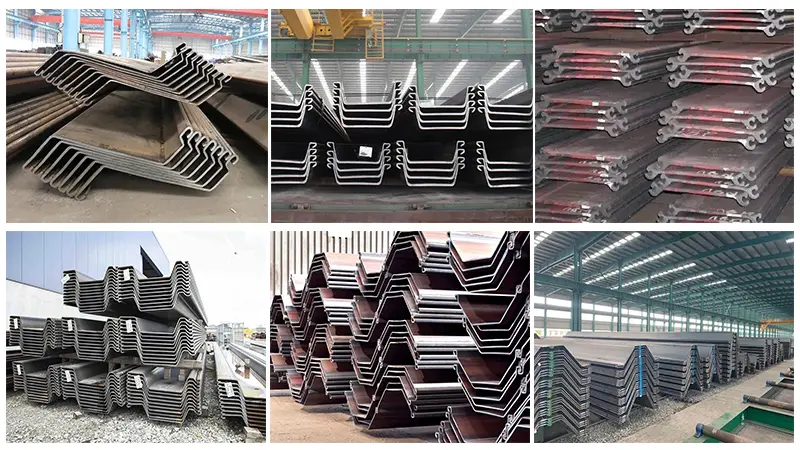
I have worked with contractors, distributors, and marine construction companies that needed fast answers before purchasing sheet piles. Many buyers focus only on price at first. Later, they realize structural strength, delivery time, and installation performance are far more important. In this article, I will explain the real differences between hot rolled and cold formed sheet piles from a practical project perspective.
How Do Manufacturing Processes Differ Between Hot Rolled and Cold Formed Sheet Piles?
Many buyers only compare prices. They forget that the manufacturing process directly affects structural performance, dimensional accuracy, and long-term durability.
Hot rolled sheet piles are produced at high temperature through continuous rolling, while cold formed sheet piles are shaped from steel coils at room temperature using roll forming equipment. This creates major differences in strength, interlock quality, and section geometry.
What Is the Hot Rolled Manufacturing Process?
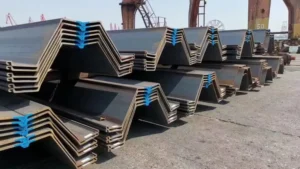
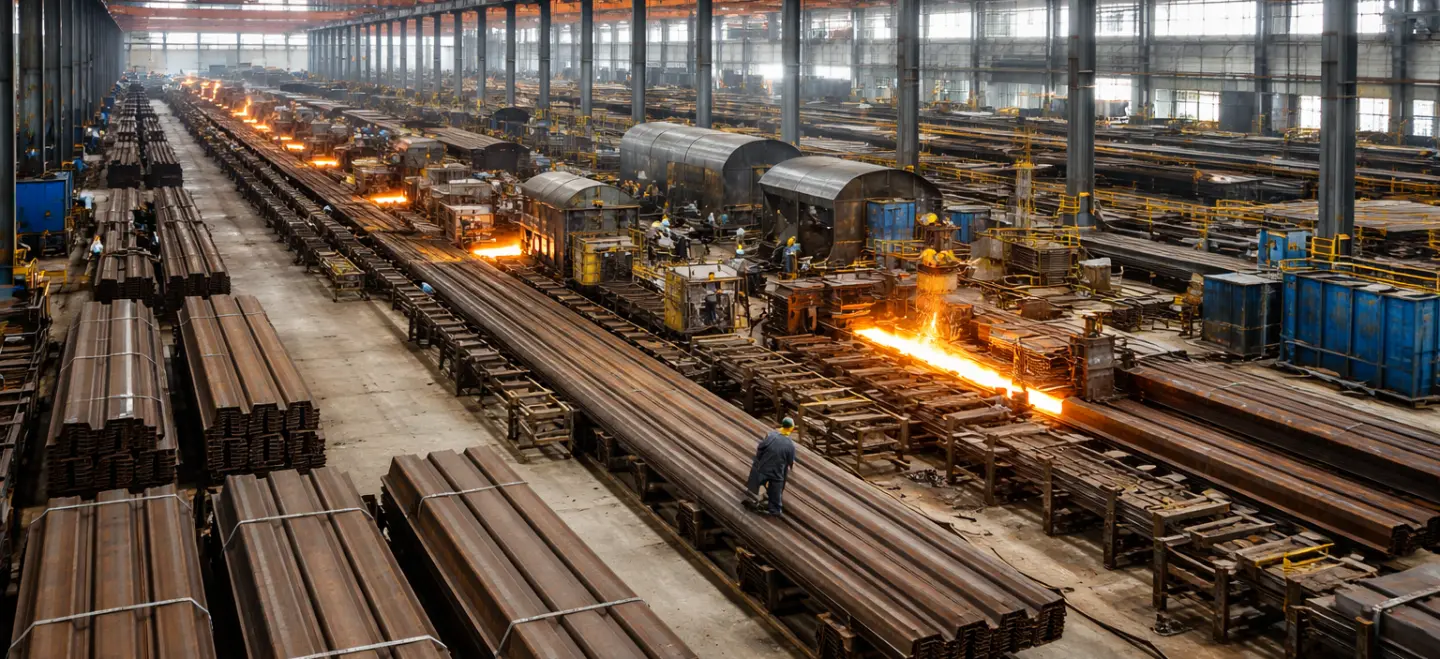
I usually explain hot rolled production as a fully integrated steel forming process. Steel billets are heated at very high temperatures. Then the steel passes through rolling mills many times until the final sheet pile shape is formed.
This process creates stronger steel grain structure consistency. It also allows manufacturers to produce thicker profiles and stronger interlocks.
Hot rolled sheet piles normally have:
- Better clutch performance
- Higher section modulus
- Improved water tightness
- Better driving performance in hard soil
I often recommend hot rolled sheet piles for marine walls, bridge foundations, deep excavations, and port construction projects.
You can learn more about hot rolled steel and its industrial forming process.
What Is the Cold Formed Manufacturing Process?
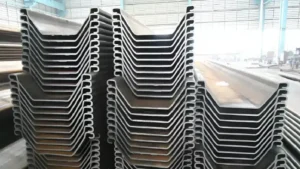
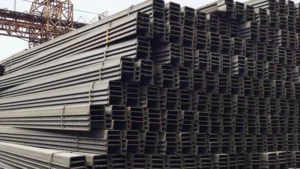
Cold formed sheet piles use steel coils instead of steel billets. The steel passes through forming rollers at room temperature until the required profile is produced.
This process reduces manufacturing cost. It also gives more flexibility for profile dimensions and production quantity.
Still, I have noticed some limitations during project discussions:
- Thinner steel thickness
- Lower structural capacity
- Reduced interlock tightness
- Higher risk of deformation during installation
Cold formed sheet piles work well for temporary retaining walls, flood barriers, shallow excavations, and lightweight structures.
Manufacturing Comparison Table
| Factor | Hot Rolled Sheet Piles | Cold Formed Sheet Piles |
|---|---|---|
| Production Method | High temperature rolling | Room temperature roll forming |
| Raw Material | Steel billet | Steel coil |
| Structural Strength | Higher | Moderate |
| Interlock Quality | Excellent | Good |
| Water Tightness | Better | Moderate |
| Thickness Range | Wider | Usually thinner |
| Production Cost | Higher | Lower |
| Delivery Flexibility | Limited mill schedule | More flexible |
My Project Experience
In one riverbank protection project in Southeast Asia, our client first wanted cold formed sheet piles because of budget pressure. Later, the engineering consultant required stronger interlock performance due to water seepage risk. We switched to hot rolled U type sheet piles.
The contractor later told me the installation became smoother and the wall alignment was more stable. That project reinforced my view that manufacturing quality affects the entire construction process, not just the material itself.
I think many buyers underestimate this point during the quotation stage.
Which Type of Sheet Pile Provides Better Structural Strength and Durability?
Weak retaining systems can lead to wall movement, leakage, or structural failure. Many project owners only realize this after installation begins.
Hot rolled sheet piles generally provide higher structural strength, better durability, and stronger interlocking performance than cold formed sheet piles because of their thicker sections and manufacturing process.
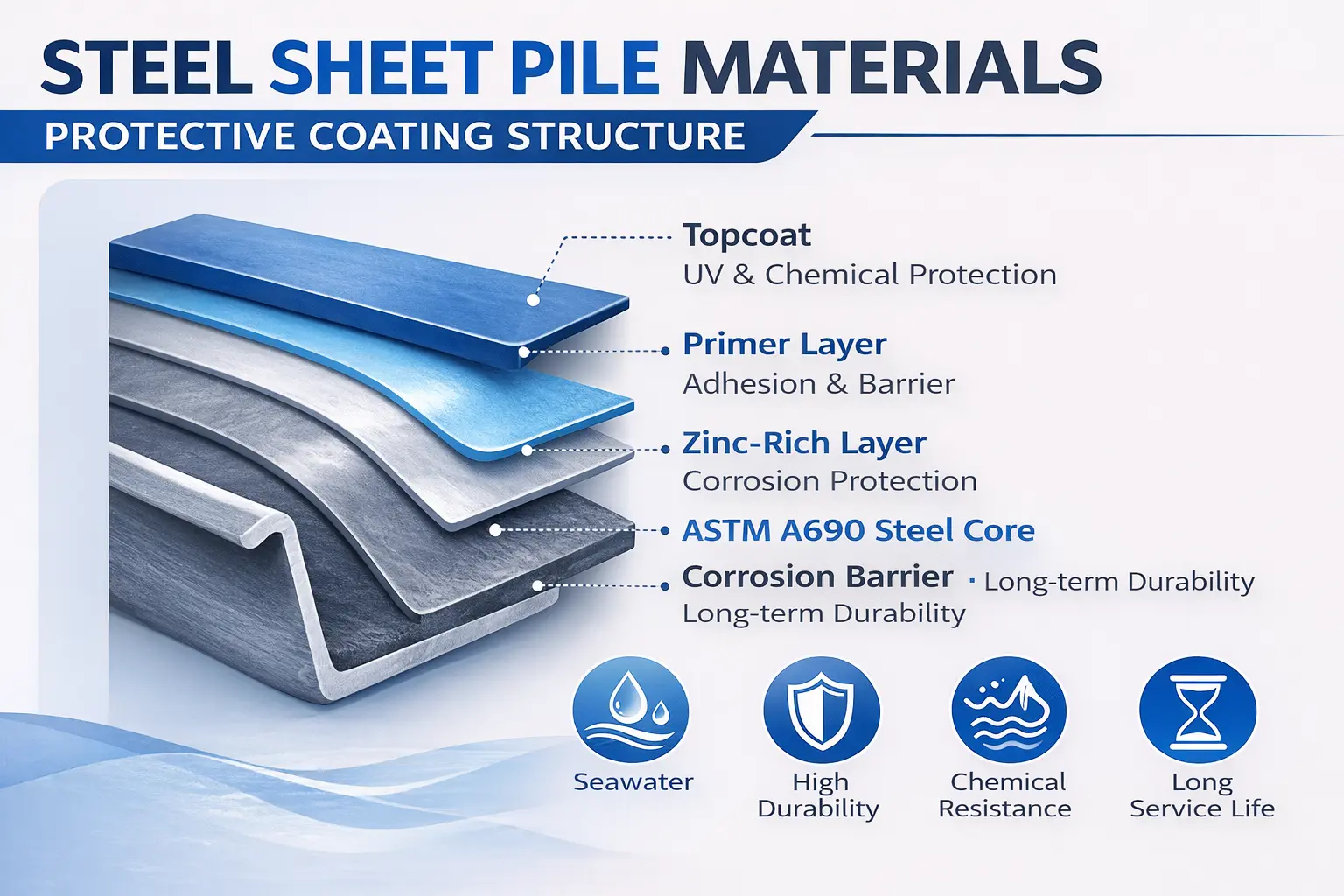
Why Structural Strength Matters
Sheet piles must resist:
- Soil pressure
- Water pressure
- Dynamic loading
- Vibration during installation
- Long-term corrosion exposure
I often tell buyers that sheet pile selection is not only about steel weight. Section geometry and interlock strength are equally important.
Hot rolled sheet piles usually provide larger section modulus and moment of inertia. These properties improve bending resistance.
You can review basic concepts of section modulus in structural engineering.
Hot Rolled Sheet Pile Advantages
Hot rolled profiles usually perform better in:
- Deep excavation support
- Cofferdams
- Marine retaining walls
- Permanent structures
- Heavy foundation systems
Their interlocks are stronger and more precise. This improves wall continuity and water resistance.
I have seen hot rolled Z type sheet piles perform extremely well in large port expansion projects because their strength-to-weight ratio is very efficient.
Cold Formed Sheet Pile Performance
Cold formed sheet piles still have advantages in many situations.
They are suitable for:
- Temporary works
- Small retaining walls
- Flood prevention systems
- Agricultural drainage projects
- Light commercial construction
Still, their thinner cross sections can reduce bending resistance in demanding soil conditions.
In hard ground or deep installations, deformation risk becomes higher.
Durability Comparison
| Performance Factor | Hot Rolled | Cold Formed |
|---|---|---|
| Structural Capacity | Excellent | Moderate |
| Interlock Reliability | Excellent | Good |
| Corrosion Resistance | High | Moderate |
| Deep Driving Performance | Excellent | Moderate |
| Long-Term Stability | Strong | Acceptable |
| Marine Application Suitability | Excellent | Limited |
My View From Real Export Projects
Many contractors from the Middle East ask for hot rolled sheet piles because coastal environments create corrosion challenges.
I remember one client from the UAE specifically requested thicker hot rolled piles after previous cold formed products failed in a tidal zone application. The interlocks separated after years of exposure.
That experience made me believe long-term durability should never be ignored just to reduce initial purchasing cost.
What Are the Cost and Material Efficiency Differences Between Hot Rolled and Cold Formed Sheet Piles?
Many buyers focus only on unit price. They do not calculate transportation cost, installation efficiency, and long-term maintenance expenses.
Cold formed sheet piles usually have lower initial production costs, while hot rolled sheet piles provide better long-term value through higher structural efficiency, durability, and reduced maintenance risk.
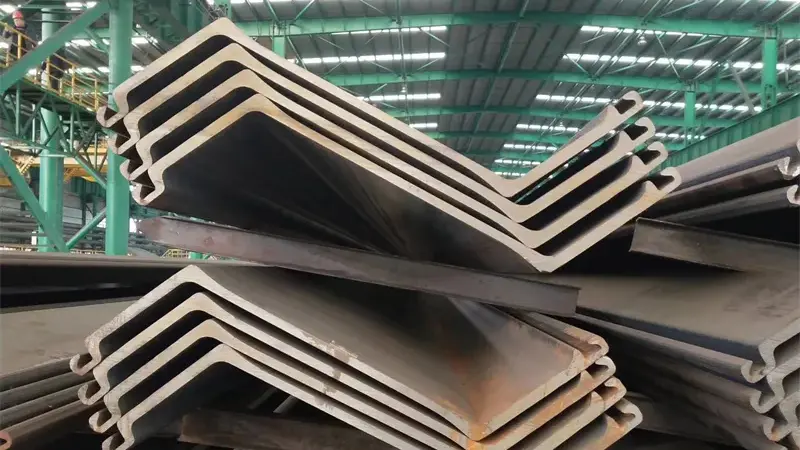
Why Cold Formed Sheet Piles Cost Less
Cold formed sheet piles use:
- Steel coils
- Simpler production lines
- Lower energy consumption
- Flexible production scheduling
This helps reduce manufacturing cost.
For temporary projects or limited budgets, this can be very attractive.
I often recommend cold formed profiles for short-term construction support where structural demands are moderate.
Why Hot Rolled Sheet Piles Can Save Money Long Term
Many people assume hot rolled piles are expensive. That is partly true for initial purchase price.
Still, I always explain the bigger picture.
Hot rolled piles may reduce:
- Installation problems
- Alignment correction work
- Water leakage repair
- Future maintenance
- Structural reinforcement costs
They can also reduce the required pile quantity because of stronger section properties.
Material Efficiency Comparison
| Cost Factor | Hot Rolled | Cold Formed |
|---|---|---|
| Initial Material Price | Higher | Lower |
| Installation Efficiency | Better | Moderate |
| Long-Term Maintenance | Lower | Higher |
| Structural Efficiency | Higher | Moderate |
| Transportation Efficiency | Good | Good |
| Lifecycle Cost | Lower in long term | Lower short term |
Logistics and Delivery Considerations
From my export experience, delivery schedule also affects buyer decisions.
Cold formed sheet piles often have shorter production lead times because factories can produce smaller quantities more easily.
Hot rolled sheet piles depend heavily on steel mill rolling schedules.
Still, certified mills usually provide more stable quality documentation and inspection support.
For many government and infrastructure projects, this becomes very important.
My Personal Opinion
I think buyers should stop treating sheet piles as simple steel products.
They are engineering systems.
A lower material price does not always mean lower total project cost. I have seen contractors lose far more money fixing installation issues than they originally saved on procurement.
That is why I usually ask customers detailed questions about soil condition, project lifespan, and water exposure before recommending a product type.
Which Construction Projects Are Better Suited for Hot Rolled or Cold Formed Sheet Piles?
Choosing the wrong sheet pile type can slow construction and increase project risk. Many failures start during the design selection stage.
Hot rolled sheet piles are better for heavy-duty marine and deep foundation projects, while cold formed sheet piles are suitable for temporary works, shallow excavations, and cost-sensitive projects.
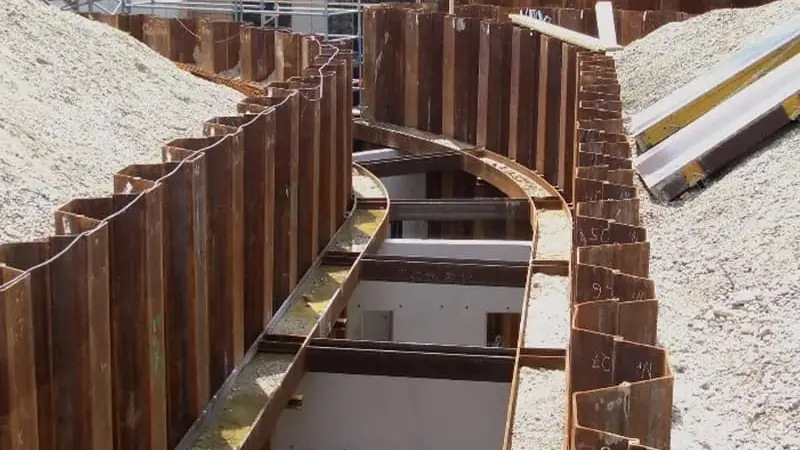
Best Applications for Hot Rolled Sheet Piles
I usually recommend hot rolled piles for:
- Port construction
- Marine retaining walls
- Bridge foundations
- Cofferdams
- Flood control systems
- Permanent retaining structures
These projects require:
- Strong interlocks
- High bending resistance
- Long service life
- Reliable water tightness
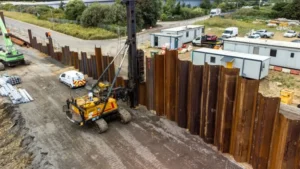
In our Southeast Asia riverbank project, hot rolled U type sheet piles provided stable wall support against water erosion and soil movement.
The contractor finished installation quickly using vibratory hammer equipment. The interlock system performed very well during the rainy season.
Best Applications for Cold Formed Sheet Piles
Cold formed profiles work well for:
- Temporary shoring
- Small retaining walls
- Agricultural drainage
- Flood barriers
- Lightweight infrastructure projects
These projects usually prioritize budget control and faster manufacturing flexibility.
Project Selection Comparison
| Project Type | Recommended Sheet Pile |
|---|---|
| Port Construction | Hot Rolled |
| Marine Structures | Hot Rolled |
| Deep Excavation | Hot Rolled |
| Temporary Retaining Wall | Cold Formed |
| Flood Barrier | Cold Formed |
| Small Commercial Site | Cold Formed |
| Bridge Foundation | Hot Rolled |
| Permanent Waterfront Wall | Hot Rolled |
Environmental Factors
Environmental conditions strongly affect sheet pile choice.
Hot rolled sheet piles are better for:
- Saltwater exposure
- Heavy vibration zones
- High groundwater pressure
- Deep soil penetration
Cold formed sheet piles are acceptable for:
- Dry soil conditions
- Short-term projects
- Light loading environments
I often discuss environmental exposure with buyers before quotation because this directly affects product lifespan.
My Final Technical View
I believe there is no universal "best" sheet pile.
The correct choice depends on:
- Soil conditions
- Structural loading
- Project lifespan
- Budget
- Installation equipment
- Water exposure
Many experienced contractors already understand this. Still, newer buyers sometimes compare products only by ton price.
I think that approach creates unnecessary project risk.
Conclusion
Hot rolled and cold formed sheet piles both have value. The best choice depends on project strength requirements, service life expectations, environmental conditions, and total lifecycle cost.