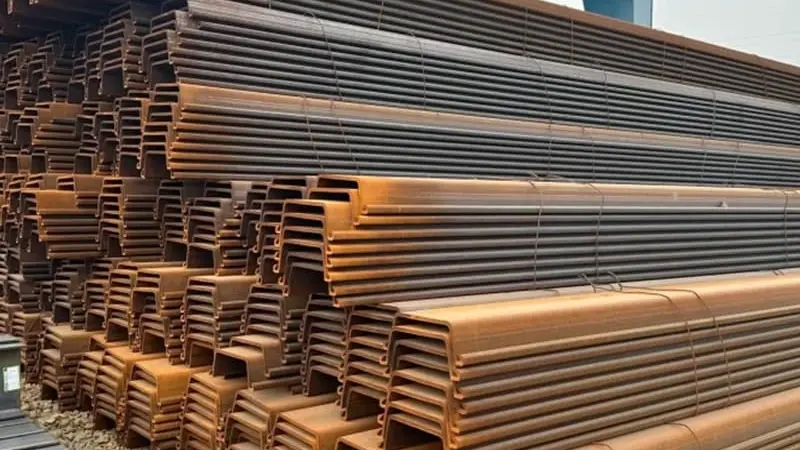
What Is the History of Steel Sheet Piles?
Early retaining systems often failed under water pressure and unstable soil conditions. Engineers needed a stronger and more durable solution.
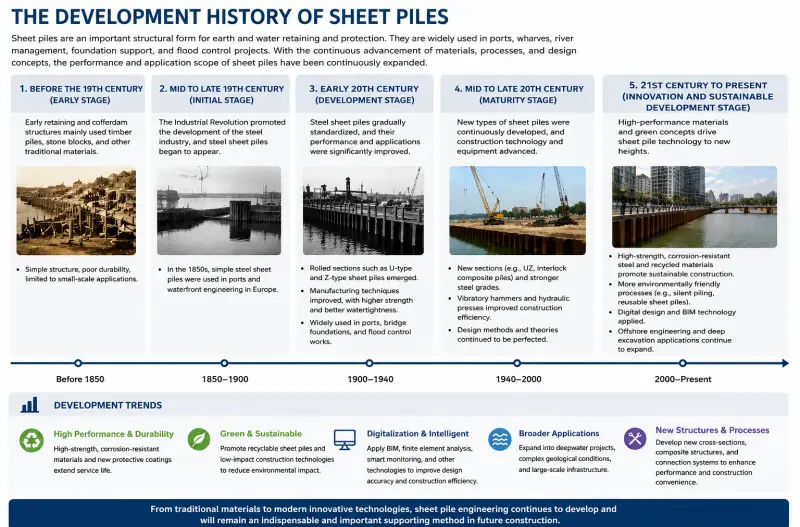
The history of steel sheet piles began when engineers replaced timber and concrete retaining systems with interlocking steel sections that offered better strength, water resistance, and long-term performance for marine and foundation projects.
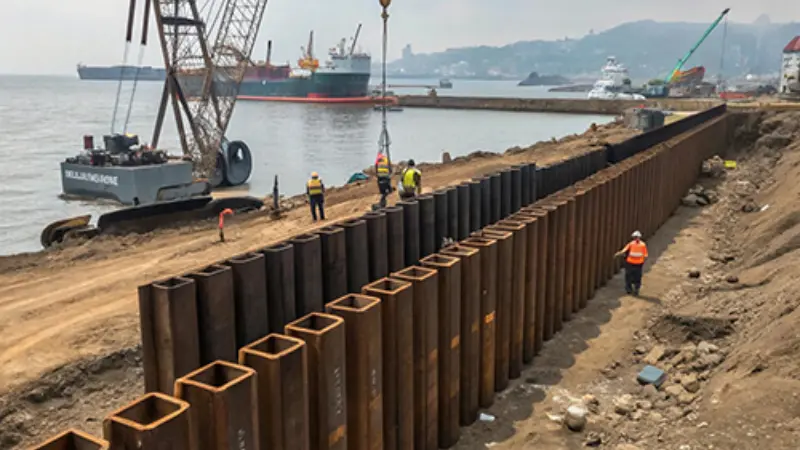
I always find the evolution of steel sheet piles fascinating. Their development changed marine engineering, deep foundation work, and modern infrastructure construction around the world.
How Did Steel Sheet Piles Evolve From Timber and Concrete Retaining Systems?
Old retaining systems often struggled with water leakage and structural failure. Steel sheet piles solved many of these problems.
Steel sheet piles evolved from timber and concrete systems because engineers needed stronger, reusable, and more water-resistant retaining structures for growing industrial and marine projects.
I once visited an old dock renovation project where timber retaining walls had completely deteriorated. The replacement used steel sheet piles because the original system could no longer handle modern loads.
Early Timber Retaining Structures
Before steel became common, timber piles were widely used along rivers, canals, and ports. Builders drove wooden planks into soft soil to create barriers against water and soil movement. These systems worked for small projects, but they had serious limitations.
Timber piles absorbed water over time. Rot and insect damage weakened the structure. Saltwater environments made the situation worse. Maintenance costs increased every year. Engineers also faced difficulty building deeper excavations with timber walls because the material lacked enough bending resistance.
Concrete Retaining Systems
Concrete retaining walls became more popular during industrial expansion. Concrete offered better compressive strength than timber. It also lasted longer in wet environments. Still, concrete had problems.
Concrete walls were heavy. Transportation and installation costs were high. Cracking was common in unstable soil conditions. Water pressure behind the wall often caused failure if drainage systems were poor.
Why Steel Changed Everything
Steel sheet piles introduced several major improvements:
| Feature | Timber | Concrete | Steel Sheet Piles |
|---|---|---|---|
| Reusability | Low | None | High |
| Water Resistance | Poor | Medium | Excellent |
| Installation Speed | Medium | Slow | Fast |
| Structural Strength | Low | Medium | High |
| Flexibility | Poor | Poor | Excellent |
Engineers quickly recognized the value of interlocking steel sections. Steel sheet piles could resist lateral pressure more effectively. Their interlocks also reduced water seepage.
I believe this shift was one of the most important changes in foundation engineering history. Steel sheet piles allowed projects to become deeper, safer, and more economical. Today, many modern retaining systems still rely on the same core principles developed more than a century ago.
What Major Engineering Projects Popularized Steel Sheet Piles Worldwide?
Large infrastructure projects pushed steel sheet piles into global demand. Ports, canals, and flood barriers needed stronger retaining systems.
Major marine, transportation, and flood control projects helped popularize steel sheet piles because they required durable retaining systems that could handle heavy loads and water pressure.
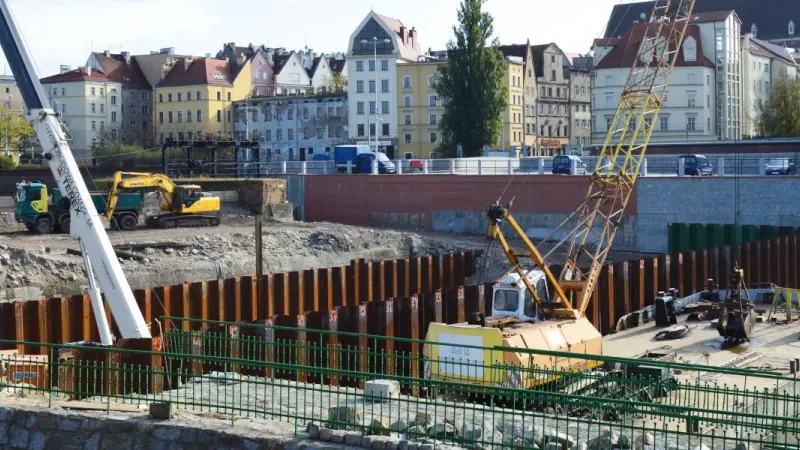
I often study historical engineering projects because they show how practical problems shaped steel sheet pile development. Many famous structures still use sheet piles today.
Early Port and Harbor Expansion
During the late nineteenth and early twentieth centuries, global trade increased rapidly. Countries expanded ports and shipping infrastructure. Engineers needed retaining systems for quay walls, docks, and harbor foundations.
Steel sheet piles became the preferred solution because they allowed faster construction and better water control. European ports were among the earliest adopters. Germany and Luxembourg played important roles in developing hot rolled steel sheet pile technology.
Canal and River Engineering
Large canal systems also increased demand for steel sheet piles. Engineers used them to stabilize excavation walls and control water movement during construction. River engineering projects adopted steel sheet piles because timber systems deteriorated too quickly.
Major Infrastructure Examples
| Project Type | Why Sheet Piles Were Used | Benefit |
|---|---|---|
| Ports and Docks | Water retention and stability | Long service life |
| Canal Systems | Excavation support | Faster construction |
| Flood Barriers | Water control | Improved safety |
| Bridge Foundations | Soil retention | Deep excavation support |
Modern Global Expansion
As urbanization expanded, sheet piles became common in Asia, the Middle East, and North America. Large-scale industrial zones, airports, bridges, and subway systems relied heavily on steel retaining systems.
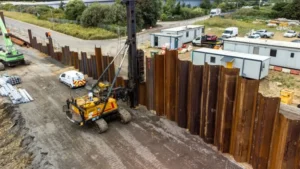
In Southeast Asia, I worked on a riverbank protection project using hot rolled U type steel sheet piles. The interlocking structure controlled erosion effectively and stabilized the riverbank during seasonal flooding. The contractor completed installation quickly using vibratory pile driving equipment.
Projects like this show why steel sheet piles remain important today. Their history is closely connected to the growth of modern infrastructure around the world.
How Has Hot Rolled Sheet Pile Technology Improved Over Time?
Early sheet piles were simple and limited. Modern production methods created stronger and more efficient products.
Hot rolled sheet pile technology improved through better steel grades, stronger interlock designs, improved rolling methods, and enhanced corrosion protection systems.
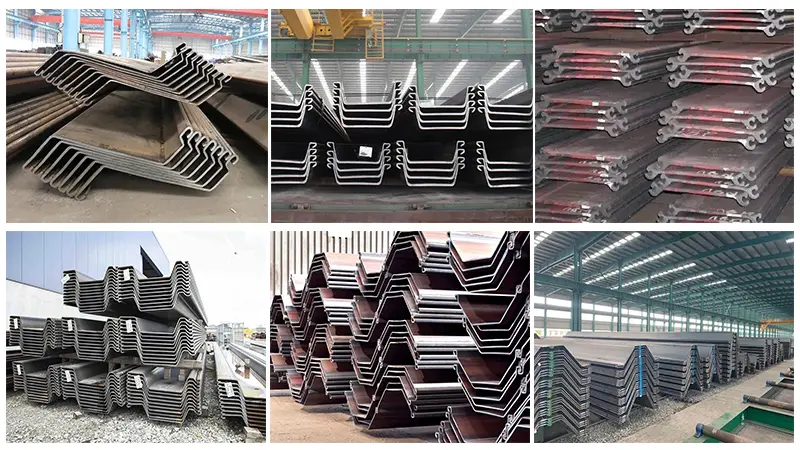
I have compared older pile profiles with modern designs. The difference in strength and interlock precision is very noticeable.
Improvements in Steel Production
Early steel sheet piles used basic carbon steel. Modern manufacturing introduced stronger steel grades with better durability and flexibility. These improvements increased bending resistance and reduced failure risks during installation.
Modern mills also maintain tighter dimensional tolerances. This ensures smoother interlock engagement and more reliable wall performance.
Evolution of Interlock Systems
The interlock is one of the most important parts of a sheet pile wall. Early interlocks were simple and less watertight. Engineers gradually improved these designs to reduce leakage and improve structural continuity.
Modern Technology Advancements
| Technology Improvement | Result |
|---|---|
| High-strength steel grades | Higher load capacity |
| Improved rolling precision | Better interlock fit |
| Corrosion-resistant coatings | Longer lifespan |
| Advanced profile shapes | Greater efficiency |
| Automated production lines | Consistent quality |
Better Installation Performance
Modern hot rolled piles also install more efficiently. Improved profile geometry reduces driving resistance. Contractors can complete projects faster while reducing vibration and alignment problems.
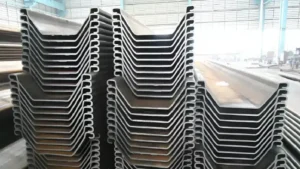
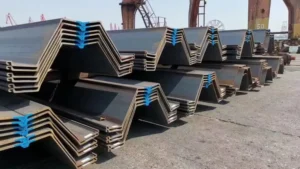
I believe modern sheet pile technology gives engineers far more flexibility than earlier generations. Today, contractors can select U-shaped, Z-shaped, or straight-web profiles depending on project requirements.
The development of corrosion protection also changed the industry significantly. Galvanizing, epoxy coatings, and cathodic protection systems greatly extended service life in marine environments.
These improvements explain why hot rolled steel sheet piles remain the preferred solution for heavy-duty retaining systems worldwide.
Why Are Steel Sheet Piles Essential in Modern Marine and Foundation Construction?
Modern infrastructure projects demand reliable retaining systems. Steel sheet piles continue to play a critical role.
Steel sheet piles are essential because they provide strong soil retention, water resistance, fast installation, and long-term durability for marine structures and deep foundation projects.
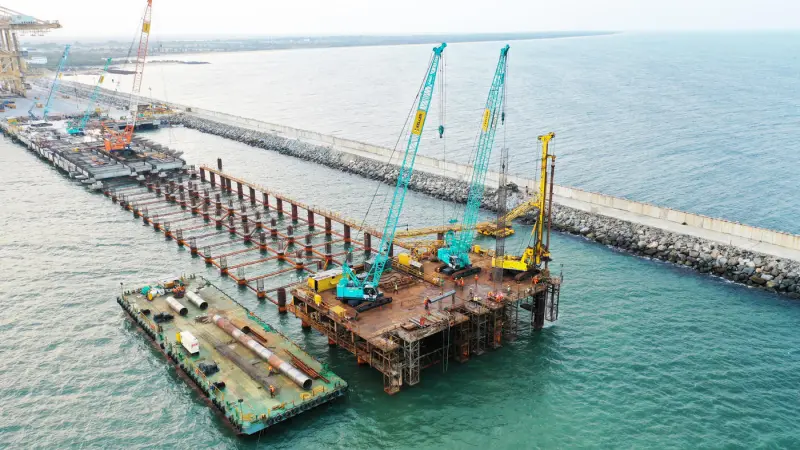
I have seen projects fail when weak retaining systems were used. Strong sheet pile walls reduce these risks significantly.
Importance in Marine Construction
Marine environments create difficult engineering conditions. Saltwater, tidal movement, and soil instability place enormous pressure on retaining structures. Steel sheet piles perform well because they combine strength with water resistance.
Ports, seawalls, docks, and offshore structures all depend on reliable retaining systems. Hot rolled steel sheet piles create continuous barriers that resist both water and lateral soil pressure.
Deep Foundation Applications
Modern cities require underground infrastructure. Subway systems, underground parking, tunnels, and deep basements all need excavation support. Steel sheet piles provide temporary and permanent retaining solutions.
Key Benefits in Modern Projects
| Construction Need | Role of Steel Sheet Piles |
|---|---|
| Deep Excavation Support | Prevents soil collapse |
| Flood Protection | Controls water intrusion |
| Marine Stability | Supports quay walls and docks |
| Fast Construction | Reduces project delays |
| Reusability | Lowers long-term costs |
Why Engineers Continue Using Them
I often recommend steel sheet piles because they balance strength, speed, and long-term performance. Their reusable nature also reduces waste and project costs.
In many marine projects, no other retaining solution offers the same combination of structural reliability and installation efficiency. This is why steel sheet piles remain essential in modern engineering.
As infrastructure demands continue growing, I believe steel sheet piles will remain a key part of construction for decades to come. Their history proves how effective engineering solutions can shape the modern world.
Conclusion
Steel sheet piles evolved from simple retaining systems into one of the most reliable solutions for modern marine and foundation construction worldwide.