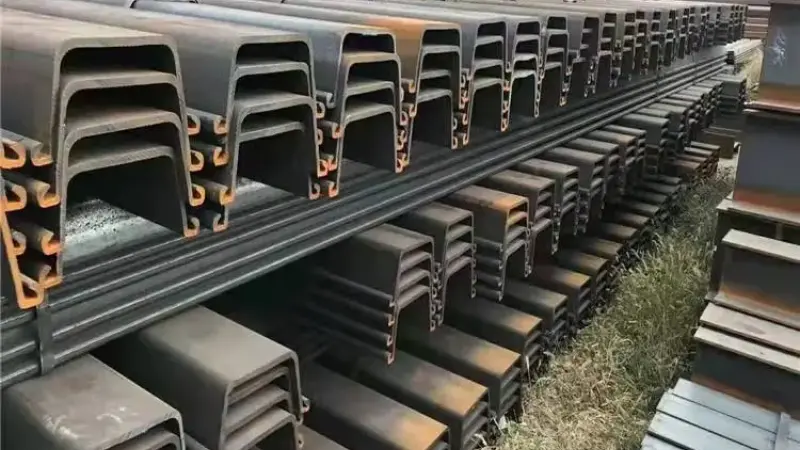
Heavy construction projects demand strong and durable retaining solutions. Hot rolled sheet piles provide unmatched stability for deep excavations and water-retaining structures.
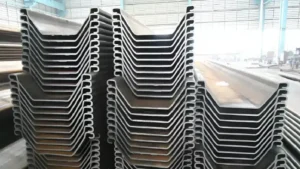
Hot rolled sheet piles are steel sections produced at high temperatures, forming robust interlocking walls for soil retention, marine structures, and heavy-duty civil engineering projects.
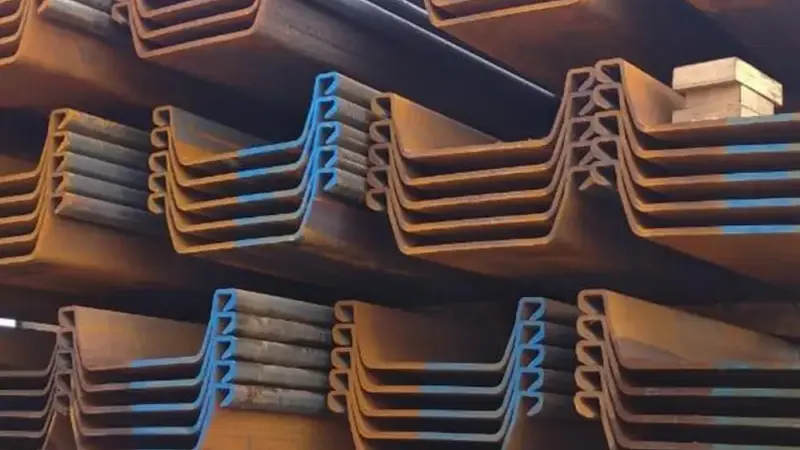
I have used hot rolled piles in several port projects, where strength and long-term stability were critical. Their design and durability make them ideal for demanding applications.
Key Features That Define Hot Rolled Sheet Piles
Strong construction requires reliable materials. Hot rolled sheet piles provide unmatched performance.
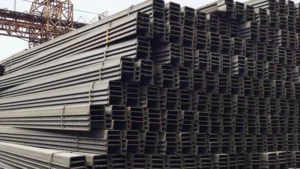
Hot rolled sheet piles are created by rolling steel at elevated temperatures into deep, interlocking profiles that offer high strength, rigidity, and consistent quality.
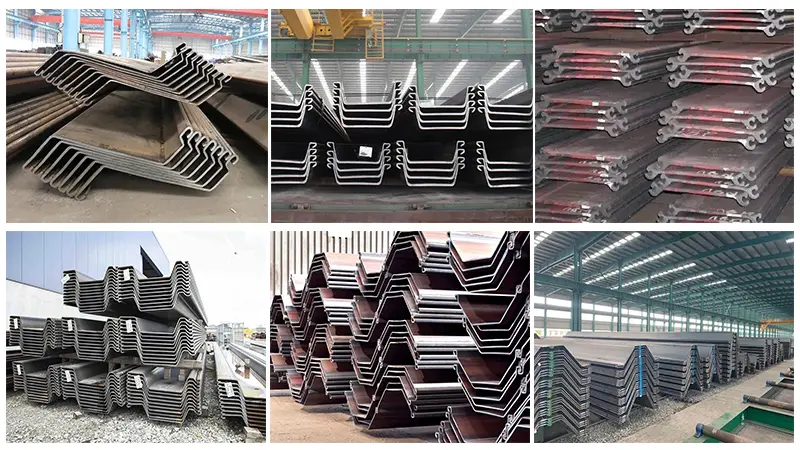
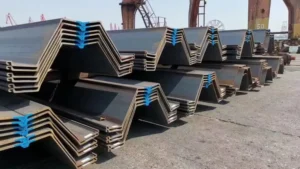
When I first inspected a batch of hot rolled Z-type piles, I noticed their thickness uniformity and strong interlocks. These features guarantee safe, long-lasting walls.
Typical Profiles and Sizes
| Profile Type | Depth Range | Material Thickness |
|---|---|---|
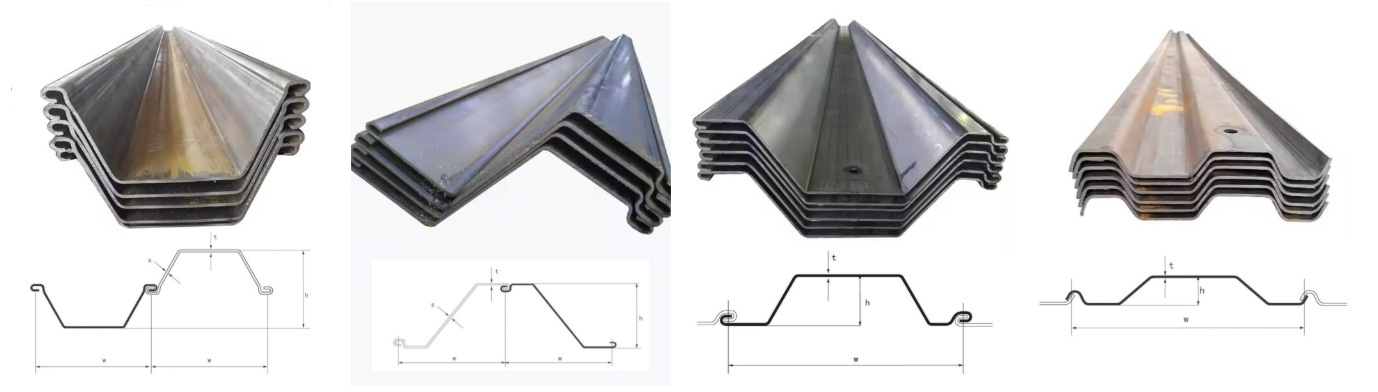
| U-Type | 1.0–2.5 m | 8–16 mm |
| Z-Type | 1.2–3.5 m | 10–20 mm |
| Flat Sheet | Custom | 6–12 mm |
Strength and Durability
- High Tensile Strength: Supports heavy loads without bending (tensile strength).
- Deep Interlocks: Ensure continuous wall performance under pressure.
- Corrosion Resistance: Galvanized or epoxy-coated for marine use (corrosion protection).
In my experience, these features reduce maintenance needs and provide stable long-term performance, even in aggressive water environments.
Structural Benefits of Using Hot Rolled Sheet Piles
Construction projects often face heavy loads and water pressure. Hot rolled piles solve these challenges.
Hot rolled sheet piles provide excellent load-bearing capacity, water-tight interlocks, and strong lateral resistance for deep excavations, quay walls, and riverbank protection.
I recall a river quay project where hot rolled piles withstood strong tidal forces. Their rigidity made construction safer and faster.
Load-Bearing Capacity
| Wall Height | Load Resistance | Typical Use |
|---|---|---|
| 3–6 m | Medium | Urban retaining walls |
| 6–12 m | High | Industrial docks |
| 12+ m | Very High | Large port structures |
Water-Tight Interlocking
Hot rolled piles create almost impermeable barriers when interlocks are properly installed. This is critical for flood protection and marine applications.
Long-Term Stability
The combination of material strength and deep interlocks ensures walls resist soil movement and hydrostatic pressure for decades. I always recommend corrosion protection to extend life further.
Industry Projects That Rely on Hot Rolled Sheet Piles
Some projects demand strength and reliability that only hot rolled piles can deliver.
These piles are commonly used in ports, heavy civil works, bridge abutments, deep excavations, and riverbank stabilization projects where durability and safety are non-negotiable.
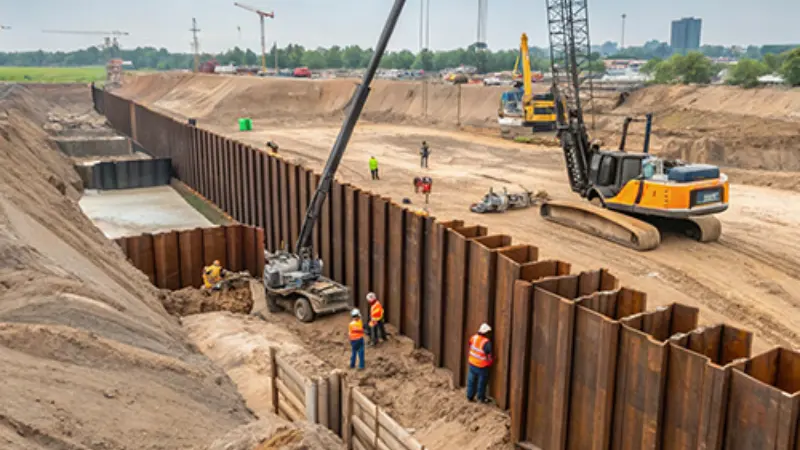
I have worked on a Southeast Asian riverbank project where hot rolled U piles formed the main retaining structure. Installation went smoothly and the wall remains stable today.
Examples of Use
| Project Type | Location | Pile Type Used |
|---|---|---|
| Port Quay | Middle East | Z-Type Hot Rolled |
| Flood Protection | Southeast Asia | U-Type Hot Rolled |
| Bridge Abutment | North America | U-Type Hot Rolled |
| Industrial Retention | Europe | Z-Type Hot Rolled |
Using hot rolled piles ensures structural reliability under heavy loads. I have found proper planning and survey reduce installation errors and improve efficiency.
Installation Challenges and Solutions for Hot Rolled Sheet Piles
Hot rolled piles offer strength but require careful installation. Understanding challenges ensures smooth construction.
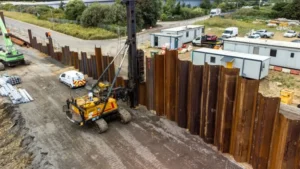
Installation requires cranes or vibratory hammers due to heavy weight. Soil conditions, alignment, and interlock engagement are critical for long-term performance.
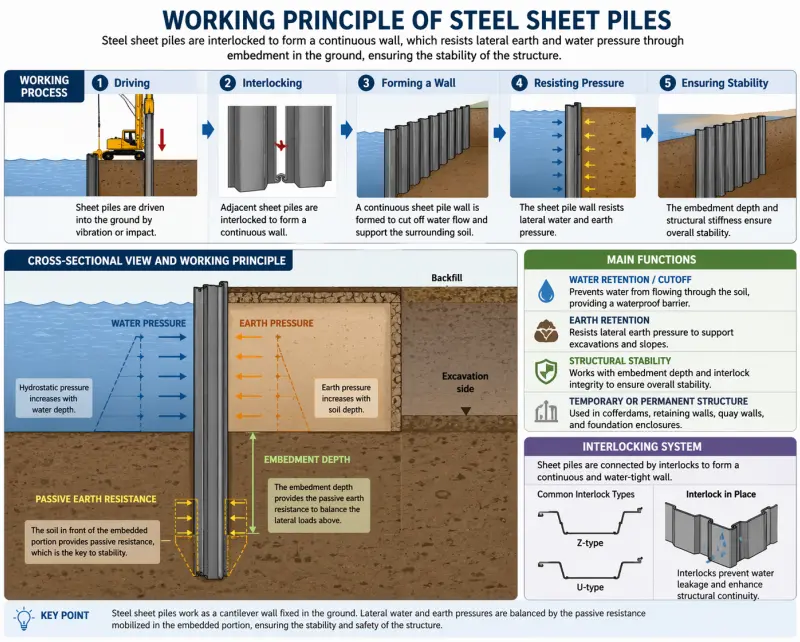
On a deep quay wall project, I supervised pile driving with vibratory equipment. Soil assessment and precise alignment were key to success.
Common Installation Challenges
| Challenge | Impact | Solution |
|---|---|---|
| Heavy Weight | Requires large machinery | Use cranes or specialized pile drivers |
| Hard Soil | Difficult penetration | Pre-drilling or vibratory hammers |
| Alignment Errors | Wall leaks or misfit | Laser guidance and careful supervision |
| Interlock Damage | Reduced water-tightness | Inspect each joint before driving next pile |
Tips for Smooth Installation
- Conduct soil investigation to select appropriate pile type.
- Use cranes with proper lifting capacity.
- Inspect each interlock carefully.
- Monitor wall verticality constantly.
Following these steps, I have completed several deep-water and port projects without delays or structural issues. Hot rolled piles excel when installed with skill and planning.
Conclusion
Hot rolled sheet piles deliver unmatched strength, durability, and reliability for heavy-duty retaining and marine construction projects. Proper installation ensures long-term performance.