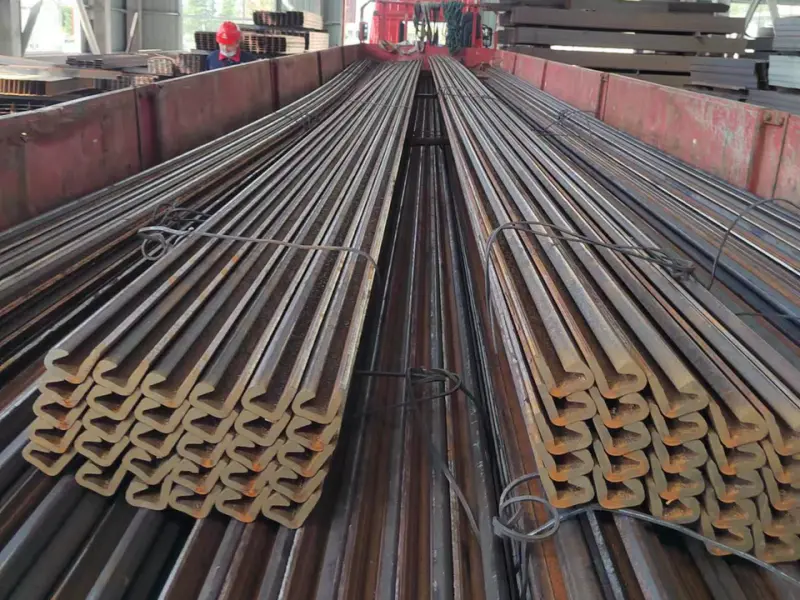
Sheet piles are essential for modern construction, yet many underestimate the importance of interlocking systems. Improper selection can compromise safety and durability.
A sheet pile interlock connects individual piles, creating a continuous barrier that ensures structural stability, prevents soil leakage, and enhances water control. Understanding interlocks is key for long-term performance.
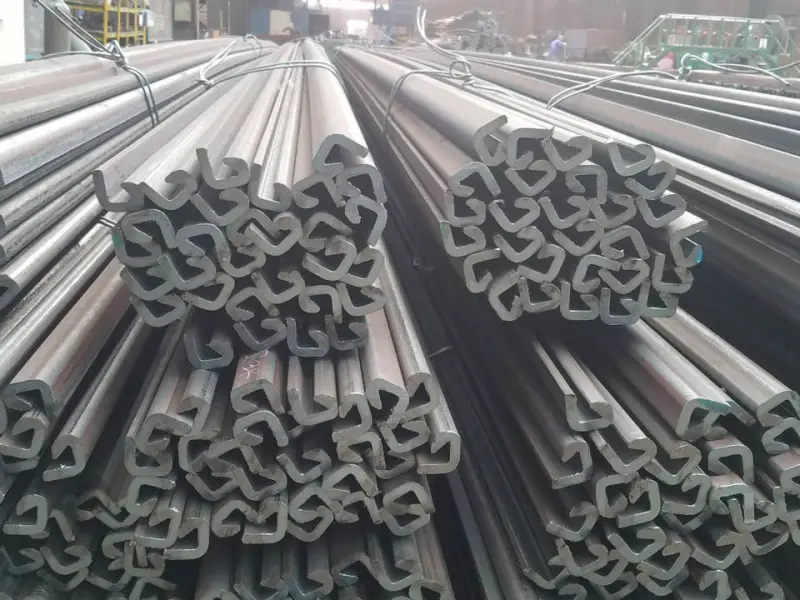
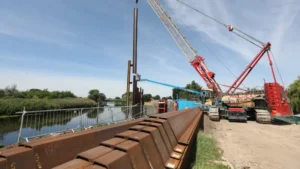
In my experience supplying sheet piles for riverbank protection and flood control projects in Southeast Asia, I often see contractors focus on pile type but overlook interlock quality. This can lead to misalignment, leakage, or reduced durability under heavy loads. Selecting the right interlock is as important as choosing the pile shape itself.
How do sheet piles interlock?
Incorrect interlocking can cause structural failure and project delays. Contractors must understand connection types and fit.
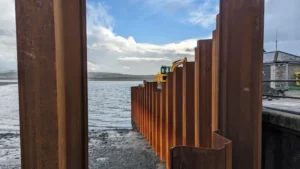
Sheet pilesinterlock using specially designed edges that fit tightly together. This creates a continuous wall and ensures load transfer along the entire system.**
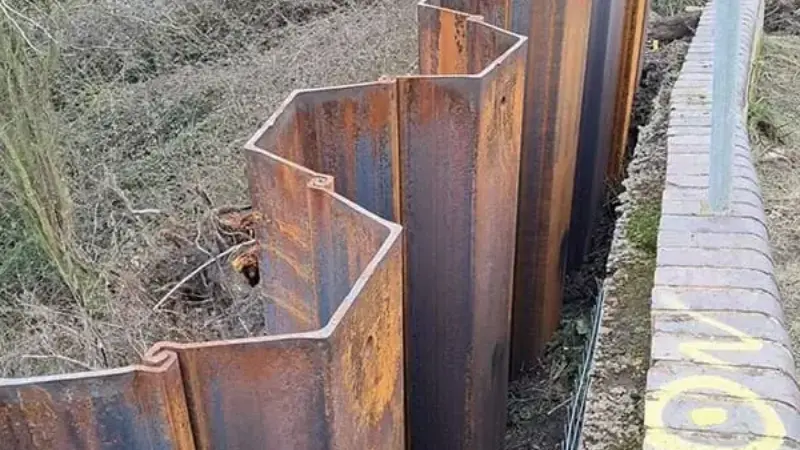
Interlock Mechanisms
Sheet piles use several interlock designs:
-
U-Type Interlock
- Open-ended with uniform thickness
- Easy to drive and connect
- Widely used for riverbankand flood control
-
Z-Type Interlock
- Offset interlock for higher bending strength
- Better suited for deeper excavations and retaining walls
-
Omega & Flat Interlocks
- Specialized designs for specific project needs
- Allow precise alignment and minimal soil leakage
| Interlock Type | Strength | Ease of Installation | Typical Use |
|---|---|---|---|
| U-Type | Medium | Easy | Flood control, riverbanks |
| Z-Type | High | Moderate | Deep excavation, retaining walls |
| Omega | Medium | Moderate | Custom projects |
| Flat Plate | Medium | Easy | Temporary works |
From my observation, a high-quality interlock reduces installation time and ensures structural continuity. During a port construction project, the contractor avoided delays by choosing Z-type interlocks for deeper soil layers. A poor interlock choice can lead to misalignment, water leakage, and higher long-term costs.
What is the purpose of sheet piling?
Without proper piling, excavations, riverbanks, and foundations risk collapse. Sheet piles stabilize soil and water.
Sheet piles provide vertical support, prevent soil erosion, control water, and facilitate safe excavation. Their purpose is to maintain structural integrity and safety during and after construction.
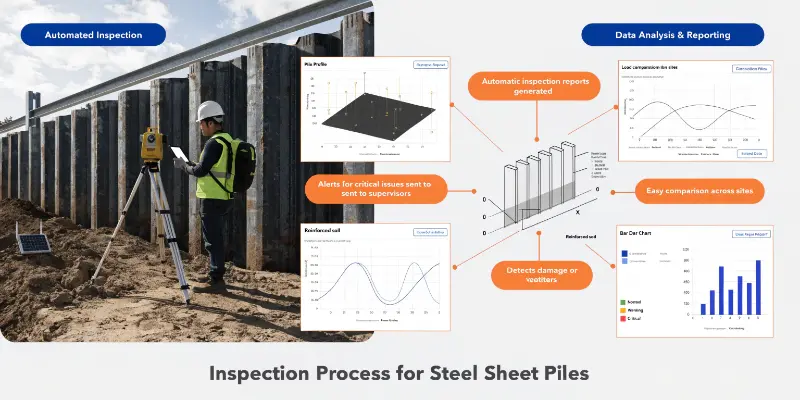
Main Functions
- Soil Retention: Holds soil in place for deep excavations.
- Flood Control: Forms barriers to manage riverbanks and water flow.
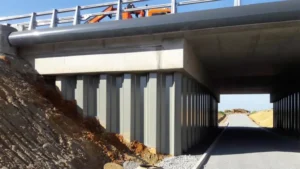
- Foundation Support: Strengthens foundations for bridges, ports, and industrial projects.
- Temporary Structures: Used during construction to prevent soil movement.
| Function | Description | Example |
|---|---|---|
| Soil Retention | Holds lateral soil pressure | Retaining walls in urban excavation |
| Flood Control | Prevents water damage | Riverbank reinforcement |
| Foundation Support | Strengthens deep structures | Bridge abutments |
| Temporary Works | Allows safe construction | Underground parking pits |
In my past projects, I have seen sheet piles used both permanently and temporarily. For a Southeast Asian riverbank project, the hot rolled U-type piles held soil and water effectively for years. Choosing the correct pile type and interlock ensures that these purposes are fully achieved.
What are the pros and cons of sheet piles?
Every construction method has trade-offs. Understanding them avoids costly mistakes.
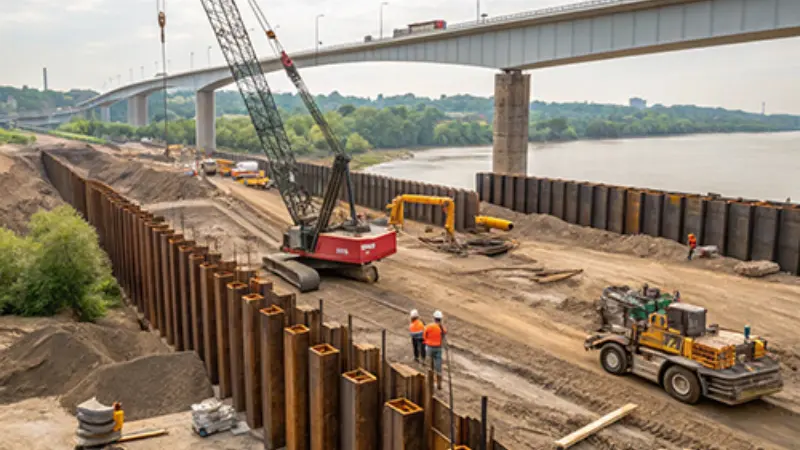
Sheet piles are strong, reusable, and suitable for various soils, but they require proper interlocking, high-quality steel, and may be costly for very deep or long walls.
Advantages
- High Strength: Can withstand lateral soil and water pressure.
- Quick Installation: Modular piles reduce construction time.
- Reusability: Piles can be recovered for other projects.
- Corrosion Resistance: With proper coating or steel type.
Disadvantages
- Cost: High-quality steel and installation equipment are expensive.
- Depth Limitations: Very deep excavations may require additional reinforcement.
- Maintenance: Corrosion monitoring is needed in aggressive environments.
- Complex Installation: Improper alignment can compromise the interlock system.
| Advantage | Disadvantage | Practical Tip |
|---|---|---|
| Strength | Cost | Choose based on load and soil |
| Quick Installation | Depth Limit | Use proper piling equipment |
| Reusability | Maintenance | Apply protective coatings |
| Corrosion Resistance | Complex Installation | Hire experienced operators |
In one port construction project I supplied piles for, Z-type interlocks allowed deeper excavations with fewer piles, saving both cost and time. Poorly aligned U-type piles in a previous project showed gaps that led to soil leakage, proving the importance of proper interlock and installation.
Is interlocking sheet piling reusable?
Reusability can save money but depends on material and damage during extraction.
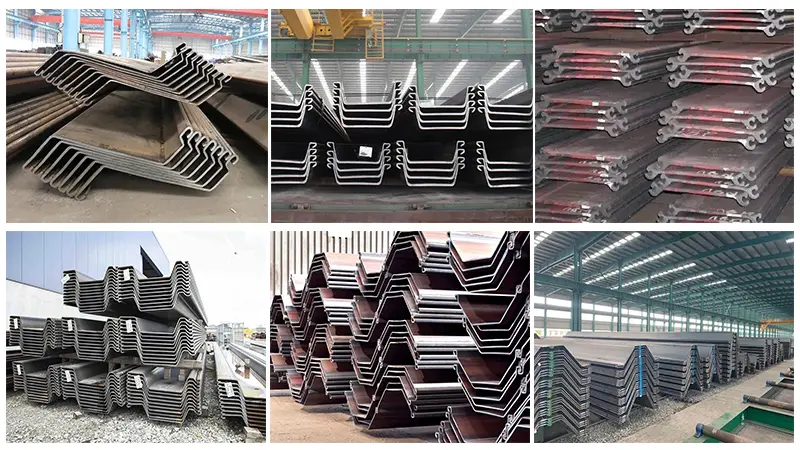
Interlocking sheet piles can be reused if steel quality is high and interlocks remain undamaged. Careful extraction preserves structural integrity for future projects.
Conditions for Reuse
- Material Quality: High-grade steel withstands repeated use.
- Careful Removal: Using vibratory hammers or cranes prevents interlock damage.
- Inspection: Check for corrosion, warping, or interlock wear before reuse.
| Factor | Requirement | Example |
|---|---|---|
| Steel Quality | High tensile, corrosion resistant | Hot rolled U-type piles |
| Extraction Method | Avoid excessive bending | Vibratory hammer removal |
| Inspection | Check interlock and sheet | Reuse only if interlock intact |
I often advise contractors to plan for future reuse. In a flood control project, extracted Z-type piles were reused in a secondary riverbank reinforcement, cutting material costs by 20%. Reusability should be a factor in procurement decisions.
What is the lifespan of sheet piling?
Lifespan varies by steel type, coating, and environment. Ignoring this risks early replacement.
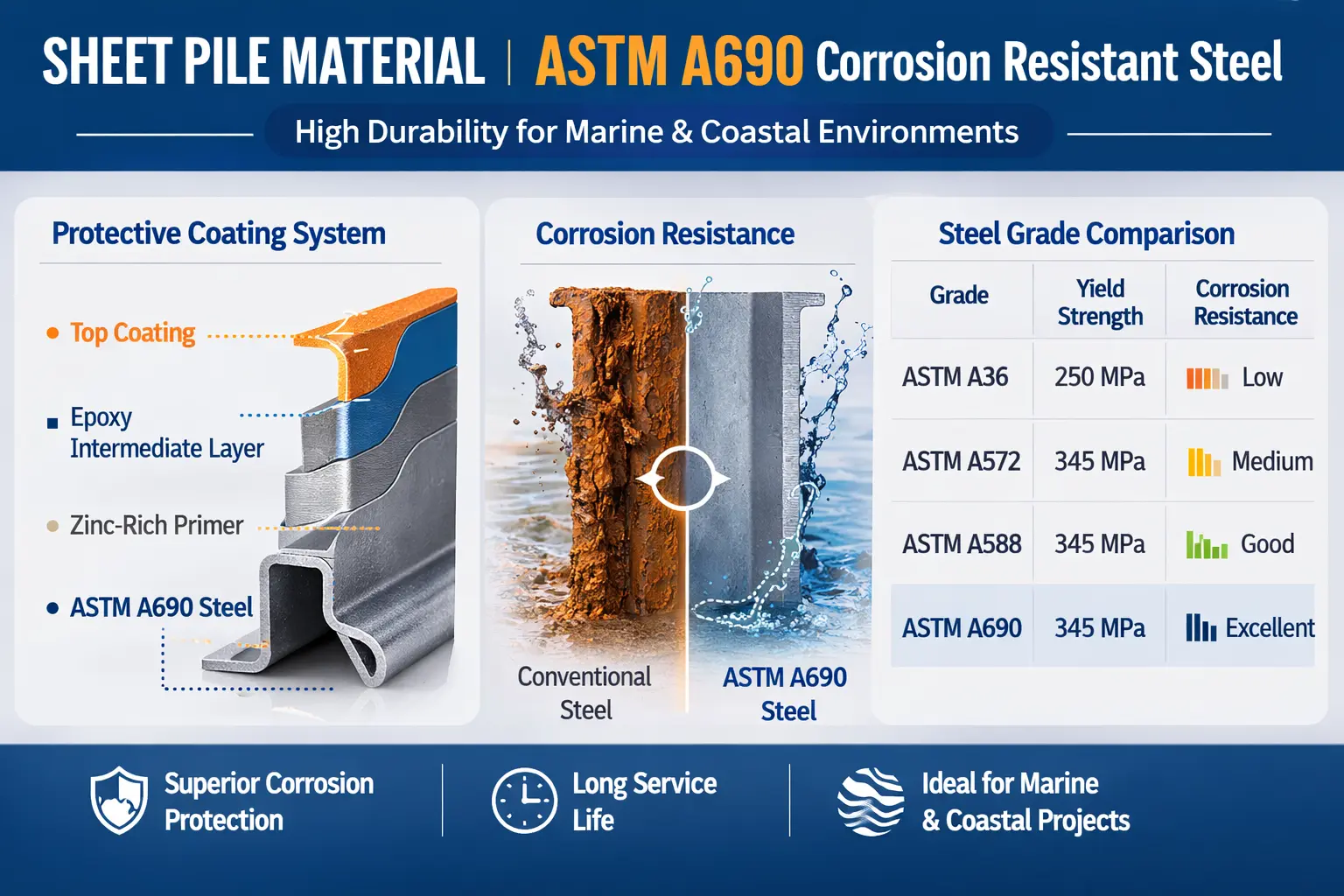
Hot-rolled steel sheet piles with proper coating can last 50 years or more, while uncoated or low-quality steel may fail in 10–15 years in aggressive conditions.
Factors Affecting Lifespan
- Steel Grade: Higher-grade steel resists wear and corrosion.
- Environmental Conditions: Coastal or acidic soils reduce lifespan.
- Protective Coatings: Hot-dip galvanizing, epoxy, or paint extend service life.
- Installation Quality: Proper interlocks and alignment reduce stress and wear.
| Factor | Impact | Lifespan Estimate |
|---|---|---|
| Steel Grade | High | 40–50 years |
| Environment | Aggressive | 15–30 years |
| Coating | Protective | +10–20 years |
| Installation | Proper alignment | Avoid premature failure |
From my projects, piles installed in Southeast Asian rivers with hot rolled U-type steel and galvanizing lasted over 30 years with minimal maintenance. Proper selection and treatment are critical to achieving the full lifespan.
What are the three types of piling?
Understanding piling types helps select the correct method for soil conditions and load.
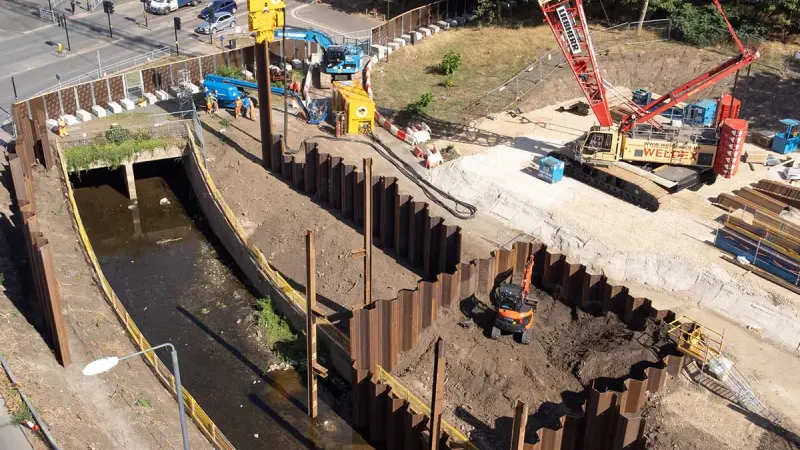
The three main types of piling are driven, sheet, and bored piles. Sheet piles interlock, driven piles are hammered, and bored piles are cast-in-place. Each has unique advantages for specific conditions.
Comparison of Piling Types
| Pile Type | Method | Use | Pros | Cons |
|---|---|---|---|---|
| Sheet Pile | Driven with interlock | Retaining walls, flood control | Quick, reusable, modular | Limited depth, cost |
| Driven Pile | Hammered steel/concrete | Foundations | Strong, deep reach | Noise, vibration |
| Bored Pile | Excavated & cast | Bridges, high load | High load capacity, minimal vibration | Slow, costly |
I have supplied sheet piles for all three piling applications, but interlocking sheet piles were preferred for riverbank and port projects due to modularity and water control. Choosing the right type avoids delays and ensures structural reliability.
Conclusion
Sheet pile interlocks are critical for structural stability, water control, and soil retention. Choosing the right type, material, and installation method ensures long-term performance.