Choosing the wrong steel sheet pile profile can create safety risks, higher costs, and installation problems. Many projects fail because buyers focus only on price instead of engineering needs.
The right steel sheet pile profile depends on soil conditions, project application, load requirements, installation method, and service life. I usually recommend selecting a profile after understanding the complete project environment.
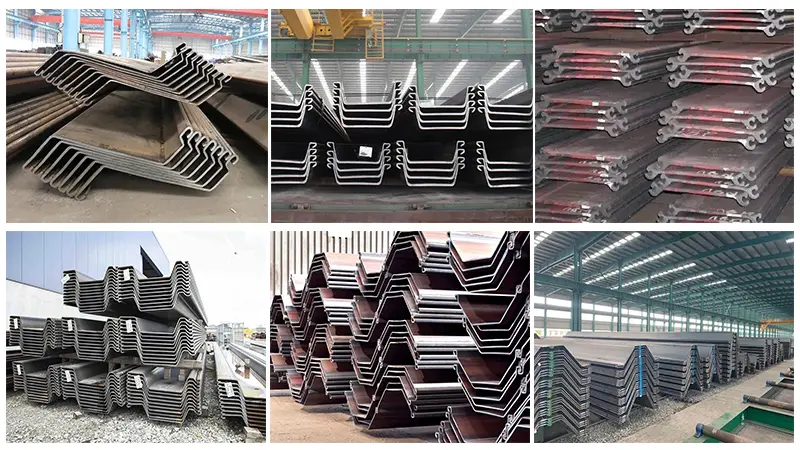
When I communicate with customers from different countries, I often find that many buyers know they need steel sheet piles but are not sure which profile is suitable.
Some customers ask for the cheapest option. Some customers choose the largest profile because they believe bigger means better.
However, steel sheet pile selection is not only about size or price.
The profile design directly affects bending resistance, interlocking performance, installation efficiency, and long-term stability.
My company supplies different types of steel sheet piles, including U-type, Z-type, Ω-shaped, flat plate type, disc type, cap type, and straight flange type sheet piles. We work with certified mills and provide OEM production, SGS inspection support, and flexible MOQ solutions for global construction companies and steel distributors.
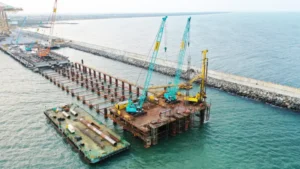
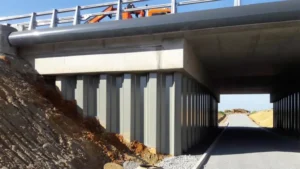
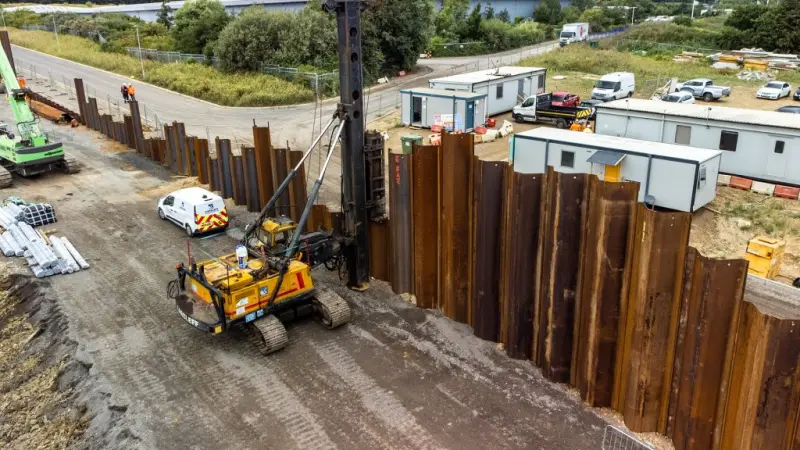
Steel sheet piles are widely used in retaining walls, deep excavation support, bridge foundations, marine construction, and river protection projects. Each application creates different engineering requirements.
For example, a riverbank protection project needs a stable structure that can resist soil erosion and water pressure. A deep excavation project near buildings needs strong lateral support to prevent ground movement.
I believe the best sheet pile solution is not always the strongest product. The best solution is the product that matches the real project conditions.
What is the difference between U-type and Z-type sheet piles?
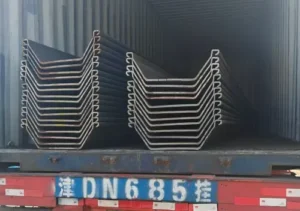
U-type and Z-type sheet piles are two of the most common steel sheet pile profiles. The main difference is their shape, structural efficiency, bending resistance, and typical applications.
U-type sheet piles have a U-shaped profile and provide a balanced combination of strength, cost efficiency, and easy installation. Z-type sheet piles have a Z-shaped profile and usually provide higher bending resistance for heavier engineering projects.
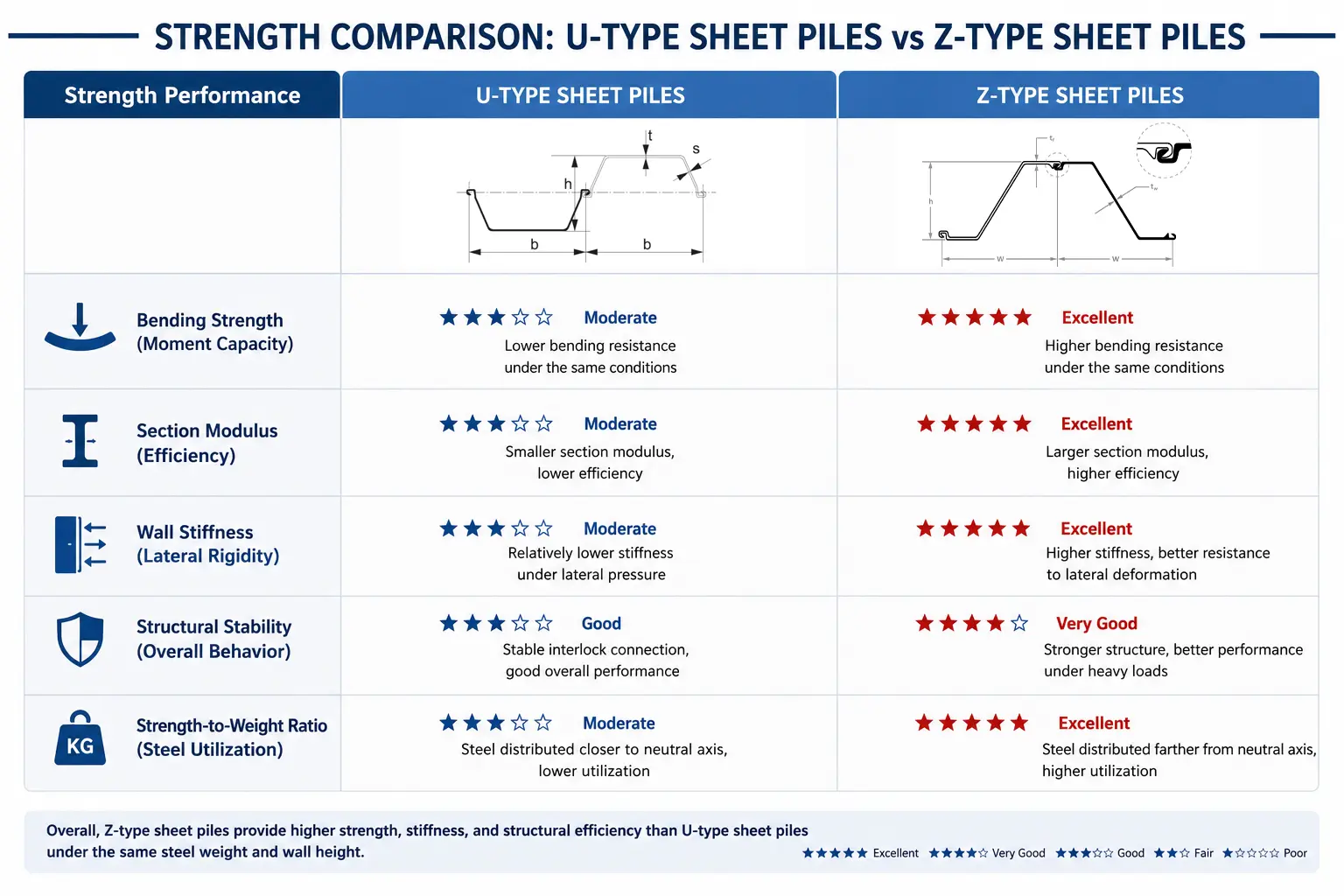
When customers ask me about U-type and Z-type sheet piles, I usually explain that both profiles have their own advantages.
Many buyers think Z-type sheet piles are always better because they usually have higher strength. However, the correct choice depends on project conditions.
U-type sheet piles are often selected for general retaining walls, river protection, and temporary excavation projects.
Z-type sheet piles are often selected for large infrastructure projects because their profile design provides better structural efficiency.
According to steel sheet pile engineering principles, profile geometry has a major influence on structural performance because the shape determines how forces are distributed through the section.
Basic Comparison Between U-Type and Z-Type Sheet Piles
| Feature | U-Type Sheet Piles | Z-Type Sheet Piles |
|---|---|---|
| Profile Shape | U-shaped | Z-shaped |
| Structural Efficiency | Good | Higher |
| Bending Resistance | Medium to high | High |
| Installation | Easier | Requires careful alignment |
| Common Applications | River protection, retaining walls | Ports, deep excavation |
| Cost Level | Usually lower | Usually higher |
The profile shape affects how the steel sheet pile reacts under pressure.
A retaining wall receives horizontal forces from soil and water. The sheet pile must transfer these forces safely into the ground.
The ability of a sheet pile to resist bending is related to its section modulus.
A higher section modulus usually means stronger bending resistance.
U-Type Steel Sheet Pile Characteristics
U-type steel sheet piles are widely used around the world because they provide good overall performance.
The U-shaped design allows the piles to connect together through interlocks and form a continuous wall.
| Advantage | Description |
|---|---|
| Balanced Design | Good relationship between strength and weight |
| Easy Installation | Suitable for many construction conditions |
| Flexible Application | Used in many civil engineering projects |
| Cost Efficiency | Good choice for budget control |
U-type sheet piles are commonly used in:
- Riverbank protection
- Flood control projects
- Temporary excavation support
- Small and medium retaining walls
- Foundation construction
In our Southeast Asia riverbank protection project, the customer selected hot rolled U-type steel sheet piles.
The project required a reliable retaining system along the riverbank. The main purpose was to prevent soil erosion and improve flood protection.
The contractor installed the sheet piles with vibratory piling equipment. The strong interlocking connection created a continuous barrier that improved stability.
This project showed me that U-type sheet piles can provide excellent performance when the profile matches the application.
Z-Type Steel Sheet Pile Characteristics
Z-type steel sheet piles are designed for projects that require higher structural performance.
The Z-shaped profile places the interlocks closer to the outer areas of the section. This design improves the distribution of material and increases bending efficiency.
| Advantage | Description |
|---|---|
| High Strength | Suitable for heavy loads |
| Efficient Profile | Better use of steel material |
| Strong Bending Resistance | Suitable for demanding projects |
Z-type sheet piles are commonly used in:
- Port construction
- Marine structures
- Large retaining walls
- Deep excavation support
For large projects, engineers often select Z-type sheet piles because the structure needs to handle higher loads.
Marine construction is a good example.
A seawall or port structure faces water pressure, wave impact, and long-term environmental forces. The retaining system needs strong performance.
Z-type sheet piles can provide the required strength while maintaining efficient material usage.
Installation Difference Between U-Type and Z-Type Sheet Piles
The installation process is another factor that buyers need to consider.
| Installation Factor | U-Type | Z-Type |
|---|---|---|
| Weight Handling | Easier | More demanding |
| Equipment Requirement | Standard equipment | Higher capacity equipment |
| Alignment Control | Simple | Requires careful control |
| Driving Performance | Good | Excellent for heavy projects |
U-type sheet piles are often easier for general contractors because they are familiar and widely available.
Z-type sheet piles may require more careful planning because their larger profiles and heavier weight can affect transportation and installation.
The contractor needs to select suitable equipment according to the project requirements.
A good product choice should consider both the sheet pile itself and the construction process.
How Do I Help Customers Choose Between U-Type and Z-Type?
When customers ask me which profile they should choose, I usually collect project information first.
I normally check:
| Project Information | Why It Matters |
|---|---|
| Application | Determines structural requirements |
| Soil Condition | Affects pressure on the wall |
| Excavation Depth | Determines required strength |
| Water Environment | Influences corrosion and stability |
| Installation Equipment | Affects profile selection |
I do not recommend products only based on price.
A cheaper profile may create problems if it cannot handle the project loads.
A stronger profile may increase costs if the project does not require that level of performance.
I believe the correct approach is to balance safety, efficiency, and cost.
The right steel sheet pile profile helps contractors complete projects more smoothly and helps owners achieve better long-term value.
What are the key factors to consider when selecting the appropriate type of pile for a project?
Selecting the correct steel sheet pile type requires a complete understanding of the project conditions. Engineers need to consider soil conditions, loading requirements, installation methods, environmental factors, and expected service life before making a decision.
The right sheet pile profile should provide enough strength, reliable performance, and reasonable cost for the specific application.
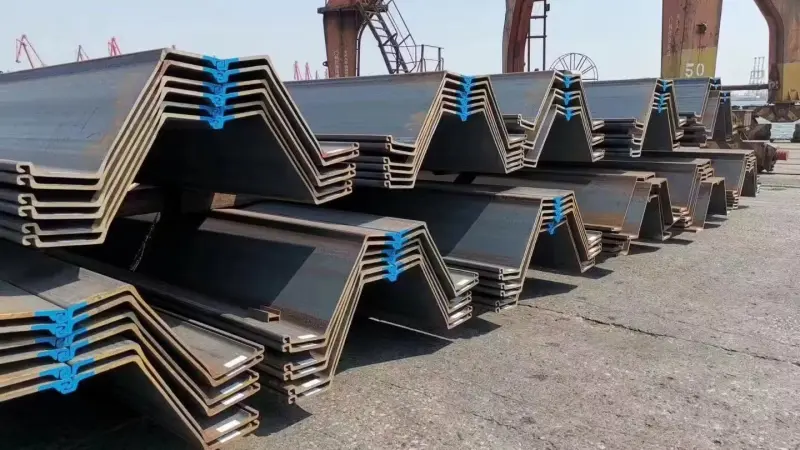
When I help customers select steel sheet piles, I always explain that the product choice should start from the project requirements, not from the product catalog.
Many buyers send only a simple request, such as “I need 12-meter sheet piles” or “I need Z-type sheet piles.” However, length and profile alone cannot determine whether the product is suitable.
A professional selection process requires more information.
Steel sheet piles work as structural retaining systems. They must resist soil pressure, water pressure, construction loads, and environmental forces.
The wrong selection may cause installation difficulties, excessive deformation, or higher project costs.
According to foundation engineering principles, engineers need to evaluate ground conditions and structural requirements before choosing foundation support systems.
I believe a good supplier should help customers understand the relationship between product specifications and project performance.
Main Factors Affecting Steel Sheet Pile Selection
There are several important factors that I usually review with customers.
| Selection Factor | Why It Matters |
|---|---|
| Project Application | Determines the basic function of the sheet pile |
| Soil Condition | Affects pressure and stability |
| Excavation Depth | Influences required strength |
| Water Condition | Creates additional loads and corrosion risks |
| Load Requirements | Determines section performance |
| Installation Method | Affects profile and equipment choice |
| Service Life | Influences material selection |
Each factor affects the final product decision.
A sheet pile used for a temporary excavation does not need the same specification as a permanent marine structure.
A riverbank protection project does not face the same forces as an underground construction project.
The engineer needs to understand the complete working environment before selecting the profile.
1. Project Application and Engineering Purpose
The first question I usually ask customers is:
“What is the sheet pile being used for?”
The application determines the basic requirements.
| Application | Common Sheet Pile Choice |
|---|---|
| Riverbank Protection | U-Type Sheet Piles |
| Flood Control | U-Type or Z-Type |
| Deep Excavation | Z-Type Sheet Piles |
| Port Construction | Heavy Z-Type Sheet Piles |
| Temporary Retaining Wall | Medium U-Type Sheet Piles |
Different applications create different loading conditions.
For example, riverbank protection requires resistance against soil erosion and water movement.
The sheet pile wall must maintain stability while facing continuous water pressure.
In our Southeast Asia riverbank protection project, the contractor used hot rolled U-type steel sheet piles.
The sheet piles were driven into the soil to create a continuous retaining barrier.
The interlocking system helped improve connection strength between individual sections.
The project used vibratory piling equipment, which allowed the contractor to complete installation efficiently.
This experience showed me that choosing the right profile based on application can directly improve project results.
2. Soil Conditions and Ground Stability
Soil conditions are one of the most important factors in sheet pile selection.
Different soils create different levels of pressure on the retaining wall.
| Soil Type | Impact on Sheet Pile Design |
|---|---|
| Soft Clay | Requires consideration of movement and stability |
| Sand | Creates different lateral pressure conditions |
| Gravel | May increase installation resistance |
| Mixed Soil | Requires detailed evaluation |
Engineers usually review soil investigation reports before selecting sheet piles.
The soil report provides information about:
- Soil layers
- Groundwater level
- Soil strength
- Soil density
- Potential settlement
The sheet pile must have enough structural capacity to resist the expected forces.
For projects with weak soil conditions, engineers may require stronger profiles with higher bending resistance.
A stronger profile helps reduce deformation and improves wall stability.
I often recommend that customers provide soil information before ordering because this information helps avoid incorrect product selection.
3. Excavation Depth and Retaining Height
Excavation depth directly affects the pressure applied to sheet piles.
A deeper excavation usually creates higher lateral forces.
| Excavation Depth | Typical Requirement |
|---|---|
| Small Excavation | Medium-strength sheet piles |
| Medium Excavation | Higher section performance |
| Deep Excavation | Heavy-duty sheet piles |
For deep excavation projects, engineers often choose Z-type sheet piles because they provide efficient structural performance.
The retaining wall must control soil movement and protect nearby structures.
For example, an excavation project near buildings requires careful design.
The sheet pile system must prevent ground movement that could affect surrounding foundations.
The selection process usually includes:
- Wall height calculation
- Load analysis
- Structural checking
- Installation planning
The product selection cannot be separated from engineering analysis.
4. Water Environment and Corrosion Conditions
Water conditions also influence sheet pile selection.
Projects near water usually face additional challenges.
These include:
- Water pressure
- Wave impact
- Corrosion
- Long-term exposure
Marine construction projects usually require stronger protection because seawater contains salt that can accelerate corrosion.
For these applications, engineers may consider:
| Factor | Solution |
|---|---|
| Corrosion Risk | Select suitable steel grade or coating |
| Water Pressure | Choose stronger profile |
| Long Service Life | Increase durability requirements |
Steel sheet piles used in ports, seawalls, and coastal structures often require higher performance.
My company supplies steel sheet piles for customers in regions including the United Arab Emirates, Saudi Arabia, Bahrain, Kuwait, Pakistan, Australia, Africa, and other markets.
Different regions have different environmental conditions.
A supplier needs to understand these differences before recommending products.
5. Steel Grade and Material Quality
The steel grade also affects sheet pile performance.
A stronger steel grade can improve load capacity and durability.
| Material Factor | Influence |
|---|---|
| Yield Strength | Determines load resistance |
| Chemical Composition | Affects durability |
| Manufacturing Quality | Influences consistency |
Customers often request products according to international standards.
Common standards include:
- EN 10248 hot rolled steel sheet piles
- ASTM structural steel standards
- JIS steel product standards
Using products that meet recognized standards helps improve project reliability.
I work with certified mills to provide stable product quality.
I also support SGS inspection services when customers need third-party quality verification.
6. Installation Method and Equipment
The installation method also affects sheet pile selection.
Common installation methods include:
- Vibratory hammer installation
- Impact driving
- Press-in installation
Different profiles may require different equipment.
| Installation Method | Suitable Condition |
|---|---|
| Vibratory Hammer | Common construction projects |
| Impact Driving | Hard soil conditions |
| Press-in Method | Sensitive urban areas |
In our riverbank protection project, the contractor used vibratory piling equipment.
The equipment selection matched the U-type sheet pile requirements.
The installation process was completed efficiently and helped maintain the project schedule.
This experience confirmed that product selection and installation planning must work together.
7. Budget and Long-Term Value
Cost is always an important factor.
However, I believe customers should consider total project value instead of only initial purchase price.
| Cost Factor | Consideration |
|---|---|
| Material Cost | Initial investment |
| Transportation Cost | Depends on weight and length |
| Installation Cost | Depends on equipment and labor |
| Maintenance Cost | Depends on service life |
A cheaper sheet pile may create additional costs if it causes installation problems or requires replacement.
A properly selected product can reduce risks and improve project efficiency.
My advice is to compare performance, not only price.
The best sheet pile solution should provide reliable strength while keeping the project economically reasonable.
My Selection Approach for Customers
When customers contact me, I usually follow a simple process:
- I understand the project application.
- I review soil and environmental conditions.
- I check required strength and dimensions.
- I recommend suitable sheet pile profiles.
- I support production and inspection arrangements.
I believe professional support is valuable because steel sheet piles are not ordinary steel products.
They are important structural components in civil engineering projects.
The correct selection can influence the safety, efficiency, and success of the entire project.
What are the key differences between Type 2 and Type 4 sheet piles?
Type 2 and Type 4 sheet piles are two common classifications used by engineers and contractors when selecting steel sheet pile profiles. The main difference between them is their structural capacity, profile dimensions, weight, and ability to resist bending forces.
Type 4 sheet piles generally provide higher strength than Type 2 sheet piles because they have larger cross-sectional properties and higher section modulus.

When I communicate with international customers, I often find that many buyers understand sheet pile profiles but do not fully understand the difference between Type 2 and Type 4.
Some customers believe Type 4 is always the better choice. However, I explain that the best choice depends on the actual project requirements.
A temporary construction project may not need a heavy Type 4 profile.
A deep excavation project, marine structure, or permanent retaining wall may require the higher strength provided by Type 4 sheet piles.
The selection should always balance structural safety and project cost.
The main purpose of a steel sheet pile is to create a stable retaining system. The pile must resist lateral forces from soil, groundwater, and external loads.
The profile dimensions directly affect how the pile performs under these forces.
Basic Comparison Between Type 2 and Type 4 Sheet Piles
| Item | Type 2 Sheet Pile | Type 4 Sheet Pile |
|---|---|---|
| Profile Size | Smaller | Larger |
| Steel Weight | Lower | Higher |
| Section Modulus | Moderate | Higher |
| Bending Resistance | Medium | Strong |
| Material Usage | Less | More |
| Installation Equipment | Standard | Higher capacity equipment |
| Typical Application | Light to medium projects | Heavy engineering projects |
Type 2 sheet piles are often selected when the project requires a practical and economical solution.
Type 4 sheet piles are selected when the structure needs higher resistance against large forces.
The difference becomes more important as the retaining height increases.
A higher retaining wall creates greater pressure on the sheet pile system.
The engineer needs to choose a profile that can safely handle these forces.
Understanding Section Properties
The structural performance of a steel sheet pile depends on several important properties.
The most important values include:
| Parameter | Function |
|---|---|
| Section Modulus | Measures bending resistance |
| Moment of Inertia | Measures resistance to deformation |
| Thickness | Influences strength and durability |
| Steel Grade | Determines material capacity |
The section modulus is especially important because it helps engineers evaluate bending performance.
A higher section modulus usually means the sheet pile can resist greater bending moments.
For retaining walls, the sheet pile receives horizontal pressure from the soil.
The pile transfers this pressure through the structure and into the ground.
If the section capacity is too low, the wall may experience excessive movement.
If the section capacity is much higher than necessary, the project may spend more money on unnecessary material.
I usually tell customers that choosing the strongest available sheet pile is not always the most professional solution.
The correct solution is the one that matches the engineering design.
Type 2 Sheet Pile Applications
Type 2 sheet piles are commonly used for projects with moderate structural requirements.
They provide reliable performance while keeping material costs under control.
| Application | Why Type 2 Is Suitable |
|---|---|
| Temporary Excavation Support | Provides practical protection during construction |
| Small Retaining Walls | Meets moderate load requirements |
| Riverbank Protection | Suitable for many water control projects |
| Temporary Cofferdams | Provides efficient installation |
Type 2 sheet piles are popular because contractors can install them with common equipment.
They are easier to handle because of their lighter weight compared with larger profiles.
For projects where the retaining height is limited, Type 2 can provide enough structural performance.
Many contractors prefer this option because it helps control transportation and installation costs.
However, engineers still need to check soil pressure and project conditions before selection.
A lower-cost profile is only suitable when it meets the required safety level.
Type 4 Sheet Pile Applications
Type 4 sheet piles are designed for more demanding engineering conditions.
They are commonly used where higher structural resistance is required.
| Application | Why Type 4 Is Suitable |
|---|---|
| Deep Excavation | Handles higher lateral soil pressure |
| Marine Construction | Resists water and environmental forces |
| Bridge Foundation | Supports complex loading conditions |
| Permanent Retaining Walls | Provides long-term stability |
Large infrastructure projects often require stronger sheet pile systems.
For example, port construction creates continuous pressure from water, waves, and soil movement.
The retaining structure must maintain performance for many years.
In these situations, Type 4 sheet piles can provide better structural reliability.
I have worked with customers who initially selected lighter profiles because of cost concerns.
After reviewing their project requirements, they changed to stronger profiles because the long-term benefits were higher.
This experience taught me that engineering suitability should always come before short-term price savings.
Difference in Weight and Installation
The weight difference between Type 2 and Type 4 sheet piles affects transportation and installation.
| Factor | Type 2 | Type 4 |
|---|---|---|
| Transportation | Easier | Requires more planning |
| Handling | Simpler | Needs stronger lifting equipment |
| Driving Equipment | Standard | Higher capacity equipment |
A heavier profile usually requires more powerful equipment.
The contractor needs to check whether the available machinery can install the selected sheet pile.
The installation method also affects project schedule.
If the equipment is not suitable, the project may experience delays.
I always recommend customers confirm installation conditions before finalizing the purchase.
A good sheet pile solution includes both the product specification and the construction plan.
How Do I Recommend Type 2 or Type 4 Sheet Piles?
When customers ask me which type they should select, I usually check several questions.
| Question | Purpose |
|---|---|
| What is the retaining height? | Understand load conditions |
| What soil type exists? | Estimate pressure |
| Is water involved? | Check environmental forces |
| Is the project temporary or permanent? | Select suitable strength |
| What equipment is available? | Confirm installation method |
I use this information to recommend the suitable profile.
I do not simply recommend Type 4 because it is stronger.
A professional supplier should help customers avoid both under-design and over-design.
What is the relationship between Type 2, Type 4, and Steel Sheet Pile Standards?
Different countries and regions may use different naming systems for sheet pile profiles.
Some customers use Type 2 and Type 4 based on traditional market classifications.
Other customers select products according to international standards such as EN 10248 steel sheet pile standards.
The actual engineering properties are more important than the name.
| Selection Method | Main Consideration |
|---|---|
| Type Classification | Traditional profile comparison |
| International Standard | Material and dimension requirements |
| Engineering Calculation | Actual project performance |
I believe customers should always compare technical data instead of comparing names only.
Two products with similar names may have different performance depending on the manufacturer and standard.
My Experience in Steel Sheet Pile Selection
During my cooperation with global customers, I have noticed that successful projects usually start with detailed communication.
Customers who provide complete project information usually receive better product recommendations.
They share:
- Project drawings
- Soil conditions
- Required length
- Installation method
- Expected service life
This information allows me to recommend suitable U-type, Z-type, Type 2, or Type 4 sheet piles.
My company works with contractors, engineering companies, and steel distributors from different markets.
I provide product support from specification confirmation to production and inspection.
I believe steel sheet pile supply is not only about delivering steel.
It is about helping customers find a safe and practical solution for their construction needs.
The correct profile selection can reduce construction risks and improve the long-term performance of the project.
What are some basic rules of thumb for sheet piling?
Steel sheet pile selection and installation require professional engineering analysis. However, some basic rules can help contractors and buyers understand the initial requirements before starting a project.
The main rules include selecting the correct profile, checking soil conditions, considering installation methods, evaluating corrosion risks, and choosing sufficient structural capacity.
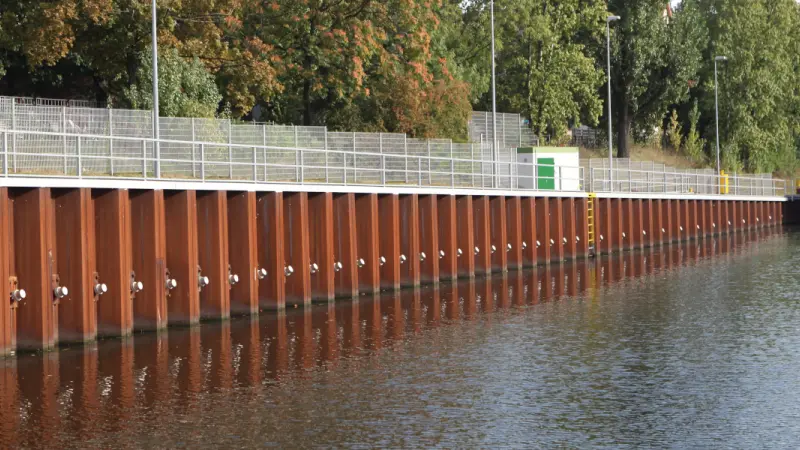
When I work with customers, I often explain that steel sheet piling is not only a material purchase. It is a complete engineering solution.
Many customers focus on the product length, thickness, or price first. These factors are important, but they are not the only factors that determine project success.
A steel sheet pile wall must work together with soil conditions, groundwater conditions, structural loads, and construction equipment.
A suitable sheet pile profile can improve installation efficiency and reduce project risks.
An unsuitable profile can create problems such as excessive wall movement, difficult driving conditions, or higher construction costs.
According to geotechnical engineering principles, retaining structures need to consider soil behavior, external loads, and groundwater conditions during design.
I believe the following basic rules can help buyers make better decisions before purchasing steel sheet piles.
Rule 1: Always Select Sheet Piles Based on Project Requirements
The first rule is simple:
Do not select steel sheet piles only based on price.
The correct profile should match the actual engineering requirements.
| Project Condition | Recommended Consideration |
|---|---|
| Small Retaining Wall | Medium-strength profile |
| Deep Excavation | Higher section modulus profile |
| Marine Structure | Strong and durable profile |
| Temporary Project | Cost-efficient solution |
Each project has different requirements.
For example, a temporary excavation support system may only need short-term stability.
A permanent seawall needs long-term performance against water pressure and corrosion.
The same steel sheet pile profile cannot be suitable for every project.
I usually ask customers several questions before recommending products:
- What is the application?
- How deep is the installation?
- What soil conditions exist?
- Is water involved?
- How long will the structure be used?
These questions help identify the correct solution.
Rule 2: Choose the Right Sheet Pile Profile
The profile shape directly affects structural performance.
The most common profiles include:
| Profile Type | Main Characteristics |
|---|---|
| U-Type Sheet Pile | Balanced performance and easy installation |
| Z-Type Sheet Pile | Higher bending efficiency |
| Straight Web Sheet Pile | Strong connection performance |
| Omega Sheet Pile | Special project applications |
U-type sheet piles are commonly used for general retaining walls and flood control projects.
Z-type sheet piles are often selected for larger projects because their shape provides efficient use of steel material.
The selection between U-type and Z-type depends on:
- Required strength
- Installation conditions
- Budget
- Project design
I often recommend customers compare technical data instead of choosing based only on appearance.
A larger-looking sheet pile does not always mean it is the most suitable option.
The correct profile is the one that provides enough strength with reasonable cost.
Rule 3: Consider Section Modulus and Bending Resistance
The third rule is to check structural performance.
Steel sheet piles work under bending forces.
The soil pushes against the wall, and the sheet pile must resist this pressure.
Important technical values include:
| Technical Value | Purpose |
|---|---|
| Section Modulus | Measures bending capacity |
| Moment of Inertia | Measures deformation resistance |
| Yield Strength | Shows material strength |
| Thickness | Influences durability |
The bending resistance of a sheet pile depends greatly on its section properties.
A higher section modulus usually provides better performance under lateral loads.
For example, a deep excavation project usually requires stronger profiles because the soil pressure increases with depth.
The engineer may select a Z-type sheet pile with higher section properties to maintain wall stability.
I always suggest customers review engineering data before confirming orders.
The technical parameters provide a clearer understanding of product performance.
Rule 4: Check Installation Conditions Before Purchase
The installation method is another important factor.
A sheet pile may have excellent structural properties, but the project can still face problems if the installation equipment is not suitable.
Common installation methods include:
| Method | Application |
|---|---|
| Vibratory Hammer | Common construction projects |
| Impact Hammer | Hard soil conditions |
| Press-in Installation | Sensitive urban areas |
The contractor should consider:
- Available equipment
- Soil hardness
- Installation depth
- Working environment
In our Southeast Asia riverbank protection project, the contractor used vibratory piling equipment for hot rolled U-type steel sheet piles.
The equipment matched the sheet pile specification.
The installation process was completed efficiently.
The strong interlocking system helped create a stable retaining wall along the riverbank.
This project showed me that the best product choice must also consider construction methods.
Rule 5: Consider Corrosion Protection and Service Life
Steel sheet piles often work in challenging environments.
Water, salt, and chemicals can affect steel durability.
| Environment | Main Risk |
|---|---|
| River Area | Water exposure |
| Coastal Area | Salt corrosion |
| Industrial Area | Chemical influence |
| Underground Structure | Long-term moisture |
For projects requiring long service life, customers may consider:
- Higher-quality steel grades
- Protective coatings
- Corrosion allowance
- Regular maintenance plans
My company supplies steel sheet piles for customers in different regions, including the Middle East, Southeast Asia, Australia, Africa, and North America.
Each region has different environmental conditions.
A professional supplier needs to understand these differences.
Rule 6: Balance Strength and Cost
Many buyers want the strongest product at the lowest price.
However, this is not always realistic.
The goal should be the best value solution.
| Option | Result |
|---|---|
| Too Weak Profile | Higher safety risks |
| Too Strong Profile | Higher unnecessary cost |
| Correct Profile | Balanced performance and cost |
I believe the correct steel sheet pile selection can save money during the entire project.
A suitable profile can reduce installation problems, reduce material waste, and improve construction efficiency.
Rule 7: Work With an Experienced Supplier
Steel sheet piles are engineering products.
A reliable supplier should provide more than product prices.
A professional supplier should support:
| Service | Benefit |
|---|---|
| Technical Recommendation | Helps choose suitable profile |
| Quality Inspection | Ensures stable products |
| Customized Production | Meets project requirements |
| Delivery Support | Reduces project delays |
My company works with certified mills and provides OEM solutions, SGS inspection support, and flexible MOQ options.
I cooperate with contractors, civil engineering companies, and steel distributors who need stable supply and reliable quality.
I believe communication is one of the most important parts of successful steel sheet pile projects.
My Insight: How I Help Customers Choose Better Steel Sheet Pile Solutions
After working with international customers for many years, I have learned that many project problems happen because the product selection stage is not detailed enough.
Some buyers only compare prices from different suppliers.
However, steel sheet piles are structural products. The wrong choice can affect the entire project.
My suggestion is simple.
Customers should share project details early.
When I understand the application, soil conditions, required strength, and installation method, I can provide a more suitable recommendation.
I do not believe the most expensive product is always the best choice.
I believe the best product is the one that matches the project needs.
A good steel sheet pile supplier should help customers reduce risks and improve project efficiency.
Conclusion
Choosing the right steel sheet pile profile requires understanding project conditions, structural needs, and installation requirements. The correct choice improves safety and efficiency.