Misalignment during sheet piling can ruin an entire project. I often see small errors turn into major structural problems fast.
Sheet pile misalignment is controlled by strict setting-out, guide frames, correct driving sequence, and continuous monitoring. Tolerance depends on project standards but is usually within tight millimeter limits.

Misalignment looks small at the start, but I see it become a serious structural issue during driving. I focus on practical control methods and real site behavior.
What is the tolerance for pile alignment?
Small alignment errors often grow during driving. I see many projects fail because tolerance rules were ignored at the start.
Pile alignment tolerance is usually around 1/200 to 1/300 of pile length, or a few centimeters at the top. Exact limits depend on design codes, project type, and structural requirements. For construction tolerance standards, see ACI Construction Tolerances [web:165].
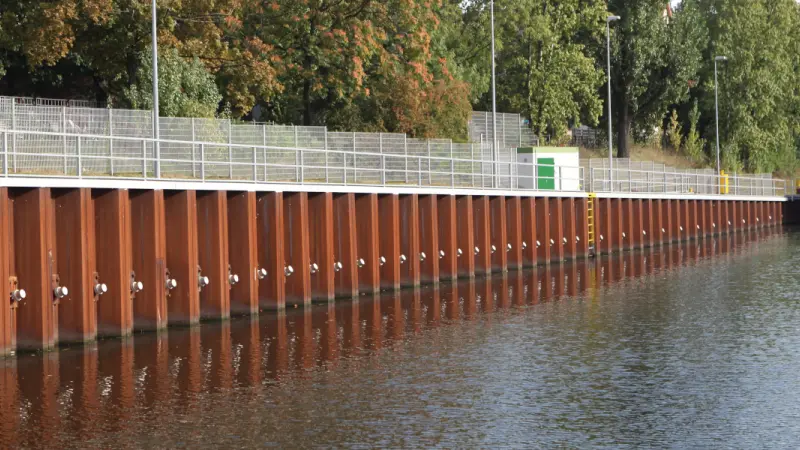
I always treat alignment tolerance as a critical control factor, not a guideline. Once a pile starts leaning, correction becomes expensive and sometimes impossible.
1. What tolerance means in real work
I define tolerance as the allowed deviation from vertical or designed position. Engineers set limits based on safety and load transfer requirements.
2. Factors affecting tolerance
| Factor | Effect on alignment |
|---|---|
| Soil condition | Soft soil increases deviation |
| Equipment | Poor guides reduce accuracy |
| Operator skill | Direct impact on alignment |
| Driving speed | Faster driving increases risk |
3. My field observation
I see tighter tolerance required in urban projects. In bridge or port works, small deviations can affect long-term stability. I always recommend using guide frames in early driving stages.
What are common pile driving mistakes?
Many misalignment problems come from simple mistakes. I see these mistakes repeated across different projects.
Common pile driving mistakes include poor initial setting, lack of guide frames, incorrect hammer selection, ignoring soil conditions, and not checking verticality during driving.
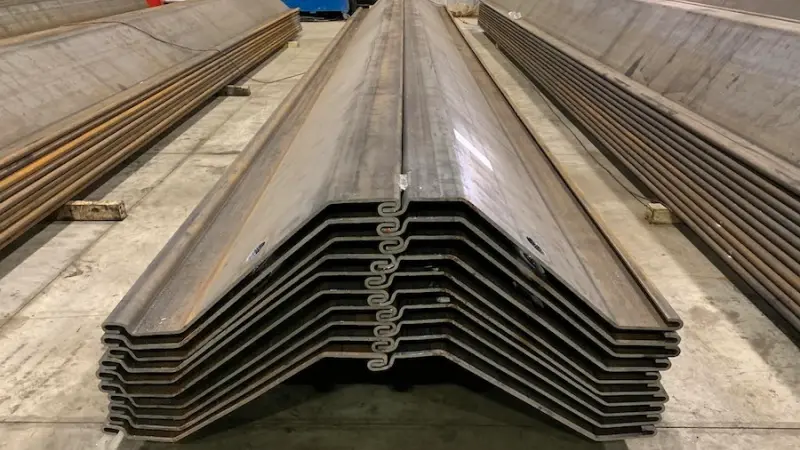
I often review failed piling works. Most issues are not technical failures. They are planning and setup failures.
1. Poor initial positioning
I see piles placed without proper marking. Once driving starts, correction becomes very hard.
2. No guide frame system
Without guides, piles drift during driving. This is one of the most common causes of misalignment.
3. Wrong equipment use
Heavy impact hammers can push piles off line. Vibratory hammers need proper control to avoid drift.
4. Ignoring real-time checks
I always check alignment after every few meters. Without checks, small errors grow fast.
5. My experience
In one urban project, lack of guide frame caused a full row of piles to shift. We had to stop and reset alignment. This increased cost and delayed progress. For pile driving equipment guidelines, see FHWA Pile Driving Guidelines .
What is the rule of thumb for pile spacing?
Pile spacing affects stability and installation accuracy. I see many projects fail because spacing was not controlled early.
A common rule of thumb is that sheet pile spacing depends on interlock design, soil movement, and structural load, but spacing is usually kept tight with minimal gaps to ensure full interlock connection.
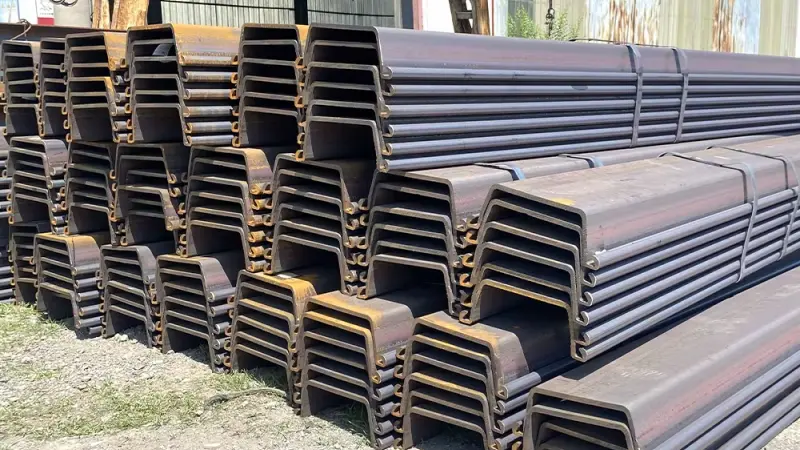
I treat spacing control as part of alignment control. Even small spacing errors can cause cumulative deviation along the wall line.
1. Why spacing matters
Correct spacing ensures proper interlock connection. If spacing is wrong, piles may twist or fail to lock.
2. Typical practice in field
| Situation | Spacing control method |
|---|---|
| Urban projects | Strict guide frame |
| Marine works | Heavy template system |
| Soft soil | Reduced driving force control |
3. My practical view
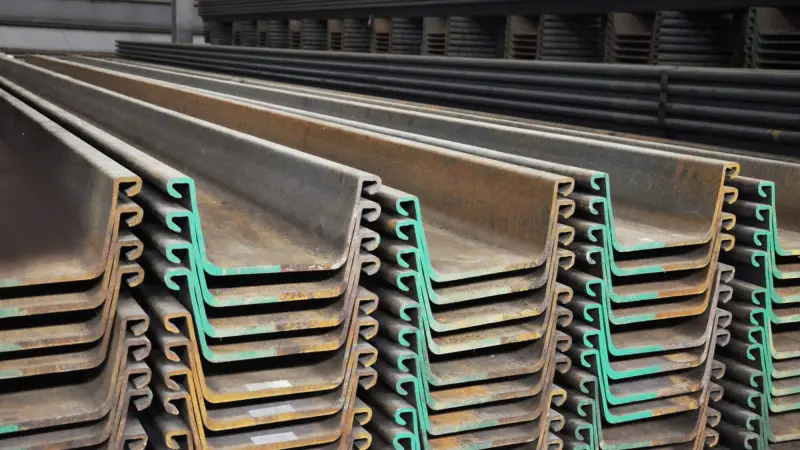
I see better results when spacing is controlled from the first pile. I always recommend starting with a strong guide system. For sheet pile products and interlock design, see ArcelorMittal Sheet Piling .
What is the deflection limit for sheet pile?
Sheet pile deflection affects long-term wall stability. I often see small bending ignored until it becomes a problem.
The deflection limit for sheet piles depends on design codes and load conditions, but it is usually controlled to prevent excessive bending that may affect structural safety and serviceability.
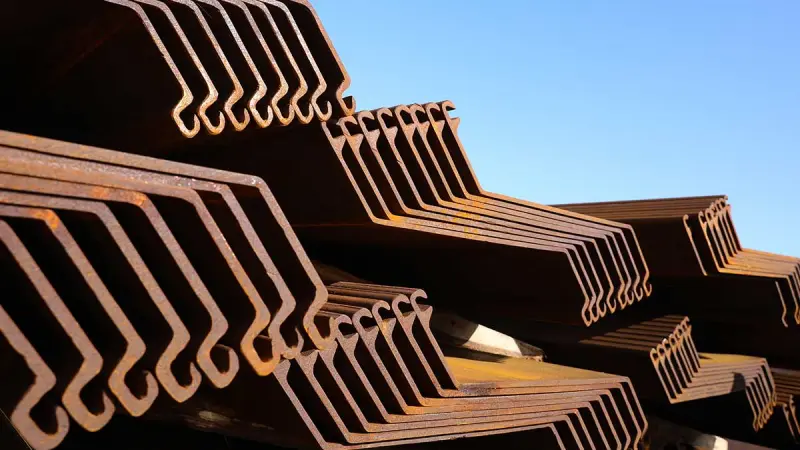
I treat deflection control as a structural safety issue. It is not only about appearance. It affects load transfer and soil pressure balance.
1. What causes deflection
I see deflection caused by uneven soil pressure, improper driving force, or weak interlock performance.
2. Design vs real site
| Aspect | Design stage | Construction stage |
|---|---|---|
| Control | Theoretical | Practical adjustments |
| Monitoring | Calculated | Real-time measurement |
3. My experience
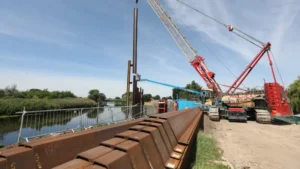
In one river protection project, uneven soil layers caused local bending. We adjusted driving sequence and reduced force. This stabilized the wall.
Conclusion
I see sheet pile misalignment as a result of control failure in setup, driving, and monitoring. Early planning and strict field control reduce most risks.