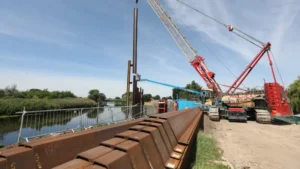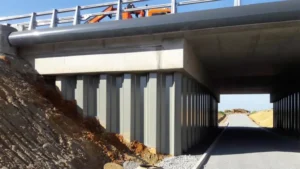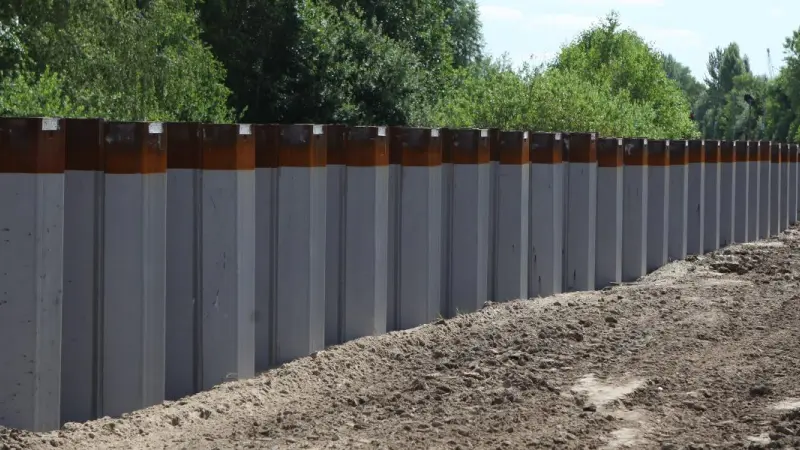
Urban construction often faces strict noise rules, space limits, and public safety concerns. If I choose the wrong installation method, the project can face delays and complaints.
Sheet piles in urban areas are usually installed using low-vibration methods such as press-in piling or silent piling systems, combined with careful planning, monitoring, and controlled installation depth to reduce disturbance to nearby structures.
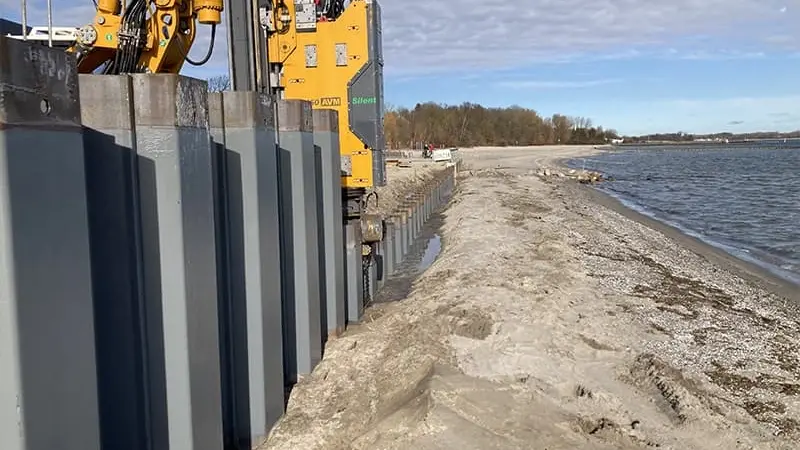
Urban projects always feel more sensitive than open-site construction. I always need to balance speed, safety, and environmental limits. In this article, I explain how I approach sheet pile installation in cities and what methods I use in real projects.
What Are the Methods of Sheet Piling Installation?
Urban sites are not simple. Space is tight. Buildings are close. Noise limits are strict. Because of this, installation methods must be selected carefully.
The main sheet piling installation methods include press-in piling, vibratory driving, impact hammer driving, and hydraulic pressing systems, each chosen based on soil type, vibration limits, and surrounding environment.
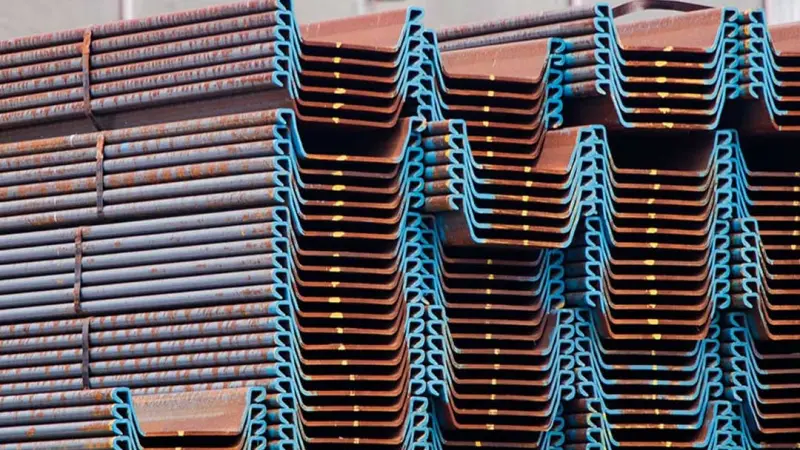
Press-In Piling Method
This is the most common method for urban work.
How it works
The machine pushes sheet piles into the ground using hydraulic force. It uses already installed piles as reaction support.
Advantages
- Very low noise
- Very low vibration
- Safe near buildings
- Good for city centers
Limitations
- Slow speed
- Higher equipment cost
For press-in piling technology and urban sheet pile installation, see ArcelorMittal Sheet Piling.
Vibratory Piling Method
This method uses vibration to reduce soil resistance.
Advantages
- Fast installation
- Efficient for loose soils
- Lower cost than press-in systems
Limitations
- Produces vibration
- Not suitable near sensitive structures
Impact Hammer Method
This method uses repeated hammer blows.
Advantages
- Works in dense soil
- High driving power
Limitations
- High noise
- Strong vibration
- Not allowed in many urban zones
Comparison Table
| Method | Noise | Vibration | Speed | Urban Suitability |
|---|---|---|---|---|
| Press-In | Very Low | Very Low | Medium | Excellent |
| Vibratory | Medium | Medium | Fast | Moderate |
| Impact Hammer | High | High | Medium | Poor |
My View
I always choose the method based on surroundings first. I never start from cost. In city projects, complaints can stop work immediately. So I prefer press-in systems when buildings are close.
For open urban edges like riverbanks or transport corridors, I sometimes use vibratory methods if vibration limits allow it.
How Deep Do Sheet Piles Need to Go?
Depth is one of the most important design questions. If depth is wrong, the whole structure can fail.
Sheet piles must be driven deep enough to reach a stable soil layer and resist overturning, sliding, and water pressure, with embedment depth often ranging from 30% to 70% of total pile length depending on soil and load conditions.
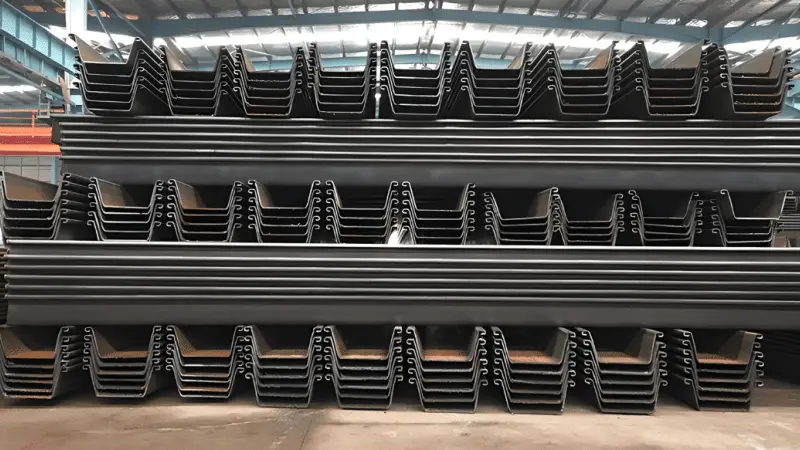
Key Factors That Control Depth
Soil Type
- Soft clay needs deeper embedment
- Dense sand may require less depth
- Mixed soil needs careful design
Water Pressure
Higher groundwater levels increase required depth.
Wall Height
Higher retaining walls need deeper embedment.
Rule of Thumb
Engineers often use simple ratios in early design:
| Condition | Embedment Ratio |
|---|---|
| Temporary wall | 30%–40% |
| Permanent wall | 40%–70% |
| High water pressure | 60%+ |
Urban Constraints
In cities, underground utilities can limit depth.
- Gas lines
- Sewer systems
- Electrical ducts
I always check utility maps before finalizing depth. For geotechnical investigation guidance, see ASTM Soil Investigation Standards.
My View
I believe depth is not only a calculation. It is also a field decision. Soil reports give guidance, but real driving conditions often change the plan.
In one city project I worked on, we had to adjust pile depth after hitting a stiff gravel layer. The design was updated on site to maintain stability without delaying the project.
What Are the Disadvantages of Using Sheet Piles?
Sheet piles are widely used, but they are not perfect. Every system has limits.
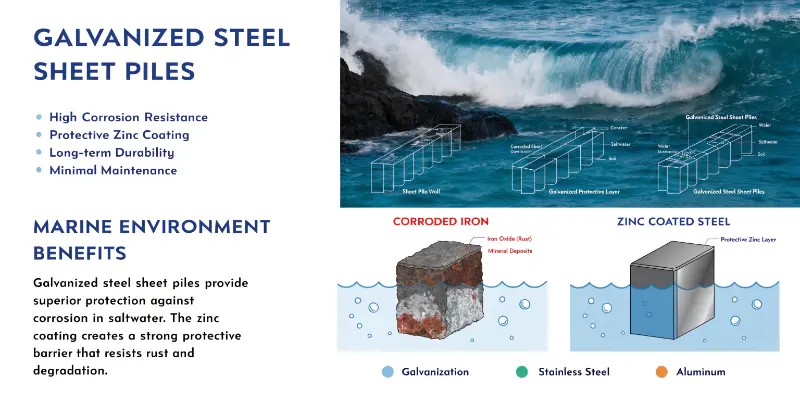
The main disadvantages of sheet piles include noise and vibration during installation, corrosion risk in aggressive environments, limited load-bearing capacity compared to deep foundations, and potential installation difficulty in hard soils or rock.
Noise and Vibration
Urban areas often restrict sheet pile driving because of:
- Noise complaints
- Structural vibration risks
- Regulatory limits
For vibration and noise control in construction, see FHWA Construction Guidelines.
Corrosion Issues
Steel sheet piles can corrode in:
- Marine environments
- Acidic soils
- Industrial zones
Protective coatings or cathodic protection may be needed. For corrosion protection in marine environments, see USACE Coastal Engineering Manual.
Structural Limitations
Sheet piles are mainly retaining structures.
They are not designed for:
- Heavy vertical loads
- High-rise building foundations
Installation Challenges
Hard soil and rock layers can cause:
- Refusal
- Misalignment
- Equipment damage
My View
I always explain limitations before recommending sheet piles. I think this builds trust with clients. Sheet piles are very effective, but only when used in the right conditions.
For urban excavation, they are often the fastest and most practical solution. But for deep load-bearing foundations, other systems are better. For soil retention systems, see Cement Association Soil Retention.
Do Sheet Piles Need a Capping Beam?
This is a common question in both temporary and permanent works.
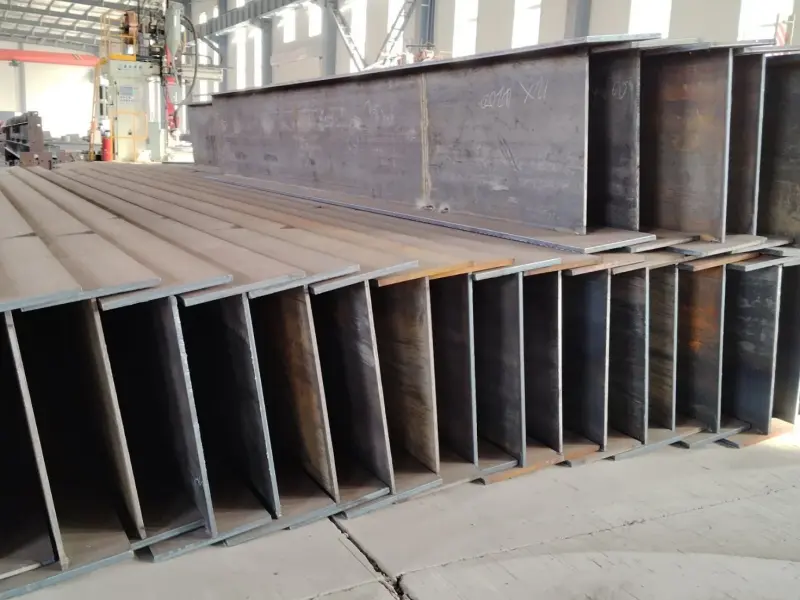
Sheet piles usually require a capping beam when they are part of a permanent or high-load retaining structure to distribute loads evenly, improve stability, and protect the top of the pile wall.
What Is a Capping Beam?
A capping beam is a reinforced concrete beam placed on top of sheet piles.
Main Functions
Load Distribution
It spreads loads evenly across the wall.
Alignment Control
It keeps the top of the sheet pile wall straight.
Protection
It protects pile heads from damage and corrosion.
When It Is Required
| Project Type | Capping Beam Needed |
|---|---|
| Temporary excavation | Not always |
| Permanent retaining wall | Yes |
| Marine structures | Yes |
| Flood barriers | Yes |
Urban Projects
In city projects, I often recommend capping beams because:
- They improve structural safety
- They reduce movement over time
- They improve appearance
My View
I think many contractors underestimate the importance of the capping beam. They focus only on driving piles into the ground.
In long-term urban infrastructure, the top connection is just as important as the embedment depth. A strong capping beam improves durability and performance for decades. For construction tolerance standards, see ACI Construction Tolerances.
Conclusion
Urban sheet pile installation requires careful method selection, correct depth design, and proper structural detailing to ensure safety and performance in restricted environments.