Choosing the wrong sheet pile material can increase costs and reduce project safety. Many buyers struggle to compare steel and vinyl options correctly.
Steel sheet piles provide high structural strength and deep load resistance, while vinyl sheet piles offer lightweight corrosion resistance for lighter-duty and coastal applications.
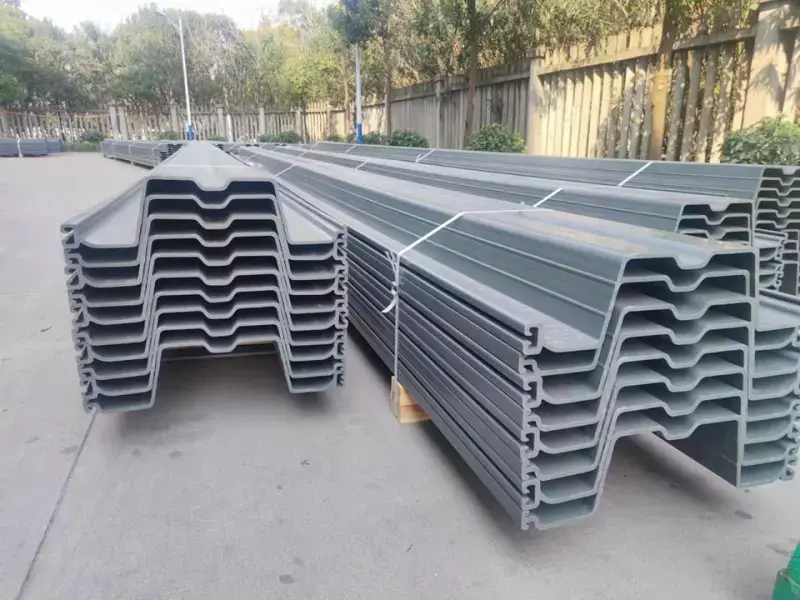
I often discuss this topic with contractors and distributors. Material selection changes installation methods, long-term durability, and total project cost more than many buyers expect.
How Do Load Capacity and Structural Strength Differ Between Steel and Vinyl Sheet Piles?
Weak retaining systems can fail under pressure. Structural strength is one of the biggest differences between steel and vinyl sheet piles.
Steel sheet piles have significantly higher load-bearing capacity and bending resistance than vinyl sheet piles, making steel suitable for heavy civil engineering and deep foundation projects.
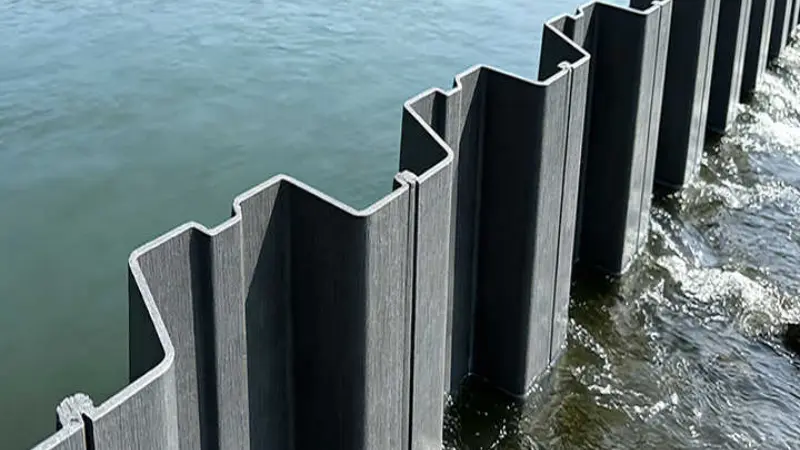
I worked on a deep excavation project where steel sheet piles handled extreme soil pressure without deformation. Vinyl piles would not have been suitable for that environment.
Structural Performance Comparison
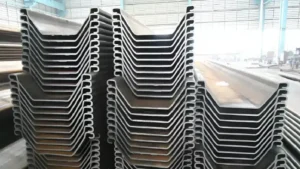
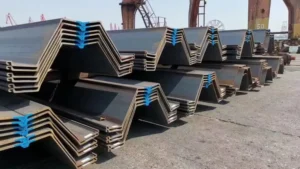
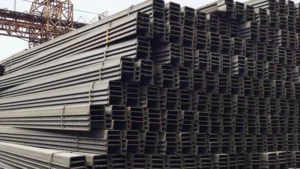
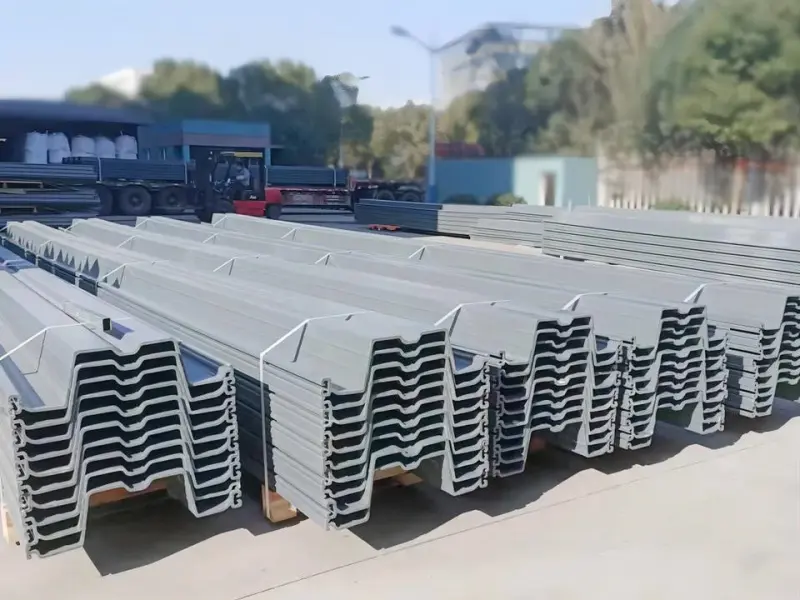
Steel sheet piles are manufactured from hot rolled or cold formed steel. They provide excellent tensile strength and lateral resistance. Engineers use them in ports, quay walls, bridge foundations, and deep excavation systems because they can withstand heavy structural loads.
Vinyl sheet piles are manufactured from PVC or composite plastic materials. These piles are lightweight and corrosion resistant. Still, they have lower bending strength and lower resistance to impact loads. Most vinyl systems are designed for lighter retaining applications.
Strength Comparison Table
| Feature | Steel Sheet Piles | Vinyl Sheet Piles |
|---|---|---|
| Tensile Strength | Very High | Low to Medium |
| Bending Resistance | Excellent | Moderate |
| Suitable Wall Height | Deep walls | Shallow walls |
| Impact Resistance | Strong | Limited |
| Heavy Equipment Support | Excellent | Poor |
Why Structural Capacity Matters
Large projects create strong lateral pressure from soil and water. Steel sheet piles maintain wall integrity under these loads. Vinyl piles may deform when exposed to excessive pressure or deep excavation conditions.
I always advise contractors to evaluate future load conditions carefully. Some projects start as light retaining systems but later face increased pressure due to nearby development or changing groundwater levels.
In my experience, steel sheet piles offer greater engineering flexibility because they can support temporary and permanent structures across many industries. Vinyl piles remain useful for lighter projects where high structural capacity is not required.
Which Environmental Conditions Are Better Suited for Steel or Vinyl Sheet Piles?
Environmental exposure affects durability and performance. Choosing the wrong material can shorten wall lifespan significantly.
Steel sheet piles perform better in high-load marine and foundation projects, while vinyl sheet piles are often preferred in corrosive coastal or low-load environments due to their natural corrosion resistance.
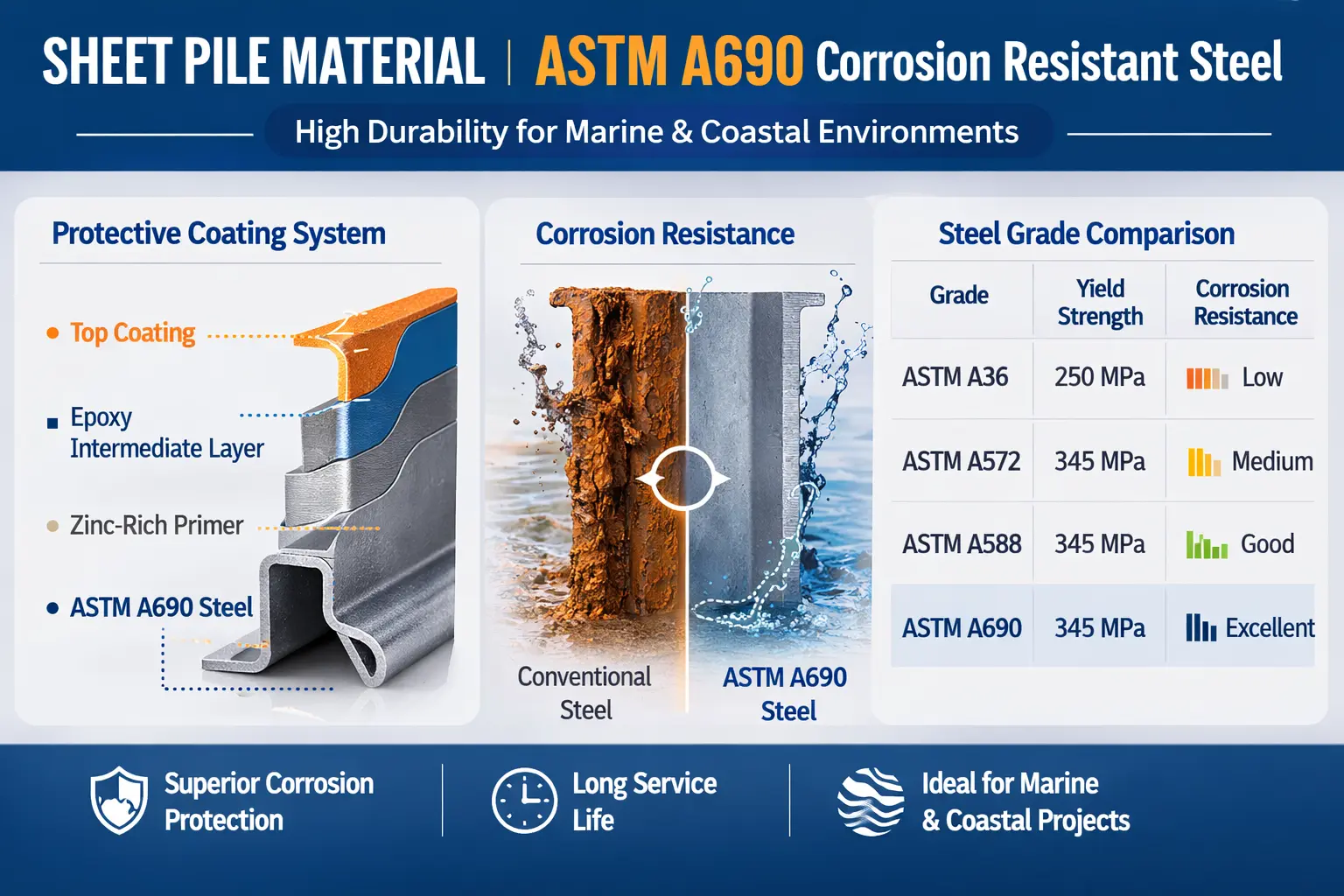
I have supplied sheet piles for both industrial ports and residential waterfront projects. Each environment required a completely different material strategy.
Marine and Industrial Environments
Steel sheet piles dominate heavy marine construction because they handle high loads, wave pressure, and vessel impact. Engineers commonly use coated or galvanized steel in seawalls, port structures, and industrial retaining systems.
Vinyl sheet piles resist saltwater corrosion naturally because they contain no metal. This makes them attractive for residential seawalls, canals, and small shoreline stabilization projects.
Environmental Suitability Table
| Environment | Steel Sheet Piles | Vinyl Sheet Piles |
|---|---|---|
| Heavy Marine Ports | Excellent | Poor |
| Residential Waterfront | Good | Excellent |
| Industrial Sites | Excellent | Limited |
| High UV Exposure | Good with coating | Can fade over time |
| Acidic Soil | Good with protection | Good |
Corrosion and Weather Resistance
Corrosion is one of the biggest concerns for steel. Protective coatings and cathodic protection systems help extend service life significantly. Many modern hot rolled steel sheet piles can last decades with proper maintenance.
Vinyl piles do not rust, but they can weaken under long-term ultraviolet exposure or temperature fluctuation. Extremely cold climates may reduce flexibility and increase cracking risk.
I believe environmental evaluation is one of the most overlooked parts of material selection. Buyers often focus only on initial cost while ignoring long-term exposure conditions. The best material is not always the cheapest at the beginning of the project.
How Do Installation Methods Change Between Steel and Vinyl Sheet Pile Systems?
Installation methods affect project speed, labor requirements, and equipment cost. Material weight changes the entire installation process.
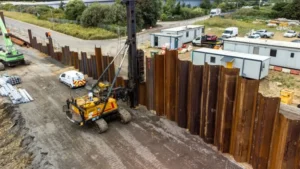
Steel sheet piles require heavy-duty driving equipment and cranes, while vinyl sheet piles are lighter and easier to install with smaller machinery in low-load environments.
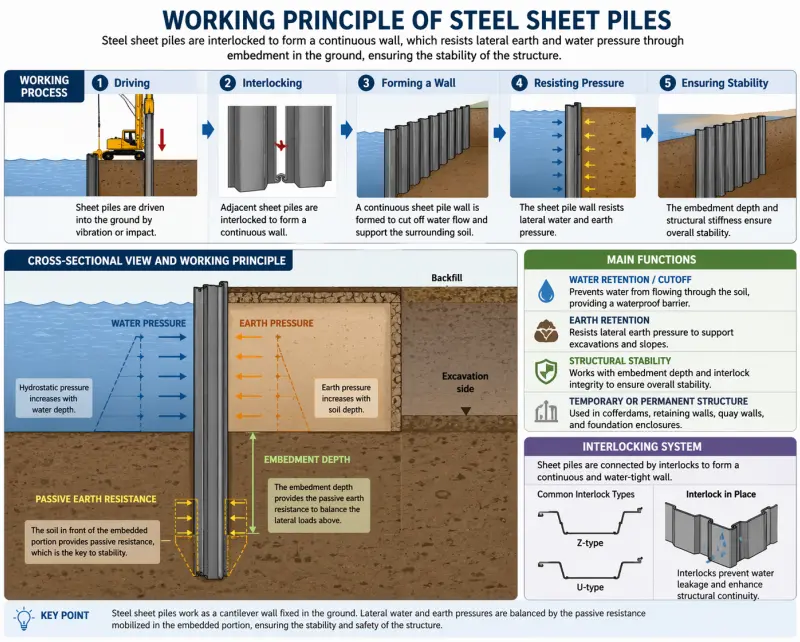
I have supervised installations using both materials. The equipment requirements and jobsite logistics were completely different.
Steel Sheet Pile Installation
Steel piles are heavy. Contractors normally use vibratory hammers, impact hammers, and cranes for installation. The interlocking system must align correctly to prevent leakage and wall misalignment.
Steel piles penetrate dense soil more effectively because of their rigidity and weight. They also perform better in deep excavation projects where driving resistance is high.
Vinyl Sheet Pile Installation
Vinyl piles are lightweight and easier to handle manually or with smaller equipment. Contractors can often install them faster in soft soil conditions. Noise and vibration are also lower during installation.
Still, vinyl piles may struggle in dense soil or rocky environments. Excessive driving force can damage the material.
Installation Comparison Table
| Installation Factor | Steel Sheet Piles | Vinyl Sheet Piles |
|---|---|---|
| Equipment Size | Large | Small to Medium |
| Installation Speed | Moderate | Fast |
| Soil Penetration | Excellent | Limited |
| Noise and Vibration | Higher | Lower |
| Labor Requirement | Higher | Lower |
Choosing the Right Installation Method
Project location also matters. Urban environments may restrict noise and vibration levels. Vinyl piles can help reduce disturbance in residential areas.
For industrial and marine projects, steel sheet piles remain the preferred option because installation reliability is more important than equipment simplicity.
I always tell clients that installation planning should begin before material selection is finalized. Many delays happen because contractors underestimate equipment needs or soil resistance conditions.
What Long-Term Maintenance Factors Should Buyers Consider for Steel and Vinyl Sheet Piles?
Maintenance costs influence the total project budget over time. Durability and inspection requirements differ greatly between materials.
Steel sheet piles require corrosion monitoring and protective maintenance, while vinyl sheet piles need less corrosion control but may require replacement if damaged by impact or UV exposure.
I have inspected retaining systems after years of service. Proper maintenance often determines whether a wall lasts ten years or fifty years.
Steel Sheet Pile Maintenance
Steel piles require periodic inspection for corrosion, coating damage, and interlock condition. Marine projects may use cathodic protection systems to slow corrosion.
Modern coatings significantly improve durability. Galvanizing and epoxy systems reduce maintenance frequency. In many industrial projects, steel piles remain operational for decades with proper care.
Vinyl Sheet Pile Maintenance
Vinyl piles resist rust naturally, which lowers maintenance requirements in wet environments. Still, they can crack under heavy impact or become brittle after long-term UV exposure. Damaged vinyl sections are difficult to repair under load conditions.
Maintenance Comparison Table
| Maintenance Factor | Steel Sheet Piles | Vinyl Sheet Piles |
|---|---|---|
| Corrosion Risk | Present | None |
| UV Resistance | High with coating | Moderate |
| Impact Durability | Excellent | Limited |
| Repair Options | Easier welding and reinforcement | Replacement often needed |
| Service Life | Very Long | Moderate to Long |
Long-Term Cost Evaluation
Some buyers assume vinyl is always cheaper because maintenance appears lower initially. Still, structural limitations may shorten service life in demanding conditions.
Steel sheet piles often deliver better long-term value for industrial and heavy civil engineering projects because they combine durability, repairability, and structural strength.
I believe maintenance planning should be included in every early project discussion. Long-term performance matters more than short-term savings in critical retaining structures.
Conclusion
Steel and vinyl sheet piles serve different purposes. Material selection should match structural loads, environmental conditions, installation requirements, and long-term maintenance goals.