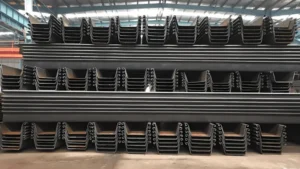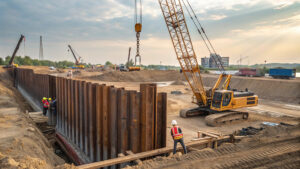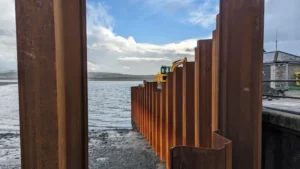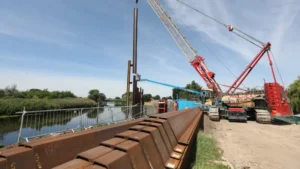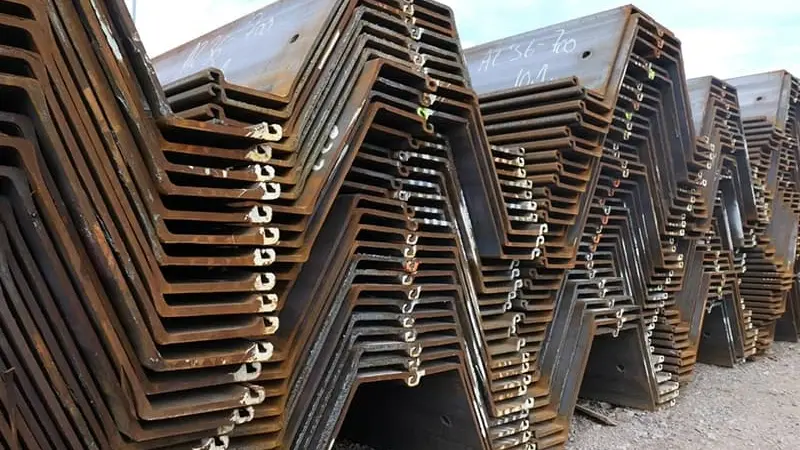
Many construction projects face soil and water challenges that can threaten safety and timelines. Sheet piling offers a reliable solution.
The purpose of sheet piling is to create a strong barrier that holds soil, controls water, and stabilizes structures. It is essential for retaining walls, deep excavations, and flood prevention.
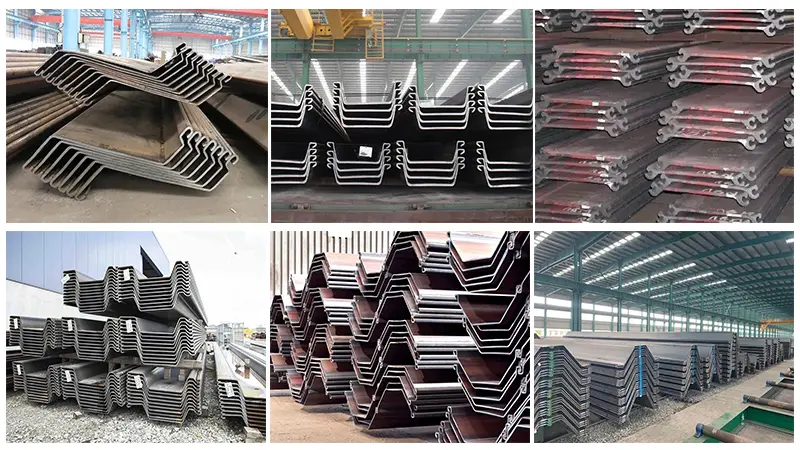
I have seen first-hand how sheet piles can transform a project site. Understanding why engineers choose them helps you plan better for safety and efficiency.
What is the purpose of a sheet pile?
Sheet piles serve as a structural shield against soil and water pressures. They secure construction zones and prevent erosion.
A sheet pile is used to retain soil, manage water, and support excavations. It acts as a continuous wall that ensures stability in challenging environments.
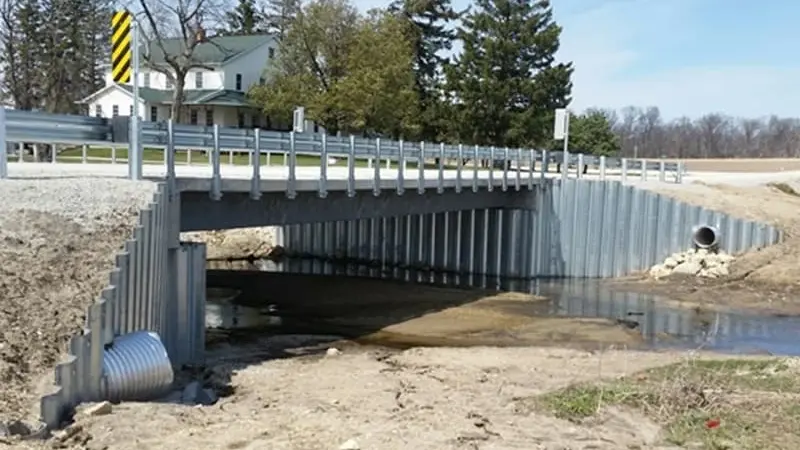
Sheet piles first impressed me on a riverbank project. The continuous barrier held soil tightly and prevented water from washing it away.
Key Roles of Sheet Piles
| Role | Description | Example |
|---|---|---|
| Soil Retention | Holds back soil to prevent collapse | Excavation sites |
| Flood Control | Stops water from entering construction zones | Riverbank protection |
| Structural Support | Adds stability to foundations | Bridge and dock projects |
Sheet piles are also reusable. I often advise clients to plan for temporary and permanent uses. Knowing the purpose helps optimize cost and efficiency.
Can sheet piles be permanent?
Not all sheet piles are temporary. Many can stay in place for decades if installed and maintained correctly.
Sheet piles can be permanent. Steel sheets with proper coating resist corrosion and continue to support structures over long periods.
I have worked on projects where sheet piles have lasted more than 20 years without replacement.
Permanent vs Temporary Use
| Use Type | Duration | Requirements |
|---|---|---|
| Permanent | 15–50+ years | Coated steel, proper installation |
| Temporary | 1–5 years | Standard steel, easy removal |
Considerations for Permanent Installation
- Corrosion protection is key, especially in marine or wet environments.
- Design must account for long-term soil pressures.
- Regular inspection ensures durability.
In my projects, I always recommend investing in quality steel and coatings when permanence is required. The upfront cost saves major repairs later.
What are the disadvantages of sheet piles?
No solution is perfect. Sheet piles have limitations that engineers must consider.
Disadvantages include cost, depth limitations, and potential corrosion. Installation requires careful planning and proper equipment.
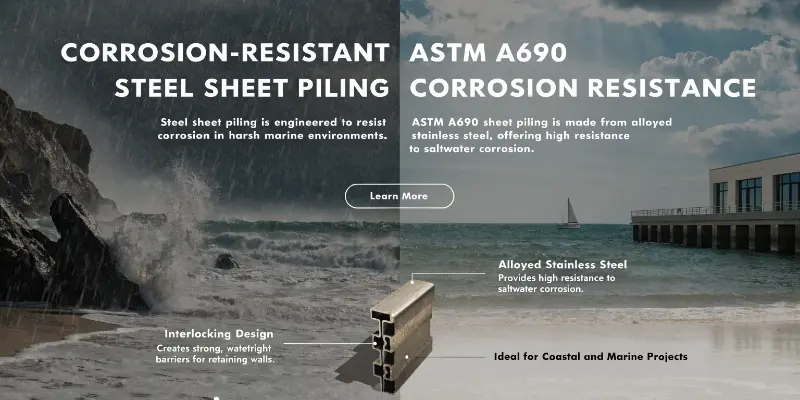
I remember a project where ignoring corrosion protection caused minor rust issues. Addressing these early is important.
Common Drawbacks
| Disadvantage | Impact | Mitigation |
|---|---|---|
| Cost | Higher than temporary methods | Reuse sheets, plan efficiently |
| Depth Limitations | Cantilever walls only reach certain heights | Use anchored or braced designs |
| Corrosion | Steel can degrade in water | Apply coatings or use stainless steel |
Additional Considerations
- Vibratory hammers may not work in very dense soils.
- Misalignment reduces wall strength.
- Noise and vibration may affect nearby areas.
I always brief clients on these disadvantages. Awareness allows better budgeting and safer design.
How many sheet piles can be installed in a day?
Productivity depends on soil, equipment, and sheet type. Planning installation pace is essential.
The number of sheet piles installed daily varies widely. A skilled crew can install 50–200 piles per day using vibratory or impact hammers.
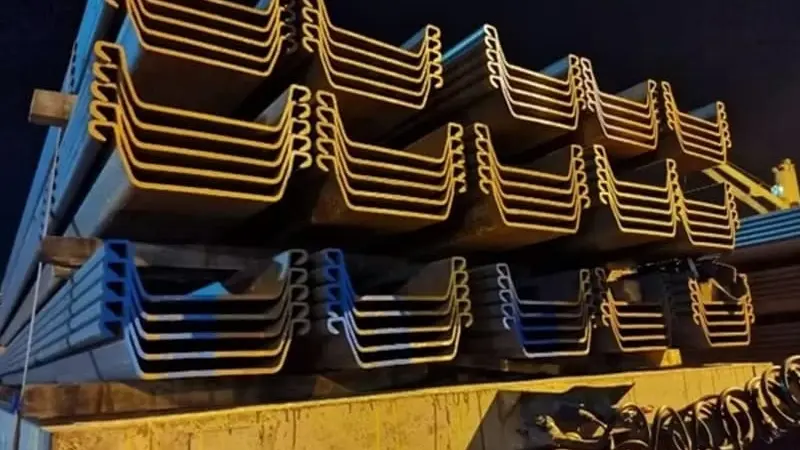
I have managed sites where tight schedules demanded faster installation. Proper planning and the right machinery made it achievable.
Factors Affecting Daily Installation
| Factor | Effect |
|---|---|
| Soil Type | Hard soils slow installation |
| Pile Type | Heavier or longer piles require more time |
| Equipment | Vibratory hammers are faster than impact hammers |
| Crew Experience | Skilled teams increase productivity |
Monitoring progress daily ensures timelines are met. I often adjust the installation method depending on soil hardness and project urgency.
What is the lifespan of sheet pile?
Steel sheets are strong, but environment affects how long they last. Understanding lifespan aids planning.
Sheet piles can last 15–50 years depending on steel grade, coating, and exposure to water and soil conditions.
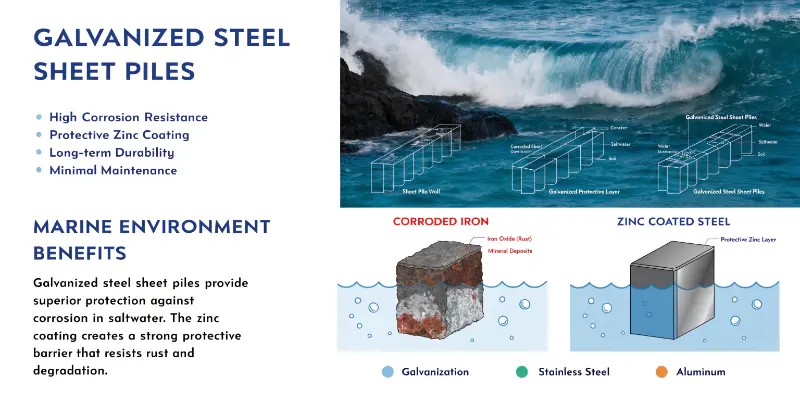
I recall a coastal project where coated steel piles are still intact after 25 years.
Lifespan Influencing Factors
| Factor | Effect |
|---|---|
| Steel Grade | Higher strength prolongs life |
| Corrosion Protection | Coated or galvanized steel lasts longer |
| Water Exposure | Saltwater reduces lifespan |
| Soil Type | Acidic or aggressive soils accelerate wear |
Regular inspection helps identify early signs of wear. Recoating or reinforcing sheets can extend their use.
How deep do sheet piles need to go?
Depth depends on soil conditions and wall function. Correct depth prevents failure.
Sheet piles must reach a stable soil layer below the excavation or water table to resist pressure and maintain stability.
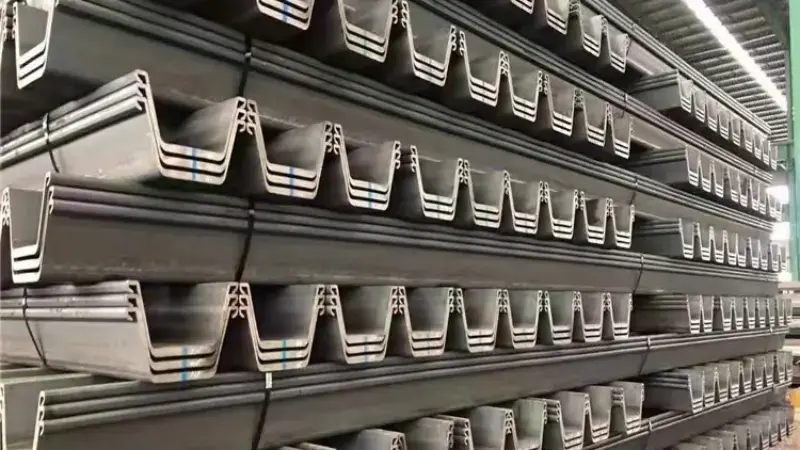
I have seen shallow piles fail during floods. Depth is not negotiable.
Determining Sheet Pile Depth
| Parameter | Guidance |
|---|---|
| Soil Type | Soft soils need deeper piles |
| Water Table | Must penetrate below high water level |
| Wall Height | Taller walls require deeper embedment |
| Load | Heavy loads require additional depth |
Engineers calculate depth using geotechnical reports. I always review these calculations before installation to ensure safety.
Are sheet piles better than retaining walls?
Both methods support soil, but context decides which is better.
Sheet piles are often better for deep or water-affected sites. Traditional retaining walls may suffice for shallow, dry areas.
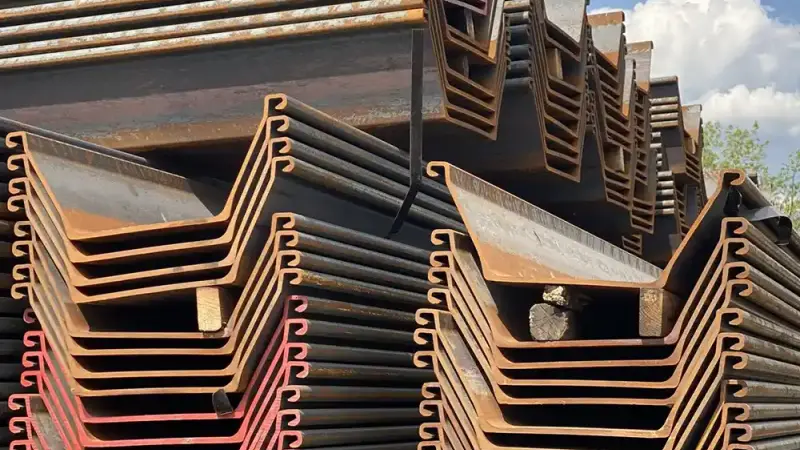
I often choose sheet piles when water or tight site space is involved.
Comparison Table
| Feature | Sheet Piles | Retaining Walls |
|---|---|---|
| Depth | Can go very deep | Limited by construction |
| Water Control | Excellent | Poor in wet areas |
| Installation Speed | Fast | Slower, more labor |
| Reusability | Can be reused | Rarely |
Sheet piles offer flexibility, especially for projects with tight schedules or high water tables. Retaining walls may still be chosen for aesthetic or budget reasons.
Conclusion
Sheet piling is essential for soil retention, water control, and structural stability across many construction projects.