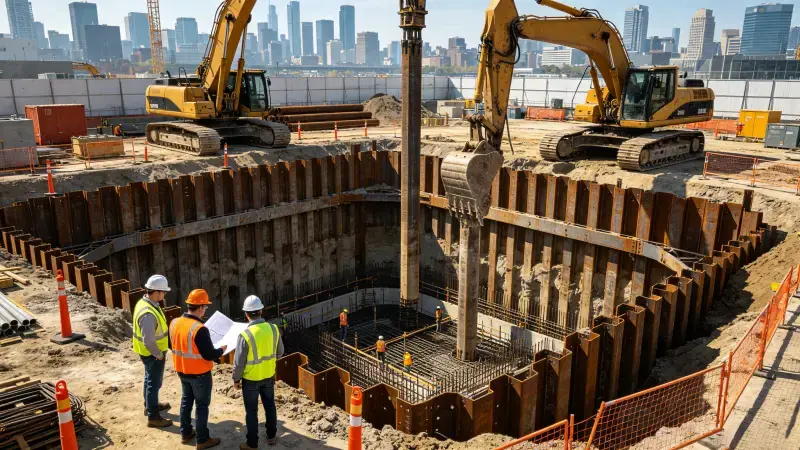
Many foundation projects fail because soil movement and water pressure are not controlled properly. Engineers need stronger solutions for unstable ground conditions.
Steel sheet piles play an important role in modern foundation engineering because they provide strong soil retention, water control, and structural support for projects such as deep excavations, retaining walls, bridges, and ports.
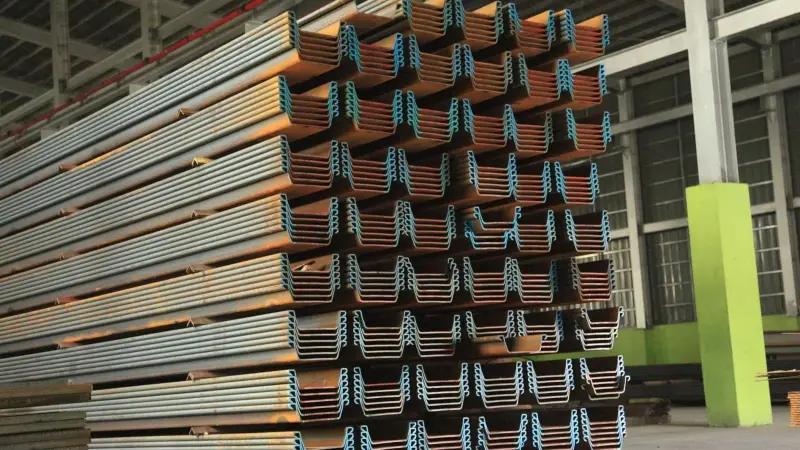
Modern construction projects face more challenges than before. Cities need deeper underground structures. Coastal areas need stronger protection against erosion. Infrastructure projects need reliable solutions that can work in difficult soil conditions. I have seen many contractors search for materials that can reduce construction risks and improve project efficiency. In my experience, steel sheet piles have become one of the most practical solutions because they combine strength, flexibility, and fast installation.
When I work with construction contractors and steel distributors, I often find that customers care about three main points. They want stable performance, reasonable cost, and fast delivery. Steel sheet piles can meet these requirements because they create continuous walls through their interlocking design. They can support excavation areas, control groundwater, and protect soil structures. This is why I believe steel sheet piles continue to have a strong position in modern foundation engineering.
Why Are Steel Sheet Piles Important in Modern Foundation Engineering?
Many foundation projects face risks from unstable soil, water pressure, and limited construction space. Without proper support systems, these problems can delay projects and increase costs.
Steel sheet piles provide a continuous retaining structure that helps engineers control soil movement, reduce excavation risks, and improve construction safety.
Foundation engineering is not only about building strong structures above the ground. Engineers also need to control what happens below the surface. Soil conditions can change in different locations. Some areas have soft clay. Some areas have loose sand. Some construction sites also have high groundwater levels. These conditions create pressure on foundations and surrounding structures.
I have worked with customers who needed solutions for ports, bridges, and excavation projects. Many of them selected steel sheet piles because traditional methods were not flexible enough for their projects. A concrete retaining wall usually needs more preparation time and larger construction space. Steel sheet piles can be installed quickly and removed when temporary structures are no longer needed.
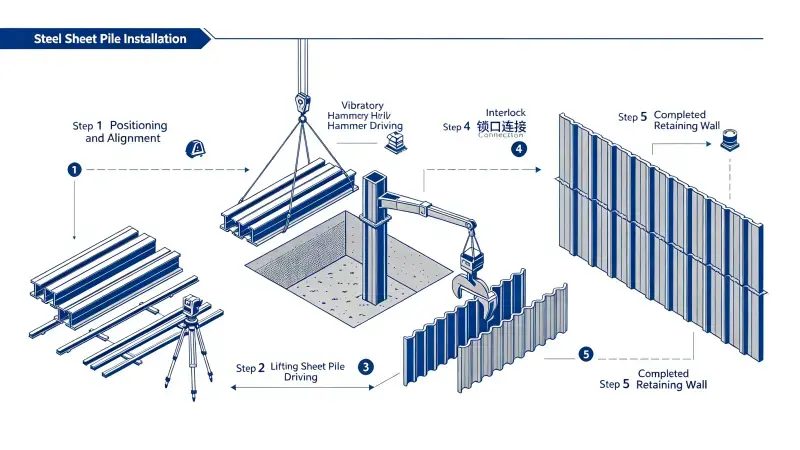
The main advantage of steel sheet piles comes from their interlocking design. Each pile connects with the next pile to form a continuous wall. This design helps resist soil pressure and water flow. It also creates a stable barrier between different ground areas.
The Basic Function of Steel Sheet Piles in Construction
Creating Strong Soil Retention Systems
One of the main uses of steel sheet piles is creating reliable soil retention systems. Engineers use these systems when they need to prevent soil collapse during excavation or protect land from erosion.
| Function | Description | Common Application |
|---|---|---|
| Soil Retention | Supports surrounding soil and reduces movement | Deep excavation projects |
| Water Control | Helps reduce groundwater penetration | Underground construction |
| Temporary Support | Provides removable structural protection | Construction pits |
| Permanent Structure | Creates long-term retaining walls | Ports and flood protection |
In foundation engineering, soil pressure is one of the biggest challenges. When workers remove soil during excavation, the surrounding ground naturally tries to move into the empty space. This movement can damage nearby buildings, roads, or underground facilities.
I usually explain to customers that steel sheet piles work like a protective shield. They create a strong vertical barrier that separates the excavation area from the surrounding soil. The wall transfers the pressure into the ground through the embedded section of the piles.
For example, deep excavation projects in urban areas often have limited space. Contractors cannot create large slopes because nearby buildings and roads are already developed. In these situations, steel sheet piles provide an efficient solution. They allow contractors to create deeper excavations while maintaining better control of soil stability.
Steel sheet piles are also widely used in coastal and river projects. Engineers use them for riverbank protection because they can resist soil erosion and water impact. They are especially useful in areas where changing water levels create additional pressure on the ground.
Another important factor is installation efficiency. Modern equipment such as vibratory hammers allows contractors to install sheet piles faster than many traditional retaining methods. Faster installation helps reduce labor costs and shortens project schedules.
Supporting Different Types of Foundation Projects
Steel sheet piles are suitable for many foundation applications. They are used in civil engineering, marine construction, transportation projects, and industrial facilities.
| Project Type | How Steel Sheet Piles Help |
|---|---|
| Bridge Foundation | Supports excavation areas around bridge structures |
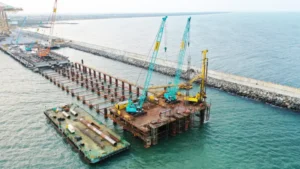
| Port Construction | Creates marine retaining walls and dock structures |
| Underground Parking | Provides excavation protection |
| Flood Control | Reduces erosion and improves water management |
| Pipeline Construction | Protects trenches during installation |
I supply steel sheet piles for different international projects, and I have found that every project has different requirements. Some customers need high strength for deep excavation. Some customers focus more on corrosion resistance because their projects are near seawater. Some customers need customized sizes based on engineering drawings.
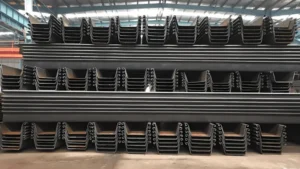
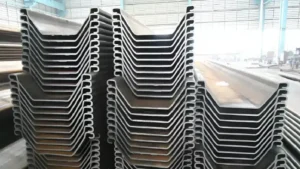
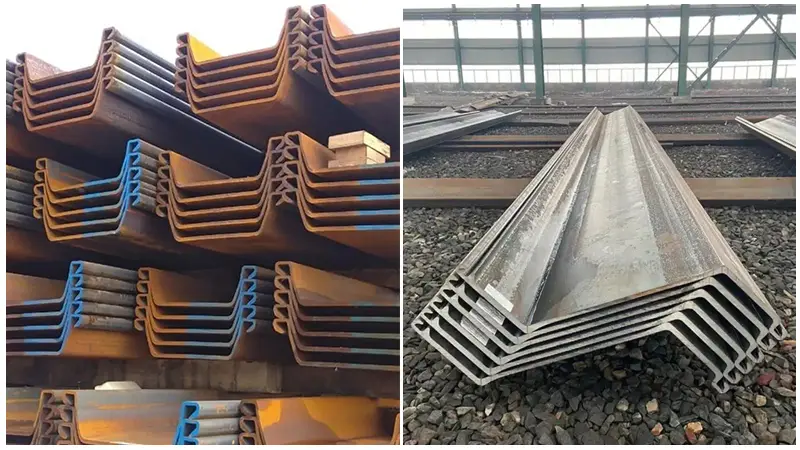
My company cooperates with certified steel mills to provide different types of sheet piles, including U-shaped, Z-shaped, Ω-shaped, flat plate type, disc type, cap type, and straight flange type metal sheet piles. This allows us to support different engineering requirements.
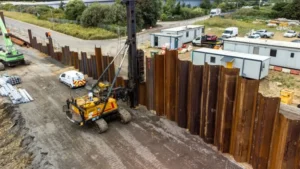
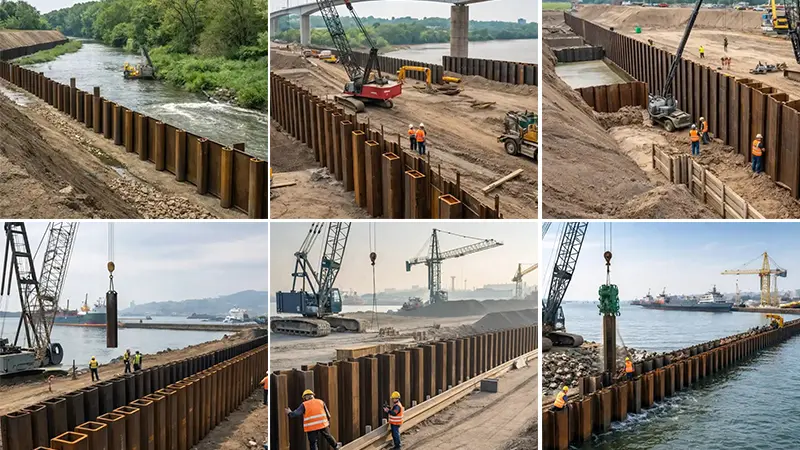
For example, in a riverbank protection project in Southeast Asia, our customer used hot rolled U type steel sheet piles to build a retaining wall system. The project needed a strong structure to prevent soil erosion and improve flood control. The interlocking connection created a continuous wall along the riverbank. The contractor used vibratory piling equipment, which helped complete installation efficiently.
This project showed me that steel sheet piles are not only construction materials. They are important engineering solutions that help protect infrastructure and communities.
How Do Steel Sheet Piles Improve Foundation Stability?
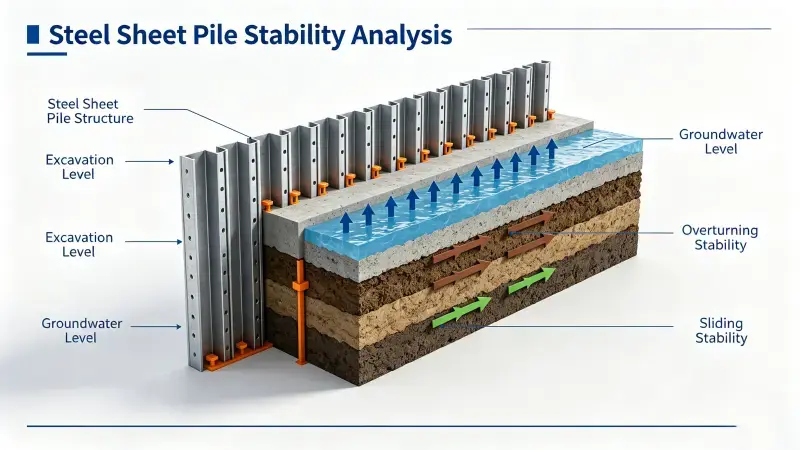
Foundation stability depends on controlling forces from soil, water, and external loads. Steel sheet piles improve stability by creating a strong barrier that manages these forces.
They help engineers control lateral pressure, reduce soil movement, and provide safer construction conditions.
Managing Soil Pressure and Ground Movement
The performance of a retaining system depends on how well it can resist soil pressure. Engineers study soil conditions and calculate the forces acting on the structure before selecting the right sheet pile profile.
The design process often considers factors such as soil type, excavation depth, water level, and expected loads. Engineers may refer to principles from geotechnical engineering and soil mechanics to evaluate ground behavior.
Steel sheet piles have different profiles because different projects require different strength levels. Z-shaped sheet piles usually provide high bending resistance because of their efficient section design. U-shaped sheet piles are commonly selected for general retaining applications because they provide good performance and easy handling.
| Design Factor | Influence on Sheet Pile Selection |
|---|---|
| Soil Condition | Determines required strength and embedment depth |
| Water Level | Affects corrosion protection and sealing requirements |
| Excavation Depth | Influences pile length and section modulus |
| Load Requirement | Determines suitable steel grade and profile |
I often discuss with customers that choosing the correct sheet pile is more important than simply choosing the largest product. A suitable design can reduce unnecessary material costs while maintaining safety.
The connection between each pile also plays an important role. The interlocking system creates a continuous structure that improves overall stability. A weak connection can reduce the performance of the entire wall. A properly designed interlocking system helps transfer forces between individual piles.
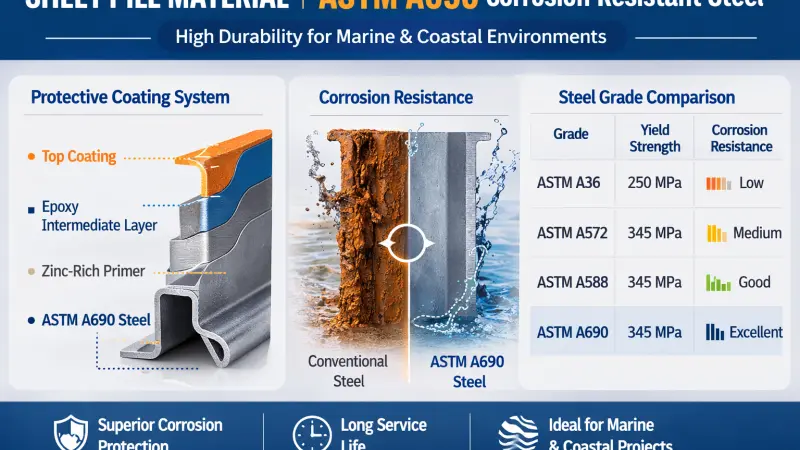
In many projects, engineers also consider corrosion protection. Steel sheet piles used in marine environments face stronger corrosion risks because of saltwater exposure. Customers may choose protective coatings or special steel grades to improve service life.
Modern foundation engineering requires materials that can balance strength, speed, and cost. From my experience, steel sheet piles continue to meet these requirements
because they provide practical performance in many challenging environments.
What Types of Steel Sheet Piles Are Used in Modern Foundation Engineering?
Different construction projects require different sheet pile designs. Engineers select sheet pile types based on load requirements, soil conditions, installation methods, and project environments.
The most common types include U-shaped, Z-shaped, and straight web steel sheet piles. Each type provides different structural performance for foundation projects.
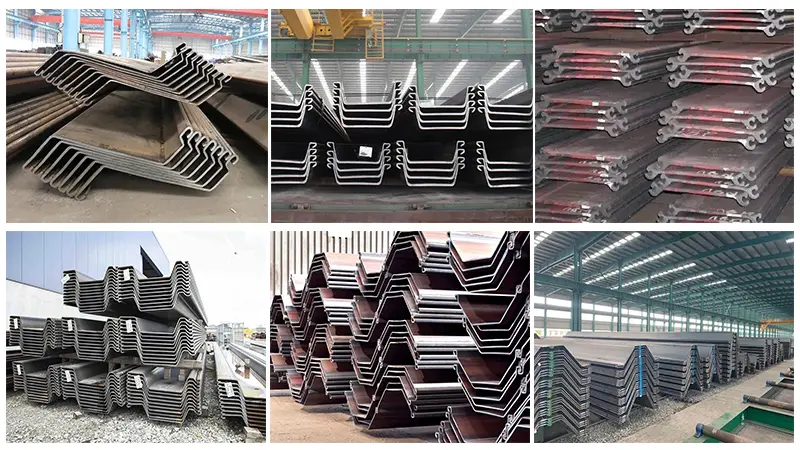
When customers ask me which steel sheet pile type is the best choice, I usually explain that there is no single product suitable for every project. The correct choice depends on the engineering conditions. A port construction project and a small excavation project have completely different requirements.
I have worked with customers from different countries, including contractors, engineering companies, and steel distributors. Their projects often require different sheet pile profiles. Some customers need strong bending resistance for deep excavation. Some customers need economical solutions for temporary retaining structures. Some customers need special products for marine environments.
The selection of steel sheet piles requires a balance between strength, installation efficiency, and project budget. Engineers usually consider factors such as section modulus, steel grade, pile length, and connection performance.
Common Steel Sheet Pile Profiles and Their Applications
Comparing Different Sheet Pile Designs
The shape of a steel sheet pile directly affects its structural performance. Different profiles provide different advantages during installation and operation.
| Steel Sheet Pile Type | Main Features | Typical Applications |
|---|---|---|
| U Type Steel Sheet Piles | Flexible design, easy installation, good connection performance | River protection, temporary retaining walls, excavation support |
| Z Type Steel Sheet Piles | High bending strength and efficient section design | Deep excavation, marine structures, large retaining walls |
| Straight Web Sheet Piles | Strong connection and high resistance | Circular structures and special foundation projects |
| Flat Plate Sheet Piles | Simple structure and flexible use | Special retaining applications |
U type steel sheet piles are one of the most commonly used products in foundation engineering. Their shape provides good strength and allows convenient installation. Many contractors choose U type piles for riverbank protection, flood control, and general retaining walls.
Z type steel sheet piles are often selected for larger projects because they provide higher section efficiency. The locking system is located near the neutral axis, which helps improve bending performance. These piles are commonly used in marine infrastructure and deep excavation projects where higher structural capacity is required.
Straight web sheet piles are different from traditional profiles. They are mainly used when the project requires a strong connection between piles. Engineers often use them for circular structures, cofferdams, and special retaining systems.
My company provides different steel sheet pile solutions because every project has unique requirements. We support customers with OEM production, flexible MOQ, and factory-direct pricing. We also cooperate with certified mills to maintain stable product quality.
How Steel Sheet Piles Support Marine and Water Projects?
Marine construction projects create some of the most difficult foundation challenges. Water pressure, soil erosion, and corrosion risks can affect structural safety.
Steel sheet piles provide effective solutions for ports, seawalls, river protection systems, and flood control structures.
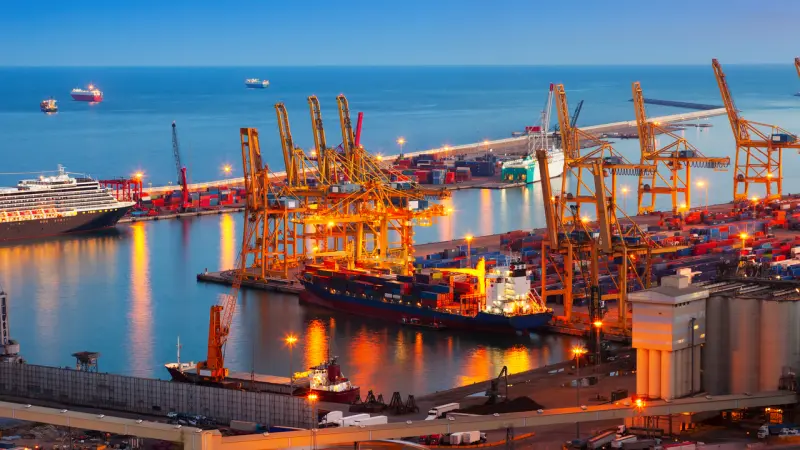
Water-related projects require materials that can work under continuous pressure. Traditional construction methods may require large amounts of concrete and longer preparation periods. Steel sheet piles offer a faster installation process and strong structural performance.
I have supplied steel sheet piles for customers who work on marine and water protection projects. These customers usually focus on three factors. They need corrosion resistance, reliable interlocking performance, and stable supply. A delay in material delivery can affect the entire construction schedule.
Steel sheet piles are widely used in marine construction because they can create strong barriers in coastal environments. They can support quay walls, breakwaters, and temporary cofferdams. They also help contractors control water during construction.
Steel Sheet Piles in Riverbank Protection Projects
Riverbank protection is one of the important applications of steel sheet piles. Rivers can create strong erosion forces that gradually remove soil from the river edge. This process can damage roads, buildings, and public infrastructure.
| River Protection Challenge | Steel Sheet Pile Solution |
|---|---|
| Soil erosion | Creates a protective retaining barrier |
| Flood impact | Improves riverbank stability |
| Changing water levels | Provides continuous structural support |
| Limited construction space | Allows compact installation |
In our Southeast Asia riverbank protection project, we supplied hot rolled U type steel sheet piles for flood control and soil stabilization. The contractor installed the piles along the riverbank to create a continuous retaining wall.
The project required a solution that could provide long-term stability while maintaining construction efficiency. The strong interlocking system helped create tight connections between each section. The contractor used vibratory piling equipment, which allowed the installation process to move quickly.
This project also showed me the importance of matching the right product with the right environment. River projects need materials that can handle water pressure and soil movement. A suitable sheet pile design can reduce maintenance requirements and improve infrastructure safety.
What Standards and Specifications Affect Steel Sheet Pile Quality?
Quality standards help customers evaluate steel sheet pile performance. Different markets and engineering projects may require different specifications.
Standards define important factors such as chemical composition, mechanical properties, dimensions, and testing requirements.
Understanding Steel Sheet Pile Manufacturing Requirements
When customers purchase steel sheet piles internationally, they usually ask about standards and inspection documents. They want to confirm that the products can meet project requirements.
Common standards include EN 10248, which covers hot rolled steel sheet piles in European applications. Some projects also refer to ASTM standards for steel products used in construction.
| Standard Factor | Why It Matters |
|---|---|
| Steel Grade | Determines strength and durability |
| Chemical Composition | Affects welding and corrosion performance |
| Mechanical Properties | Defines load resistance |
| Dimensional Accuracy | Ensures proper installation |
| Inspection Report | Confirms product quality |
I believe quality control is one of the most important parts of international steel supply. A low-cost product without reliable quality documentation can create higher risks during construction.
For this reason, we support customers with SGS inspection services and provide production information when required. We understand that many international buyers cannot visit factories directly, so transparent quality control helps build long-term cooperation.
Steel sheet piles must also match project specifications. Engineers may consider pile length, thickness, width, and steel grade before final selection. The correct specification helps improve installation efficiency and structural performance.
For example, a deep excavation project may require stronger sections with higher bending resistance. A temporary project may focus more on cost efficiency and easy removal. The same product cannot satisfy every situation.
I always recommend that customers provide project drawings, soil information, or technical requirements before purchasing. This allows us to suggest more suitable sheet pile solutions instead of simply offering standard products.
How Does Installation Method Affect Steel Sheet Pile Performance?
Installation quality directly affects the final performance of a steel sheet pile wall. Even a high-quality product needs proper installation to achieve its designed strength.
Contractors usually select installation methods based on soil conditions, project location, and environmental requirements.
Common Installation Methods
Steel sheet piles are usually installed by driving them into the ground. Different equipment options are available depending on site conditions.
| Installation Method | Features | Suitable Conditions |
|---|---|---|
| Vibratory Hammer | Fast installation with lower vibration | Many urban and river projects |
| Impact Hammer | Strong driving force | Hard soil conditions |
| Press-in Method | Low noise and vibration | Sensitive urban areas |
The installation process requires careful planning. Contractors need to consider pile alignment, driving resistance, and ground conditions. Poor installation can affect the connection between piles and reduce wall performance.
I often tell customers that product quality and installation quality work together. A strong steel sheet pile needs professional handling during transportation, storage, and installation.
Modern construction projects increasingly focus on reducing environmental impact. Low-noise installation methods are becoming more popular in urban areas. Press-in systems and advanced vibratory equipment help contractors complete projects while reducing disturbance.
From my experience, successful sheet pile projects always include cooperation between suppliers, engineers, and contractors. Good communication helps solve problems before installation begins.
What Are the Advantages of Steel Sheet Piles in Modern Foundation Engineering?
Modern foundation projects require materials that can provide strength, speed, and flexibility. Steel sheet piles have become a popular choice because they can meet different construction needs.
They offer advantages such as fast installation, high structural strength, reusability, and adaptability for different engineering environments.
When I introduce steel sheet piles to customers, I usually explain that the biggest advantage is not only the strength of the steel itself. The real value comes from the complete construction solution. A good foundation material should help engineers reduce risks, control costs, and complete projects efficiently.
Many contractors choose steel sheet piles because they can be installed faster compared with traditional concrete retaining systems. Faster installation means less labor demand and shorter construction periods. This advantage is especially important for projects located in busy cities, ports, and transportation areas.
Steel sheet piles also provide excellent flexibility. Contractors can use them for temporary structures and permanent structures. After completing temporary excavation work, some sheet piles can be removed and reused in another project. This feature helps reduce material waste and improves project economics.
Main Benefits of Using Steel Sheet Piles
| Advantage | Explanation | Project Benefit |
|---|---|---|
| High Strength | Strong steel structure resists external loads | Improves foundation safety |
| Fast Installation | Can be driven into soil efficiently | Reduces construction time |
| Reusable Performance | Some piles can be removed and reused | Reduces material costs |
| Flexible Application | Suitable for different soil conditions | Supports various projects |
| Water Resistance | Creates continuous barriers | Helps control groundwater |
Improving Construction Efficiency
Construction efficiency is becoming more important in modern engineering. Project owners want contractors to complete work faster while maintaining safety standards.
Steel sheet piles support this goal because they require less preparation compared with many traditional retaining methods. Contractors do not need to wait for concrete curing before continuing with some construction activities.
For example, when contractors build underground parking areas, they need a reliable excavation support system. Steel sheet piles can be installed around the excavation area before soil removal begins. This creates a stable working environment and helps protect nearby structures.
I have received inquiries from contractors who work in areas with limited construction space. They often cannot use large excavation slopes because surrounding buildings or roads create restrictions. Steel sheet piles provide a compact solution that allows them to maximize available space.
Another advantage is transportation efficiency. Steel sheet piles are manufactured in controlled factory environments. They can be delivered directly to project sites and installed using standard piling equipment.
Supporting Sustainable Construction
Sustainability is becoming a major concern in the construction industry. Engineers are looking for materials that can reduce waste and improve long-term value.
Steel sheet piles support sustainable construction because steel is a recyclable material. Some temporary sheet pile structures can be recovered and reused after project completion.
| Sustainability Factor | Steel Sheet Pile Performance |
|---|---|
| Material Recycling | Steel can be recycled after service life |
| Reuse Possibility | Temporary piles can be reused |
| Reduced Construction Waste | Less waste compared with some permanent methods |
| Efficient Installation | Shorter construction period reduces resource usage |
I believe sustainable construction is not only about using environmentally friendly materials. It is also about using resources more efficiently. A material that can provide long service life and reuse possibilities creates more value for customers.
What Are the Limitations of Steel Sheet Piles?
Although steel sheet piles provide many benefits, engineers also need to consider their limitations. Understanding these factors helps customers choose the right solution.
Common challenges include corrosion risk, installation noise, and project-specific design requirements.
Managing Corrosion Problems
Corrosion is one of the most common concerns for steel structures. Steel sheet piles used in marine environments or areas with high moisture levels may face increased corrosion risks.
Engineers usually consider protective solutions such as coatings, corrosion allowances, or selecting suitable steel grades.
| Challenge | Possible Solution |
|---|---|
| Saltwater Exposure | Use corrosion protection methods |
| Long Service Requirements | Select suitable steel grades |
| Chemical Environment | Evaluate soil and water conditions |
For customers working on coastal projects, I always recommend considering the environment before selecting products. A steel sheet pile used in a river project may have different requirements compared with one used in seawater.
Installation Restrictions
Steel sheet pile installation can also create challenges in some locations. Traditional driving methods may produce noise and vibration. This can become a concern near residential areas or sensitive structures.
However, modern equipment provides more options. Low-noise installation methods and advanced piling systems help reduce environmental impact.
Engineers also need to study soil conditions before installation. Very hard soil, underground rocks, or complex geological conditions may require additional planning.
I always tell customers that steel sheet piles are not a universal solution for every situation. The best results come from matching the product design with project conditions.
How Do I Select the Right Steel Sheet Pile for a Project?
Selecting the correct steel sheet pile requires understanding project requirements. Engineers need to evaluate loads, soil conditions, water conditions, and construction methods.
A suitable sheet pile design improves safety and avoids unnecessary material costs.
Important Selection Factors
When customers contact me about steel sheet piles, I usually ask several technical questions before recommending products.
| Selection Factor | Why It Is Important |
|---|---|
| Project Type | Determines required structural performance |
| Soil Condition | Affects embedment depth and strength |
| Water Environment | Influences corrosion protection |
| Required Service Life | Determines material selection |
| Installation Method | Affects product compatibility |
The first factor is the project application. A retaining wall, bridge foundation, and port structure all require different designs.
The second factor is soil condition. Engineers need to understand whether the ground contains clay, sand, gravel, or mixed soil. Different soils create different levels of pressure on the retaining wall.
The third factor is water exposure. Projects near oceans, rivers, or underground water systems require additional consideration. Corrosion resistance becomes more important in these environments.
My company supports customers by providing different sheet pile profiles and customized production services. We work with certified mills and provide inspection support to help international buyers reduce purchasing risks.
My Insight: Why Steel Sheet Piles Remain Important for Future Engineering Projects
From my experience working with international customers, I believe steel sheet piles will continue to play an important role in foundation engineering.
The construction industry is facing more complex challenges. Cities are becoming more crowded. Infrastructure projects are becoming larger. Engineers need solutions that can provide reliable performance while improving construction efficiency.
Steel sheet piles are valuable because they combine several important advantages. They provide structural strength, installation flexibility, and practical cost performance.
I have seen customers choose steel sheet piles for different reasons. Some customers need river protection solutions. Some customers need excavation support in urban areas. Some customers need marine structures that can handle difficult environments.
My opinion is that successful foundation projects depend on choosing the right material for the right condition. Steel sheet piles are not simply steel products. They are engineering solutions that help contractors solve real construction problems.
Conclusion
Steel sheet piles provide strong, flexible, and efficient solutions for modern foundation engineering, supporting excavation, retaining walls, marine projects, and infrastructure development.