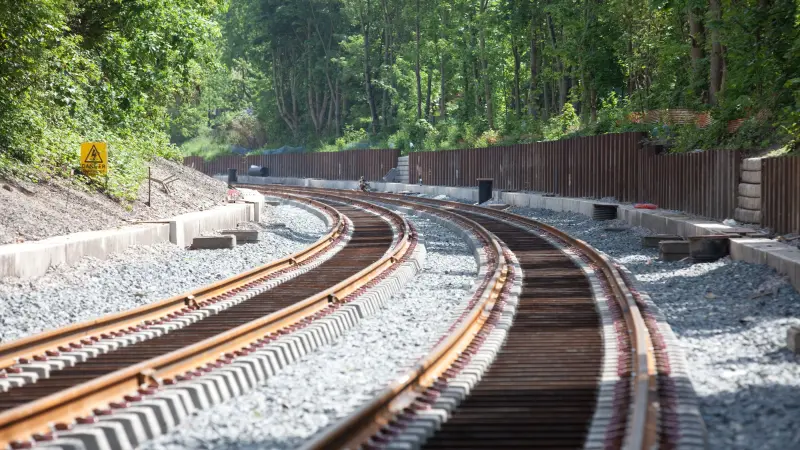
Many subway projects fail because of unstable excavation, water pressure, and limited working space. I have found that choosing the right steel sheet piles helps avoid these costly problems.
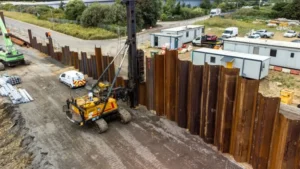
Steel sheet piles provide temporary or permanent earth retention for subway and metro construction. They control groundwater, support deep excavations, reduce surrounding settlement, and speed up installation in crowded urban environments.
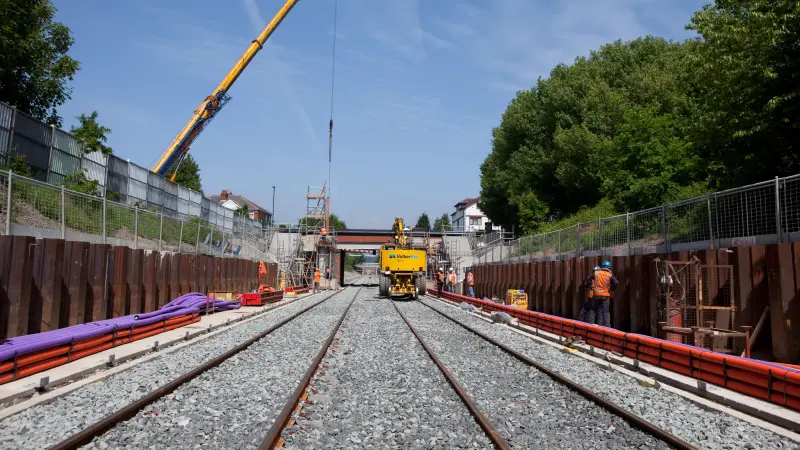
For more on subway and metro projects with sheet piles, see the Steel Piling Group: Common Uses for Steel Piling Products and the YouTube: Carrying Out Sheet Pile Wall Construction.
Subway and metro construction leaves very little room for mistakes. Every excavation sits close to roads, buildings, pipelines, or existing rail lines. I have worked with contractors who wanted a solution that was both reliable and fast. Steel sheet piles continue to be one of my preferred recommendations because they combine structural strength, efficient installation, and good cost control. In this guide, I will explain how they work, their limitations, and how different pile types fit different underground projects.
How deep can sheet piles go?
Many contractors worry that deep excavations will exceed the capacity of sheet piles. The wrong design can cause wall movement, water leakage, and expensive delays.
Steel sheet piles can reach more than 30 meters depending on soil conditions, pile section, installation equipment, and structural design. Many subway excavations commonly use depths between 10 and 25 meters.
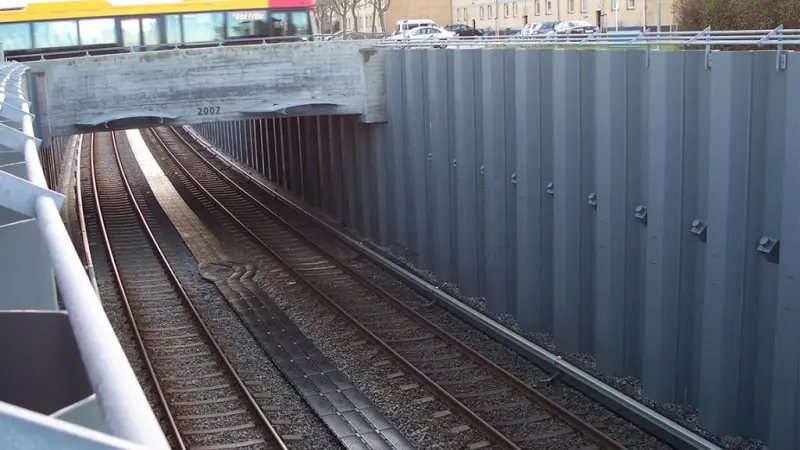
Why depth depends on more than pile length
Many people think deeper piles simply mean ordering longer sections. I disagree with that idea. The actual embedded depth depends on several engineering factors. The visible wall above ground is only part of the total length. A large portion remains underground to resist earth pressure.
For subway stations, engineers calculate active earth pressure, passive resistance, groundwater pressure, surcharge loads, and nearby structures before deciding the required embedment.
Factors affecting sheet pile depth
| Factor | Influence |
|---|---|
| Soil type | Soft clay usually needs deeper embedment than dense sand |
| Groundwater | High water table increases lateral pressure |
| Excavation depth | Deeper excavation requires longer piles |
| Structural load | Heavy nearby buildings increase design loads |
| Anchor system | Anchors can reduce required embedment |
| Pile section | Stronger profiles resist higher bending moments |
Typical depths for metro construction
| Project Type | Common Sheet Pile Depth |
|---|---|
| Utility trench | 6-10 m |
| Station entrance | 8-15 m |
| Underground station | 15-25 m |
| Deep metro shaft | 20-35 m |
| Pumping station | 15-30 m |
Installation methods
The installation method also affects achievable depth.
- Vibratory hammer
- Impact hammer
- Hydraulic press-in machine
- Combination methods
Urban subway projects often use silent press-in equipment because nearby buildings are sensitive to vibration and noise.
My experience
One contractor from the Middle East asked whether our hot rolled U sheet piles could support a 22-meter excavation beside an existing highway. Instead of recommending the longest pile immediately, I suggested reviewing the soil report first. The final design used anchored hot rolled U piles with optimized embedment. The contractor reduced material costs while meeting the safety requirements.
I think this is an important lesson. The deepest pile is rarely the smartest choice. Good engineering balances safety, budget, installation efficiency, and project schedule.
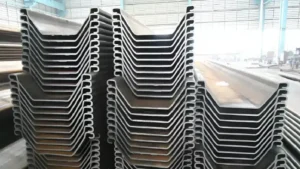
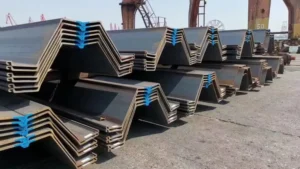
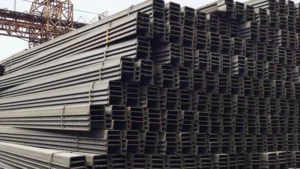
Our long-term cooperation with certified Chinese mills allows us to supply long-length U-shaped, Z-shaped, Omega-shaped, straight flange, flat plate, cap type, and disc type steel sheet piles with stable quality and fast delivery from Liaocheng. Many contractors appreciate having multiple profile options because different subway projects require different structural capacities.
What are the disadvantages of using sheet piles?
Every construction method has weaknesses. Ignoring them can increase project risk and maintenance costs.
Steel sheet piles may face corrosion, vibration during installation, driving difficulties in hard ground, and possible water leakage at interlocks. Proper design and installation reduce most of these issues.
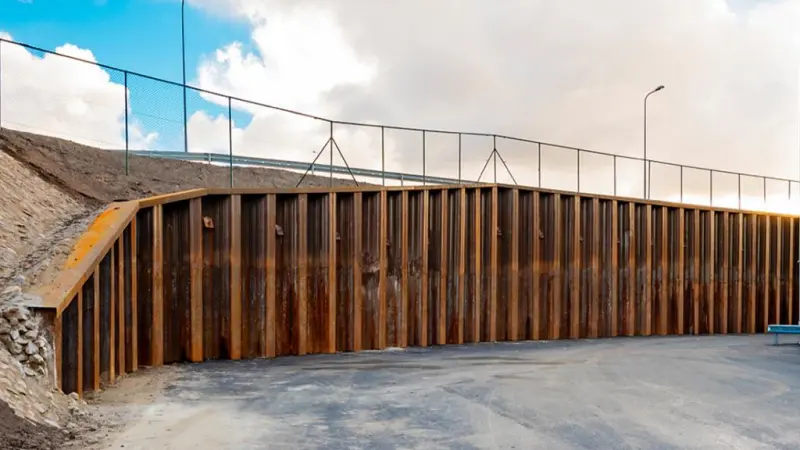
No retaining system is perfect
I always tell clients that sheet piles are excellent solutions, but they are not universal solutions. Every project deserves an honest evaluation.
Understanding the disadvantages early allows contractors to prepare better mitigation plans instead of dealing with unexpected problems later.
Common disadvantages
| Issue | Possible Solution |
|---|---|
| Corrosion | Protective coating or thicker steel |
| Installation vibration | Hydraulic press-in equipment |
| Hard rock obstruction | Pre-drilling |
| Water seepage | Sealants or improved interlock design |
| Noise | Silent piling equipment |
| Wall deflection | Anchors or internal bracing |
Corrosion
Steel naturally corrodes over time, especially in marine or aggressive groundwater environments.
Fortunately, corrosion rates are predictable. Engineers can increase steel thickness, apply coatings, or use cathodic protection for permanent structures.
Installation limits
Driving piles through dense gravel or rock becomes difficult.
Sometimes contractors need:
- Pre-drilling
- Stronger hammers
- Alternate retaining systems
This does not mean sheet piles are unsuitable. It simply means installation planning becomes more important.
Noise and vibration
Metro projects are usually located inside busy cities.
Nearby structures may include:
- Hospitals
- Historic buildings
- Apartment towers
- Existing subway tunnels
Modern hydraulic press-in machines significantly reduce these impacts.
Water tightness
Many people assume sheet piles are completely waterproof.
That is not always true.
The interlocks reduce water flow but may still allow minor seepage under high groundwater pressure.
Additional sealing systems often improve water control.
My opinion
Some suppliers only discuss advantages. I believe clients deserve balanced information. A contractor who understands both strengths and weaknesses usually makes better purchasing decisions.
I have seen projects where contractors selected sheet piles because of their fast installation but forgot to evaluate groundwater conditions. Later they needed additional grouting work. Better planning would have reduced both time and cost.
That is why I always recommend reviewing geotechnical reports before selecting pile profiles.
Is sheet piling a type of foundation?
Many people confuse retaining walls with foundation systems. This misunderstanding can lead to poor project planning.
Sheet piling is mainly a retaining structure rather than a traditional foundation. It supports soil and water during excavation, although it can also contribute to permanent structural support in some projects.
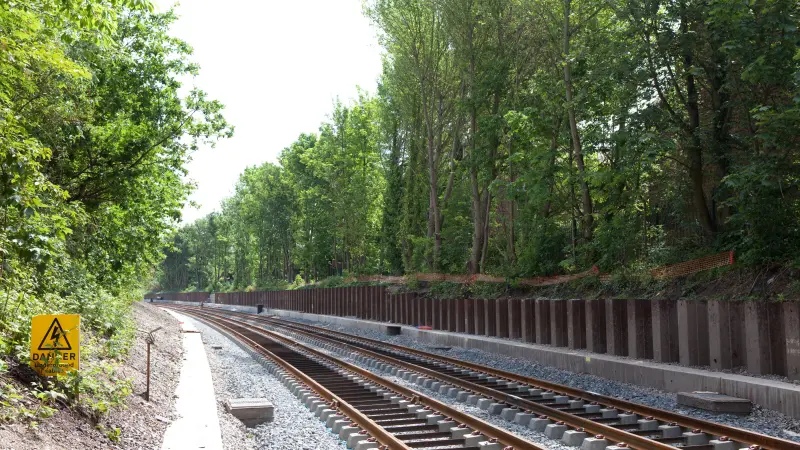
Foundation versus retaining wall
This question appears often.
Traditional foundations transfer building loads vertically into the ground.
Sheet piles mainly resist lateral earth pressure.
The two systems perform different structural functions.
Comparison
| Item | Sheet Piles | Foundation Piles |
|---|---|---|
| Main purpose | Earth retention | Vertical load transfer |
| Load direction | Mainly lateral | Mainly vertical |
| Installation | Driven into soil | Driven or bored |
| Typical use | Excavation support | Buildings and bridges |
| Removal | Often removable | Usually permanent |
Can sheet piles become permanent?
Yes.
Many permanent structures use steel sheet piles.
Examples include:
- River walls
- Flood barriers
- Port facilities
- Underground parking walls
- Metro station retaining walls
Combination systems
Many subway projects combine several systems.
For example:
- Soldier piles
- Concrete diaphragm walls
- Secant piles
- Steel sheet piles
- Anchors
- Struts
Each system solves different engineering problems.
Case study
One project I often mention involved riverbank protection in Southeast Asia.
The contractor selected our hot rolled U type steel sheet piles to build a continuous retaining wall for flood control.
The interlocking system formed a reliable barrier against soil erosion while improving structural stability.
Installation used vibratory piling equipment. The work progressed quickly and helped keep the project schedule on track.
This project reminded me that sheet piles can become durable long-term structures when engineers properly account for corrosion protection and structural loads.
My own view
I do not like calling sheet piles "foundations" because it creates confusion for new buyers.
Instead, I explain that sheet piles often work beside foundations. Together they create safe excavation spaces where actual foundations can be built.
That explanation usually makes much more sense for contractors who are purchasing sheet piles for the first time.
What is the difference between Type 2 and Type 4 sheet piles?
Choosing the wrong pile profile increases material cost or reduces structural safety. Many buyers only compare prices instead of engineering performance.
Type 2 sheet piles are lighter sections for moderate loads, while Type 4 sheet piles have greater section modulus and bending strength for deeper excavations and higher earth pressures.

Understanding pile classifications
Several countries classify sheet piles differently.
The terms Type 2 and Type 4 usually refer to different section sizes within one manufacturer’s product series.
Higher type numbers generally indicate:
- Larger section modulus
- Greater moment of inertia
- Higher bending resistance
- Increased steel weight
Comparison
| Property | Type 2 | Type 4 |
|---|---|---|
| Weight | Lower | Higher |
| Section modulus | Medium | High |
| Bending capacity | Moderate | Strong |
| Material cost | Lower | Higher |
| Best use | Medium excavations | Deep excavations |
| Common projects | Small retaining walls | Subway stations |
Which one should you choose?
I never recommend choosing only by price.
Instead, evaluate:
- Excavation depth
- Groundwater
- Soil report
- Anchor system
- Construction sequence
- Safety factor
Sometimes Type 2 provides enough strength and saves significant cost.
Other times Type 4 prevents excessive wall movement that would otherwise damage nearby structures.
U-shaped versus Z-shaped piles
Besides Type 2 and Type 4, contractors also choose profile geometry.
| Profile | Main Advantage |
|---|---|
| U-shaped | Easy installation and strong interlocks |
| Z-shaped | High bending efficiency |
| Omega-shaped | Special applications |
| Straight flange | Cellular structures |
| Flat plate | Closure sections |
Our factory network supplies all of these profiles according to project requirements.
OEM production is also available for distributors and large contractors.
My recommendation
When buyers send me inquiries, I first ask for:
- Soil report
- Excavation depth
- Groundwater level
- Design drawing
- Quantity
- Delivery schedule
These documents allow me to recommend suitable pile types instead of simply quoting the cheapest section.
I believe this approach creates better long-term partnerships. Contractors avoid unnecessary material costs, and their projects gain better structural reliability.
Our customers across Iraq, Saudi Arabia, Jordan, UAE, Kuwait, Pakistan, Australia, Africa, North America, and South America often appreciate this engineering-first approach because every metro project has different site conditions.
Conclusion
I believe successful subway projects depend on choosing the right sheet pile design, not simply buying the strongest or cheapest section available.