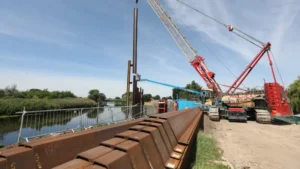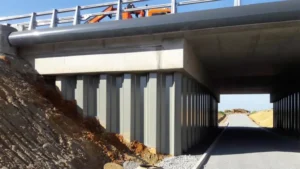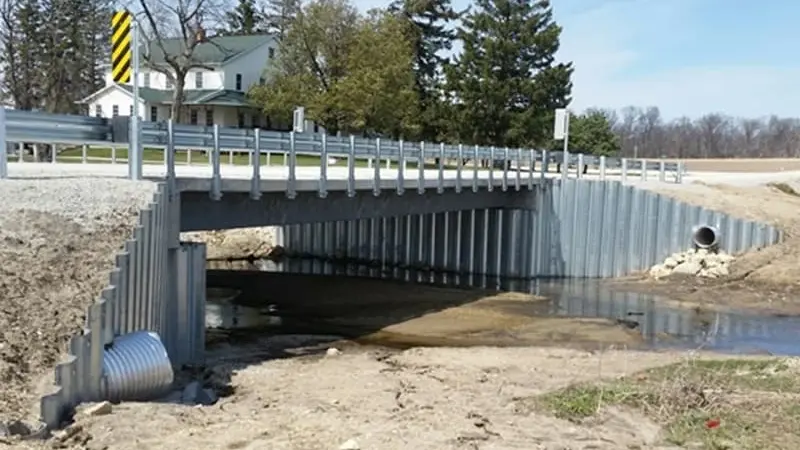
Many sheet pile projects fail during installation. I often see delays, misalignment, and equipment issues. These problems increase cost and slow down construction.
Sheet pile installation problems include driving refusal, misalignment, vibration issues, and soil resistance. These problems usually come from poor planning, wrong equipment, or incorrect installation method.
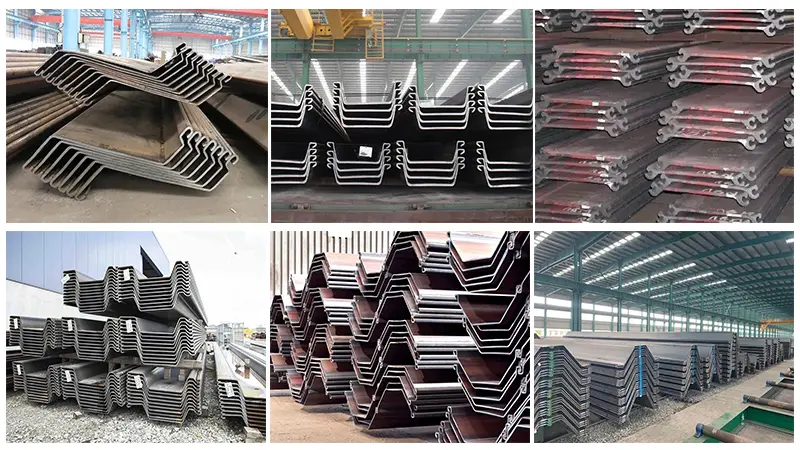
Sheet pile installation looks simple from outside, but I know many hidden problems appear on site. I will explain real issues and how they affect construction work.
What are the disadvantages of sheet piles?
Sheet piles are useful, but they are not perfect. I see many projects face limits when soil or design conditions change. These limits can affect performance.
The main disadvantages of sheet piles include high noise during installation, vibration impact, limited depth in hard soil, corrosion risk, and difficulty in rocky ground. These issues depend on environment and material choice.
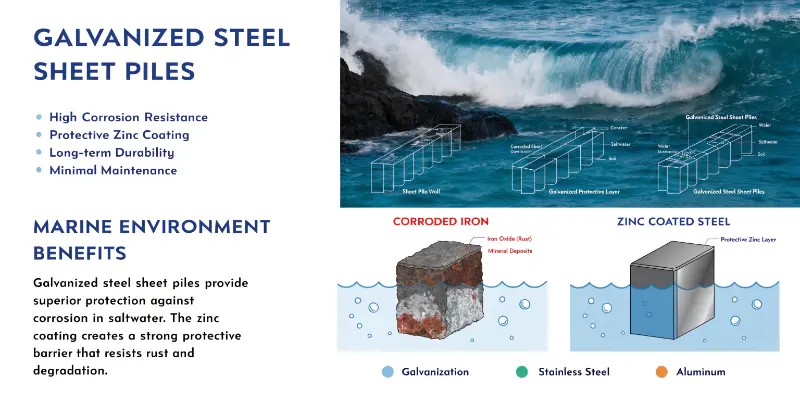
I often explain to clients that sheet piles are not a universal solution. They work well in many cases, but they also have clear limits. I see these disadvantages more clearly in urban and coastal projects.
1. Noise and vibration
I see high noise when impact hammers are used. Vibratory driving also creates ground movement. This becomes a problem in cities or near sensitive buildings.
2. Soil limitations
Sheet piles perform well in soft to medium soils. But in dense gravel or rock layers, driving becomes difficult. Sometimes installation stops completely.
3. Corrosion risk
In seawater or aggressive soil, steel sheet piles can corrode. Protective coatings or special steel grades are needed. This increases cost. For corrosion protection in marine environments, see USACE Coastal Engineering Manual .
4. My field observation
In one coastal project, corrosion protection added significant cost. In another urban job, vibration restrictions slowed progress. I learned that early soil study is very important before selecting sheet piles.
What are the common problems encountered in pile driving?
Pile driving looks simple, but many problems appear during execution. I often see unexpected resistance and alignment issues on site.
Common pile driving problems include refusal, misalignment, pile damage, soil heave, and excessive vibration. These issues often come from poor soil data, wrong equipment, or incorrect driving sequence.
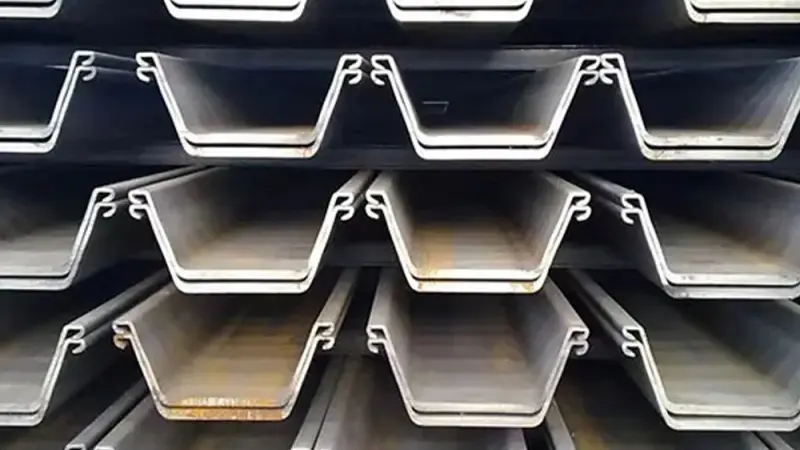
I see pile driving problems in almost every large project. These problems affect schedule, cost, and safety. Most problems come from lack of preparation or wrong assumptions.
1. Driving refusal
I see refusal when piles cannot go deeper. This happens in hard soil or when obstacles exist underground.
2. Misalignment
Piles can tilt during driving. Small errors at start become big problems later. I always check alignment before full driving starts.
3. Soil displacement
I see soil moving upward in soft ground. This can affect nearby structures or cause ground instability.
4. Equipment mismatch
Wrong hammer size or wrong vibration frequency often causes poor results. I always match equipment with soil conditions. For pile driving equipment guidelines, see FHWA Pile Driving Guidelines .
5. My experience
In one project, piles stopped early due to hidden gravel layers. We had to change equipment and reduce driving speed. This delayed the project but improved final quality.
How many sheet piles can be installed in a day?
Project speed is always important. Clients often ask about daily installation rates. I see many expectations are not realistic.
On average, 20 to 60 sheet piles can be installed per day depending on soil conditions, pile size, equipment type, and site access. Soft soil and good access increase speed, while hard soil reduces it.
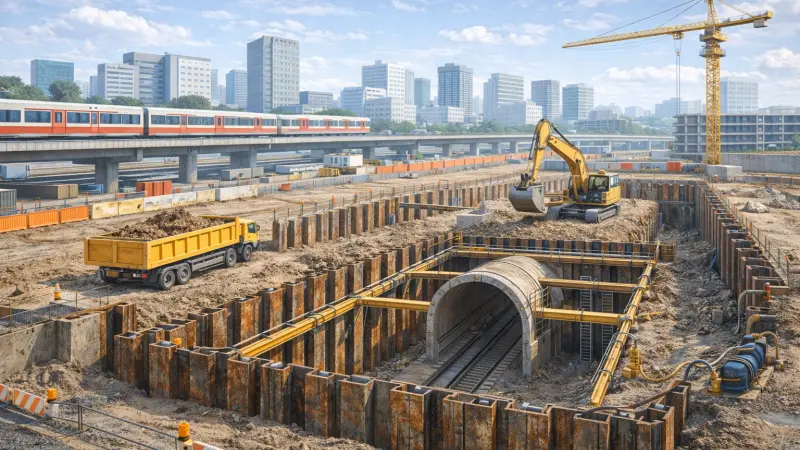
I always tell clients that installation speed is not fixed. It changes every day. Soil condition is the most important factor. Equipment and crew skill also matter a lot.
1. Factors affecting speed
| Factor | Effect on speed |
|---|---|
| Soil type | Soft soil = faster |
| Equipment | Modern vibratory hammer = faster |
| Pile size | Large piles = slower |
| Site access | Limited space = slower |
2. Urban vs rural projects
I see slower progress in cities because of restrictions. Rural projects are usually faster because there is more space and fewer rules.
3. My practical view
I prefer to plan with a safety margin. I never promise maximum speed. I always consider delays from soil surprises or weather.
What are common pile driving mistakes?
Many problems come from simple mistakes. I see these mistakes repeated in different projects. Most of them are preventable.
Common pile driving mistakes include poor alignment control, wrong hammer selection, ignoring soil reports, over-driving piles, and lack of monitoring. These mistakes reduce safety and increase cost.
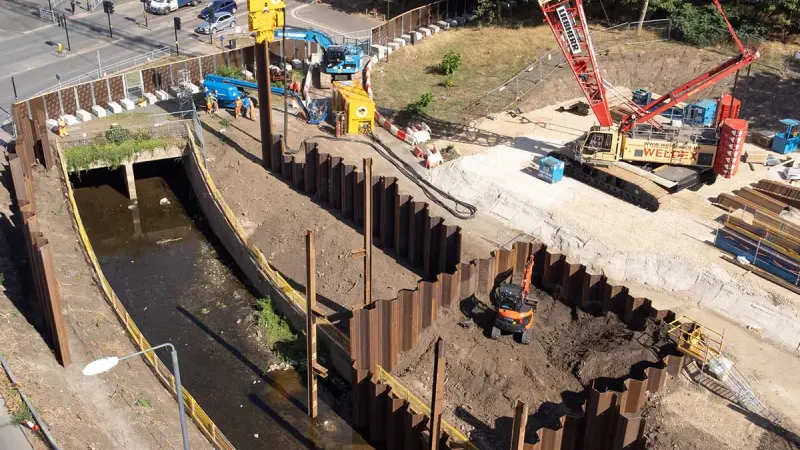
I often review failed projects and see similar mistakes. These mistakes are not technical failures only. They are planning and management issues.
1. Poor alignment control
I see piles start at wrong angles. Once driving starts, correction becomes difficult.
2. Wrong equipment selection
Using heavy impact hammers in soft soil causes over-driving. Using weak equipment in hard soil causes refusal.
3. Ignoring soil reports
I see teams skip geotechnical reports. This leads to unexpected ground conditions. For geotechnical investigation standards, see ASTM Soil Investigation .
4. No real-time monitoring
Without monitoring, small problems become big failures. I always use basic tracking systems during installation.
5. My experience
In one project, lack of alignment control caused rework of multiple piles. This increased cost and delayed completion. After that, I always insist on strict setup checks before driving starts.
Conclusion
I see sheet pile installation problems as a combination of soil, equipment, and planning issues. Careful preparation reduces most risks and improves project success.