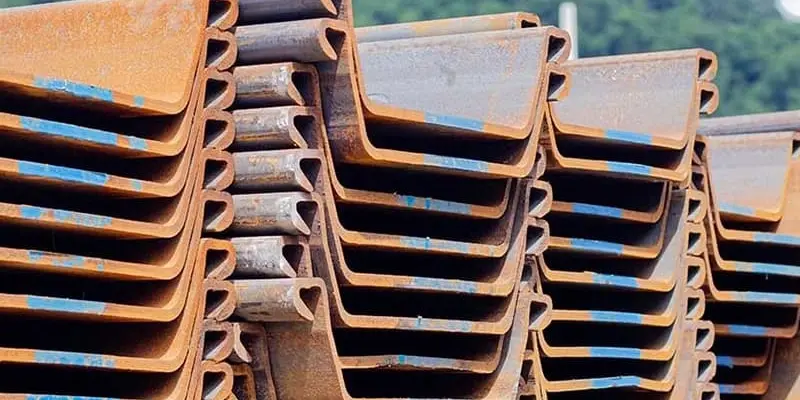
Many buyers confuse sheet piling with pile foundations. This mistake can lead to wrong material selection, weak structures, and higher project costs.
Sheet piling mainly retains soil and water, while pile foundations transfer structural loads deep into the ground. Both systems use steel piles, but their functions, designs, and engineering goals are completely different.
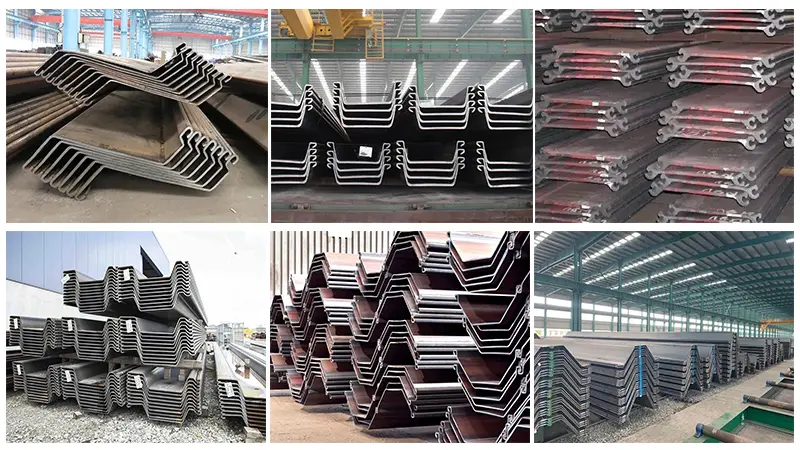
I often receive this question from contractors and distributors. Some clients think all piles work the same way. In real projects, this misunderstanding can create major construction risks. That is why I always explain the structural purpose before recommending any steel pile system.
You can also learn more about different steel sheet pile solutions and engineering applications on our website.
What is the difference between piling and sheet piling?
Many project owners use these two terms together. This creates confusion during procurement and engineering discussions.
Piling usually means installing load-bearing piles into the ground. Sheet piling means installing interlocking sheets to retain soil, water, or excavation areas. One supports vertical loads. The other creates retaining walls.
Understanding the Core Engineering Purpose
When I discuss projects with contractors, I first ask one question: “Do you need load support or earth retention?” The answer usually decides the pile type immediately.
Traditional piling systems are designed to carry vertical structural loads. These piles transfer the building weight into stronger soil or rock layers. Common examples include bridge foundations, high-rise buildings, and industrial structures.
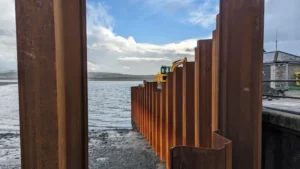
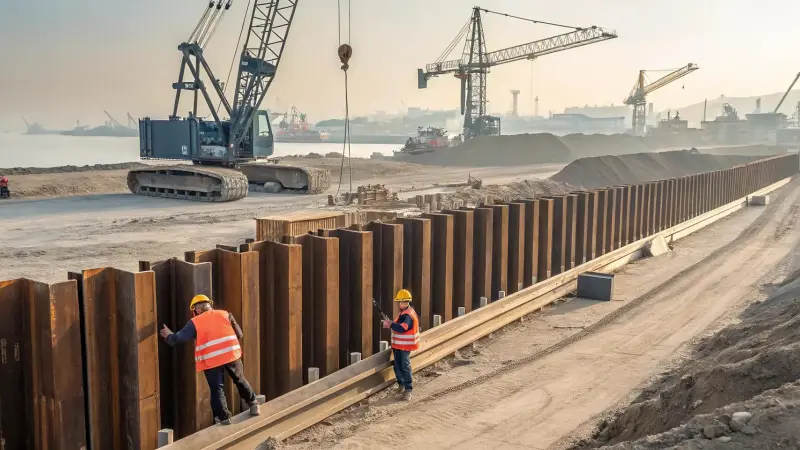
Sheet piling works differently. Steel sheet piles form continuous retaining walls. The interlocking system creates a barrier against soil movement and water penetration. This system is common in:
- Deep excavations
- Cofferdams
- Riverbank protection
- Port construction
- Flood control projects
- Underground parking structures
For contractors working on marine or excavation projects, our hot rolled steel sheet piles are widely used because of their strong interlocking performance and stable structural strength.
Structural Comparison Table
| Item | Piling | Sheet Piling |
|---|---|---|
| Main Function | Load transfer | Soil and water retention |
| Structural Shape | Individual piles | Interlocking sheets |
| Load Direction | Vertical | Lateral |
| Common Materials | Concrete, steel, timber | Mostly steel |
| Typical Projects | Buildings, bridges | Retaining walls, ports |
| Installation Pattern | Separate units | Continuous wall |
Why Contractors Often Confuse Them
In many markets, people simply call every driven steel section a “pile.” This creates confusion during communication. I have seen contractors order U type sheet piles when they actually needed H piles for foundation support.
This problem becomes serious in marine engineering projects. Some port projects need both systems together. Sheet piles retain the excavation area. Bearing piles support the structure above.
You can check more sheet piling technical information to better understand how retaining systems work in civil engineering.
My Experience From Riverbank Protection Projects
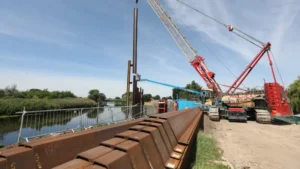
In one Southeast Asia riverbank project, our hot rolled U type steel sheet piles created a continuous retaining wall system. The goal was not load-bearing support. The goal was erosion protection and water control.
The contractor used vibratory piling equipment for fast installation. The interlocking performance was critical because even small gaps could allow water leakage. This is very different from normal foundation piling work.
From my view, understanding the engineering purpose before buying steel piles saves both money and project time.
What are the three types of piling?
Many buyers only know steel piles. In reality, several piling systems exist for different ground conditions and structural needs.
The three main types of piling are end-bearing piles, friction piles, and sheet piles. Each type works differently depending on soil conditions and engineering requirements.
End-Bearing Piles
End-bearing piles transfer building loads directly into hard soil or rock layers. These piles work like columns. The pile tip carries most of the load.
This system is common when the upper soil is weak but strong rock exists deeper underground.
Common materials include:
Friction Piles
Friction piles work differently. They transfer loads through surface friction between the pile body and surrounding soil.
These piles are useful when no strong rock layer is available at practical depths.
I often see friction piles used in:
- Soft clay areas
- Coastal zones
- Reclaimed land projects
Sheet Piles
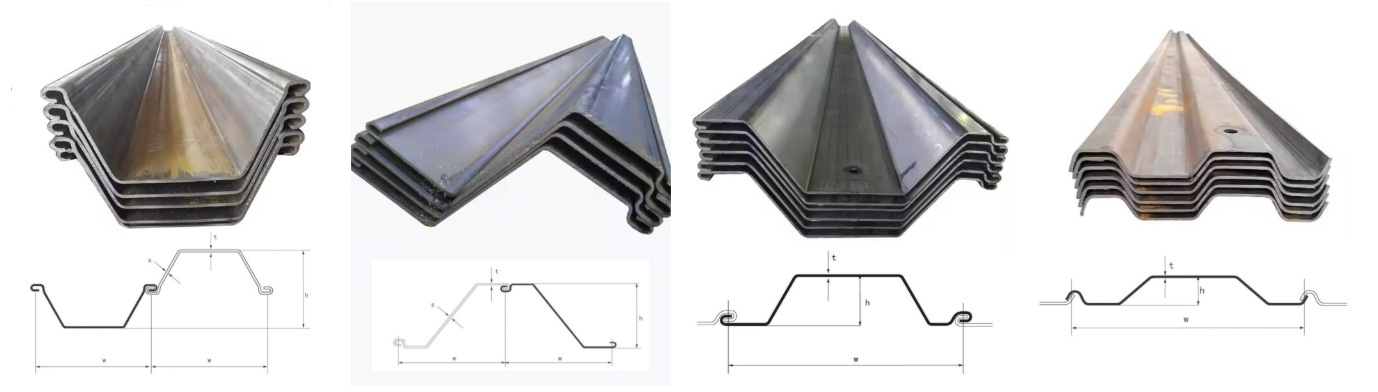
Sheet piles mainly resist lateral soil pressure. They are not traditional load-bearing piles in most cases.
Steel sheet piles create continuous barriers through interlocking sections. The system works very well for temporary and permanent retaining walls.
Learn more about U type and Z type steel sheet piles used for excavation support and flood control projects.
Comparison of the Three Types
| Pile Type | Main Function | Best Soil Condition | Common Material |
|---|---|---|---|
| End-Bearing Pile | Direct load transfer | Deep rock layer | Steel or concrete |
| Friction Pile | Surface friction support | Soft deep soil | Steel or concrete |
| Sheet Pile | Soil retention | Excavation zones | Steel sheet pile |
Why Steel Sheet Piles Are Growing Fast
I believe steel sheet piles are becoming more popular because contractors now focus more on installation speed and reusable materials.
Hot rolled steel sheet piles can:
- Install quickly
- Be extracted and reused
- Reduce excavation risks
- Support water control systems
In Middle East projects, many contractors prefer steel sheet piles because project schedules are tight. Faster installation directly reduces labor and equipment costs.
According to engineering studies about sheet pile systems, reusable steel retaining systems can also reduce overall project waste.
My Personal Observation
I think many engineers now combine piling systems together instead of relying on one method only. A modern marine structure may use:
- Pipe piles for vertical support
- Sheet piles for retaining walls
- Anchor systems for stability
This mixed approach improves both structural performance and project efficiency.
Is sheet piling a type of foundation?
Some buyers think sheet piles directly support buildings like standard foundations. This idea is partly correct but not always accurate.
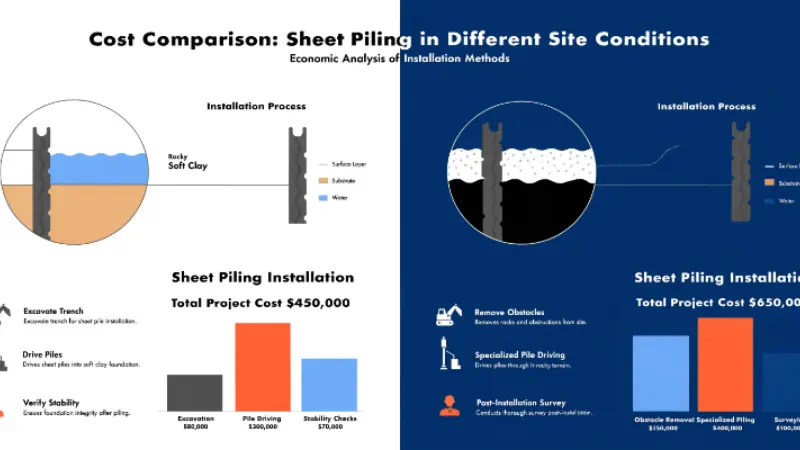
Sheet piling is mainly a retaining structure, not a traditional foundation. However, in some projects, steel sheet piles can also contribute to foundation stability and structural support.
The Main Role of Sheet Piles
Most sheet pile systems are designed to:
- Hold back soil
- Resist water pressure
- Stabilize excavations
- Prevent erosion
This makes them different from classic foundations that directly support vertical building loads.
When Sheet Piles Become Part of the Foundation
Some projects use sheet piles as combined structural systems. This is common in:
- Marine structures
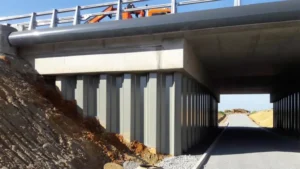
- Bridge abutments
- Flood walls
- Underground basements
In these situations, sheet piles may:
- Retain soil
- Carry partial structural loads
- Improve ground stability
For more engineering applications, visit our steel sheet pile project solutions page.
Common Foundation Categories
| Foundation Type | Typical Use |
|---|---|
| Shallow Foundation | Houses, low-rise buildings |
| Raft Foundation | Weak surface soils |
| Pile Foundation | Heavy structures |
| Caisson Foundation | Marine structures |
| Sheet Pile System | Retaining and water control |
Temporary vs Permanent Applications
Many contractors use sheet piles temporarily during excavation work. After concrete structures are completed, the sheet piles may be removed.
But permanent sheet pile walls are also very common now.
Permanent steel sheet pile systems are widely used for:
- Port infrastructure
- Riverbank protection
- Coastal defense
- Flood barriers
Corrosion Protection Matters
One thing I always explain to buyers is corrosion protection. Permanent sheet pile systems need proper corrosion planning.
Common methods include:
- Protective coatings
- Increased steel thickness
- Cathodic protection
- Corrosion allowance design
This becomes very important in seawater environments.
My View on Long-Term Use
I believe modern hot rolled steel sheet piles are no longer just temporary products. Many governments now use permanent sheet pile walls because they provide:
- Faster construction
- Lower maintenance
- Strong structural performance
- Good water sealing capability
This trend is especially clear in infrastructure projects across Southeast Asia and the Middle East.
What is the difference between piling and piles?
Many people use these terms interchangeably. This causes confusion during technical discussions and purchasing communication.
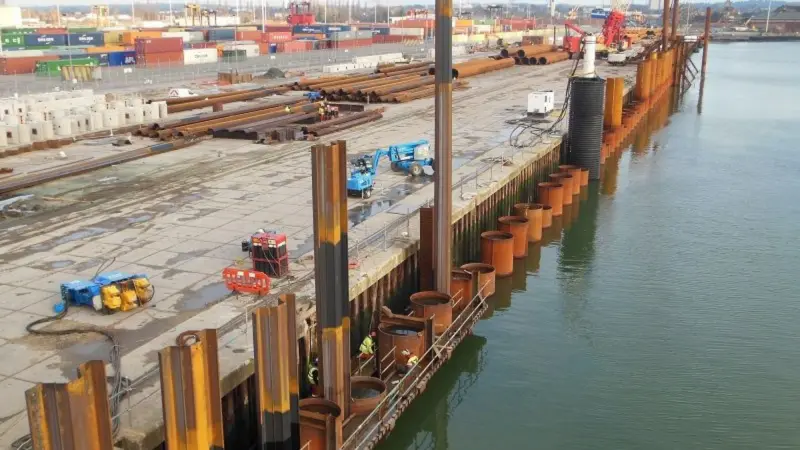
Piling refers to the construction process of installing piles into the ground. Piles are the actual structural elements used in the project. One describes the activity. The other describes the material or component.
Understanding the Terminology
This difference sounds simple, but it matters a lot in engineering communication.
“Piles” are the physical products:
- Steel sheet piles
- H piles
- Pipe piles
- Concrete piles
“Piling” describes the installation activity:
- Driving
- Vibrating
- Pressing
- Drilling
You can browse different steel piling products for construction and marine engineering projects.
Typical Piling Methods
| Piling Method | Description |
|---|---|
| Impact Driving | Uses hammer force |
| Vibratory Driving | Uses vibration equipment |
| Hydraulic Pressing | Silent installation method |
| Drilled Piling | Borehole installation |
Why the Difference Matters
I often receive inquiries saying:
“We need piling.”
But this statement alone is incomplete. I still need to know:
- Which pile type?
- Soil conditions?
- Project depth?
- Temporary or permanent use?
- Corrosion environment?
Without this information, material selection becomes risky.
Steel Sheet Piles Require Specialized Piling Methods
Sheet piling projects usually use:
- Vibratory hammers
- Hydraulic pressing systems
- Crane lifting equipment
The installation method directly affects:
- Wall alignment
- Interlock sealing
- Structural stability
In urban projects, hydraulic silent piling becomes more popular because it reduces vibration and noise.
Problems Caused by Incorrect Piling
I have seen projects fail because contractors used unsuitable piling methods.
Common problems include:
- Bent sheet piles
- Interlock damage
- Excessive wall deviation
- Water leakage
- Delayed installation
My Engineering Perspective
I think many buyers focus too much on steel prices and ignore piling quality. In reality, installation quality often determines the final project performance more than the pile itself.
Even high-quality steel sheet piles can fail if installation control is poor.
What are the 7 types of foundation?
Many construction buyers know pile foundations but do not fully understand the broader foundation system categories.
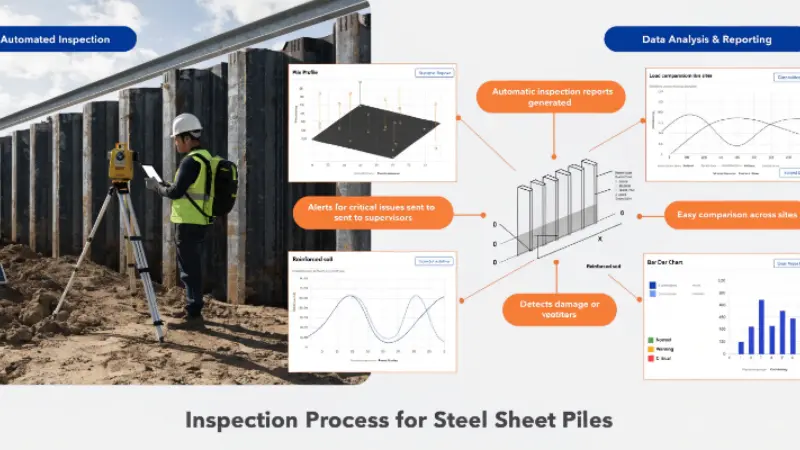
The seven common foundation types include shallow foundation, strip foundation, raft foundation, pile foundation, pier foundation, caisson foundation, and basement foundation systems.
1. Shallow Foundation
Shallow foundations transfer loads near ground level. They are common for small buildings with stable soil conditions.
Advantages:
- Lower cost
- Fast construction
- Simple design
2. Strip Foundation
Strip foundations support continuous walls. Residential buildings commonly use this system.
This foundation spreads loads along long strips under walls.
3. Raft Foundation
Raft foundations distribute building loads across a large concrete slab.
This system works well in:
- Soft soils
- Uneven ground conditions
- Heavy building loads
4. Pile Foundation
Pile foundations transfer loads deep underground.
Common uses:
- Bridges
- High-rise towers
- Marine structures
Steel piles are widely used because of high strength and fast installation.
Learn more about our pile foundation steel solutions for infrastructure projects.
5. Pier Foundation
Pier foundations use vertical columns to support structures.
This method is common for:
- Elevated structures
- Light industrial buildings
- Some bridge systems
6. Caisson Foundation
Caisson foundations are mainly used underwater.
Typical applications:
- Offshore structures
- Bridge piers
- Port construction
7. Basement Foundation
Basement foundations create usable underground spaces while supporting structural loads.
These systems often combine:
- Retaining walls
- Waterproofing
- Deep excavation support
Foundation Comparison Table
| Foundation Type | Depth | Main Use |
|---|---|---|
| Shallow Foundation | Low | Small buildings |
| Strip Foundation | Low | Wall support |
| Raft Foundation | Medium | Weak soils |
| Pile Foundation | Deep | Heavy loads |
| Pier Foundation | Medium | Elevated structures |
| Caisson Foundation | Very deep | Marine work |
| Basement Foundation | Medium to deep | Underground spaces |
Where Sheet Piles Fit Into Foundation Work
Sheet piles are not usually listed as one of the main foundation categories. Still, they support many foundation systems by:
- Stabilizing excavations
- Preventing soil collapse
- Controlling groundwater
Without sheet piling, many deep foundation projects become unsafe.
You can read more about deep foundation systems used in modern construction engineering.
My Industry Observation
I believe foundation design is becoming more integrated today. Engineers no longer rely on one isolated system. Modern projects combine:
- Deep foundations
- Retaining structures
- Waterproof systems
- Soil improvement methods
This creates safer and more efficient construction solutions.
What is a pile foundation used for?
Many structures fail because surface soil cannot support heavy loads. This is where pile foundations become necessary.
Pile foundations transfer structural loads deep into stronger soil or rock layers. They are used for heavy buildings, bridges, marine structures, and projects with weak surface soils.
Why Pile Foundations Are Needed
Some soil conditions are simply too weak near the surface.
Problems include:
- Settlement
- Soil movement
- Water saturation
- Low bearing capacity
Pile foundations bypass these weak layers and transfer loads deeper underground.
Common Applications
| Project Type | Why Pile Foundations Are Used |
|---|---|
| High-rise Buildings | Heavy structural loads |
| Bridges | Deep stability |
| Ports | Marine environment support |
| Industrial Plants | Vibration resistance |
| Flood Control Structures | Soil stability |
Steel Piles vs Concrete Piles
I often discuss this topic with contractors.
Steel piles offer:
- Faster installation
- Easier transportation
- High tensile strength
- Reusability
Concrete piles offer:
- Strong compression resistance
- Good durability
- Lower corrosion concerns
Why Steel Sheet Piles Are Important Around Foundations
Even when sheet piles are not the main foundation element, they still play a critical role during construction.
They help:
- Keep excavation walls stable
- Prevent groundwater intrusion
- Protect nearby structures
Without proper retaining systems, foundation excavation becomes dangerous.
For excavation and marine engineering support, our OEM steel sheet pile products are exported to the Middle East, Southeast Asia, Africa, and South America.
Riverbank Protection Example
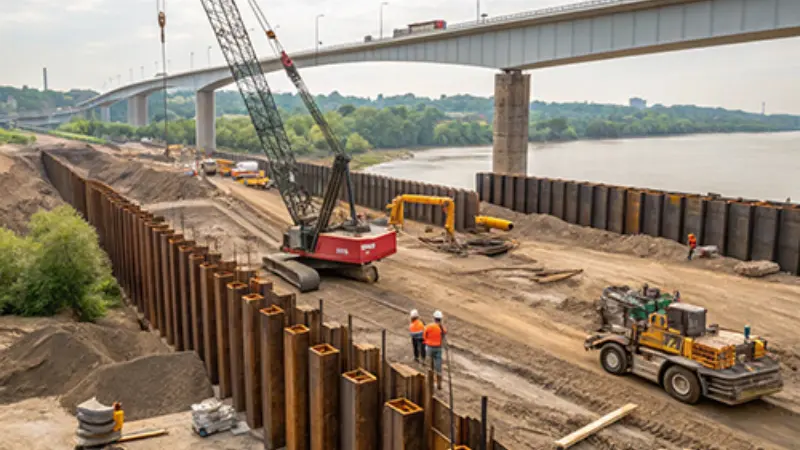
In our Southeast Asia riverbank project, hot rolled U type steel sheet piles stabilized the soil and controlled erosion along the riverbank.
The interlocking system created continuous structural support. Vibratory piling equipment improved installation efficiency and helped maintain the construction schedule.
This project showed how sheet piling and foundation engineering often work together in real construction environments.
My Final Engineering Opinion
I believe many successful projects come from choosing the correct pile system early in the design stage.
Too many buyers focus only on price. But soil conditions, corrosion exposure, installation method, and long-term performance are equally important.
In my experience, the best projects happen when engineers, contractors, and steel suppliers communicate clearly from the beginning.
Conclusion
Sheet piling and pile foundations serve different structural purposes, but both are essential in modern civil engineering and infrastructure construction.