You are working on an international project. The engineer is from Europe, the sheet piles will come from Asia, and the client is in the Middle East. You see designations like AZ 261, PZC 13, and U 400 x 1252 on the same drawing. What do all these numbers mean?
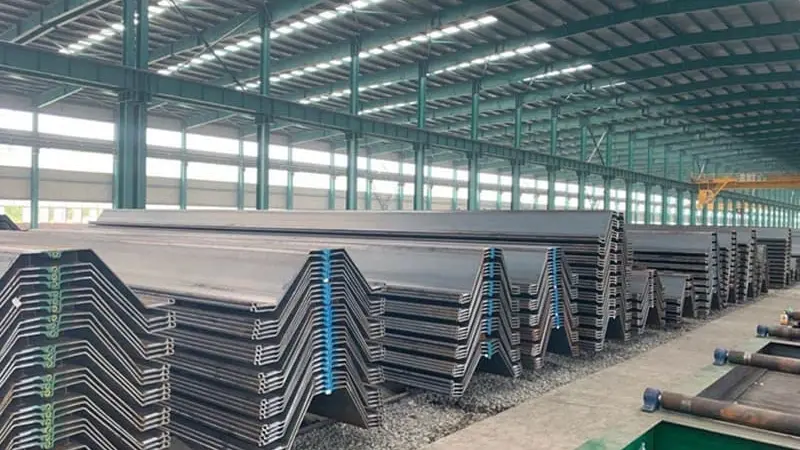
Global steel sheet pile size standards vary by region. Europe uses EN 10248 with designations like U 400 x 1252 for U piles and AZ 261 for Z piles. North America uses ASTM standards with designations like PZ 27 and PZC 13. Asia often uses the Type system (Type 2, Type 3, Type 4). Understanding these standards is essential for international projects.
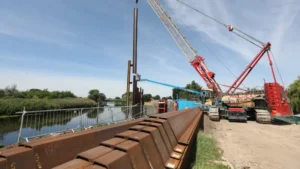
I have supplied sheet piles to projects all over the world. The riverbank project in Southeast Asia used U 400 x 1252 under EN 10248. A port project in the Middle East used AZ 261. A project in North America used PZC 13. Let me walk you through the different standards and how to compare them.
What is the ASTM for sheet pile?
ASTM is the American standard for sheet piles. It covers several different specifications for different applications.
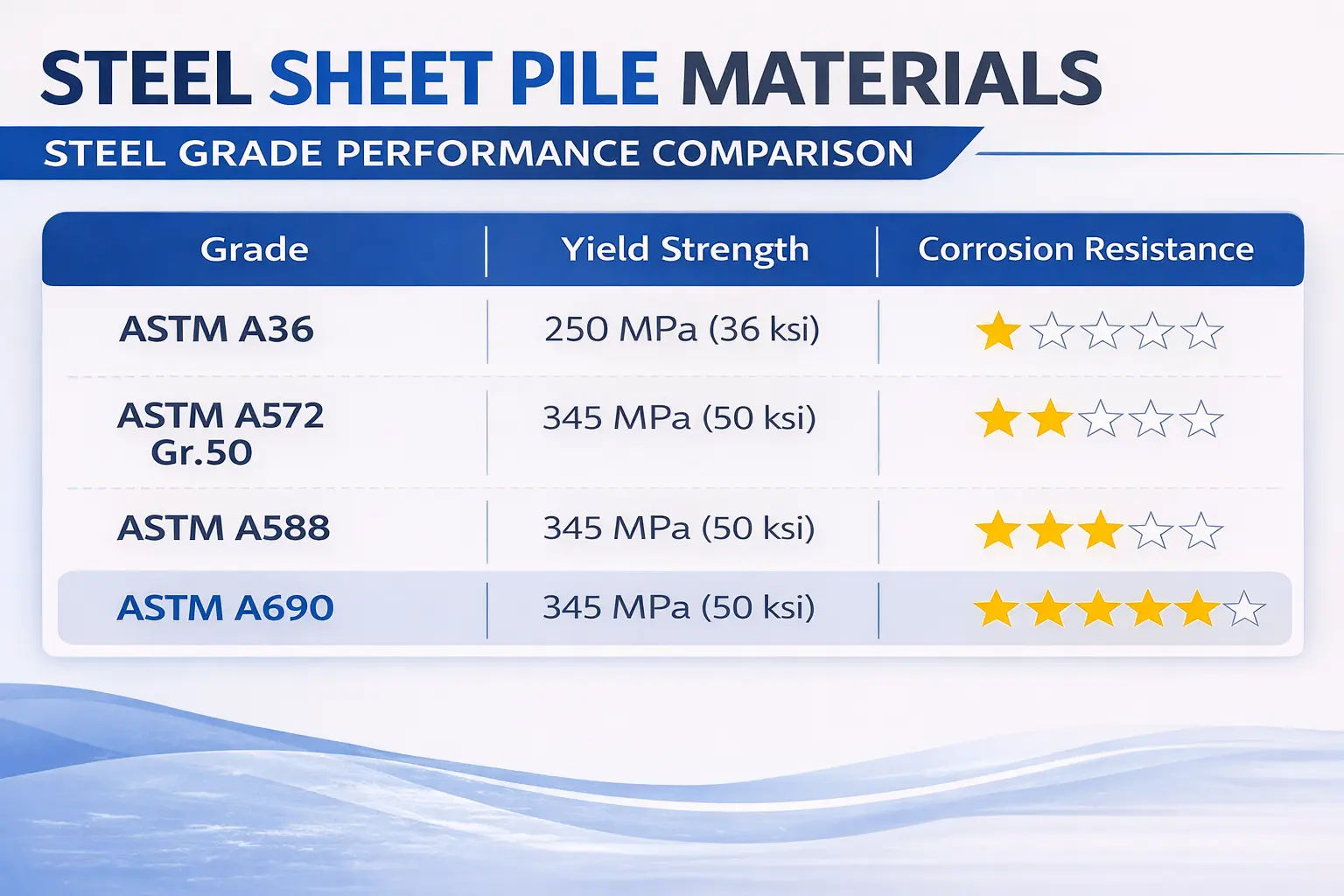
The main ASTM standards for sheet piles are ASTM A3281 (carbon steel sheet piles), ASTM A572 Grade 502 (high-strength sheet piles), ASTM A6903 (marine grade sheet piles), and ASTM A8574 (cold-formed sheet piles). The dimensions and properties are defined by manufacturer data sheets that reference these standards.
ASTM Standards Overview
Let me explain the different ASTM standards and what they cover.
ASTM A3281 – Carbon Steel Sheet Piles
This is the standard for standard carbon steel sheet piles. It specifies:
- Yield strength: 240 MPa (35 ksi) minimum
- Tensile strength: 410 MPa (60 ksi) minimum
- Chemical composition requirements
- Typical use: General retaining, temporary works, freshwater
ASTM A572 – High-Strength Low-Alloy Steel
This standard covers high-strength steel. Grade 50 is the most common for sheet piles:
- Yield strength: 345 MPa (50 ksi) minimum
- Tensile strength: 450 MPa (65 ksi) minimum
- Typical use: Deep excavations, heavy loads
ASTM A6903 – Marine Grade Sheet Piles
This is the standard for sheet piles with improved corrosion resistance in marine environments:
- Yield strength: 345 MPa (50 ksi) minimum
- Tensile strength: 485 MPa (70 ksi) minimum
- Contains copper, nickel, and phosphorus for corrosion resistance
- Typical use: Ports, harbors, seawalls
ASTM A8574 – Cold-Formed Sheet Piles
This standard covers light-gage cold-formed sheet piles:
- Yield strength: varies by thickness
- Typical use: Temporary works, light retaining
ASTM Sheet Pile Designations
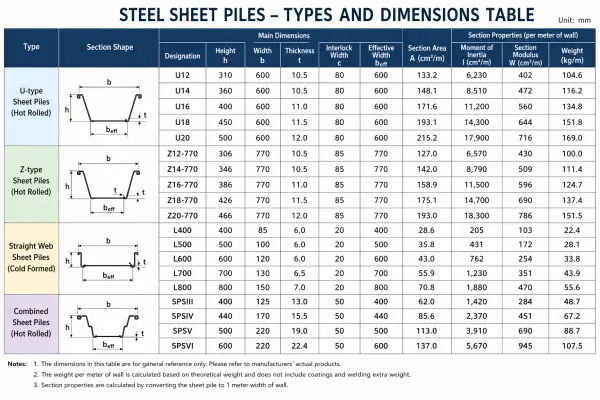
ASTM standards do not specify dimensions. The dimensions come from manufacturer data sheets. Common North American designations include:
- PZ series: PZ 22, PZ 27, PZ 35, PZ 40 (hook-and-grip interlocks)
- PZC series: PZC 13, PZC 18, PZC 26, PZC 29 (ball-and-socket interlocks)
- U type: Various sections
My Experience
When a North American project calls for ASTM sheet piles, I ask which standard: A328, A572, or A690. Then I confirm the section (PZ, PZC, or U). The combination tells me exactly what to supply.
What is the difference between U and Z sheet piles1?
U and Z sheet piles1 have different shapes, interlocks, and structural properties. The choice between them affects design, installation, and cost.
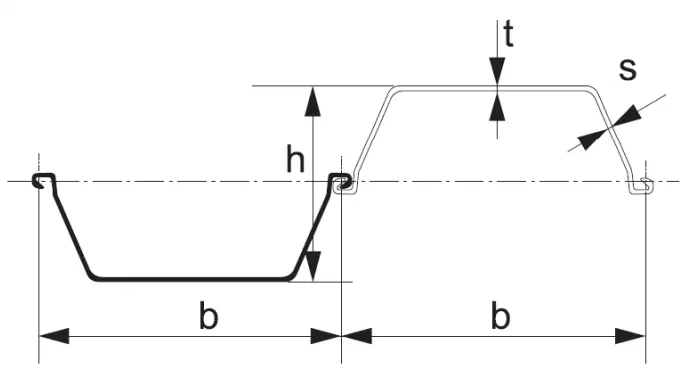
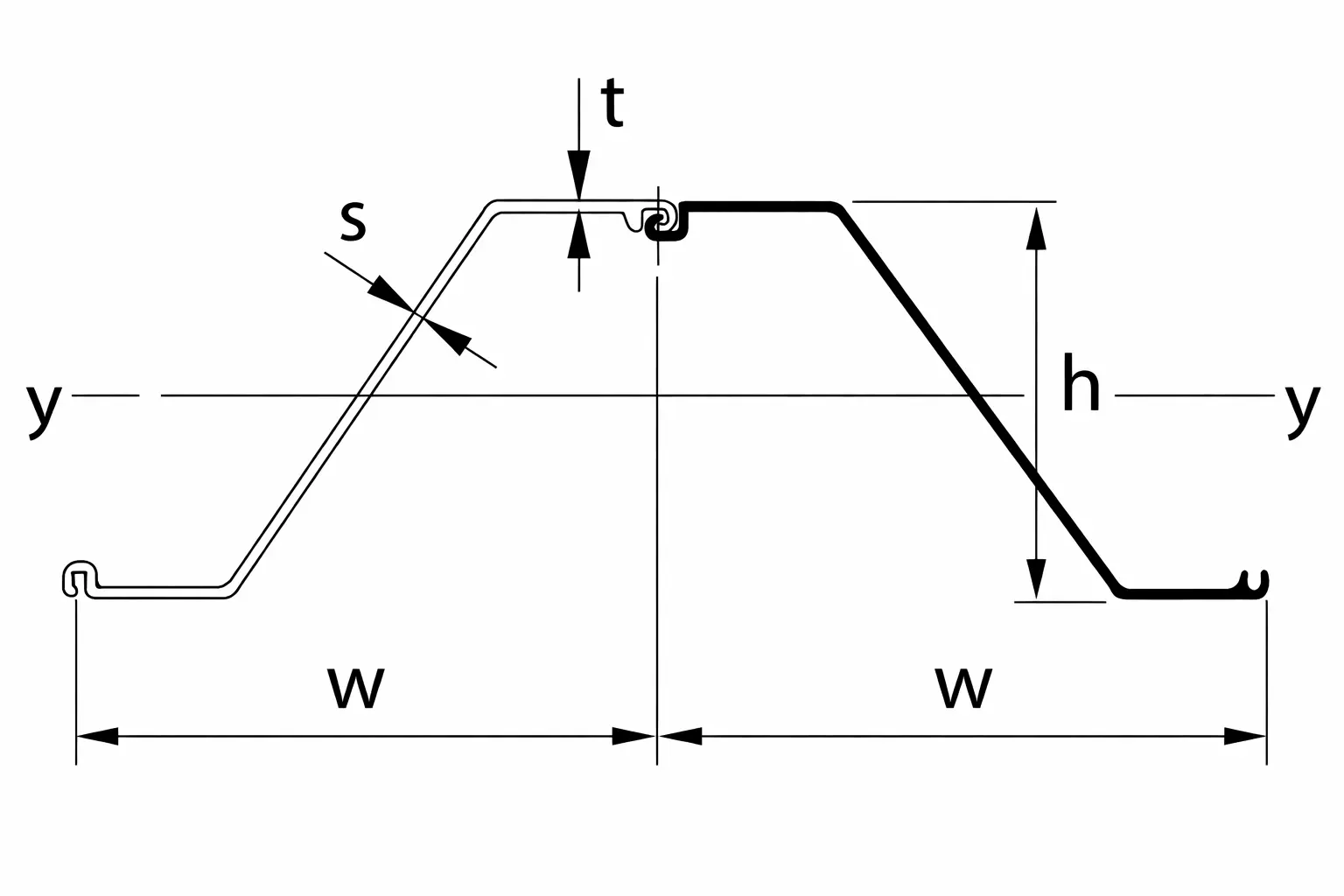
U sheet piles2 are symmetric with interlocks at the neutral axis, making them easier to install and better for curved walls3. Z sheet piles1 are asymmetric with interlocks at the outer flanges, giving them higher structural efficiency4 per kilogram of steel. U piles are designated by width and height (e.g., U 400 x 125). Z piles are designated by section modulus (e.g., AZ 26) or manufacturer codes (e.g., PZC 13).
Detailed Comparison
Let me break down the differences in detail.
U Type Sheet Piles
- Profile: Symmetric, looks like a U
- Interlock: Larssen ball-and-socket at neutral axis
- Width: Typically 400 mm or 600 mm
- Height: 100 mm to 210 mm
- Designation: Width x Height (U 400 x 125)
- Best for: Curved walls, moderate depths (under 10 m)
- Advantages: Easy installation, forgiving alignment, good water tightness
Z Type Sheet Piles
- Profile: Asymmetric, looks like a Z
- Interlock: Ball-and-socket or hook-and-grip at outer flanges
- Width: Typically 630 mm to 700 mm
- Height: 260 mm to 530 mm
- Designation: Section modulus (AZ 26) or manufacturer code (PZC 13)
- Best for: Deep, straight walls (over 10 m)
- Advantages: Higher strength per kg, wider sections, fewer piles
Comparison Table
| Feature | U Type | Z Type |
|---|---|---|
| Symmetry | Symmetric | Asymmetric |
| Interlock position | Neutral axis | Outer flanges |
| Typical width | 400-600 mm | 630-700 mm |
| Typical height | 100-210 mm | 260-530 mm |
| Structural efficiency | Good | Higher |
| Curved walls | Excellent | Difficult |
| Straight walls | Good | Excellent |
| Installation | Forgiving | Requires more care |
| Designation | Width x Height | Section modulus or code |
Regional Preferences
- Europe: Both U and Z are common. U for moderate depths, Z for deep excavations.
- North America: Z types (PZ, PZC) dominate. U types are available but less common.
- Asia: U types (Type 2, 3, 4) are very common. Z types are used for deeper projects.
My Experience
For the riverbank project (curved, moderate depth), we used U type. For the port project (straight, deep water), we used Z type. The choice depends on the project.
What are the dimensions of gu13 sheet pile1s?
GU 132 is a U-type sheet pile1 designation used in some European and Asian specifications. It refers to a section with a width of 400 mm and a height of 125 mm.
GU 132 sheet pile1 has a width of 400 mm, a height of 125 mm, a thickness of 13 mm, and a weight of 60 kg/m. The section modulus is 1,590 cm³/m. It is equivalent to U 400 x 125-13 under EN 10248 and Type 3 under the Asian Type system.
Understanding GU Series Designations
GU is a designation system used by some European manufacturers. Let me explain the naming.
GU Series Specifications
| Designation | Width (mm) | Height (mm) | Thickness (mm) | Weight (kg/m) | S (cm³/m) |
|---|---|---|---|---|---|
| GU 8 | 400 | 100 | 8.0 | 40.0 | 900 |
| GU 10 | 400 | 100 | 10.5 | 48.0 | 1,080 |
| GU 12 | 400 | 125 | 10.0 | 50.0 | 1,330 |
| GU 132 | 400 | 125 | 13.0 | 60.0 | 1,590 |
| GU 14 | 400 | 125 | 15.0 | 68.0 | 1,800 |
| GU 16 | 400 | 170 | 11.0 | 55.0 | 1,790 |
| GU 17 | 400 | 170 | 13.5 | 65.0 | 2,120 |
| GU 18 | 400 | 170 | 15.5 | 76.1 | 2,470 |
| GU 20 | 400 | 170 | 18.0 | 86.0 | 2,800 |
GU 132 Detailed Specifications
| Property | Value |
|---|---|
| Width | 400 mm |
| Height | 125 mm |
| Web thickness | 13.0 mm |
| Flange thickness | 13.0 mm |
| Weight per meter | 60.0 kg/m |
| Section modulus | 1,590 cm³/m |
| Moment of inertia | 9,900 cm⁴/m |
| Cross-sectional area | 76.4 cm² |
- EN 10248: U 400 x 125-13
- Asian Type system: Type 3
- ASTM: Equivalent U section
My Experience
I have seen GU designations on projects from European-sourced materials. GU 132 is equivalent to the U 400 x 125 we used on the riverbank project. Knowing the equivalents helps when matching specifications across standards.
What is the difference between NZ and PZ sheet piles1?
NZ and PZ are both Z-type sheet pile designations, but they come from different manufacturers and have different interlocks.
PZ sheet piles1 are North American Z piles with hook-and-grip interlocks, manufactured by Nucor Skyline and others. NZ sheet piles2 are New Zealand Z piles with ball-and-socket interlocks, commonly used in Australia and New Zealand. The key difference is the interlock design3—PZ uses hook-and-grip, NZ uses ball-and-socket, which provides better driving performance4 and water tightness.
](https://cnsteelplant.com/wp-content/uploads/2026/03/Comparison-Table-of-Article-Information-2.webp)
Detailed Comparison
Let me explain the differences in detail.
PZ Sheet Piles (North America)
- Interlock: Hook-and-grip
- Width: 16 inches (406 mm)
- Sections: PZ 22, PZ 27, PZ 35, PZ 40
- Typical use: General retaining, moderate depths
- Advantages: Widely available in North America, cost-effective
- Limitations: Hook-and-grip interlocks require careful alignment
NZ Sheet Piles (Australia/New Zealand)
- Interlock: Ball-and-socket (similar to Larssen)
- Width: Typically 400 mm or 600 mm
- Sections: Various, often designated by section modulus
- Typical use: Marine structures, deep excavations
- Advantages: Better driving performance4, improved water tightness
NZ Series Specifications (Typical)
| Section | Width (mm) | Height (mm) | Weight (kg/m) | S (cm³/m) |
|---|---|---|---|---|
| NZ 18 | 400 | 125 | 60.0 | 1,590 |
| NZ 25 | 400 | 170 | 76.1 | 2,470 |
| NZ 32 | 600 | 180 | 81.6 | 3,820 |
| NZ 45 | 600 | 210 | 106.2 | 5,730 |
Comparison Table
| Feature | PZ Series | NZ Series |
|---|---|---|
| Origin | North America | Australia/New Zealand |
| Interlock | Hook-and-grip | Ball-and-socket |
| Width | 16 inches (406 mm) | 400 mm or 600 mm |
| Driving performance | Good | Excellent |
| Water tightness | Good with sealants | Good without sealants |
| Availability | North America | Australia, NZ, Pacific |
Interlock Differences
- Hook-and-grip (PZ): The hook on one pile grips the grip on the next. This requires precise alignment.
- Ball-and-socket (NZ): The ball fits into the socket. This allows more tolerance during driving and tightens under pressure.
My Experience
I have supplied both types. For a project in North America, we used PZ 35. The contractor was familiar with the hook-and-grip interlock. For a project in Australia, we used NZ sections with ball-and-socket interlocks. The choice was driven by regional availability and contractor preference.
Conclusion
Global sheet pile standards1 vary by region. Europe uses EN 102482 with U and AZ designations. North America uses ASTM with PZ and PZC designations. Asia often uses the Type system. Understanding these standards helps you specify and order the right piles for international projects.
-
Exploring this link will provide insights into the various standards and their applications in global construction projects. ↩ ↩ ↩ ↩ ↩ ↩ ↩ ↩ ↩ ↩ ↩ ↩ ↩ ↩
-
This resource will help you understand the specifics of EN 10248, crucial for projects in Europe. ↩ ↩ ↩ ↩ ↩ ↩ ↩ ↩ ↩ ↩ ↩ ↩ ↩
-
Discover how interlock design affects the performance and installation of sheet piles. ↩ ↩ ↩ ↩
-
Find out how driving performance impacts the choice between PZ and NZ sheet piles in projects. ↩ ↩ ↩ ↩ ↩