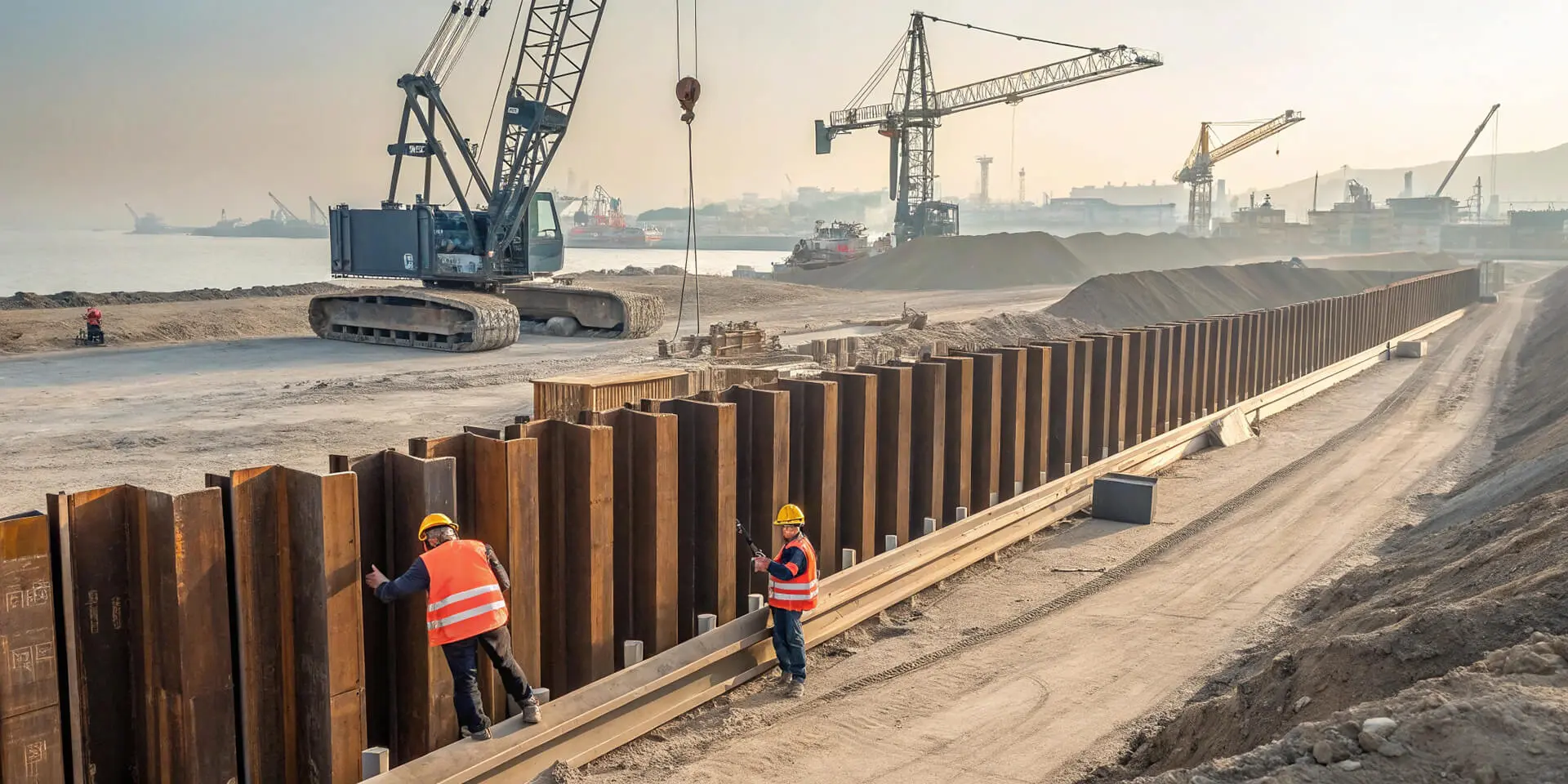
Our Solutions
Steel Sheet Pile Solutions for Port & Harbor Protection
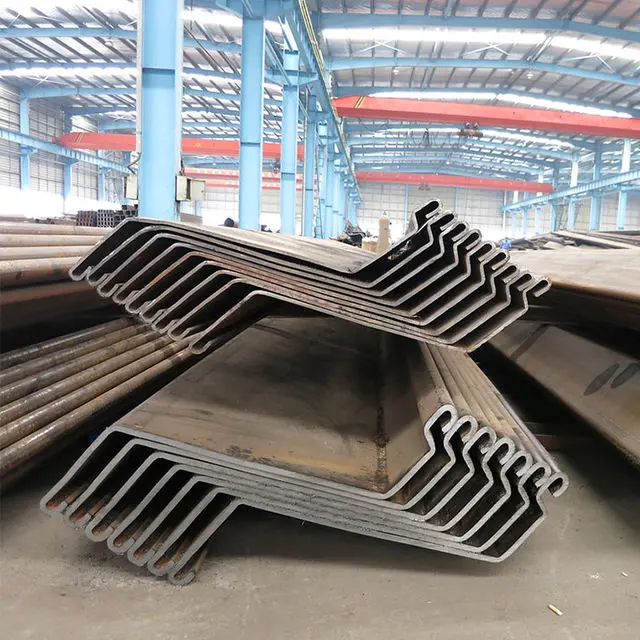
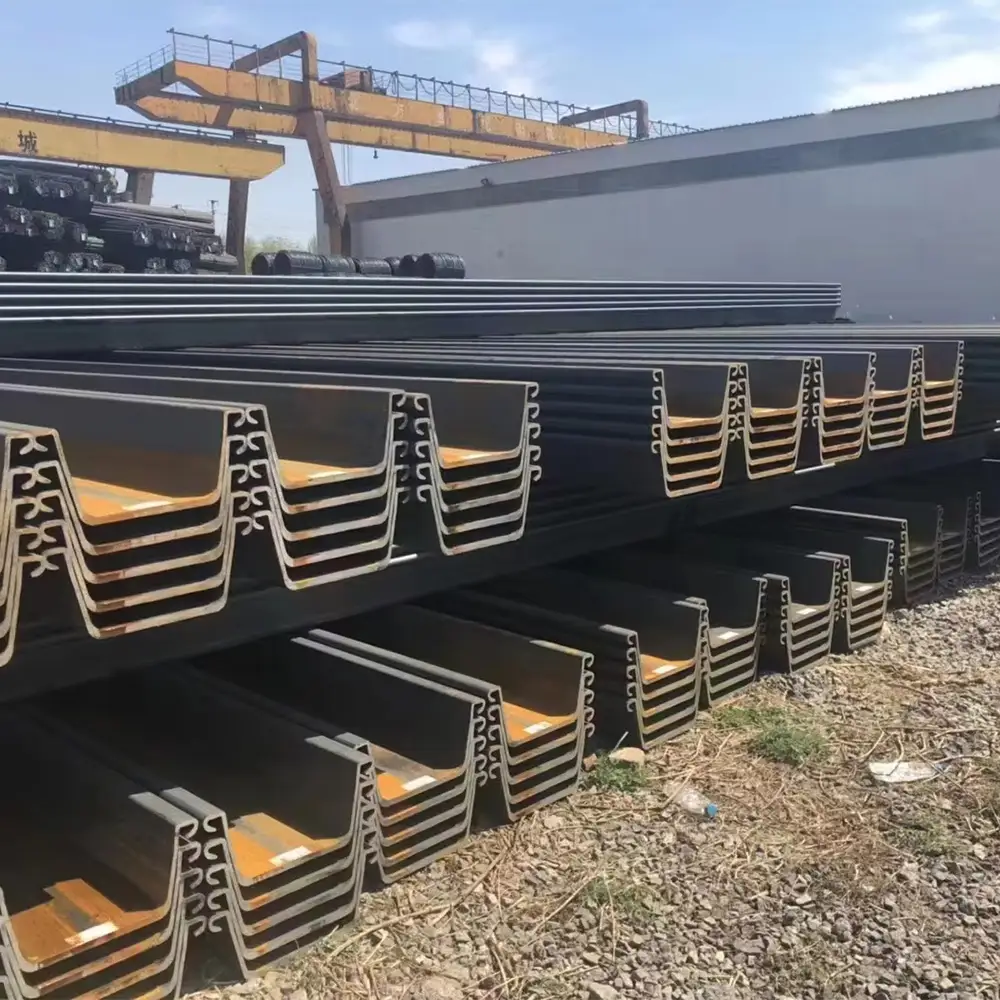
Steel sheet pile systems for port and harbor protection typically use U or Z profiles, or combined wall systems, selected based on water depth, design load, corrosion exposure, and service life. Solutions can include coated or high-grade steel (e.g., S355, ASTM A690) with full supply of piles, tie rods, and structural components.
We support quay walls, bulkheads, and waterfront retaining systems using:
- U / Z sheet piles for standard marine retaining
- Tubular or HZ combined walls for high bending demand
- Steel grades such as S355, S390, ASTM A690 for marine exposure
- Corrosion strategies including coatings, galvanizing, or corrosion allowance
What Is Port & Harbor Sheet Pile Protection?
Steel sheet piles are widely used in port and harbor construction to form retaining walls, quay walls, and bulkheads.
They provide:
- Soil retention along waterfronts
- Structural support for berthing and loading areas
- Protection against erosion and wave impact
👉 In marine environments, sheet piles act as both structural and hydraulic barriers.
Typical Applications:Quay walls and berths,Bulkhead retaining systems,Port expansion projects,Coastal protection structures,Shipyard and dock construction.
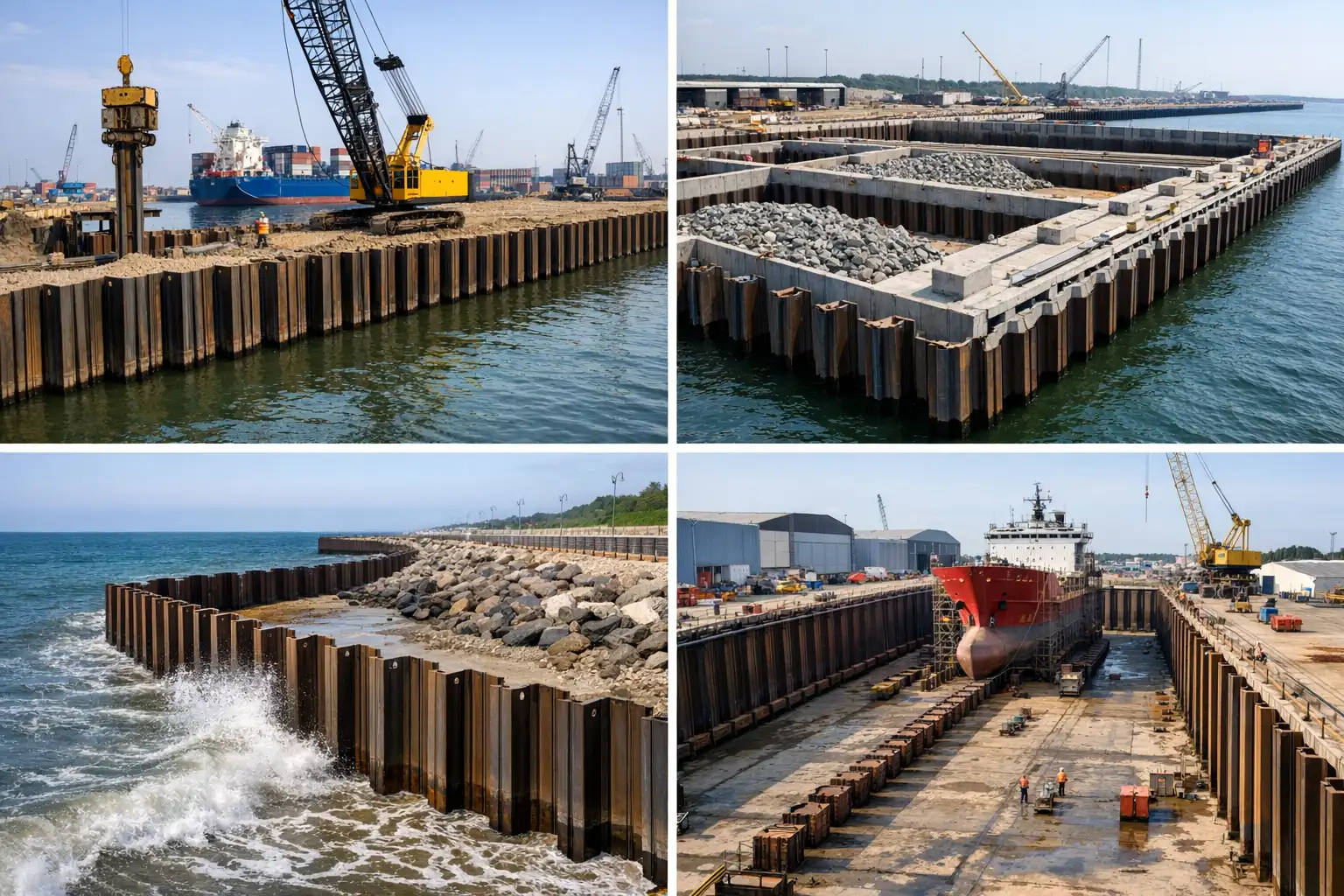
What Is Port & Harbor Sheet Pile Protection?
Steel sheet piles are widely used in port and harbor construction to form retaining walls, quay walls, and bulkheads.
They provide:
- Soil retention along waterfronts
- Structural support for berthing and loading areas
- Protection against erosion and wave impact
👉 In marine environments, sheet piles act as both structural and hydraulic barriers.
Typical Applications:Quay walls and berths,Bulkhead retaining systems,Port expansion projects,Coastal protection structures,Shipyard and dock construction.
Recommended Sheet Pile Systems for Marine Projects
| System Type | Application Scenario | Key Advantage |
|---|---|---|
| U Sheet Piles | General quay walls | Cost-effective, easy installation |
| Z Sheet Piles | Large retaining walls | Higher section modulus, efficient design |
| Tubular Combined Wall | Deep water / heavy load | High bending capacity |
| HZ Combined Wall | Large infrastructure | Maximum structural performance |
Key Engineering Considerations
Port projects require more than standard sheet pile selection. Key factors include:
- Water depth & retained height
- Berthing loads & surcharge loads
- Soil and seabed conditions
- Corrosion environment (saltwater exposure)
- Design life (20–50+ years)
👉 Marine sheet pile design must balance structural performance, durability, and long-term corrosion resistance.
Corrosion Protection Strategy
In marine environments, corrosion is one of the most critical factors.
Common approaches include:
- Protective coatings (epoxy, bitumen)
- Hot-dip galvanizing
- Increased steel thickness (corrosion allowance)
- Use of ASTM A690 or equivalent marine-grade steel
Project Supply Scope
Project-Oriented Supply for Port & Harbor Structures: For port and harbor projects, supply scope typically extends beyond standard sheet piles. We support complete retaining system supply, aligned with marine engineering requirements and construction practices.
1. Steel Sheet Piles
2. Combined Wall Systems
3. Pipe Piles
4. Tie Rod & Anchoring Systems
5. Waling Beams & Connections
6. Corrosion-Adapted Options
Project Supply Scope
Project-Oriented Supply for Port & Harbor Structures: For port and harbor projects, supply scope typically extends beyond standard sheet piles. We support complete retaining system supply, aligned with marine engineering requirements and construction practices.
1. Steel Sheet Piles
2. Combined Wall Systems
3. Pipe Piles
4. Tie Rod & Anchoring Systems
5. Waling Beams & Connections
6. Corrosion-Adapted Options
our services
Why Our Sheet Pile Solutions Fit Port & Harbor Projects?
1.Application-Based Engineering Understanding
2.System-Level Supply Capability
3.Marine Environment Experience
4.Flexible Solutions for Different Project Types
5. Export-Oriented Project Support
6. Efficient Technical Communication
our services
Why Our Sheet Pile Solutions Fit Port & Harbor Projects?
1.Application-Based Engineering Understanding
2.System-Level Supply Capability
3.Marine Environment Experience
4.Flexible Solutions for Different Project Types
5. Export-Oriented Project Support
6. Efficient Technical Communication
How to Select the Right Sheet Pile System for Port Projects?
Choosing the right system depends on:
- Required bending moment capacity
- Wall height and water depth
- Installation constraints
- Budget vs design life
👉 If your project requires higher structural performance, combined wall systems may be more suitable than standard sheet piles.
For moderate applications, U or Z profiles are often sufficient and more economical.
U vs Z vs Combined Wall
- U Sheet Piles → standard & flexible
- Z Sheet Piles → higher efficiency
- Combined Wall → heavy-duty marine structures
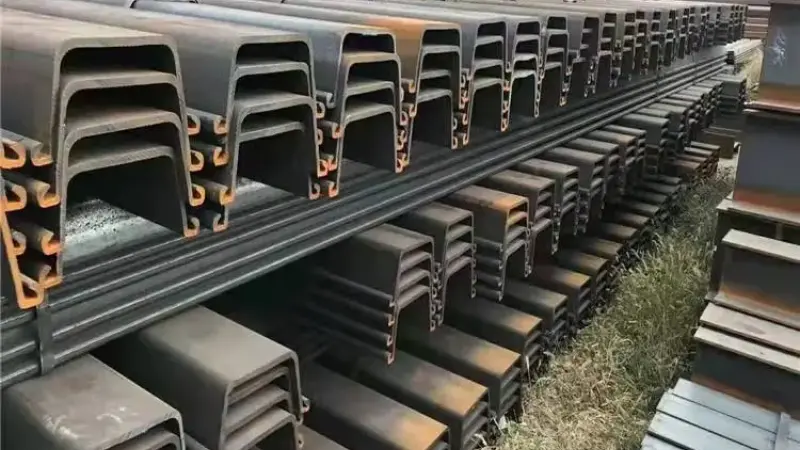
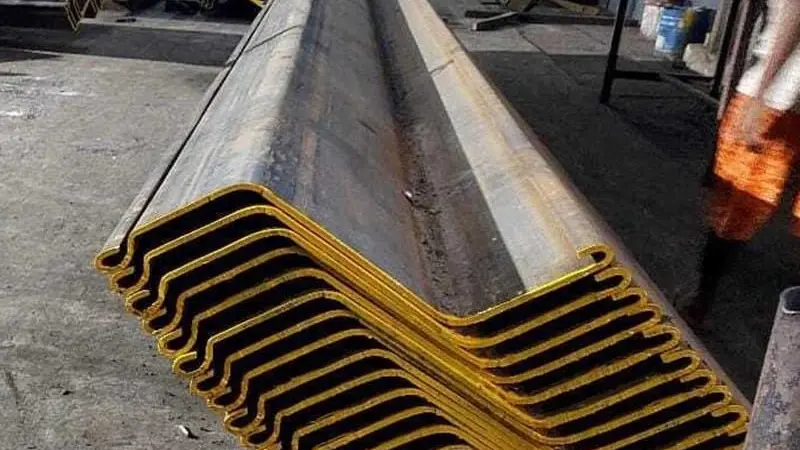
How to Select the Right Sheet Pile System for Port Projects?
Choosing the right system depends on:
- Required bending moment capacity
- Wall height and water depth
- Installation constraints
- Budget vs design life
👉 If your project requires higher structural performance, combined wall systems may be more suitable than standard sheet piles.
For moderate applications, U or Z profiles are often sufficient and more economical.
U vs Z vs Combined Wall
- U Sheet Piles → standard & flexible
- Z Sheet Piles → higher efficiency
- Combined Wall → heavy-duty marine structures
FAQ
Q1: What type of sheet pile system is typically used for port and harbor projects?
Z sheet piles and combined wall systems are commonly used due to their higher section modulus and structural efficiency. For heavy-duty marine applications, tubular or HZ combined walls are preferred to handle larger loads and deeper water conditions.
Q2: How do you select the right sheet pile for a quay wall or bulkhead?
Selection depends on factors such as water depth, retained height, soil conditions, design load, and required service life. These parameters determine the required section modulus, steel grade, and system type.
Q3: How is corrosion handled in marine sheet pile applications?
Corrosion protection is critical in seawater environments. Common methods include protective coatings, galvanizing, increased steel thickness (corrosion allowance), or using marine-grade steel such as ASTM A690.
Q4: Can sheet piles be used for permanent port structures?
Yes. Steel sheet piles are widely used in permanent quay walls and bulkheads. With proper design and corrosion protection, they can achieve long service life in marine environments.
Q5: What is the difference between standard sheet piles and combined wall systems?
Standard sheet piles are suitable for moderate loads and typical retaining structures, while combined wall systems offer significantly higher bending stiffness and are used in large-scale or deep-water marine projects.
Q6: Do you supply only sheet piles or complete project systems?
We can supply complete systems, including sheet piles, pipe piles, combined walls, tie rods, walers, and connection components, ensuring compatibility and simplifying project procurement.
Tell Us Your Port Project Requirements
Whether you are working on a quay wall, bulkhead, or marine retaining system, we can help match the right sheet pile solution.