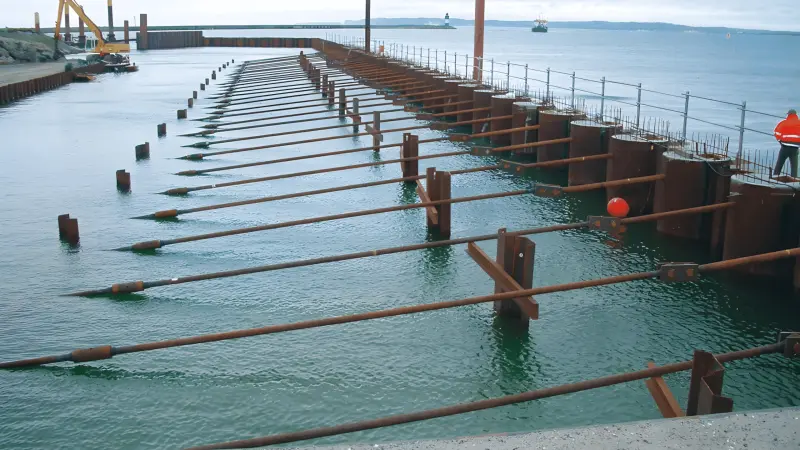
Seawater can destroy ordinary steel structures faster than many engineers expect. Choosing the wrong sheet pile often leads to corrosion problems, expensive repairs, and shorter service life.
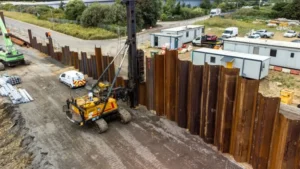
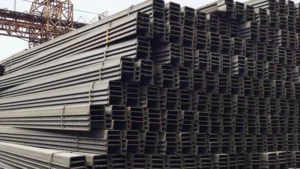
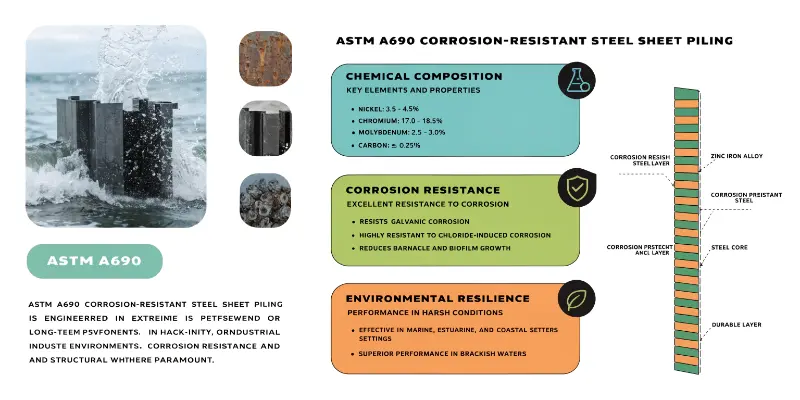
The best sheet pile for seawater is typically a hot rolled steel sheet pile made from marine-grade steel such as ASTM A690 or S355, combined with proper corrosion protection. Z-type and U-type sheet piles are both widely used in seawalls, ports, and coastal infrastructure.
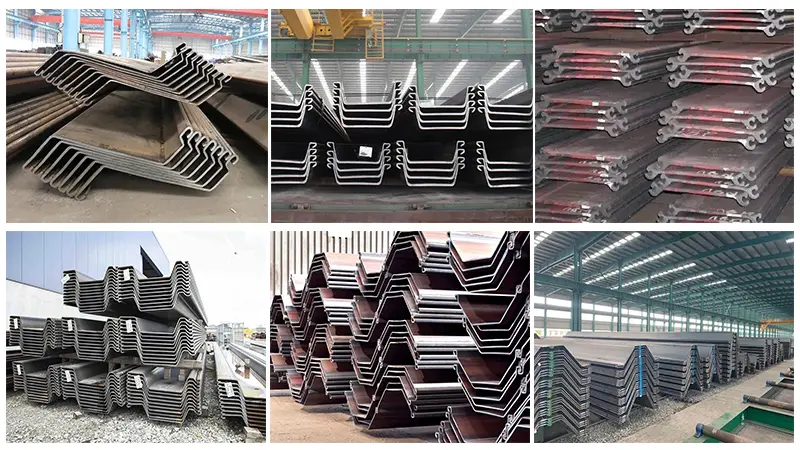
I often receive inquiries from contractors building ports, seawalls, and coastal protection projects. Many buyers focus only on steel grade. I believe seawater projects require a broader view. Corrosion resistance, structural capacity, installation conditions, and project lifespan all matter when selecting sheet piles.
For marine-grade specification reference, see ASTM A690/A690M-24 and the ArcelorMittal sheet piling home page.
Are sheet piles water proof?
Water intrusion can create challenges for excavations, cofferdams, and marine structures. Many project owners assume sheet piles completely block water.
Sheet piles are not fully waterproof. Their interlocking system significantly reduces water flow, but small seepage can still occur. Sealants, welding, and grouting are often used when higher water tightness is required.
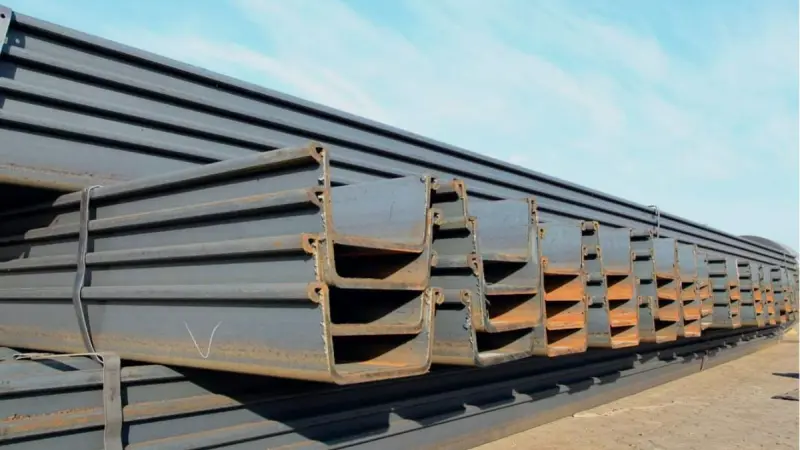
How Sheet Pile Interlocks Reduce Water Flow
Steel sheet piles connect through interlocks that form a continuous barrier.
These interlocks help:
- Control groundwater movement
- Stabilize soil
- Reduce erosion
- Improve excavation safety
The effectiveness depends on installation quality and soil conditions.
Factors That Affect Water Tightness
Several conditions influence water performance.
| Factor | Impact |
|---|---|
| Interlock condition | High |
| Installation accuracy | High |
| Soil permeability | Medium |
| Water pressure | High |
| Sealant use | High |
Even small installation errors may increase seepage.
Methods to Improve Water Resistance
Engineers often use:
- Bituminous sealants
- Polyurethane sealants
- Welded interlocks
- Grouting systems
These methods can improve water control significantly.
Marine Construction Applications
Ports and seawalls often use sheet piles to control both soil and water movement. Complete waterproofing is rarely required. Controlled seepage is often acceptable when drainage systems are properly designed.
For water-tightness and interlock performance guidance, see the Steel Piling Group notes and Keller’s sheet pile overview.
My View
I always explain that sheet piles are water-resistant rather than waterproof. Most seawater projects perform very well when proper sealing methods are combined with good engineering design.
What is the best material for a sea wall?
Sea walls face constant wave action, saltwater exposure, and corrosion. Material selection directly affects long-term durability.
Steel sheet piles made from ASTM A690, S355, or similar marine-grade steels are among the best materials for sea walls because they combine strength, durability, and efficient installation.
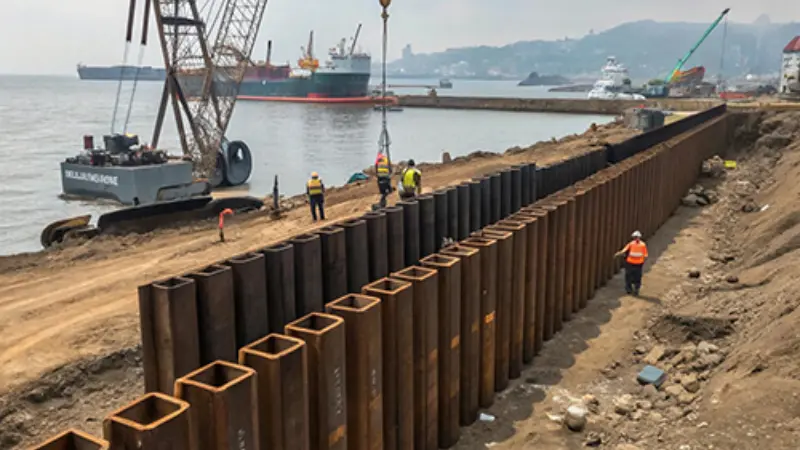
Requirements for Sea Wall Materials
A successful sea wall material should provide:
- High structural strength
- Corrosion resistance
- Long service life
- Impact resistance
The material must perform under harsh environmental conditions.
Common Sea Wall Materials
| Material | Strength | Durability | Installation Speed |
|---|---|---|---|
| Steel Sheet Piles | High | High | Fast |
| Reinforced Concrete | High | High | Slow |
| Vinyl Sheet Piles | Medium | Medium | Fast |
| Composite Materials | Medium | High | Medium |
Why Steel Remains Popular
Steel sheet piles offer:
- Fast installation
- Strong interlocks
- Flexible design
- High load capacity
This combination makes them attractive for coastal projects.
Corrosion Protection
Marine structures often use:
- Epoxy coatings
- Cathodic protection
- Increased corrosion allowance
Useful corrosion resources are available from the American Galvanizers Association and the Steel Piling Group durability guidance.
My Experience
Many contractors in the Gulf region and Southeast Asia choose hot rolled steel sheet piles because they provide excellent structural performance while maintaining competitive project costs.
My Perspective
I believe steel sheet piles remain the most practical choice for most seawall projects when corrosion protection is included from the beginning.
For marine durability design, see the Steel Piling Group durability guidance, the ArcelorMittal piling handbook, and the ArcelorMittal sheet piling homepage.
What is the difference between Type 2 and Type 4 sheet piles?
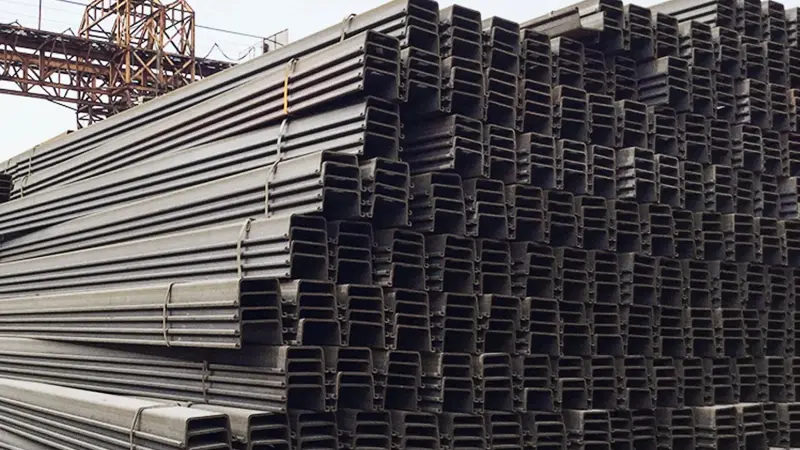
Many engineers compare Type 2 and Type 4 sheet piles when selecting a profile for marine and seawater applications.
Type 4 sheet piles provide higher section modulus and greater bending resistance than Type 2 sections, making them more suitable for high-load seawalls, ports, and deep excavations.
Understanding Structural Capacity
The main difference is section modulus.
Higher section modulus provides:
- Better bending strength
- Reduced wall movement
- Greater resistance to lateral loads
Comparison Table
| Property | Type 2 | Type 4 |
|---|---|---|
| Weight | Lower | Higher |
| Strength | Moderate | High |
| Excavation Depth | Moderate | Deep |
| Load Capacity | Moderate | High |
Marine Applications
Type 2 piles often work well for:
- Small retaining walls
- Temporary structures
- Moderate soil conditions
Type 4 piles are commonly selected for:
- Port construction
- Deep seawalls
- Coastal protection systems
Cost and Performance
Type 4 sections usually cost more. However, they often reduce wall deflection and improve long-term performance.
My View
For seawater projects with significant loads, I generally prefer Type 4 sections because they provide a larger structural safety margin.
For structural efficiency and profile selection, see the ArcelorMittal AZ sections page and the high modulus Z sheet pile wall guidance.
What is the difference between U type and Z type sheet piles?
The profile shape affects both structural performance and installation efficiency.
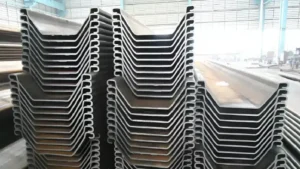
U-type sheet piles offer reliable interlocking performance and easy installation, while Z-type sheet piles provide higher section modulus and better structural efficiency for demanding marine projects.
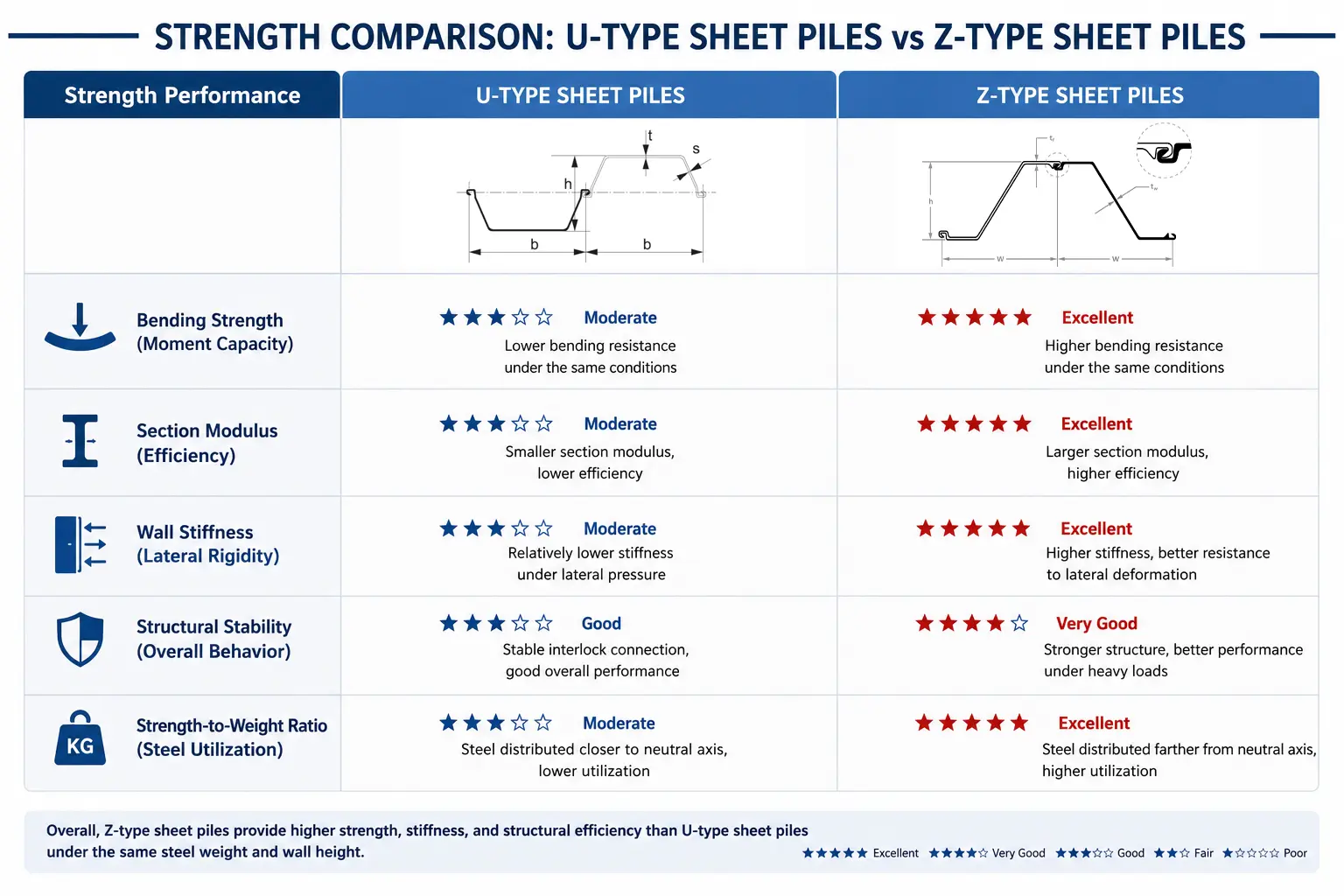
U-Type Sheet Piles
U-type piles provide:
- Strong interlocks
- Easy installation
- Good flexibility
They are commonly used for:
- Riverbank protection
- Temporary retaining walls
- Flood control systems
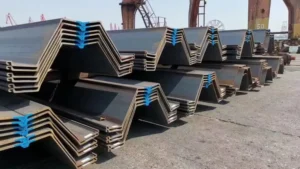
Z-Type Sheet Piles
Z-type piles provide:
- Higher bending resistance
- Greater structural efficiency
- Better strength-to-weight ratio
They are widely used in:
- Ports
- Seawalls
- Deep excavations
Comparison Table
| Feature | U-Type | Z-Type |
|---|---|---|
| Installation | Easier | Moderate |
| Structural Efficiency | Good | Excellent |
| Section Modulus | Moderate | High |
| Marine Applications | Good | Excellent |
Case Study
In our Southeast Asia riverbank protection project, hot rolled U-type sheet piles provided excellent performance. The strong interlocking system helped stabilize the riverbank and control erosion.
My Perspective
For many seawater applications, I recommend Z-type piles for maximum efficiency. For projects that prioritize installation speed and reliable interlocks, U-type piles remain a strong choice.
For profile selection and marine product range references, see the ArcelorMittal AZ sections page and ArcelorMittal’s marine sheet piling resources.
How deep should sheet piles be?
Even the best marine steel cannot perform properly if the sheet pile depth is insufficient.
Sheet pile depth depends on soil conditions, water pressure, retained height, and structural loads. Marine projects often require pile lengths between 12 and 25 meters or more.
Factors Affecting Depth
Engineers evaluate:
- Soil properties
- Groundwater conditions
- Wave loading
- Structural loads
Each factor influences final depth requirements.
Typical Length Guidelines
| Project Type | Typical Length |
|---|---|
| Riverbank Protection | 8–15 m |
| Cofferdam | 10–18 m |
| Seawall | 12–25 m |
| Port Structure | 15–30 m |
Why Embedment Matters
Adequate embedment helps resist:
- Sliding
- Overturning
- Soil pressure
- Wave forces
Geotechnical Investigation
Organizations such as the Federal Highway Administration provide guidance on retaining structures and geotechnical design.
My View
I often see buyers compare steel grades while overlooking embedment depth. Proper depth selection is often more important than upgrading to a stronger steel grade.
For durability and design-life checks in marine conditions, see the Steel Piling Group durability guidance and the ArcelorMittal piling handbook.
What are the three types of piling?
Different piling systems serve different engineering functions. Understanding these differences helps contractors select the most suitable solution.
The three primary types of piling are driven piles, bored piles, and sheet piles. Each type addresses different structural and geotechnical requirements.
Driven Piles
Driven piles are installed using:
- Impact hammers
- Vibratory hammers
Advantages include:
- High load capacity
- Immediate load transfer
Bored Piles
Bored piles are constructed by drilling and filling with concrete.
Advantages include:
- Low vibration
- Large diameter options
Sheet Piles
Sheet piles primarily provide:
- Earth retention
- Water control
- Erosion protection
Applications include:
- Seawalls
- Ports
- Cofferdams
- Riverbank stabilization
Comparison Table
| Pile Type | Main Function |
|---|---|
| Driven Pile | Foundation Support |
| Bored Pile | Foundation Support |
| Sheet Pile | Earth Retention |
How Marine Projects Use Multiple Systems
Many coastal projects combine piling systems.
For example:
- Driven piles support vertical loads
- Sheet piles retain soil and water
This combination creates a complete marine structure.
My Insight
I see piling systems as complementary solutions rather than competing products. Each system solves a specific engineering problem.
For marine wall and piling reference material, see the ArcelorMittal sheet piling homepage and the ArcelorMittal piling handbook.
My Professional Opinion on Seawater Sheet Pile Selection
After working with contractors, distributors, and civil engineering companies across the Middle East, Asia, Africa, and other regions, I believe the best sheet pile for seawater combines three key elements: appropriate steel grade, effective corrosion protection, and sufficient structural capacity.
Many buyers immediately ask for the strongest steel available. I usually recommend evaluating the entire project environment first. In many cases, a properly protected S355 sheet pile can perform exceptionally well. For aggressive marine environments, ASTM A690 often provides additional corrosion resistance benefits.
I also believe profile selection matters as much as steel grade. Z-type sheet piles often provide better structural efficiency for large seawalls and ports. U-type sheet piles remain a reliable solution for many riverbank and coastal protection projects.
For a marine corrosion and durability reference, see ASTM A690/A690M-24, the Steel Piling Group durability guidance, and the ArcelorMittal sheet piling homepage.
Conclusion
The best sheet pile for seawater combines marine-grade steel, corrosion protection, suitable profile geometry, and proper embedment depth to ensure long-term structural performance.