Steel sheet piles look simple, but many buyers feel lost. Wrong type means risk, delay, and cost. I have seen this problem many times in real projects.
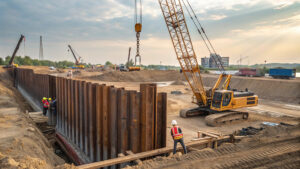
A steel sheet pile is a steel section with interlocks. It is driven into the ground to retain soil or water. It is used in ports, rivers, basements, and marine projects worldwide.
I write this article based on what I see in real export projects. Many clients find answers online, but still make wrong choices. So I want to explain this topic in a clear and practical way, from my own experience.
What are the different types of steel sheet piles?
Steel sheet piles look similar at first glance. But the type you choose will affect strength, cost, and installation speed. Many buyers only look at price. This often causes problems later.
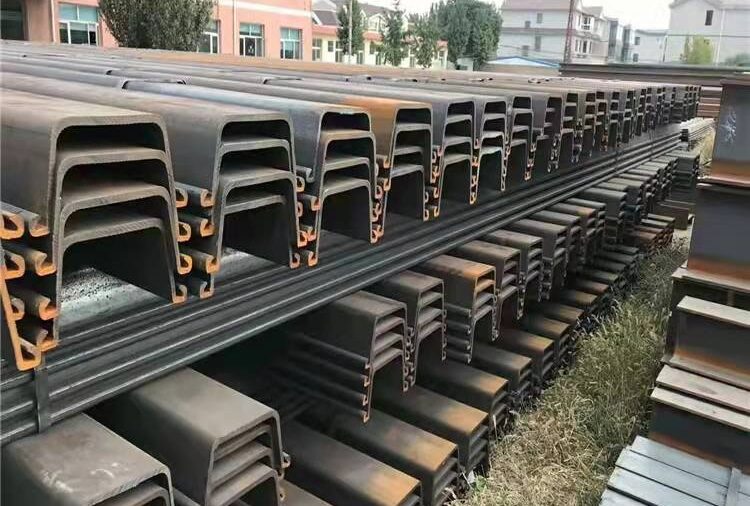
Steel sheet piles are mainly divided into U-type, Z-type, straight web, and cold-formed types. Each type fits different soil and load conditions.
U-Type Steel Sheet Piles
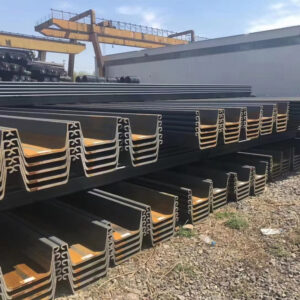
U-type sheet piles have a symmetric shape. I often see them used in temporary works. They are easy to install and easy to pull out.
- Good for temporary cofferdams
- Lower section modulus
- Flexible alignment
Z-Type Steel Sheet Piles
Z-type piles provide high strength. Many marine and port projects prefer this type.
- High bending resistance
- Strong interlock connection
- Good for permanent structures
Straight Web Sheet Piles
These piles are mainly used for cut-off walls.
- Low bending resistance
- Strong water sealing
- Often combined with anchors
Hot Rolled vs Cold Formed
Hot rolled piles have stronger interlocks. Cold formed piles cost less but may leak more.
| Type | Strength | Water Tightness | Cost |
|---|---|---|---|
| Hot Rolled | High | High | Higher |
| Cold Formed | Medium | Medium | Lower |
From my view, the best type depends on soil, water level, and whether the structure is permanent. I always ask clients about real site conditions before giving advice.
What is steel sheet piling used for?
Many buyers ask this question too late. They already selected a pile, then ask if it fits the job. This is risky.
Steel sheet piling is used to retain soil, block water, and support excavation in civil, marine, and infrastructure projects.
Common Application Areas
Steel sheet piles are flexible. I have seen them used in many countries.
- Port and harbor walls
- Riverbank protection
- Bridge foundations
- Underground parking
- Subway excavation
- Flood control systems
Temporary vs Permanent Use
Temporary use focuses on speed and reuse. Permanent use focuses on corrosion and strength.
| Use Type | Focus | Typical Coating |
|---|---|---|
| Temporary | Easy removal | Black steel |
| Permanent | Long service life | Hot-dip galvanized |
In my projects, clients in the Middle East often choose permanent sheet piles due to high water levels. Southeast Asian clients often use them for temporary cofferdams.
What is type 3 sheet pile?
Many buyers see “Type 3” in drawings. They are not sure what it means. I had the same question years ago.
Type 3 sheet pile usually refers to a classification based on section modulus and weight, not a global standard name.
Meaning of Type 3
Type 3 often comes from older design systems. It defines strength range.
- Medium section modulus
- Moderate thickness
- Balanced cost and performance
Where It Is Used
Type 3 piles are often used in:
- Medium-depth excavations
- River training works
- Temporary retaining walls
Key Note
Different countries use different naming rules. I always ask for drawings or required section modulus instead of relying on “Type 3” alone. This avoids mistakes.
What are the different types of piles?
Some clients mix sheet piles with other pile types. This causes confusion in early planning.
Piles can be divided into sheet piles, bearing piles, friction piles, and composite piles, based on function and load transfer.
Main Pile Categories
Each pile type has a clear role.
- Sheet piles: soil and water retention
- Bearing piles: load transfer to rock
- Friction piles: load transfer through skin friction
- Composite piles: combined materials
Key Difference
Sheet piles resist lateral pressure. Other piles carry vertical loads. In meetings, I always explain this first. It helps clients avoid design errors.
What are type 2 piles?
Type 2 piles are often confused with pile diameter or material grades.
Type 2 piles usually refer to a lower strength class compared to Type 3, based on older engineering standards.
Typical Features
- Lower section modulus
- Thinner steel
- Lower cost
When to Use
Type 2 piles fit shallow excavation and light loads. I do not recommend them for deep water or permanent marine works.
What are the classification of piles?
Classification helps buyers talk with engineers clearly. Without it, discussions waste time.
Piles are classified by material, installation method, load type, and function.
Classification Table
| Basis | Categories |
|---|---|
| Material | Steel, concrete, timber |
| Installation | Driven, bored |
| Load | Compression, tension |
| Function | Retaining, bearing |
I use this table often when training new sales staff. It simplifies complex topics.
What are the different types of steel pile foundation?
Steel piles are not only sheet piles. This point is often missed.
Steel pile foundations include steel sheet piles, H-piles, pipe piles, and box piles.
Foundation Types
- H-piles for vertical loads
- Pipe piles for deep foundations
- Sheet piles for lateral support
Practical Advice
In many projects, sheet piles work with pipe piles. One retains soil. One carries load. I always suggest checking combined solutions.
What are the four stages of piles?
Clients often focus only on supply. But piles have stages.
The four stages are design, manufacturing, installation, and service life management.
Stage Breakdown
- Design: soil and load study
- Manufacturing: profile and coating
- Installation: driving control
- Service: inspection and protection
I learned that problems usually start at stage one, not stage three.
What is the lifespan of a pile?
This is the most practical question. Buyers want a clear number.
The lifespan of a steel sheet pile ranges from 25 to over 75 years, depending on environment and protection.
Key Factors
- Soil chemistry
- Water salinity
- Coating type
- Maintenance plan
Real Project Insight
In UAE projects, we often suggest extra corrosion allowance. It costs more at first. But it reduces risk later. This advice comes from field feedback, not theory.
Conclusion
Steel sheet piles are simple in form but complex in use. Clear understanding helps reduce risk, cost, and delays.
Tags:
Steel Sheet Pile Basics
Marine & Infrastructure Engineering
Pile Types and Classification
Steel Foundation Solutions